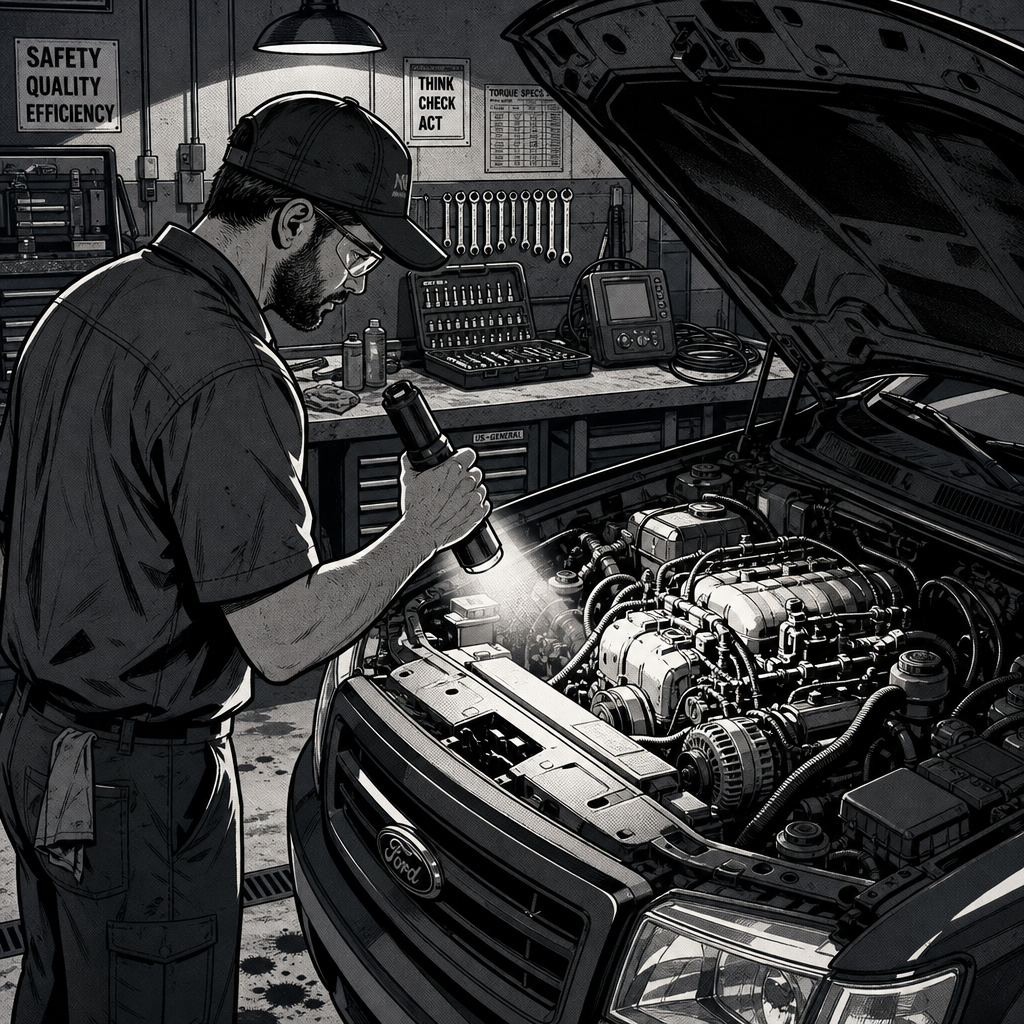
Talk to enough technicians right now and a pattern emerges that has nothing to do with skill level or shop reputation: workload depends heavily on who your customers are. Exotic and performance-Euro shops report being booked solid, overland build shops are scheduling into next quarter, and fleet techs are working overtime — while general repair shops, AC specialists, and body shops in the same regions describe the slowest stretch they’ve seen in years. This isn’t random. It’s a split in customer spending power showing up directly in service bay schedules, and it changes how a shop should staff, market, and sell work over the next several months.
What’s Actually Happening: A Split Repair Economy
The pattern techs are describing breaks down along customer segment, not geography or brand. Shops that service high-net-worth clients — exotics, performance Euro cars, overland builds, boats, and other discretionary big-ticket categories — are reporting record or near-record volume. Meanwhile shops that lean on everyday customer-pay work (entry-level trade-ins, AC repairs, general maintenance) are seeing appointment counts and average repair order size drop. Dealerships report the same split internally: new car sales soften first, but service departments serving higher trims and loyal owners hold steady longer.
This matters operationally because it means “the industry is slow” or “the industry is busy” are both true statements depending on which segment of customers walk through your door. A shop’s forecast should be built on its actual customer mix, not on generalized industry sentiment from social media or trade press.
Reading the Warning Signs in Your Bay
Several technicians pointed to a specific, visible symptom: more vehicles on the road with a burnt-out headlight, taillight, or running with obviously deferred maintenance. That’s a leading indicator worth tracking informally — when discretionary repairs (bulbs, minor trim, non-safety-critical items) start piling up on customer vehicles, it usually means those customers are prioritizing rent, groceries, and fuel ahead of vehicle upkeep. AC repair volume is another canary: several techs noted AC work — normally the first thing customers fix in summer heat — was down double digits year over year even during a heat wave. When customers defer AC repair in July, that’s a strong signal disposable income has tightened meaningfully.
Practical steps for reading this in your own numbers:
- Track average repair order (ARO) trend by month, not just total revenue — declining ARO with stable car count means customers are declining recommended work.
- Compare upsell/recommendation approval rates over the last 90 days. A drop from historical norms (say, from 40% approval to under 15%) is a hard data point, not anecdote.
- Segment your customer-pay mix by vehicle age and trim level. If older, lower-trim vehicles are disappearing from your schedule first, that confirms the K-shaped pattern rather than a general slowdown.
- Watch declined-estimate reasons in your shop management software — “will call back,” “too expensive,” and “just doing the minimum” spiking together is a budget-tightening signal, not a trust issue with your quotes.
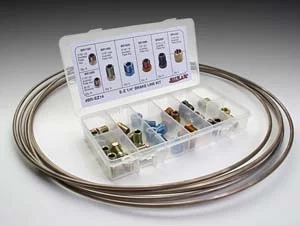
E-Z 1/4" Brake Line Replacement Kit BR-EZ314
Mfg: S.U.R. and R Auto Parts
Part #: BR-EZ14
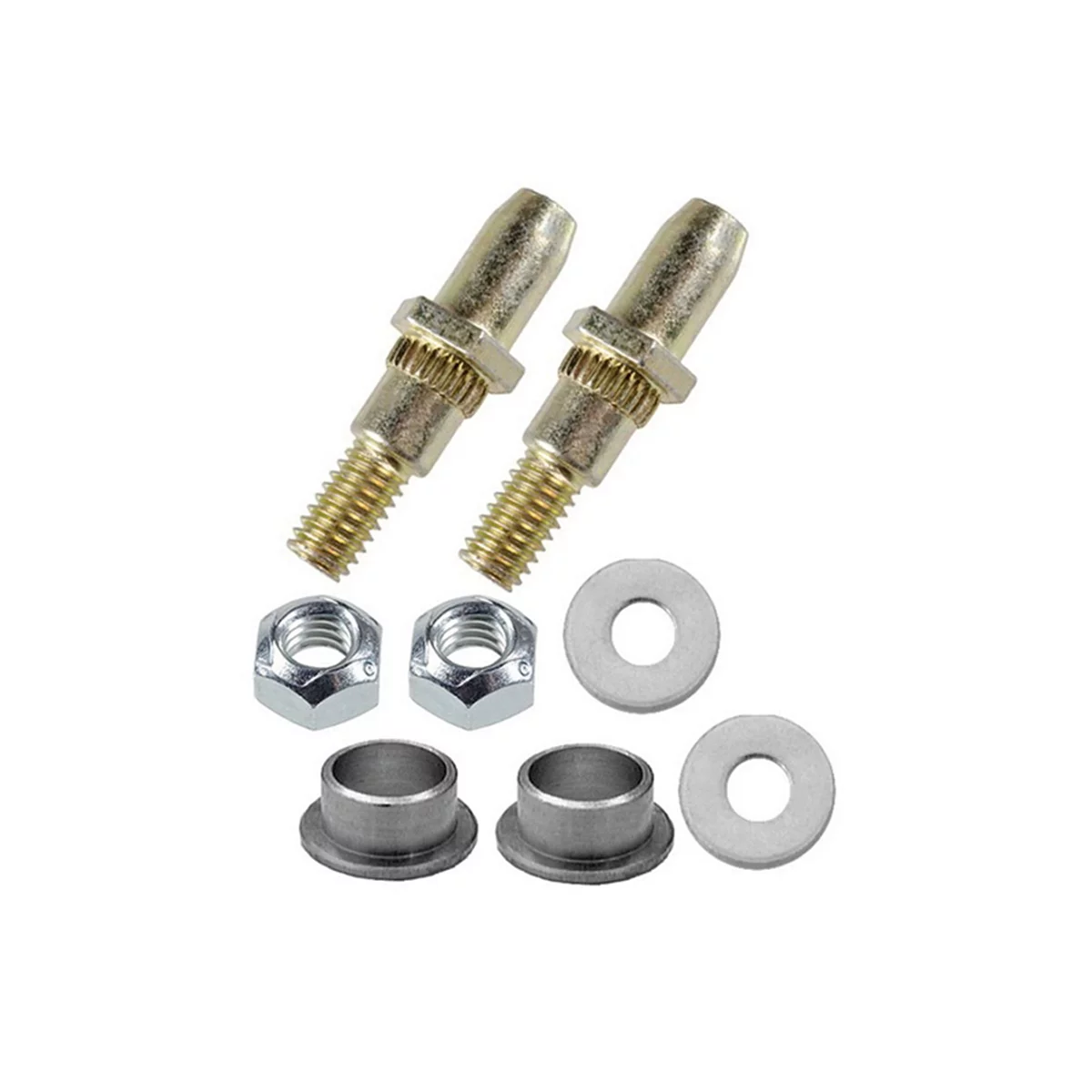
20485 Door Hinge Pin and Bushing Kit, For Use With 2006 - 20
Mfg: AUVECO - Auto Vehicle Parts LLC
Part #: 20485
Where the Work Still Is: Luxury, Performance, and Fleet
If your shop has any exposure to higher-end or commercial segments, this is where volume is concentrating. Performance and exotic shops describe steady seasonal work (annual services on low-mileage collector cars, event prep like car week details and inspections) continuing regardless of broader economic headlines — these owners aren’t financing repairs paycheck to paycheck. Fleet accounts are another bright spot: multiple techs mention fleet work, lawn care and commercial equipment maintenance, and dealership service departments staying full specifically because those customers have contractual or business-necessity reasons to keep vehicles running, independent of personal discretionary spending.
For shop owners without existing exposure to these segments, this is a real opportunity to diversify:
- Pursue local fleet accounts (delivery companies, landscaping, HVAC, property management) — these are recurring, scheduled maintenance contracts that smooth out revenue regardless of consumer sentiment.
- If you’re in a market with any performance/luxury vehicle density, consider building out diagnostic and service capability for European or specialty makes — even a handful of loyal high-spend customers can offset a broader customer-pay slowdown.
- Evaluate whether your shop has the equipment and technician training to take on more complex, higher-margin diagnostic work (electrical, ADAS calibration, engine management) rather than competing purely on volume oil changes and basic maintenance.
Practical Steps to Stabilize Revenue During Uneven Demand
Regardless of which side of the split your shop sits on, a few operational adjustments help absorb volatility:
- Diversify the customer mix deliberately. Don’t rely on a single income bracket or vehicle segment. A blend of fleet, maintenance-plan customers, and discretionary repair work smooths out monthly swings.
- Push maintenance plans and prepaid service packages. Locking in future visits at a fixed price gives customers budget predictability and gives you forecastable revenue, even if one-off big-ticket repairs slow down.
- Tighten labor scheduling to actual demand. Several techs described going from 60-75 hour weeks to 45 hours within a couple months. If volume is genuinely down, adjust technician scheduling and avoid overstaffing based on last year’s numbers — but don’t overcorrect and lose your best people, since demand for exotic/fleet/specialty work is still growing in many regions.
- Reassess pricing transparency. When customers are declining recommended work, offering tiered options (must-fix now vs. can-wait-90-days) rather than an all-or-nothing estimate increases approval rates without discounting your labor rate.
- Watch supplier and parts cost pass-through carefully. Increased import costs on parts have squeezed margins industry-wide; shops that haven’t adjusted labor/parts markup to reflect current cost structures are eating margin without realizing it.
Adjusting the Sales Conversation When Budgets Are Tight
Service advisors are the front line for this shift, and the sales approach that worked in a strong economy doesn’t work the same way when customers are prioritizing rent over recommended maintenance. A few adjustments that techs and advisors report working:
- Lead with safety-critical items first, clearly separated from wear-and-tear recommendations, so customers can make an informed triage decision rather than feeling like everything is being upsold at once.
- Offer financing or split-payment options on larger jobs (head gaskets, evaporators, heater cores) — several techs noted big-ticket jobs are still getting approved when payment flexibility is offered, even in a tight month.
- Be explicit about what happens if a repair is deferred (e.g., “this will likely fail within X months and cost more to fix then”) — this respects the customer’s budget decision while keeping the shop’s liability and documentation clean.
- For fleet and commercial customers, emphasize uptime cost — a single day of downtime often costs more than the repair itself, which is a stronger argument than for personal-use vehicles.
Quick Checklist: Is Your Shop Feeling the K-Shaped Squeeze?
- Customer-pay AC and minor repair volume down year over year despite seasonal demand
- More vehicles showing visible deferred maintenance (lights, minor trim) in your lot or on local roads
- Upsell/recommendation approval rate down significantly from your 12-month average
- Fleet, luxury, or specialty segment work holding steady or growing while general customer-pay softens
- Technician hours fluctuating more than usual month to month
- Parts and import costs rising faster than your current labor/parts markup accounts for
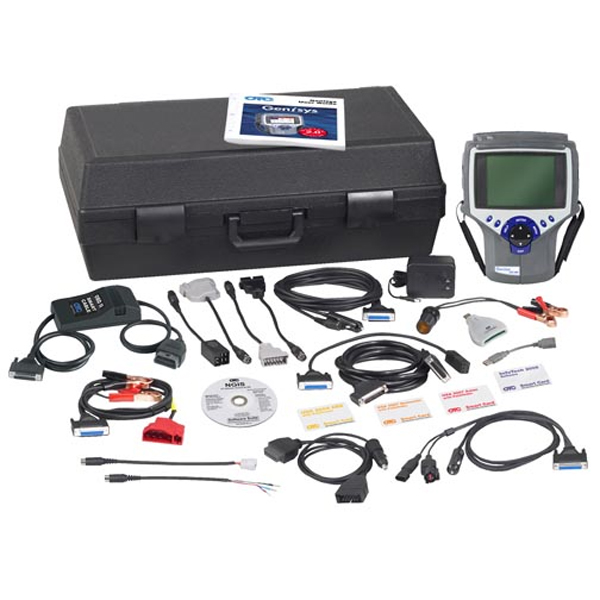
Genisys 2007 Deluxe Scan Tool with ABS Cables Kit
Mfg: OTC Tools and Equipment
Part #: 3696
Frequently Asked Questions
Is the whole auto repair industry slowing down?
Not uniformly. Data points from shops across segments show a split: luxury, exotic, performance, and fleet work remains strong in many markets, while general customer-pay work — especially on older or entry-level vehicles — has softened. The right read for your shop depends on your specific customer base.
Why is AC repair down even during hot weather?
AC repair is often one of the first “can wait” items customers cut when budgets tighten, since a car remains drivable without it. A drop in AC volume during peak heat is a strong signal of reduced discretionary repair spending among your customer-pay base.
Should my shop chase fleet accounts if we’ve never done fleet work before?
It’s worth evaluating. Fleet and commercial accounts tend to be more insulated from personal discretionary spending swings because vehicle uptime is a business necessity. It requires reliable turnaround times and often volume pricing, but it can meaningfully smooth revenue.
How do I know if declining upsell approval is a pricing problem or an economic one?
Compare approval rates against your own historical baseline over the same season last year, and check whether declines are concentrated in lower-cost, non-safety items. A broad-based drop across price points and vehicle segments points to customer budget constraints rather than a pricing or trust issue specific to your shop.
Should I cut technician hours if my shop is slower right now?
Adjust scheduling to actual demand, but be cautious about losing skilled techs during a temporary dip — many shops that overcorrect struggle to rehire and retrain when volume returns, particularly if it returns quickly in specialty or fleet segments.
What’s the single most useful metric to track through this kind of demand split?
Average repair order value segmented by customer type (fleet, luxury/specialty, general customer-pay) tracked monthly. It reveals which part of your business is actually driving revenue changes far better than total shop revenue alone.
Equip for Specialty Work
Shops that diversify into performance, luxury, and fleet service work stabilize revenue regardless of broader economic shifts. Proper tooling is essential to build expertise in complex diagnostics and specialty service. Explore Automotive Specialty Tools to find diagnostic and specialized equipment that positions your shop for higher-margin work.
- European and performance vehicle diagnostics and specialized equipment
- Advanced electrical and ADAS calibration tools
- Engine management and complex diagnostic systems

The Toolsource Technical Team blends decades of real-world automotive service experience with up-to-date technical research. Our writers collaborate with professional mechanics, shop owners, and diagnostic specialists to deliver practical, workshop-ready guidance you can trust.


Follow us on social media