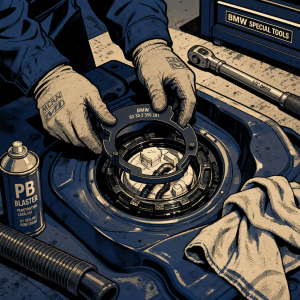
BMW Fuel Pump Lock Ring Removal: The Right Way to Avoid a Two-Hour Nightmare
Removing a BMW fuel pump lock ring shouldn’t take two hours or destroy the plastic ring. This guide covers the preparation work, proper tools, and step-by-step technique that separates a 10-minute job from an all-day disaster—straight from technicians who’ve done it right and wrong.
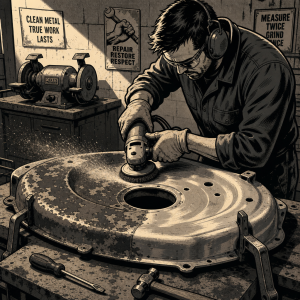
Pimp My Mower: A Tech’s Guide to Custom Paint, Chrome, and Trim on a Push Mower
Turning a beat-up push mower into a showpiece takes the same discipline as a body panel repair: strip it right, prep it right, and use products rated for heat and fuel exposure. Here’s a technician’s walkthrough of doing it without wrecking the engine or the finish.
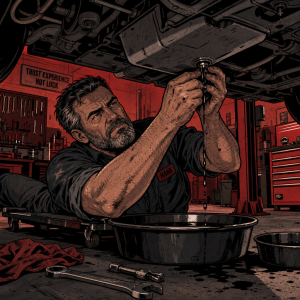
Why 20 Years of DIY Oil Changes Won’t Stop You From Draining the Wrong Plug
Experience doesn’t make you immune to mistakes. A technician-focused look at why drain plug mix-ups happen to even seasoned DIYers, and the verification steps that prevent catastrophic fluid errors.
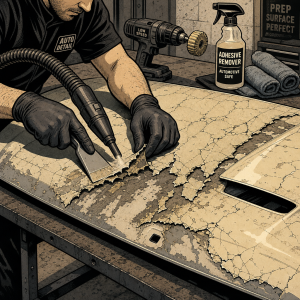
How to Remove Old Paint Protection Film Without Damaging the Paint
Old paint protection film that’s cracked, yellowed, or “spider-webbed” won’t come off with a fingernail and a prayer. This guide walks technicians through the heat-and-peel method, adhesive cleanup, and the mistakes that turn a bad job into a repaint.
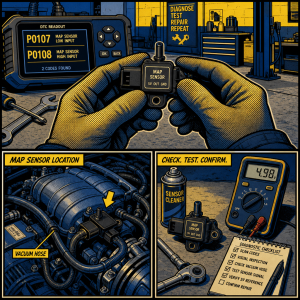
MAP Sensor Location & P0107/P0108 Error Codes
Learn the critical differences between MAP and MAF sensors, optimal sensor placement near the throttle body, and how to properly diagnose P0107 and P0108 error codes before replacing parts. This comprehensive guide covers when cleaning is effective versus when replacement is necessary, plus how faulty sensors impact transmission performance.
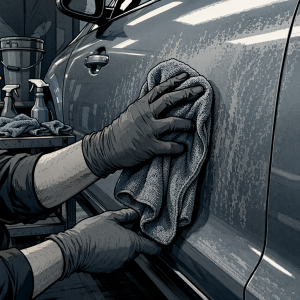
Rinseless Wash Drying Test: What Happens When Product Residue Is Left on Paint
Rinseless washing saves time and water, but what actually happens if the product dries on your paint before you can wipe it down? A controlled panel test comparing popular rinseless wash formulas reveals surprising differences in how residue behaves and removes—critical information for technicians working in real-world conditions.
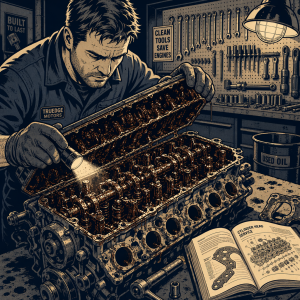
Why Engine Sludge Forms Even With Regular Oil Changes: A Technician’s Guide
Opening an engine with documented maintenance only to find catastrophic sludge buildup is every technician’s nightmare. The culprit often isn’t the interval itself, but the combination of oil type, driving patterns, and brand compatibility that creates varnish-like deposits even on “well-maintained” engines.
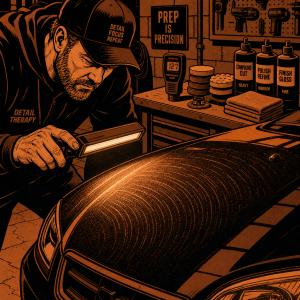
Fixing Dealership Rotary Buffer Damage: A Technician’s Guide to Paint Correction Gone Wrong
When a “free detail” from a dealership leaves a car covered in rotary holograms and swirl marks, the fix requires careful diagnosis before any pad touches the panel. This guide walks technicians through assessing clear coat damage, choosing DA over rotary, and correcting thin or soft factory paint safely.
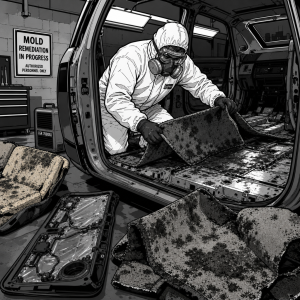
Removing Mold from a Vehicle Interior: A Technician’s Step-by-Step Guide
Mold-infested interiors show up in trade-ins, flood cars, and neglected vehicles more often than most shops admit. This guide covers the safety gear, teardown sequence, and HVAC decontamination steps needed to do the job right—and explains why some vehicles aren’t worth saving.
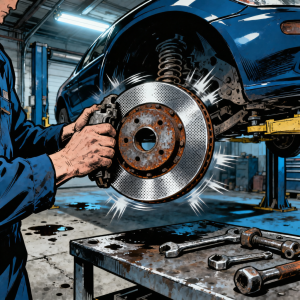
Car Shakes When Braking: Causes & DIY Fixes
When your car shakes during braking, it’s typically caused by disc thickness variation or lateral runout in your rotors, not actual warping. This comprehensive guide explains the real causes, how to diagnose brake versus suspension issues, step-by-step DIY replacement procedures with proper torque specs, cost breakdowns comparing budget and premium options, and preventive maintenance to avoid future problems.


Follow us on social media