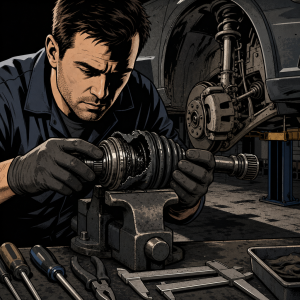
CV Axle Replacement: Why Cheap Aftermarket Axles Fail Early and What to Buy Instead
Shop feedback keeps pointing to the same problem: budget aftermarket CV axles are blowing outer boots within months, sending customers back for a comeback you already did the labor on. Here’s how to spec the right axle the first time and avoid paying for the same job twice.
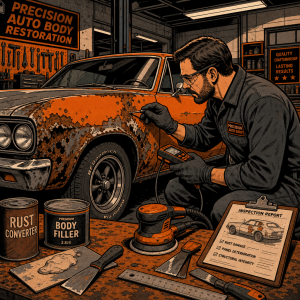
How to Repair Rust and Body Panel Damage: A Step-by-Step Guide for Technicians
Rust repair and body panel restoration require proper technique and the right materials to ensure lasting results. This comprehensive guide walks technicians through the complete process from cutting out rust to final priming, covering metal fabrication, welding, filler application, and surface preparation using proven shop methods.
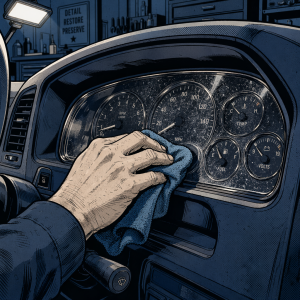
How to Remove Chemical Stains and Etching from Your Gauge Cluster Plastic
Chemical overspray from cleaners, degreasers, or alcohol-based products can etch and damage the protective coatings on gauge cluster plastic. This guide walks you through diagnosing the damage, selecting the right polish, and restoring clarity to your instrument panel using proven technician methods.
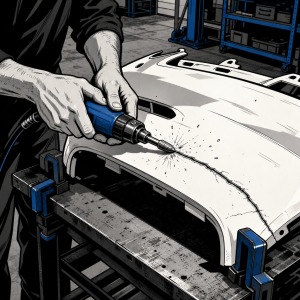
DIY Plastic Bumper Repair: When Welding Beats Buying a New Cover
Plastic welding a bumper cover can save money at home, but it’s not always the bargain it looks like compared to a body shop’s wholesale parts pricing. Here’s how to do the repair right, what tools you actually need, and where DIY jobs typically go wrong.
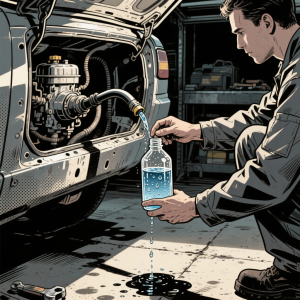
Why Your Vehicle Stalls on Cold Starts After Turns: Diagnostic Guide
When a vehicle stalls on the first few turns after a cold start but runs normally once warmed up, multiple systems could be at fault. This diagnostic guide walks technicians through systematic troubleshooting of fuel delivery, engine management, and mechanical issues.
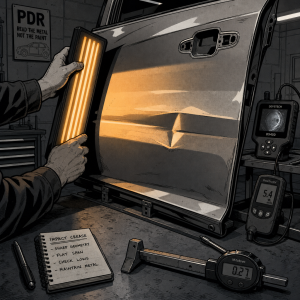
Reading Door Skin Dents: A Tech’s Guide to Diagnosing Kick, Knee, and Impact Damage
Door skin dents from kicks, knees, or low-speed impacts each leave distinct forensic clues that determine repair approach. This guide walks technicians through reading dent morphology, choosing between PDR and conventional bodywork, and documenting damage properly for insurance or police reports.
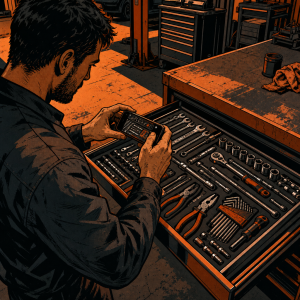
Shop Buyout or Pay Plan Change? How Techs Can Protect Their Tools, Pay, and Paper Trail
When a shop gets bought out or switches pay plans, the techs who come out ahead are the ones who documented their tools and understood their pay structure beforehand. Here’s a practical, no-fluff guide to protecting your investment and your paycheck.
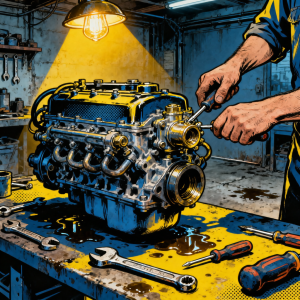
Carburetor Definition: How They Work & Why They Matter
A carburetor is a mechanical device that mixes air and fuel in precise proportions for internal combustion engines. Understanding how carburetors work—from the venturi principle to float chambers and jetting—remains essential for maintaining small engines, vintage motorcycles, lawn equipment, and classic vehicles despite fuel injection dominating modern automotive applications.
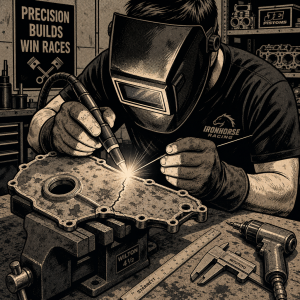
Cracked Timing Cover After a Front-End Hit: Diagnose It Right Before You Weld or Replace
A cracked timing cover rarely shows up alone — front-end impact usually damages more than what’s visible. Here’s how to inspect the surrounding structure, decide between welding and replacing the cover, and avoid chasing a warranty claim that was never going to fly.
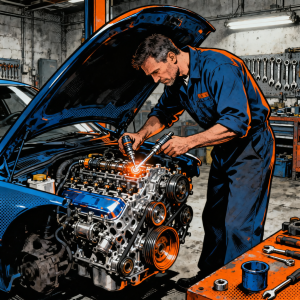
How to Change Camshaft Position Sensor: DIY Guide
Learn how to change camshaft position sensor components yourself with this complete DIY guide. Covers diagnosis, vehicle-specific sensor locations, step-by-step replacement instructions, and when to call a professional—potentially saving $300-500 in shop labor costs.


Follow us on social media