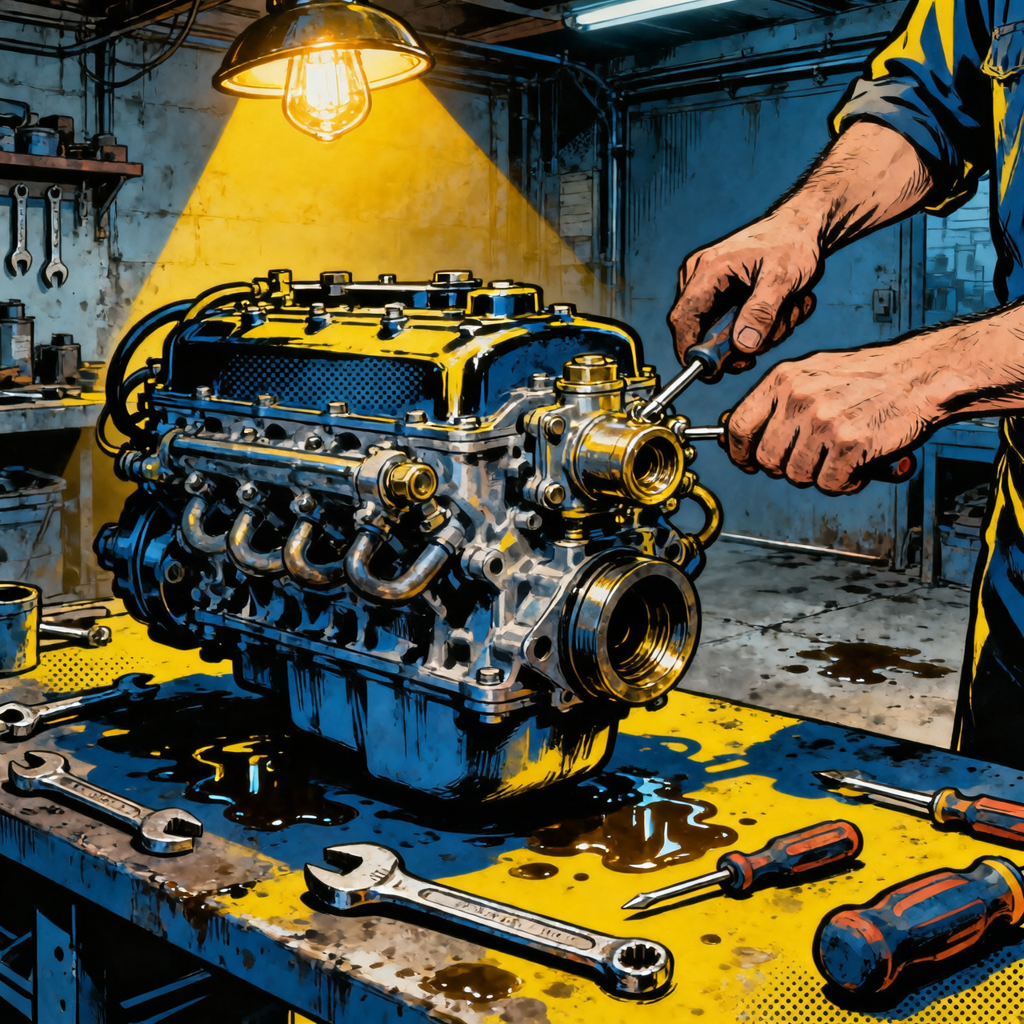
A carburetor is a mechanical device that mixes air and fuel in precise proportions for internal combustion engines. Though largely replaced by fuel injection in modern vehicles, carburetors remain essential in small engines, vintage motorcycles, lawn equipment, and aircraft. Understanding carburetors is vital for maintaining older vehicles and small engine equipment.
What is a Carburetor?
A carburetor blends gasoline with air in the correct ratio (approximately 14.7:1) for combustion. It sits between the air filter and intake manifold, creating a controlled mixture that enters the engine’s cylinders. Unlike modern fuel injection with electronic sensors, carburetors rely entirely on mechanical principles and pressure differentials to regulate fuel delivery.
The Venturi Principle
Carburetors work through the venturi effect: when air flows through a narrowed passage, its velocity increases while pressure decreases. This pressure drop creates suction that draws fuel through jets. As the throttle opens and airflow increases, stronger suction pulls more fuel, automatically matching fuel delivery to engine demand without electronics.
How Carburetors Work
Core Process
Engine vacuum draws air through the carburetor’s venturi, creating low pressure that pulls fuel from the float chamber. Raw fuel is atomized into fine droplets in the high-velocity airstream, mixing homogeneously with air. This atomization is essential—fine mist burns efficiently while liquid fuel does not. The throttle valve controls airflow; wider opening increases both air and fuel proportionally, providing direct throttle response.
Float Chamber Regulation
The float chamber maintains constant fuel level, ensuring consistent delivery regardless of tank level or vehicle motion. A hollow float rises with fuel level, opening a needle valve to allow more fuel in. When full, the float closes the valve. This simple mechanical feedback keeps fuel at the correct height relative to jets, maintaining proper mixture ratios.
Idle Circuit
At idle, throttle closure prevents airflow through the main venturi. The idle circuit provides alternate fuel delivery through ports downstream of the throttle valve where vacuum is strongest. Fuel flows through the pilot jet and idle air bleed before emerging through the idle discharge port. The idle mixture screw allows adjustment of this fuel delivery.

Essential Components
- Float Chamber & Needle Valve: Controls fuel supply; float height adjustment is critical for proper operation
- Jets: Precisely drilled orifices that meter fuel flow; main jet handles mid-to-high throttle, pilot jet handles low-speed operation. Clogged jets are the most common carburetor problem
- Choke Mechanism: Enriches mixture for cold starts by restricting airflow; manual or automatic depending on design
- Throttle Valve: Controls airflow; wider opening increases fuel delivery proportionally
- Venturi: Narrow passage where air acceleration creates pressure drop and fuel suction
Carburetors vs Fuel Injection
| Feature | Carburetor | Fuel Injection |
|---|---|---|
| Control | Mechanical (pressure differential) | Electronic (computer-controlled) |
| Cold Start | Manual/automatic choke required | Excellent (ECU enriches automatically) |
| Altitude Adaptation | Requires manual rejetting | Automatic via sensors |
| Maintenance | Periodic cleaning and adjustment | Minimal |
| DIY Serviceability | High (mechanical, rebuildable) | Low (requires specialized tools) |
| Repair Cost | $50–$200 (rebuild) | $300–$800+ (component replacement) |
Key Differences
Fuel injection uses electronic sensors and computer control to adapt fuel delivery thousands of times per second based on engine temperature, air temperature, throttle position, oxygen content, and engine speed. Carburetors respond only to airflow and pressure changes, making them mechanically simple but unable to adapt automatically to altitude, temperature, or component wear. Fuel injection excels at cold starts and handles varying conditions without manual adjustment. Carburetors offer lower repair costs and DIY serviceability—field repairs are possible with basic tools. For daily drivers, FI’s advantages are overwhelming; for small engines and remote riding, carburetors’ simplicity remains valuable.
Why Carburetors Still Matter
Small Engines & Equipment
Nearly all lawnmowers, chainsaws, generators, and small motorcycles use carburetors because cost matters—a carburetor costs $15–$50 to manufacture while basic fuel injection adds $200–$400. Carburetors are also serviceable by homeowners with basic tools, keeping maintenance affordable and accessible.
Vintage Vehicles & Restoration
Classic vehicle enthusiasts maintain carburetor expertise for authenticity and mechanical understanding. Aftermarket support remains strong, and rebuilding appeals to hands-on owners who enjoy fundamental maintenance. Online communities provide extensive tuning knowledge and support.
Aircraft
Aircraft carburetors include mixture control levers for altitude adjustments and carburetor heat systems to prevent icing—unique challenges automotive versions don’t face. While fuel injection gains adoption, carbureted engines remain common in general aviation.
Remote Applications
In wilderness areas far from dealers, carburetors offer field serviceability. A clogged jet can be cleared with a wire, and basic adjustments require only a screwdriver. FI failures in remote locations often require towing.

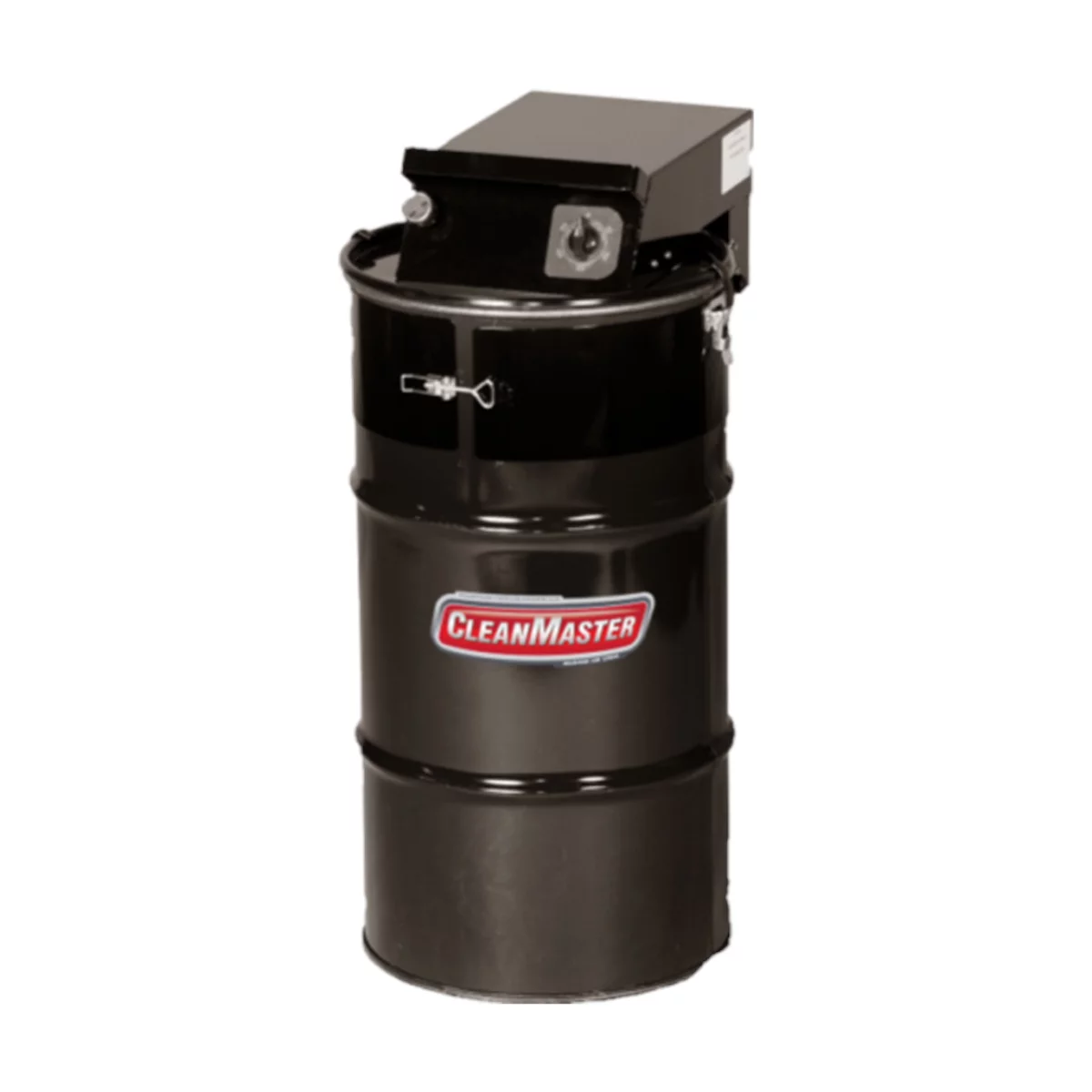
Solvent Immersion Cleaner sits on 16 Gal Drum N.I.
Mfg: Fountain Industries
Part #: CMIC
Common Problems & Solutions
Clogged Jets & Varnish
Fuel varnish—sticky residue from fuel evaporation—is the carburetor’s primary enemy. Modern ethanol blends accelerate varnish formation within 30 days of storage. Prevention: Use fuel stabilizer for equipment stored more than two weeks, and run the carburetor dry before extended storage. Cleaning: Carburetor cleaner spray works for accessible passages, but severe varnish requires disassembly and soaking in cleaning solution. Ultrasonic cleaners excel at removing deposits from internal passages.
Lean or Rich Running
Lean symptoms: Backfiring, overheating, poor power, hesitation during acceleration. Rich symptoms: Black smoke, fouled spark plugs, poor fuel economy, rough idle. Spark plug reading indicates mixture condition: tan/light brown = correct, white/blistered = lean, black sooty = rich. Systematic jetting changes address these issues—altitude changes require main jet adjustment, idle problems require mixture screw adjustment.
Fuel Leaks & Float Issues
Fuel leaking from overflow tubes indicates float problems. Tap the float chamber sharply—if leaking stops temporarily, the float was stuck. For persistent leaks, inspect the needle valve and seat for wear or debris. Check float height against specifications. Brass floats can develop pinholes and fill with fuel; shake the float to check for internal fuel.
Starting & Idle Problems
Verify fuel reaches the carburetor before assuming carburetor failure. Confirm choke operation, ensure adequate spark, and inspect the spark plug. Wet, fuel-soaked plugs indicate flooding; dry plugs indicate lean conditions. For idle issues, check if the idle speed adjustment isn’t over-tightened, verify no vacuum leaks exist, and adjust the idle mixture screw methodically until RPM peaks.
Maintenance Checklist
- Use fresh fuel and add stabilizer for storage exceeding 2–3 weeks
- Inspect fuel filter regularly
- Check for external leaks at bowl gaskets and overflow tubes
- Verify choke operation—fully close when cold, fully open when warm
- Drain float bowls before storage exceeding 3 months
- Check throttle cable for smooth operation
- Inspect intake manifold boots for cracks causing vacuum leaks
- Verify float height meets specifications during rebuilds
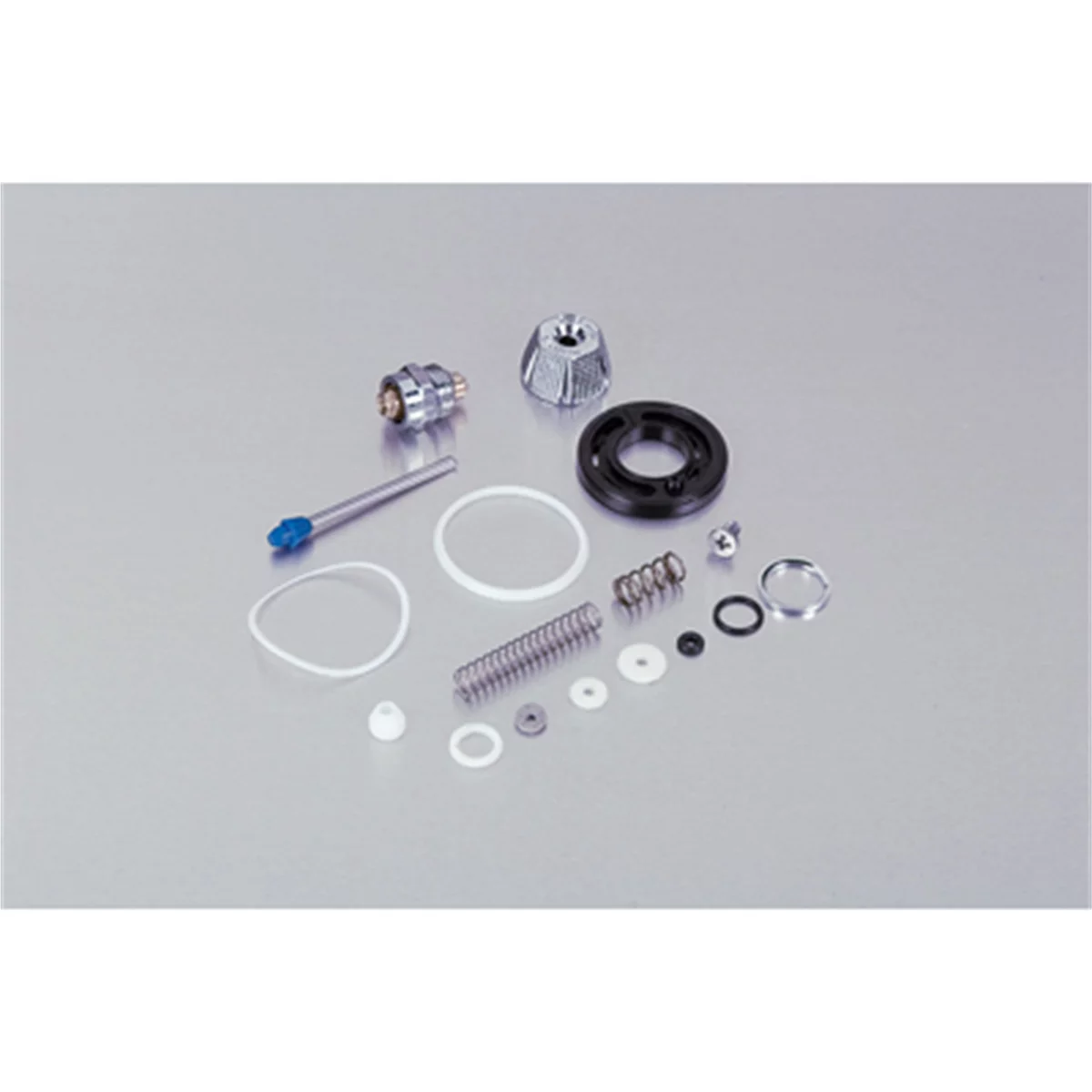
- Keep spare jets, gaskets, and rebuild kits on hand
- Document baseline settings before making adjustments
- Test ride after adjustments across full throttle range
Frequently Asked Questions
Can you rebuild a carburetor yourself?
Yes. Rebuilding involves disassembly, cleaning all components and passages, replacing gaskets and worn parts from a rebuild kit, reassembly, and adjustment. Basic hand tools suffice. Take photos during disassembly for reference. The job typically takes 2–4 hours. Essential tools include screwdrivers, wrenches, carburetor cleaner, and compressed air. Success requires cleanliness and methodical work to avoid introducing debris.
How often should carburetors be serviced?
For regularly-used equipment with fresh fuel, carburetors may run years without service. Seasonally-used equipment should receive annual inspection and cleaning if performance degrades. Equipment stored long-term with fuel requires cleaning before each season. Use fuel stabilizer and drain the carburetor dry before storage to prevent varnish buildup.
Are carburetors more reliable than fuel injection?
Reliability depends on usage. Carburetors are mechanically simple with fewer failure points, but require frequent maintenance and are sensitive to fuel quality. Fuel injection requires virtually no maintenance and handles varying conditions automatically, but component failures are expensive. For infrequent use with proper storage, carburetors may be more reliable. For daily use, modern fuel injection is significantly more reliable and requires less intervention.
Why do some riders prefer carburetors?
Practical reasons include lower repair costs ($50–$200 rebuild vs. $300–$800+ for FI components), DIY serviceability, no reliance on electronics, and field repairability in remote locations. Some prefer direct throttle response. Vintage enthusiasts value period-correct components. However, modern fuel injection offers superior performance, reliability, and convenience for typical riding. Carburetor preference is increasingly a niche choice for specific applications or personal values.
What is the main disadvantage of carburetors?
Carburetors cannot adapt automatically to changing conditions. Moving from sea level to mountains makes them run rich; temperature changes affect mixture. Cold starts require manual choke operation. They cannot compensate for engine wear or fuel quality variations like FI systems do through constant sensor feedback and adaptive fuel maps. Carbureted engines require periodic retuning, while FI systems self-optimize continuously.
Do any new cars still use carburetors?
No. Modern passenger vehicles worldwide use fuel injection exclusively. Carburetors were phased out by the mid-1990s due to emission regulations—FI achieves far more precise fuel metering, dramatically reducing emissions while improving fuel economy and cold-start performance. The last carbureted passenger car sold in the U.S. was the 1994 Subaru Justy. Carburetors remain common in small engines, some motorcycles, aircraft, and vintage vehicle applications.
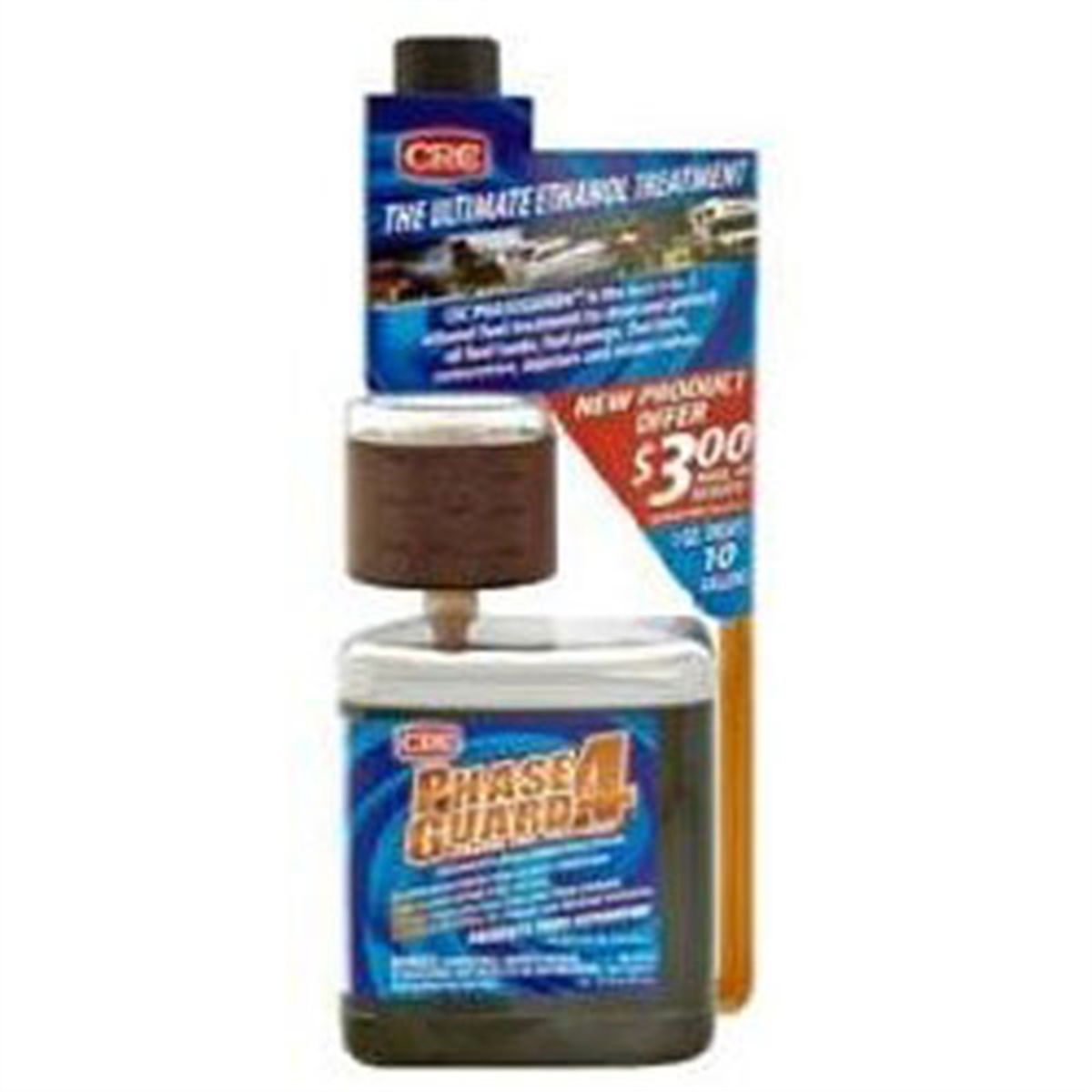
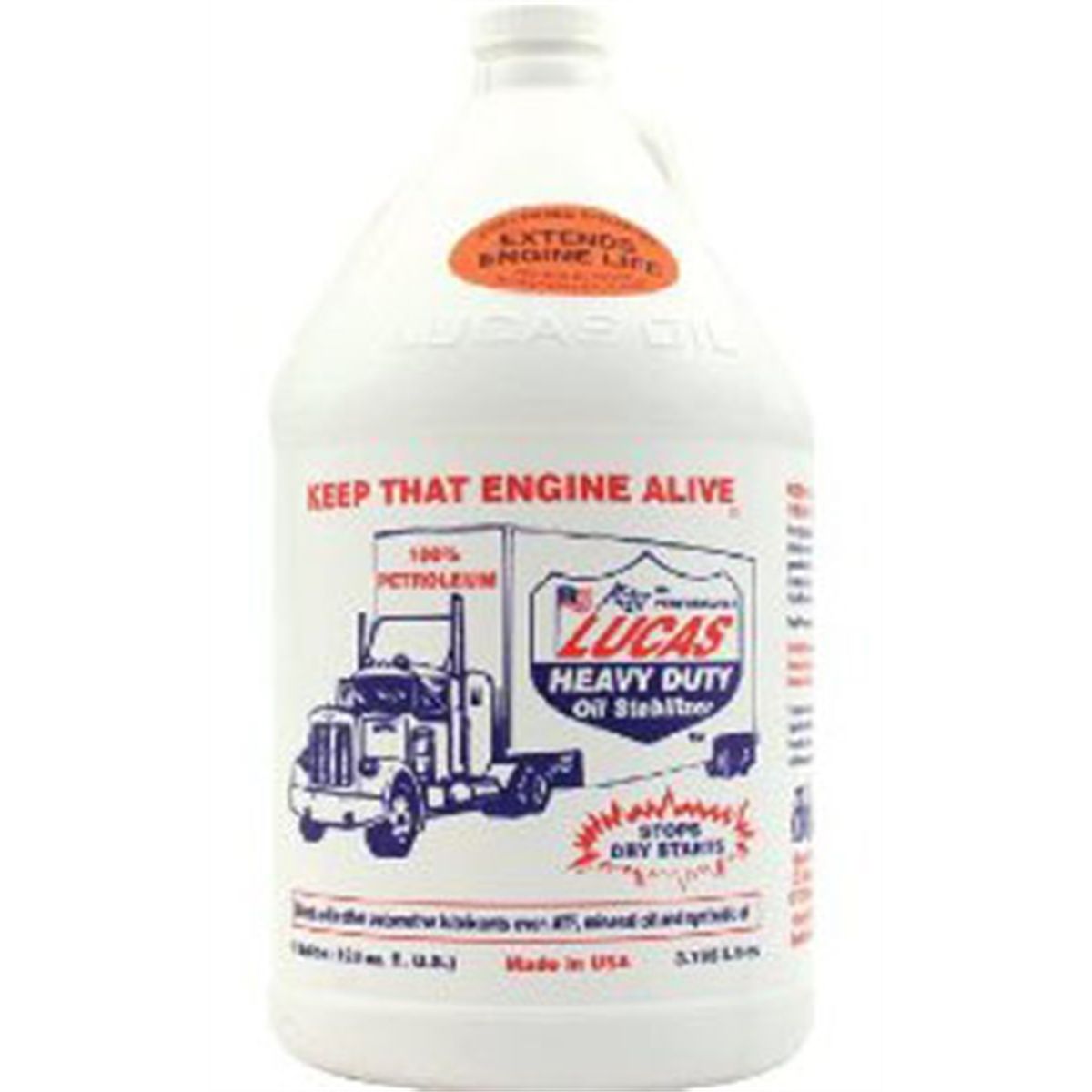
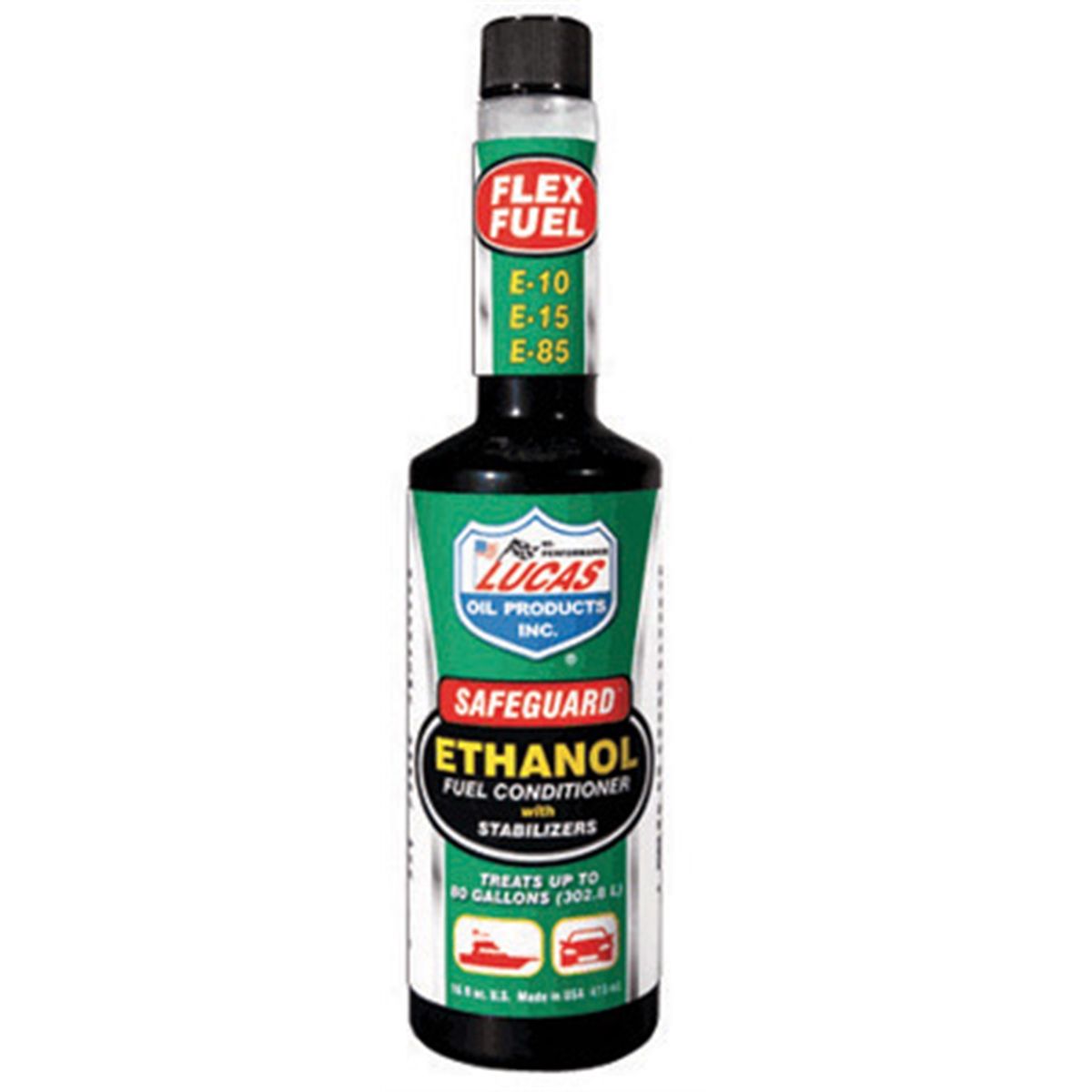
Shop Fuel System Products
Now that you understand how carburetors work, you’re ready to maintain and upgrade your fuel system. Our Fuel System category offers everything you need to keep your engine running smoothly and efficiently.
- Carburetor Cleaners & Kits – Professional-grade solutions for complete fuel system maintenance
- Fuel Filters & Strainers – Replace worn components to ensure optimal fuel flow and engine performance
- Carburetor Rebuild Kits – Complete gasket and seal sets for restoring carburetors to factory specifications

The Toolsource Technical Team blends decades of real-world automotive service experience with up-to-date technical research. Our writers collaborate with professional mechanics, shop owners, and diagnostic specialists to deliver practical, workshop-ready guidance you can trust.


Follow us on social media