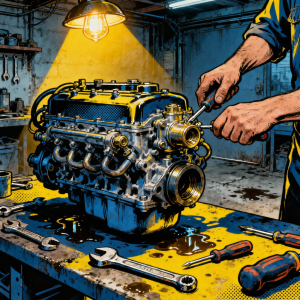
Carburetor Definition: How They Work & Why They Matter
A carburetor is a mechanical device that mixes air and fuel in precise proportions for internal combustion engines. Understanding how carburetors work—from the venturi principle to float chambers and jetting—remains essential for maintaining small engines, vintage motorcycles, lawn equipment, and classic vehicles despite fuel injection dominating modern automotive applications.
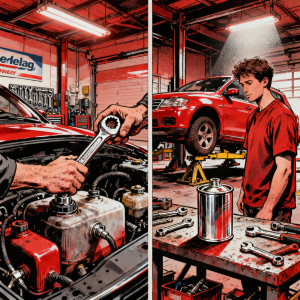
Fuel Filter Change Cost: Dealership vs DIY
Dealership fuel filter replacement costs $150-$450 for a job that takes 5-15 minutes and uses $25-$50 in parts. Understanding the real cost breakdown, DIY alternatives, and when professional service actually makes sense can save you hundreds per service while ensuring your vehicle’s fuel system stays properly maintained.
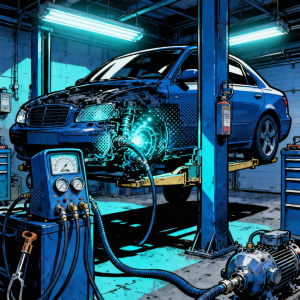
How to Find and Fix Your Car’s AC Leak
When your car’s AC stops blowing cold, an AC leak is likely the problem. Learn professional leak detection methods using UV dye and electronic sniffers, understand realistic repair costs by component type, and discover when DIY diagnosis makes sense versus requiring professional help—including why proper refrigerant recovery and leak repair beat temporary recharge every time.
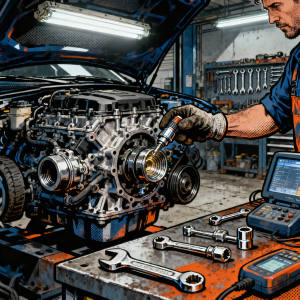
Oil Pressure Sensor Replacement: DIY Guide & Cost Breakdown
Oil pressure sensor replacement quotes from dealerships can exceed $2,500, yet the sensor costs just $11-$30 and DIY replacement takes 30-60 minutes on accessible vehicles. This comprehensive guide reveals the real costs, walks you through proper diagnosis to avoid unnecessary repairs, provides step-by-step replacement instructions, and helps you identify when dealership estimates cross from fair pricing into overcharging territory.


Follow us on social media