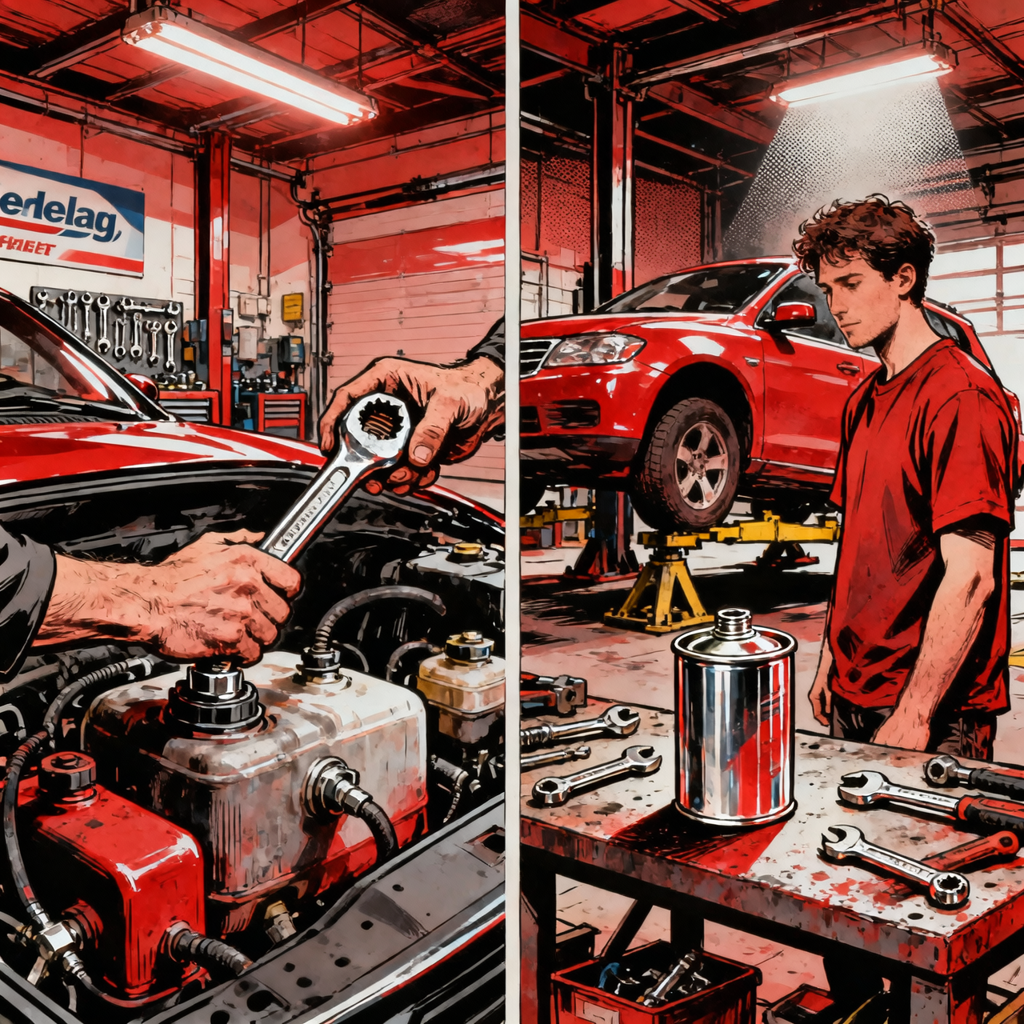
Your dealership wants $150 to $450 for a fuel filter change. Costs vary dramatically by shop type and DIY capability. Understanding what you’re paying for—parts, labor, and hidden fees—helps you decide when professional service makes sense.
Dealership Fuel Filter Replacement Cost Breakdown
Dealerships typically charge $150-$450, with most vehicles $200-$300. This gap reflects labor markup and procedural charges, not parts costs.
Labor Charges and Markup Analysis
Dealerships bill 0.5-1.5 hours of shop time for work that takes 5-15 minutes. With labor rates at $120-$200/hour, you pay $60-$300 in labor alone. Factory service manuals list most jobs at 0.4-0.5 hours, but dealerships round up to account for overhead, paperwork, vehicle setup, and quality checks—legitimate business costs that create significant markup.
OEM Parts Pricing Across Vehicle Makes
OEM filters cost $40-$80 at dealerships versus $25-$50 retail. Dealership markup adds $10-$30:
- VW/Audi TDI: $35-$60 OEM (Mann/Hengst brands)
- RAM Cummins diesel: $45-$75 Mopar filters
- Ford F-150: $30-$50 (varies by engine)
- Honda Civic/Accord: $25-$40 genuine Honda
- Jeep Wrangler: $30-$55 OEM
Hidden Fees
Dealerships add shop supplies ($8-$15), waste disposal ($5-$10), and diagnostic time. Many bundle unnecessary fuel system cleaning ($200-$400) into filter service—injector cleaning is rarely needed on modern engines using quality fuel. Factory scan tools like VCDS (VW/Audi) for fuel system priming justify some premium, though alternatives exist.
DIY Fuel Filter Replacement: Real Costs
DIY drops costs to parts only: $25-$50 depending on filter quality.
Aftermarket vs OEM Filters
Quality aftermarket brands (Mann, Bosch, WIX, Ryco) match OEM specs at 30-50% lower cost. A Mann filter for VW TDI costs $25-$35 online versus $45-$60 dealership price. For diesel engines with high-pressure pumps, choose premium aftermarket brands over budget options ($15 or less). For gasoline engines, mid-range aftermarket ($20-$30) works fine.
Actual Labor Time: 5-15 Minutes vs Dealer Estimates
- Engine bay filters: 5-10 minutes
- Frame-mounted filters: 10-15 minutes
- In-tank filters: 30-60 minutes (uncommon on modern vehicles)
Work is straightforward: relieve fuel pressure, disconnect lines, swap filters, reconnect, and verify no leaks.
Tools Required
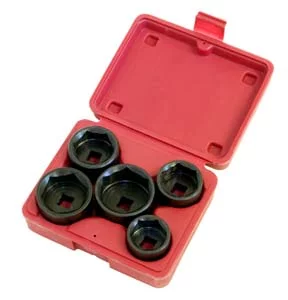
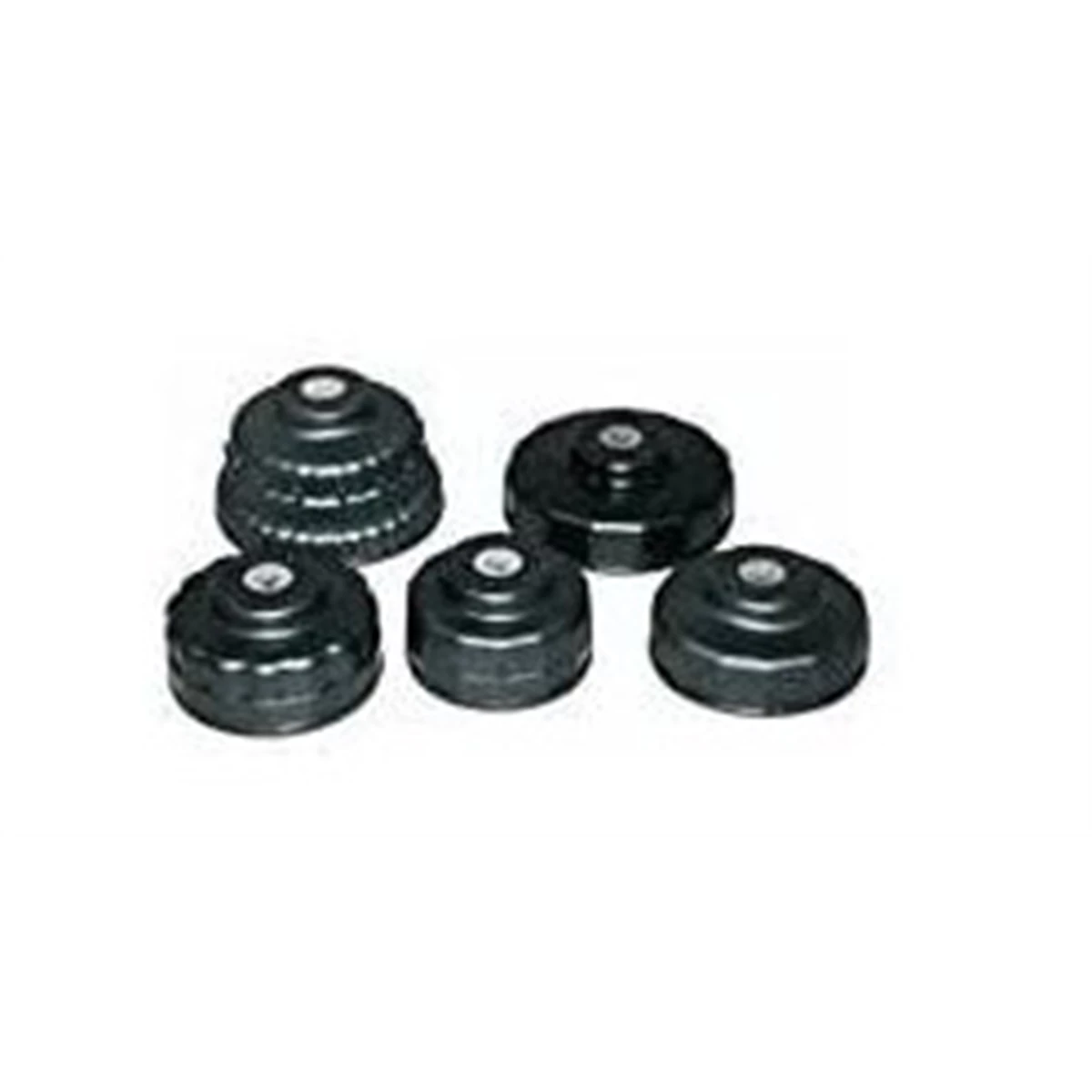
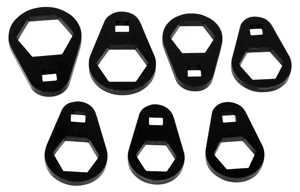
Basic tools: line wrenches, catch pan, shop towels, safety glasses, gloves. Total cost if needed: $20-$40. VCDS software ($199-$399) for VW/Audi enables fuel pump priming but isn’t mandatory—manual priming methods work. VCDS pays for itself after 2-3 dealer visits skipped. Most other vehicles need no specialized software.
Vehicle-Specific Fuel Filter Costs
VW TDI and CP4 Pump
2009-2015 TDI models with CP4 high-pressure pumps require careful fuel filtration. Dealership service: $180-$350. DIY: $30-$40 for quality Mann/Hengst filters. Filters are engine-bay mounted and accessible. VCDS priming has real value here for preventing hard starts and rough running.
Pricing Comparison by Vehicle
| Vehicle | Dealership Cost | DIY Parts | Location | Time |
|---|---|---|---|---|
| RAM 2500 Cummins | $250-$450 | $45-$75 | Frame | 10 min |
| Ford F-150 EcoBoost | $150-$280 | $30-$50 | Frame | 8 min |
| Honda Civic/Accord | $140-$220 | $25-$40 | Engine bay/in-tank | Varies |
| Jeep Wrangler | $160-$250 | $30-$50 | Frame | 12 min |
Price differences reflect labor rate markups, not actual complexity. Diesel trucks get premium rates despite identical mechanical work.
Accessibility by Make
- Excellent: German diesels (VW, Audi, BMW), RAM Cummins, Ford Super Duty—engine bay mounted
- Good: Ford F-150, Jeep Wrangler, Toyota Tacoma—frame-mounted, minimal reaching
- Moderate: Some Honda, Mazda, Subaru—may require removing engine covers
- Poor: In-tank filters requiring fuel tank lowering—dealership recommended unless experienced
DIY Safety: Priming and Cold Start Issues
Air in the fuel system causes hard starts and rough idle. Proper technique prevents these issues.
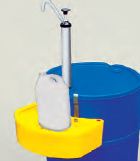
Spillage Prevention
- Work in ventilated area away from ignition sources
- Relieve fuel pressure before disconnecting lines
- Use plastic bags around filter housing to catch residual fuel
- Use fuel-safe drain pan
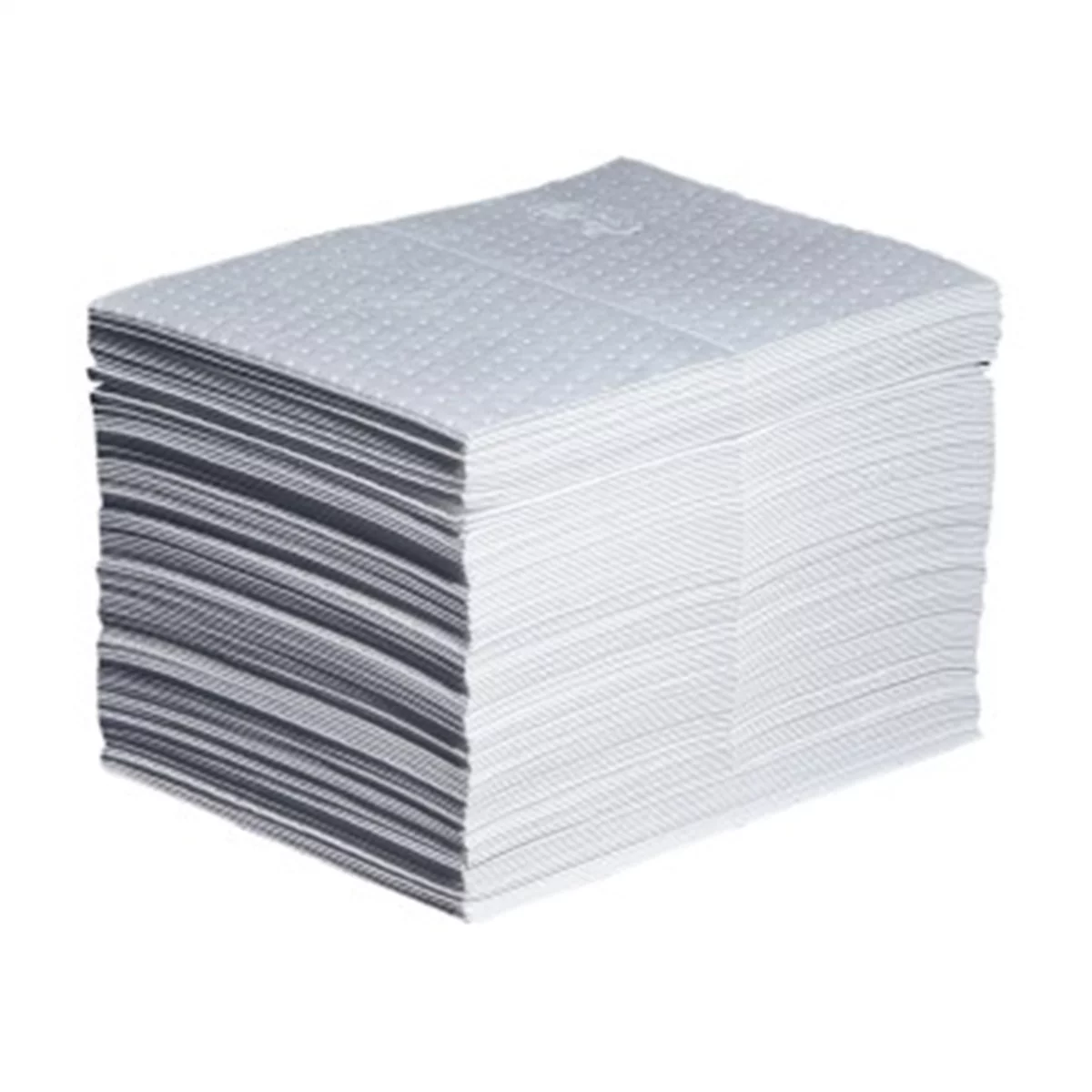
- Have shop towels ready
- Dispose of old filter and materials at hazardous waste facilities
Most DIY jobs produce under 1/4 cup spillage with proper containment. Safety risks are minimal with basic precautions.
Priming Methods Without VCDS
- Key cycling: Turn ignition ON (no start) for 10-15 seconds, OFF for 5 seconds. Repeat 5-8 times. Works for most vehicles.
- Pre-fill: Fill new filter with clean fuel before installation to minimize air.
- Controlled cranking: Crank in 15-second intervals with 30-second rests until start. May take 3-5 cycles for diesels.
Manual priming works effectively without specialized software. Dealerships emphasize priming complexity to justify diagnostic fees.
Troubleshooting
- Extended cranking but starts: Normal—air purges after 30-60 seconds of running
- Rough idle/stumbling: Keep running for 5-10 minutes to purge air
- No start after multiple attempts: Verify filter direction, check for kinked lines, confirm tight connections
- Persistent issues beyond 15 minutes: Recheck installation and part number; seek professional help if needed
Most DIY fuel filter jobs succeed when you follow basic procedures. Air-in-system concerns resolve through patient priming.

When Dealership Service Makes Sense
Warranty Protection
Vehicles under factory warranty or extended contracts often require documented dealership maintenance. For high-value diesels or luxury vehicles where fuel system repairs exceed $5,000-$10,000, paying $200-$300 for documented dealership service protects against future warranty disputes. Some owners value professional service assurance and recourse if problems develop.
Time Value for Busy Owners
For professionals earning $75-$150+/hour, DIY time costs matter:
- Research/parts ordering: 30-60 minutes
- Actual work: 15-30 minutes (first-time DIY)
- Cleanup/disposal: 15-20 minutes
- Total: 1-2 hours
At $100/hour, that’s $100-$200 opportunity cost plus $40 parts = $140-$240, approaching dealership pricing. Paying $250 for completed service while earning billable rates may make economic sense, though long-term DIY capability has value.
Complex Vehicles Requiring Specialized Diagnostics
Dealership service benefits these situations:
- European diesels with sensitive emissions requiring specific resets
- Vehicles with fuel system warning lights needing dealer scan tools
- Models with difficult-to-access filters requiring specialized tools
- Multiple related services (fuel inspection, injector testing)
The NHTSA tracks service bulletins and recalls—dealership visits ensure these are addressed.
Cost Decision Checklist
- ☐ Confirm filter location and accessibility for your vehicle
- ☐ Research specialized tools/software needed (VCDS for VW/Audi)
- ☐ Compare OEM vs. aftermarket pricing from multiple sources
- ☐ Calculate total DIY cost including required tools
- ☐ Get dealership quote with all fees included
- ☐ Review warranty status and maintenance requirements
- ☐ Assess your mechanical skill level
- ☐ Identify safe, well-ventilated workspace
- ☐ Research vehicle-specific priming procedures
- ☐ Plan proper disposal of old filter and materials
- ☐ Set realistic time expectations
- ☐ Decide: one-time DIY or long-term capability?
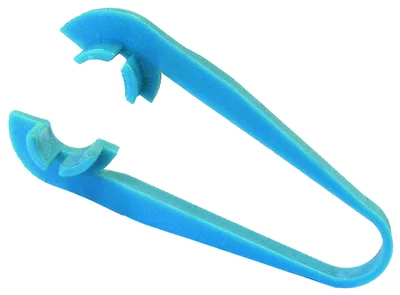
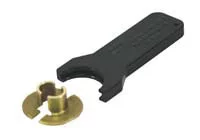
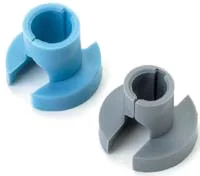
Fuel Filter Disconnect Tool for GM - Assenmacher 8022
Mfg: Assenmacher Specialty Tools
Part #: 8022
FAQ: Fuel Filter Replacement Cost Questions
Is $150+ fair for dealership fuel filter replacement?
Dealership pricing ($150-$300) is market-standard but represents significant markup over actual costs. You pay $40-$80 for parts costing $25-$50 retail, plus $100-$220 labor for 5-15 minutes actual work. The premium covers shop overhead, diagnostic tools, warranty documentation, and convenience. It’s market-rate but not cost-based pricing. Justified for warranty vehicles and owners valuing professional documentation; DIY offers better value for mechanically capable owners.
Can I use non-OEM filters and save money?
Yes. Quality aftermarket filters (Mann, Bosch, WIX, Ryco) meet or exceed OEM specs at 30-50% lower cost. Many OEM filters are actually these brands rebranded. For diesel high-pressure systems, choose premium aftermarket over budget options. For gasoline engines, mid-range aftermarket works fine. The Magnuson-Moss Warranty Act protects your right to use aftermarket parts—warranty voiding requires proof the part caused failure.
Does fuel filter priming actually matter?
Yes, but not as complex as dealerships suggest. Air from filter replacement causes extended cranking, rough starts, and temporary running issues. Manual priming methods (key cycling, pre-filling, controlled cranking) work without expensive software. VCDS and similar tools speed the process but aren’t mandatory. DIY owners successfully replace filters without specialized software daily. Dealerships emphasize complexity to justify diagnostic fees. The real requirement: patience during first start-up.
How often should I replace my fuel filter?
Manufacturer recommendations vary: diesels typically 10,000-30,000 miles, modern gasoline 30,000-60,000 miles or longer. Many newer vehicles have in-tank filters lasting 100,000+ miles. Check your owner’s manual—dealerships often recommend more frequent service than specified. For diesel vehicles with sensitive injection systems, following recommended intervals prevents expensive repairs. For gasoline engines using quality fuel, factory intervals suffice unless using low-quality fuel or dusty conditions.
What are the risks of DIY fuel filter replacement?
Primary risks: fuel spillage (fire hazard near ignition sources), persistent air causing running issues, and leaks from loose connections. These are minimal with basic precautions: ventilated workspace away from heat, proper spillage containment, following vehicle-specific pressure relief and priming procedures, and verifying tight connections before starting. Catastrophic damage is extremely rare—worst-case is temporary inconvenience (extended cranking, rough running) that resolves as air purges. Wrong filter or backward installation causes performance issues but won’t immediately damage modern fuel systems.
Should I replace other fuel system components simultaneously?
For diesels with dual filters, replacing primary (coarse) and secondary (fine) filters together makes sense—labor overlap minimizes additional time. Inspect housings and O-rings; replace if worn to prevent air leaks. Avoid bundled “fuel system cleaning” services—modern fuel injectors on quality fuel rarely need cleaning; these are largely profit centers. Per Consumer Reports, injector cleaning is often unnecessary. Focus on actual filter replacement and verified needs, not questionable preventive treatments.
Fuel System Products & Solutions
Whether you’re changing your fuel filter yourself or taking it to a dealership, having the right tools and replacement parts on hand makes the job easier. Explore our complete fuel system category for everything you need to maintain peak engine performance.
- Fuel Filters: OEM and aftermarket options for all vehicle makes and models
- Fuel Filter Wrenches: Specialized tools to remove filters without spillage or damage
- Fuel System Cleaners: Keep injectors and fuel lines free from deposits and buildup
For the tools in this guide, browse Oil Filter Wrench at Tool Source.

The Toolsource Technical Team blends decades of real-world automotive service experience with up-to-date technical research. Our writers collaborate with professional mechanics, shop owners, and diagnostic specialists to deliver practical, workshop-ready guidance you can trust.


Follow us on social media