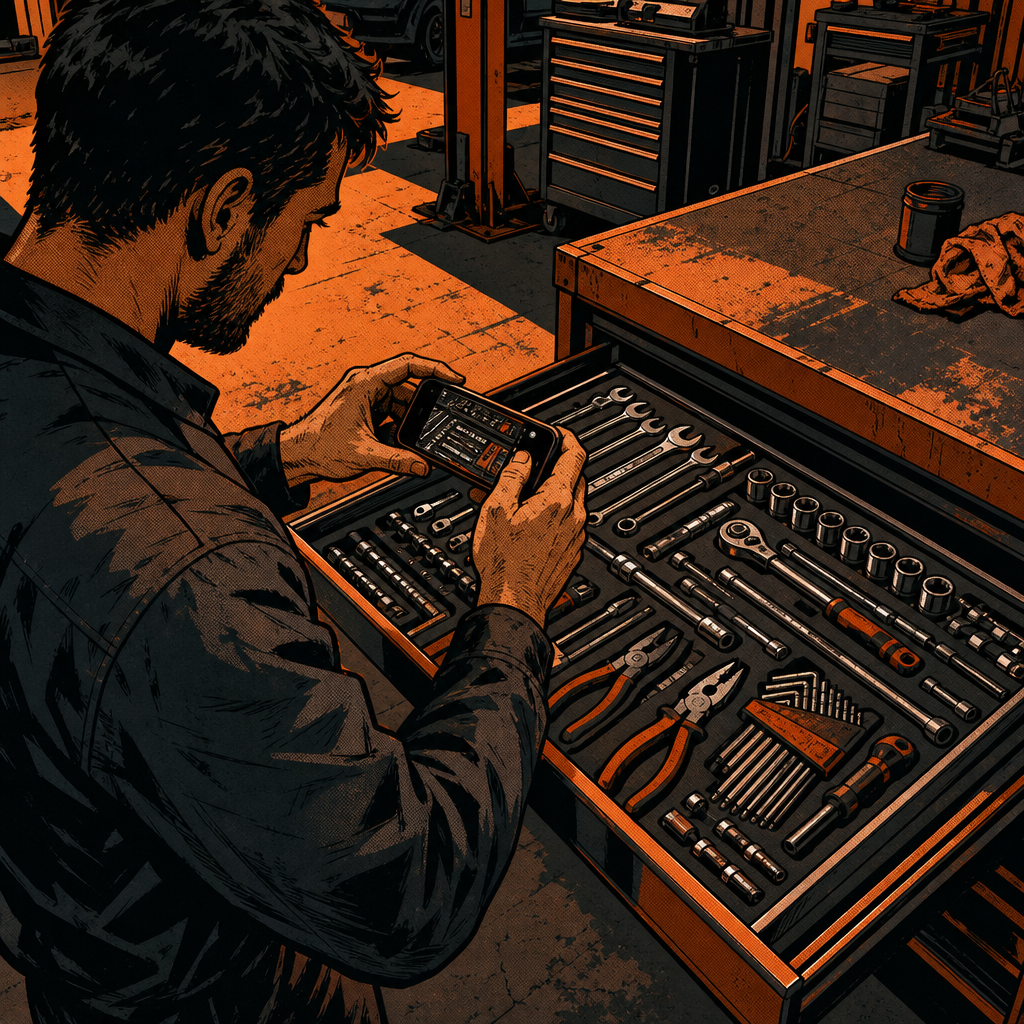
Ownership changes and pay-plan overhauls are two of the biggest disruptions a technician will face in a career, and they often arrive at the same time. Whether it’s a private equity group rolling up independent shops, a dealership group flattening everyone’s pay to a single flat-rate number, or a franchise switching who “owns” the tools in your bay, the outcome for the tech is the same: your income and your property are suddenly at risk if you haven’t documented things ahead of time. None of this is theoretical — techs report walking into a shift to find pay plans rewritten overnight, and others describe being questioned about tools they’ve owned for years the moment they hand in notice. The good news is that most of the risk is preventable with a few habits you can build into your routine starting today.
Understand What Actually Changes in a Buyout
When a shop is acquired — by a regional chain, a franchise group, or a private equity-backed rollup — the operating playbook is usually predictable: standardize pay across skill levels, push everyone toward flat rate, centralize purchasing (including tools and equipment), and add administrative overhead like mandatory photo documentation for every repair order. None of this is inherently illegal, but it can quietly erode two things techs rely on: compensation that reflects experience, and clear ownership of personal tools that get mixed into shop inventory over years on the job.
Before you react to a buyout announcement, get specifics in writing: the new pay structure, the effective date, whether your seniority or certifications factor into the rate, and whether the shop is changing who supplies tools going forward. Verbal assurances from a new general manager don’t hold up later. If the shop won’t put the new terms in writing, treat that as information in itself.
Know the Law on Tool Reimbursement
Several states have specific rules about compensating techs who supply their own tools, and California’s is the one most frequently cited: technicians who provide their own hand tools must be paid at least double the state or local minimum wage, with any earnings above that baseline treated as the performance or flat-rate bonus. This exists precisely because tool ownership represents a real capital investment on the tech’s part — often five figures over a career — and the law recognizes that a shop shouldn’t get the benefit of that investment while paying entry-level wages.
The rule has limits worth knowing. It generally doesn’t require premium-brand tools or power tools like impacts and drivers — an employer can meet the “supplies tools” obligation with basic hand tools and still owe you double minimum wage if you’re using your own set. Many larger shops route around this by supplying built-in, stocked boxes instead — which shifts maintenance and loss liability but also removes ambiguity about what’s “yours.”
Check your state’s labor board site or a local employment attorney for the exact threshold where you work — reimbursement rules vary widely outside California, and some states have no equivalent requirement at all. If you’re being asked to supply tools without any wage floor tied to that requirement, that’s worth flagging before you keep adding to your box.
Document Every Tool You Own — Before You Need To
The most common flashpoint during ownership transitions and departures isn’t the pay plan — it’s a dispute over who owns what in the box. Techs who’ve supplied their own tools for years and mixed them with shop equipment on shared benches are especially exposed. If a shop starts questioning what belongs to it versus what belongs to you, the tech without documentation loses that argument by default, regardless of who’s actually right.
Build a simple ownership record now, not when you’re walking out the door:
- Keep every receipt — digital photos of paper receipts count. Store them in a cloud folder, not just your phone, so they survive a phone loss or a hard reset.
- Photograph or video your full toolbox contents periodically, drawer by drawer, with timestamps.
- Engrave or permanently mark high-value items with your initials or a unique ID, especially pieces that look identical to shop-owned stock.
- Keep a running spreadsheet: item, purchase date, price, serial number if applicable.
- If a shop provides any tools, get a written list of what was issued to you so there’s no ambiguity later about which pieces are shop property.
This isn’t paranoia — it’s the same due diligence you’d apply to any five- or six-figure asset. A ten-minute phone video once a quarter is cheap insurance against a dispute that could otherwise cost you thousands of dollars in tools or a damaged reference from a former employer.
Personal Toolbox vs. Employer-Supplied: Weigh the Real Tradeoffs
Ownership transitions often come with a push toward employer-supplied, shop-stocked boxes. There are real advantages on both sides, and the right call depends on your situation more than any blanket rule.
Employer-supplied boxes remove the wage-reimbursement question, eliminate the risk of losing your investment if the shop closes or you’re let go abruptly, and — when boxes are dedicated per tech rather than shared — reduce the daily friction of hunting for a missing socket across four different toolboxes. The tradeoff is that you generally give up the double-minimum-wage floor tied to supplying your own tools, and you’re dependent on the shop maintaining and replacing worn or broken pieces promptly.
Bringing your own tools keeps you portable — your investment moves with you to the next job — and in states with reimbursement laws, it sets a wage floor independent of flat-rate performance. The tradeoff is exposure: if a shop closes suddenly, changes ownership, or disputes what’s yours, your capital is on the line, not the employer’s.
Neither path is universally better. A tech early in their career building a first set of tools has a different calculus than a 15-year veteran with a six-figure box. Re-evaluate the tradeoff whenever a shop changes hands, since the terms you agreed to originally may no longer apply under new ownership.
Read Pay Plan Changes Before You Sign Off
Flat-rate conversions and “everyone paid the same regardless of experience” pay plans are common moves after a buyout, and they hit master techs and specialists hardest — the plan effectively subsidizes less-experienced techs at the expense of the people who bring the most value to comebacks, diagnostics, and complex jobs. Before agreeing to a new plan:
- Ask how flat-rate hours are calculated and whether the shop has the administrative support (accurate labor guides, timely write-ups) to run flat rate fairly — a shop switching to flat rate without that infrastructure often shorts techs on booked hours.
- Ask whether the plan is mandatory or optional, and get the effective date in writing.
- Model your own numbers against a slow month, not just a busy one — several techs who went flatrate found the plan looked fine until the seasonal slowdown, when guaranteed hourly pay would have protected their income.
- If you’re skilled enough to be productive under flat rate, confirm your experience and certifications are reflected in your per-hour rate, not flattened to match entry-level techs.
Checklist Before an Ownership Change Hits Your Shop
- Photograph/video your entire toolbox and save it off-device
- Confirm all receipts are stored somewhere retrievable, not just in a drawer
- Mark or engrave high-value, easily-confused items
- Get any new pay plan or tool policy in writing before agreeing to it
- Check your state’s tool-reimbursement requirements if you supply your own tools
- Keep a written list of any employer-issued tools separate from your personal inventory

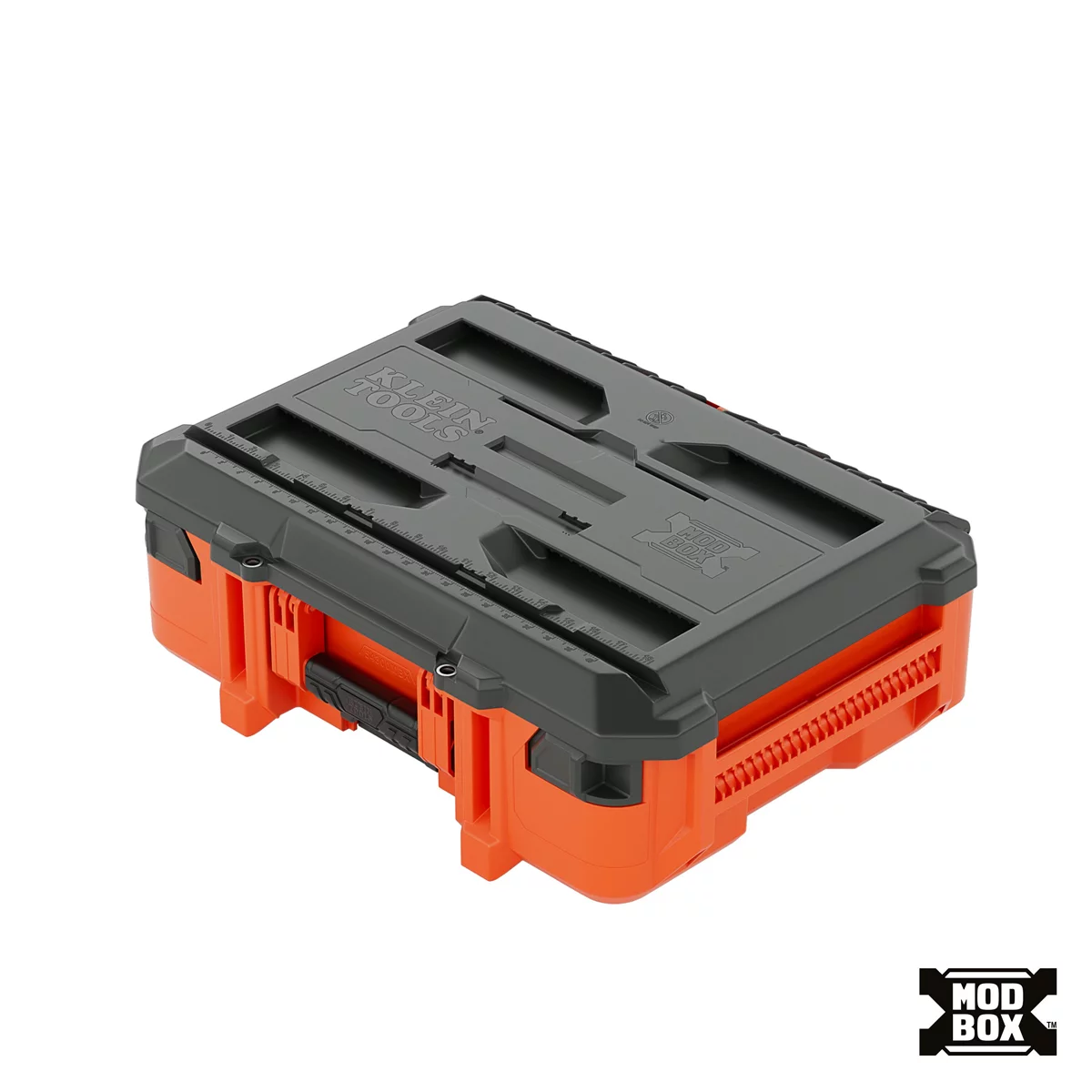
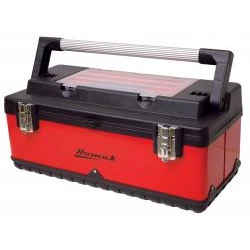
22.5" Red Metal Portable Toolbox with Black Plastic Lid
Mfg: Homak Tool Storage
Part #: RD00122504
Frequently Asked Questions
Do I have to let a shop inspect or inventory my personal toolbox?
Policies vary by employer, but you’re generally within your rights to have your own documentation ready and to request a written record any time a shop wants to verify what’s in your box, especially before or after a change in management.
What if a shop accuses me of taking tools that are actually mine when I quit?
This is exactly the scenario your receipts, photos, and engraved marks are for. Keep copies accessible outside the workplace (cloud storage, personal email) so you’re not relying on anything stored on shop property or a company device.
Does the California double-minimum-wage tool rule apply to power tools too?
Generally no — employers typically aren’t required to supply power tools like impacts or drivers to satisfy the rule, only basic hand tools. If you’re supplying your own hand tools, the double-minimum-wage floor still applies regardless of whether the shop provides power tools.
Should I go flat rate if a new owner offers it?
Run the numbers against a slow month, not a busy one, and confirm the shop has the administrative systems to support accurate flat-rate billing before committing. An optional plan with a fallback to hourly is generally lower risk than a mandatory switch.
Is it worth switching to an employer-supplied toolbox after a buyout?
It depends on your career stage and how much you have invested already. It removes wage-reimbursement questions and ownership disputes, but it also means you no longer control tool quality, maintenance turnaround, or portability if you leave.
How often should I update my tool inventory documentation?
Quarterly is a reasonable baseline, with an extra pass any time you make a major purchase or hear about an ownership change at your shop. It takes minutes and closes the biggest gap techs run into during disputes.
Organize and Protect Your Tools
Proper documentation is only the first step in safeguarding your equipment. A well-organized toolbox with dedicated storage and protection systems makes documenting your tools easier and keeps them in good condition. Browse our Tool Storage selection to find solutions that work with your setup.
- Toolboxes, chests, and cabinets to keep personal tools secure and organized
- Drawer organizers and dividers to prevent damage and make inventory tracking simpler
- Wall-mounted and portable storage options to fit any shop layout

The Toolsource Technical Team blends decades of real-world automotive service experience with up-to-date technical research. Our writers collaborate with professional mechanics, shop owners, and diagnostic specialists to deliver practical, workshop-ready guidance you can trust.


Follow us on social media