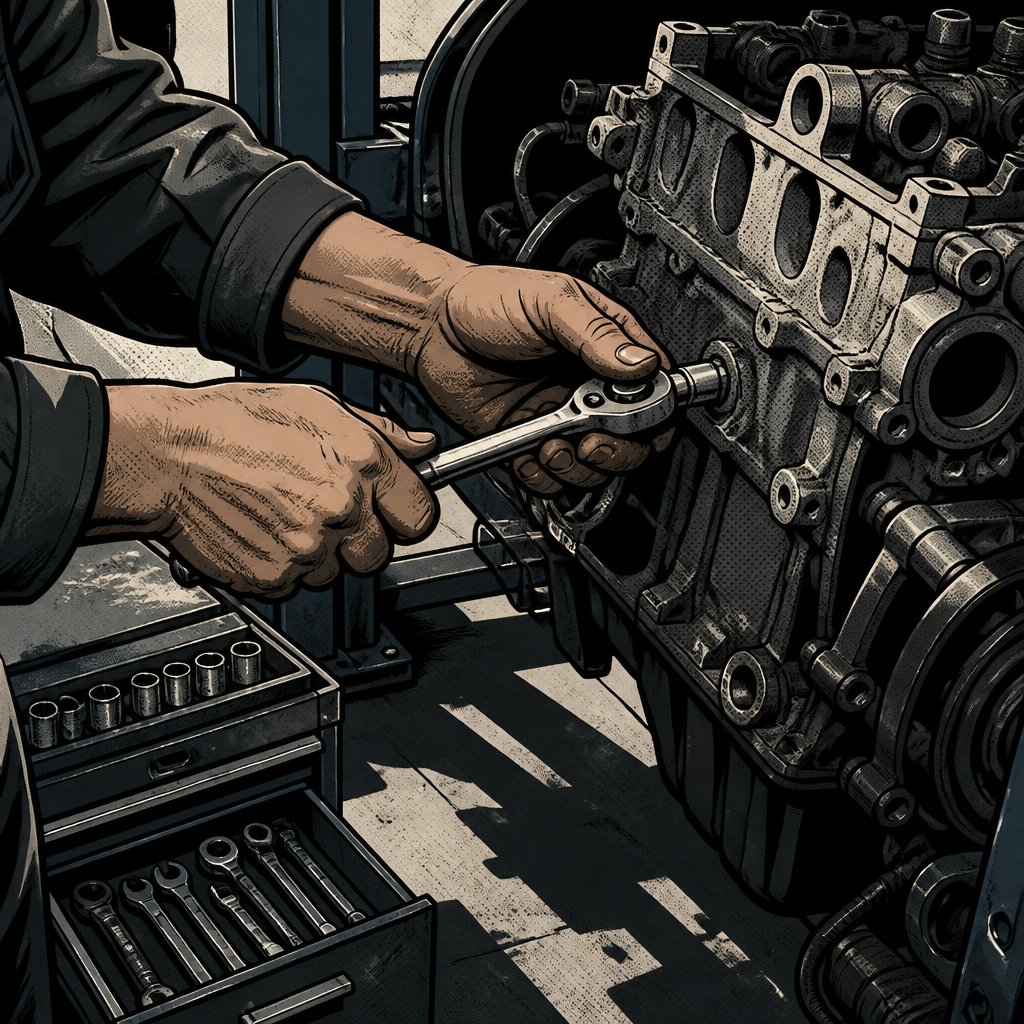
Walk into any shop break room and you’ll eventually hear the same argument: does the brand on your tool box actually say anything about how good a mechanic you are? Working techs who’ve spent decades under the hood have a pretty consistent answer, and it isn’t the one the tool trucks want you to believe. This guide pulls together what experienced technicians actually do when they buy a box — what they prioritize, what they regret, and how they avoid turning a storage cabinet into a decade of debt.
The Toolbox Brand Myth vs. Reality
The idea that a Snap-On box makes you a better tech, or that a Harbor Freight box marks you as a “parts replacer,” gets repeated constantly on shop floors — but it doesn’t hold up. Service managers and foremen consistently say the same thing: they figure out who the good techs are by watching diagnostic work and comeback rates, not by looking at what’s parked next to the lift. Plenty of techs running beat-up Craftsman stacks or old Costco boxes are the go-to person for the hardest jobs in the shop, while some “brand queens” with a fully loaded triple-bank Snap-On box struggle to diagnose anything past a code reader.
That’s not an argument against quality tools — it’s an argument against confusing the box with the tools, and the tools with the skill. A box is storage. It holds sockets, ratchets, and diagnostic equipment organized enough that you can grab what you need without digging. Once it locks securely, rolls smoothly, and has drawers that don’t stick, it’s doing its job. Everything past that is personal preference and, often, sunk-cost justification from techs who are still paying off a loan.
Comparing Your Real Options: Snap-On, Matco, Icon, and Harbor Freight
If you’re shopping new, the field has narrowed in a way that didn’t exist ten years ago. Icon (Harbor Freight’s professional line) now competes directly with tool-truck boxes on build quality — thick steel, smooth soft-close slides, and a solid lifetime warranty — at a fraction of the price. Techs who’ve run both say the difference in day-to-day use is minimal: Snap-On boxes tend to roll a little smoother and the locks turn a bit easier, but that’s a marginal upgrade for a large price gap. US General boxes (Harbor Freight’s step below Icon) have also improved enough that some techs report them feeling more robust than comparable Snap-On models in certain areas.
Matco has its fans too, particularly for its warranty service and specialty items like angle wrenches, and used Matco boxes show up often at reasonable prices. The pattern across all of these comparisons is the same: once you get into the mid-to-high end of any major brand, the functional differences shrink fast, and the price differences don’t.
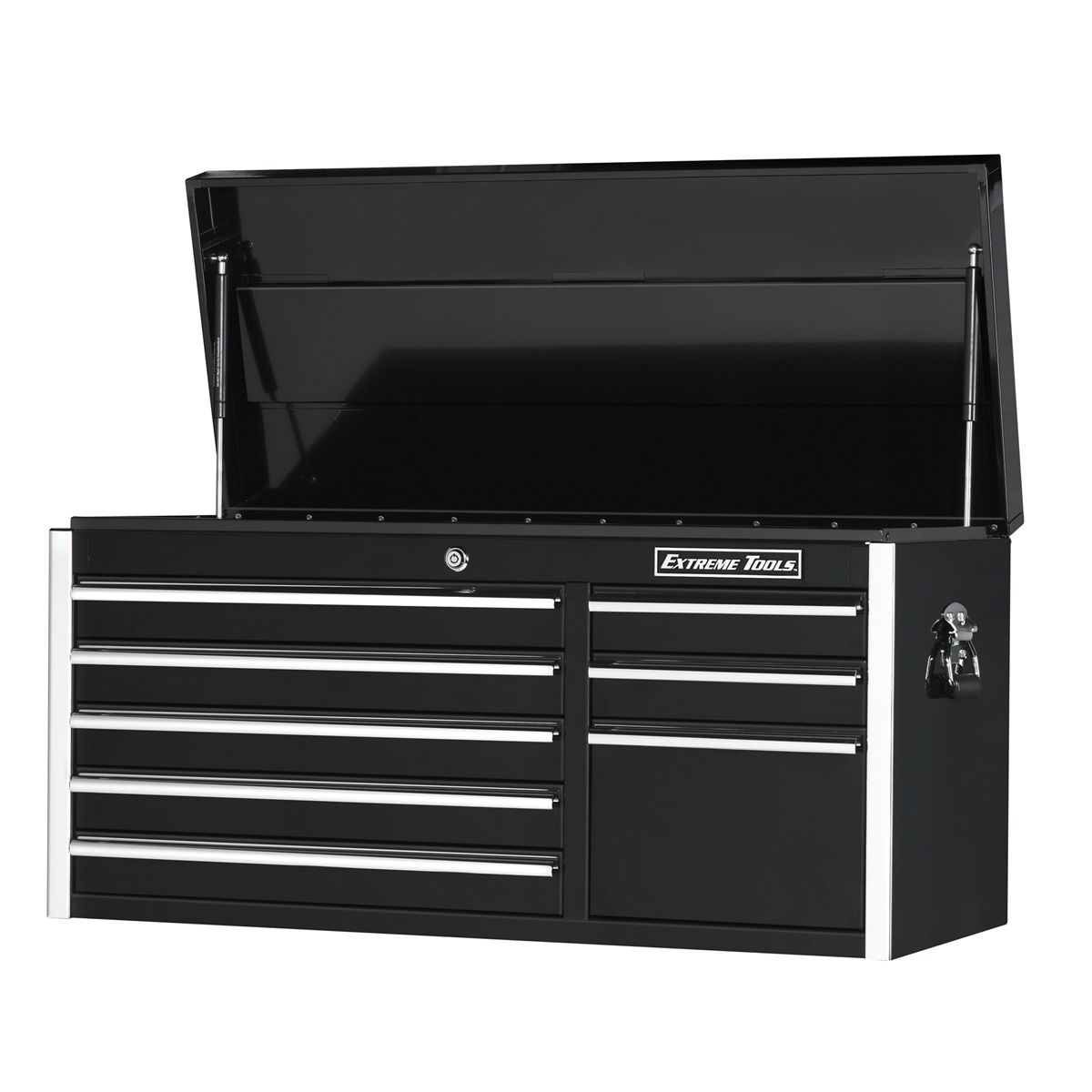
Homak 41" RS Pro 9-Drawer Rolling Tool Chest
Mfg: Homak Tool Storage
Part #: BK04004193
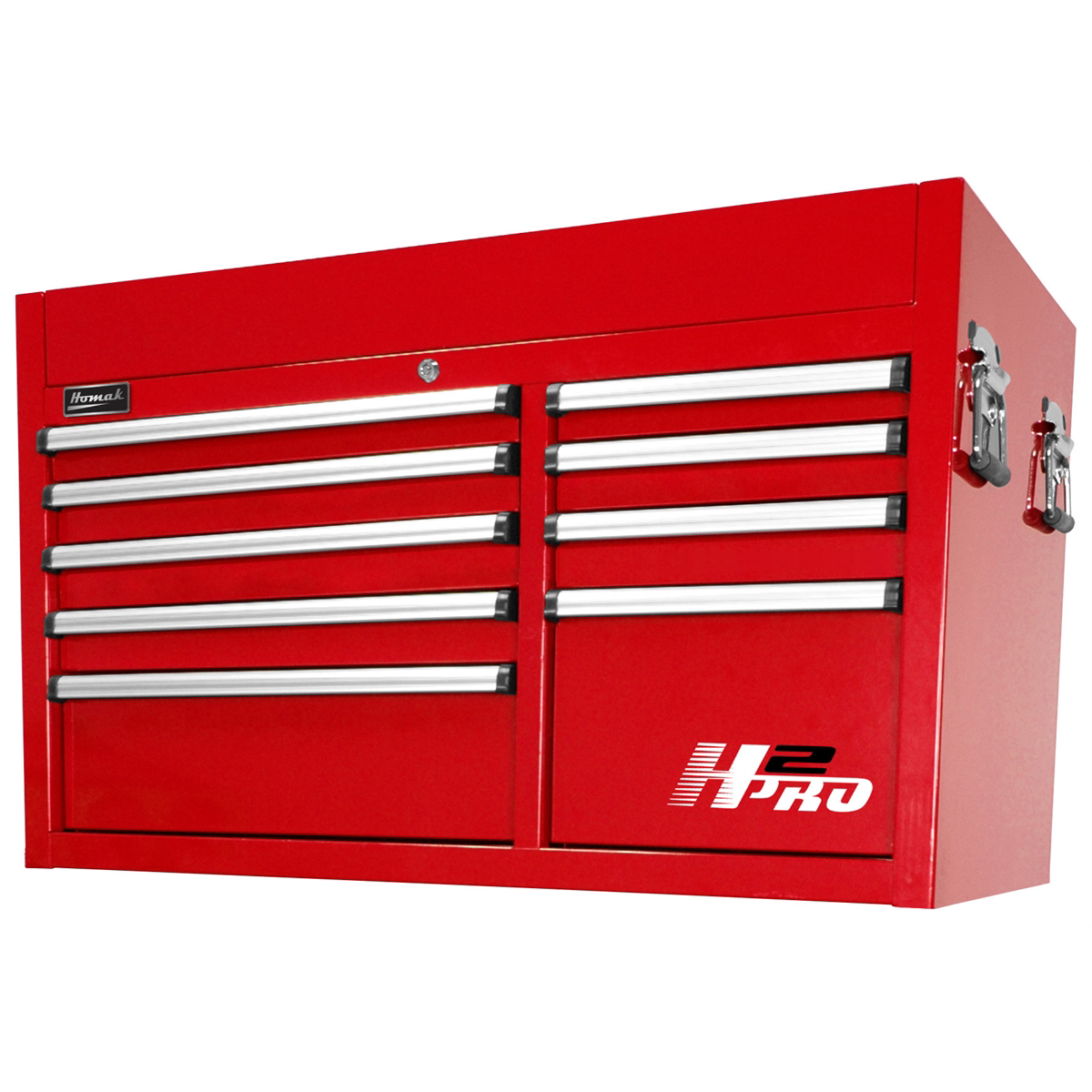
41 Inch H2PRO Series 9-Drawer Top Chest Red
Mfg: Homak Tool Storage
Part #: RD02041091
Why Financing a New Tool Truck Box Is a Bad Bet
The math on new tool-truck boxes doesn’t favor the buyer. Sticker prices are built assuming a 30-50% “deal” off MSRP, which still leaves you paying well above what an equivalent Icon or US General box costs. Worse, many of these boxes get financed through in-house credit at high interest rates, turning a storage cabinet into a long-term liability. Techs who’ve been through it describe watching their $10,000-$15,000 box resell for a fraction of that once they’re ready to retire or change trades — sometimes as little as $2,000. A tool box is not an appreciating asset, and treating it like a status symbol worth financing at high APR is a decision a lot of veteran techs say they wish they hadn’t made early in their careers.
This matters more in a trade where the physical toll is real. Decades of turning wrenches wear down backs and knees, and techs who prioritized retirement savings over box upgrades are the ones who say they’re glad they did. A tool payment doesn’t help you if you can’t work anymore — a Roth IRA does.
Buying Used: Where the Real Value Is
The most consistent advice from working techs is to buy a used tool-truck box rather than a new one. Snap-On, Matco, and Mac boxes hold up extremely well mechanically for decades, and the used market — Facebook Marketplace, shop trade-ins, and repo units offered by tool truck reps — is full of them at 30-50% of new pricing. Because these boxes are built to last, a used unit from a decade ago is often functionally identical to a new one, minus the cosmetic wear. If you do want a name-brand box, this is how experienced techs recommend getting one: let someone else eat the depreciation first.
A few practical notes if you go this route: budget for moving equipment (a scissor lift trailer or at least a few strong friends and a ramp — these boxes are heavy), inspect the drawer slides and locking mechanism in person before buying, and ask your tool truck rep about trade-in credit if you’re upgrading from a starter box. Reps have more flexibility on used and demo units than the sticker price suggests, especially if you’re a repeat customer.
Prioritizing Tools Over the Box
Every experienced tech interviewed on this topic lands on the same principle: the tools inside the box matter far more than the box itself. A cheap box full of quality tools beats an expensive box full of mediocre ones every time. This is also where it makes sense to mix brands strategically rather than committing to one label. Buy premium where precision and durability actually matter — ratchets, torque wrenches, specialty pliers, anything that sees stripped bolts or rounded fasteners — and buy budget where it doesn’t, like basic hand tools, wiper fluid, or shop consumables. Several techs specifically call out higher-tooth-count ratchets from budget-friendly lines as functionally superior to some name-brand equivalents, and note that cheap sockets are actually preferable for jobs where you’ll be grinding or modifying a tool to fit — nobody wants to sacrifice a $40 Snap-On socket to a stripped bolt.
Building a Kit Without the Debt
For newer techs especially, the recommended path is incremental: start with a smaller, inexpensive box — used or entry-level — and fill it with a mix of quality and budget tools as jobs demand them. Upgrade the box later, once you know your layout preferences and have the cash or trade-in equity to do it without financing. This avoids the common regret pattern: buying a large, expensive box early in a career, then realizing years later that a smaller or different brand box would have covered 90% of the same function for a third of the cost.
Tool Box Buying Checklist
- Confirm the box locks securely and drawers glide without sticking under load
- Compare Icon/US General against name-brand tool-truck pricing before committing new
- Check the used market first — Facebook Marketplace, shop trade-ins, repo units
- Avoid high-APR in-house financing; pay cash or use a 0% promotional period only
- Prioritize tool quality over box brand for anything precision-critical
- Size the box to your actual tool count, not your aspirational one
- Ask your rep about trade-in value before assuming a box has none
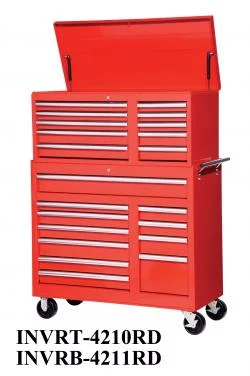
42 Inch 11 Drawer Cabinet w/ Ball Bearing Slides - Red
Mfg: International Tool Boxes
Part #: VRB-4211RD
Frequently Asked Questions
Does a Snap-On box actually make you a better mechanic?
No. Shop managers and senior techs consistently say diagnostic skill, comeback rate, and work quality are what get noticed — not the brand on the toolbox. Plenty of top techs run budget or used boxes.
Is Icon actually comparable to Snap-On or Matco?
For general-purpose tools and boxes, most techs report Icon is functionally very close to tool-truck brands, with thick steel construction and a strong lifetime warranty, at a significantly lower price. The gap narrows further with US General’s improved lineup.
Should I finance a new tool truck box?
Generally not recommended. New pricing already assumes a built-in “discount,” in-house financing often carries high interest, and boxes lose most of their value on resale. Buying used avoids both problems.
What’s the best way to find a used name-brand box?
Facebook Marketplace, shop trade-ins, and tool truck reps’ repo or demo inventory are the most commonly cited sources. Inspect drawer slides and the locking mechanism in person before buying.
Where should I actually spend more money — the box or the tools?
The tools, specifically ratchets, torque wrenches, and specialty items that see high stress or precision work. The box just needs to lock, roll, and organize reliably.
Is it worth mixing budget and premium tool brands?
Yes — many experienced techs deliberately do this, using premium tools for stripped-fastener or precision work and budget tools for general use or jobs where a tool might get modified or sacrificed.
Shop Tool Storage Solutions
Whether you’re building your first kit or upgrading from a used find, the right tool storage setup matters. Explore professional tool boxes and storage cabinets to compare build quality, drawer performance, and warranty coverage across multiple brands and price points.
- Professional-grade tool boxes and chests from trusted brands
- Compact starter boxes for building a kit incrementally
- Heavy-duty cabinets and storage solutions for multi-bay shops

The Toolsource Technical Team blends decades of real-world automotive service experience with up-to-date technical research. Our writers collaborate with professional mechanics, shop owners, and diagnostic specialists to deliver practical, workshop-ready guidance you can trust.


Follow us on social media