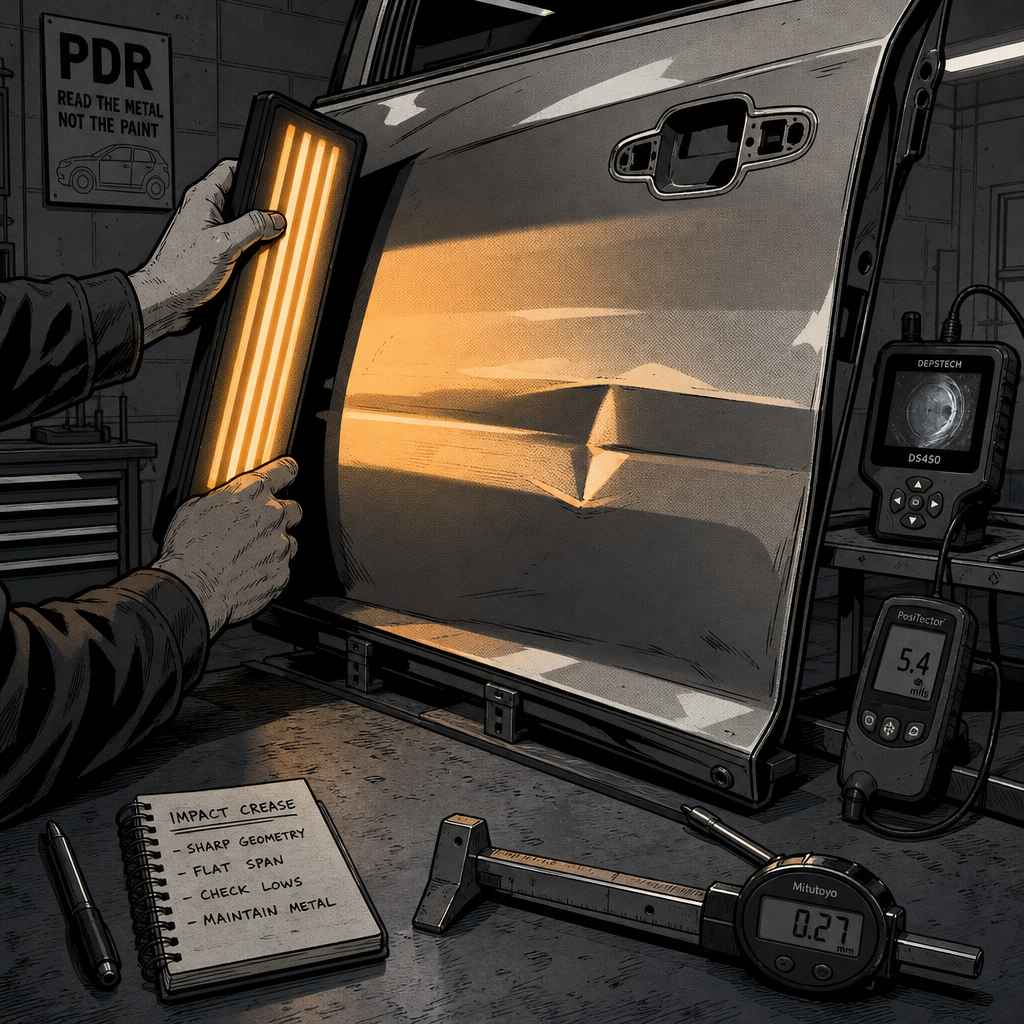
Not every dent on a door skin tells the same story, and reading it correctly up front saves a lot of comeback headaches. A dent from a knee, a boot heel, a shopping cart, or a low-speed bumper tap each deforms sheet metal differently, and those differences dictate whether paintless dent repair will hold, whether the panel needs filler and paint, or whether the customer needs documentation for an insurance claim or police report. This guide walks through how to assess door skin damage systematically, the tools that make that assessment faster, and when to escalate beyond PDR.
Start With Dent Morphology, Not Assumptions
Before pulling out a whale tail or glue tab, spend two minutes just looking at the shape of the damage. Door skins are thin, unsupported panels compared to structural areas like rocker panels or A-pillars, so they deform easily and telegraph the exact shape of whatever hit them. A few patterns come up constantly in the field:
- Rounded, domed dents with a slight upward push are consistent with a knee strike — the kneecap contacts low and drives up and in, often leaving a smoother, less defined edge than a footwear impact.
- Dents with a flatter, more geometric outline, sometimes with a faint tread pattern or scuff, point to a kick or stomp. Footwear almost always leaves some transferred residue — rubber marks, dirt, or a partial sole outline — even if it’s not obvious under shop lighting.
- Dents at consistent height across multiple panels or vehicles suggest a single point of contact repeated in the same stance — same assailant, same technique, same approximate force. If two vehicles parked side by side show near-identical dents at the same height, that’s a strong indicator of one person working down a row rather than coincidence.
- Long horizontal creases or dents that look “pushed forward” are more consistent with contact damage — a door left ajar and struck by another vehicle, a trailer, or a loading dock bumper — rather than a strike from a person.
None of this is forensic-grade analysis, but it’s enough to guide the repair conversation and to tell a customer whether their story about “it just appeared in the parking lot” lines up with what the metal is showing you.
Tools for Confirming Depth, Access, and Repairability
Once you have a working theory on cause, the next step is confirming whether the damage sits in PDR territory. That means checking depth, sharpness of the crease, and paint condition, not just eyeballing the dent from three feet away.
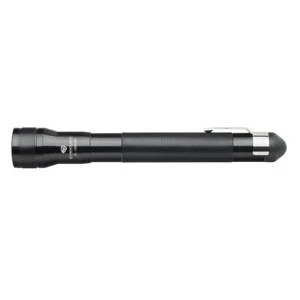
- A dent reflector board or PDR light lets you see the true contour under raking light — critical for door skins where ambient shop light hides secondary ridges.
- A depth gauge or dent measurement tool gives you an objective number to compare against your shop’s PDR cutoff (commonly around the size and depth where the metal has stretched past its elastic limit).
- An inspection mirror and borescope help you check for access behind the door skin — inner reinforcement, wiring harnesses, and window regulator hardware can block glue-pull or rod access on the inside.
- A magnet or coating thickness gauge confirms whether the panel already has filler from a prior repair, which changes your approach entirely since PDR won’t hold on top of old filler.
Sharp creases, cracked paint, or any sign the metal has work-hardened at the point of impact are your signal that push/pull PDR techniques alone won’t fully resolve the dent — you’re moving toward hybrid glue-pull with filler skim-coat, or conventional bodywork.
Paintless Dent Repair on Door Skins: What Actually Works
Door skins are generally PDR-friendly because they’re a single, thin, unsupported sheet — ideal for glue-pull and rod-access techniques as long as paint hasn’t cracked. A few practical points that come up repeatedly on knee and kick dents specifically:
- Because these dents are pushed in and slightly stretched, plan for a two-stage pull: a coarse pull to bring the bulk of the dent out, then fine tapping with a body-line tool to chase any remaining low spots along the door’s factory crease.
- Work from the outer edge of the dent inward. Attacking the center first on a domed knee-strike dent tends to overcorrect and leave a slight high spot (“oil can” effect) that pops in and out under thumb pressure.
- Check the window channel and belt line molding before you start. Door skins with a strike near the beltline often have the dent partially trapped under trim, and pulling without releasing the trim clips first will tear the panel gasket.
- If there’s any paint cracking at the deepest point — common on sharper kick or stomp dents where a shoe edge concentrated force — flag it for the customer as a hybrid repair. PDR gets the metal back to contour, but the cracked clear coat needs a color-matched touch-up or blend to avoid future corrosion at that spot.
When to Escalate to Panel Repair or Replacement
Not every door dent belongs in the PDR bay. Escalate to conventional bodywork or panel replacement when you see any of the following:
- Metal that has stretched enough that it won’t return to its original contour without filler — this is common with deep, high-force knee dents where the point of contact went past the panel’s elastic range.
- Damage near a door’s structural reinforcement beam, hinge mounting points, or the window regulator track, where PDR access tools risk further deforming supporting structure.
- Multiple overlapping impacts on one panel, which is common if a door was struck more than once in the same incident — overlapping stress points make it very hard to chase all the metal back to flat without introducing new low spots.
- Any crease sharp enough to have work-hardened the steel; hammering or pulling work-hardened metal repeatedly risks cracking rather than reshaping it.
In these cases, set expectations with the customer early. A quick PDR quote that turns into a filler-and-paint job after the panel is stripped is the fastest way to lose trust, even if the extra work is genuinely necessary.
Documenting Damage for Insurance Claims or Police Reports
When damage looks intentional — matching dents across multiple vehicles, consistent height and force, or an obvious footwear/knee pattern — customers often want documentation for a police report or a comprehensive insurance claim. A few things make that documentation more useful:
- Photograph the dent straight-on, at an angle with raking light to show contour, and with a tape measure or coin in frame for scale.
- Note the height of the dent from the ground on the vehicle, and repeat this on any other affected vehicles — matching heights across multiple cars is a meaningful data point for a claims adjuster or investigator.
- Photograph any residue: shoe tread marks, rubber transfer, or scuffing are often visible under angled light even when not obvious to the naked eye, and they can support a vandalism claim versus an “unknown cause” designation that some policies handle differently.
- Check the door frame and roof edge near the dent for smudges or prints if the customer intends to involve police — advise them not to wipe these areas down before an officer or insurance adjuster has a chance to look, even though many departments won’t process prints for a property-damage-only case.
- Write up your professional assessment in plain language on the estimate: “damage pattern consistent with a single point-of-contact impact, non-metallic, contact height approximately 24 inches from ground” reads far better on a claim than “dented door.”
Quick Reference Checklist
- Examine dent shape: domed/rounded (knee) vs. flat/creased (kick or object) vs. elongated push (contact/collision)
- Check for tread, rubber, or paint transfer residue under raking light
- Measure depth and check for paint cracking or work-hardened creases
- Confirm inside access is clear of wiring, regulator hardware, and reinforcement beams
- Decide PDR vs. hybrid vs. full panel repair before quoting
- Photograph and measure damage height/scale if the customer needs documentation
FAQs
Can PDR fully fix a knee or kick dent on a door?
In most cases yes, as long as the paint hasn’t cracked and the metal hasn’t stretched past its elastic limit. Deep, sharp-edged impacts sometimes need a hybrid approach with a small filler skim-coat over an otherwise PDR-pulled panel.
How can I tell a kick from a knee strike on a door skin?
Kicks tend to leave flatter, more defined edges and sometimes faint tread or rubber residue. Knee strikes usually produce a smoother, rounder, more domed dent with a slight upward push, since the kneecap contacts lower on the panel and drives up and in.
Why do two vehicles parked next to each other sometimes have nearly identical dents?
Matching height, shape, and force across adjacent vehicles usually indicates one person using the same stance and technique on each door in sequence, rather than coincidence or separate unrelated incidents.
Should I recommend the customer contact police for a dented door?
That’s the customer’s call, but if the pattern looks intentional and matches damage on other vehicles, documenting it (photos, measurements, residue) supports both a police report and an insurance claim, even if departments don’t always process prints for property damage alone.
Does a thin door skin mean the damage is worse than it looks?
Not necessarily worse, but it does mean relatively low force can produce a surprisingly deep dent, since door skins are unsupported single-layer panels compared to structural areas of the vehicle.
Can a door left ajar get dented by the vehicle’s own rear door?
Yes — if a front door is open at an angle, a rear door swinging open or shut can strike it, producing a dent that looks like external damage but is actually self-inflicted. Check hinge geometry and door-check detents before assuming third-party contact.
Shop Paint & Body Tools
Diagnosing and repairing door skin damage effectively requires the right measurement, inspection, and repair tools. Our Paint & Body selection carries the specialized equipment covered in this guide—from PDR inspection lights and depth gauges to glue-pull systems and finish-checking tools for both initial assessment and repair work.
- Dent measurement and assessment tools—depth gauges, reflector boards, and raking lights
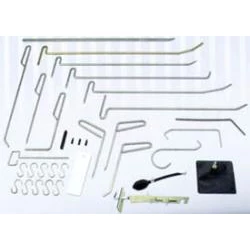
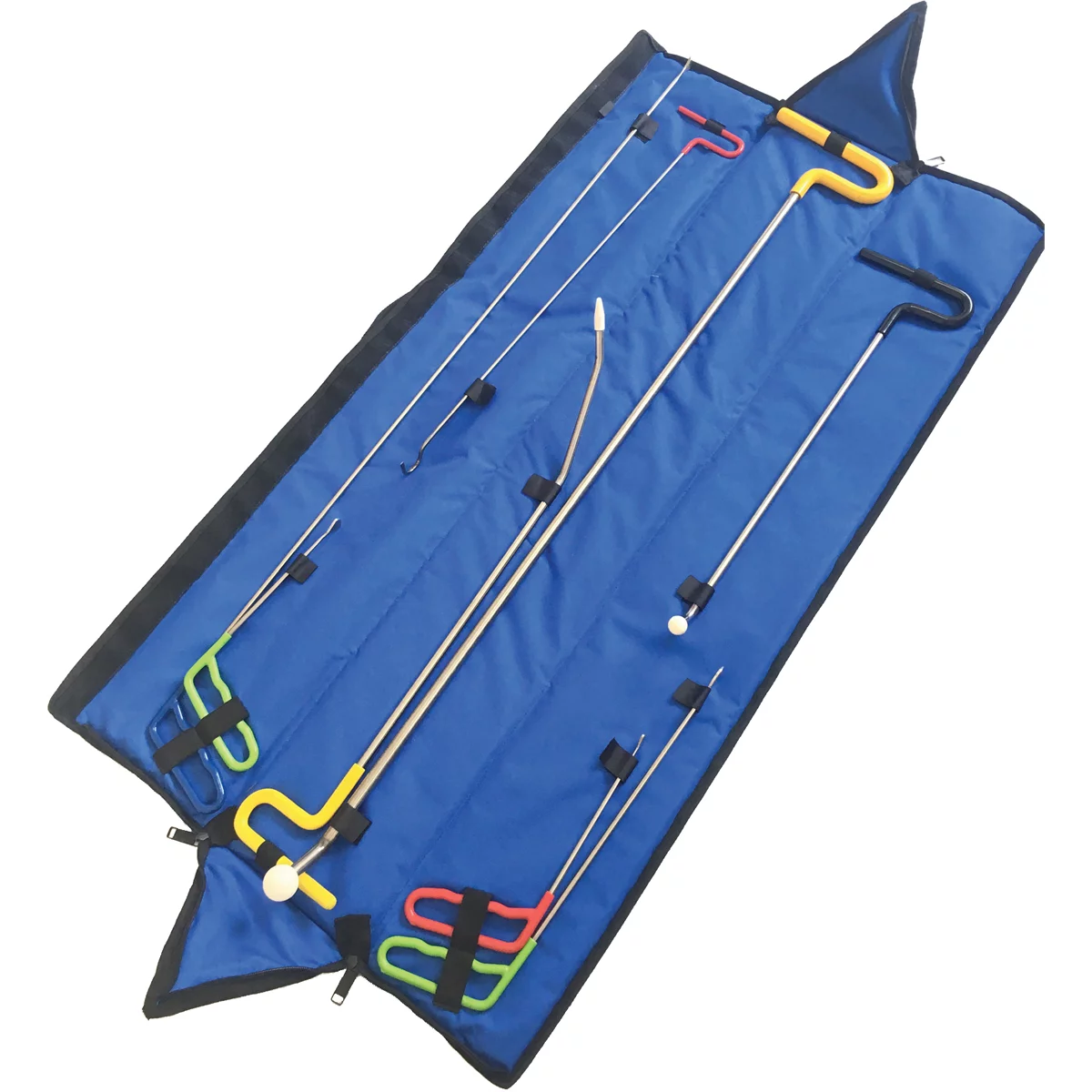
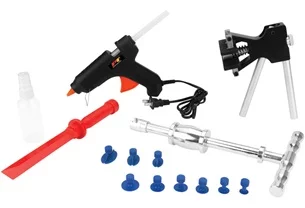
- PDR glue-pull kits and access tools—whale tails, glue tabs, rods, and slide hammers
- Inspection equipment—mirrors, borescopes, and coating thickness gauges

The Toolsource Technical Team blends decades of real-world automotive service experience with up-to-date technical research. Our writers collaborate with professional mechanics, shop owners, and diagnostic specialists to deliver practical, workshop-ready guidance you can trust.


Follow us on social media