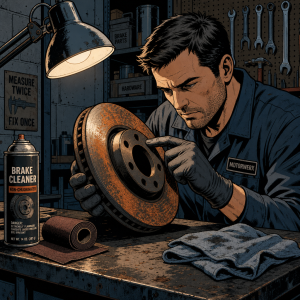
New Rotors Show Up Rusty? A Tech’s Guide to Surface Rust vs. Real Trouble
New rotors covered in orange surface rust panic a lot of customers, but it’s usually normal for bare cast iron. Here’s how to inspect, clean, bed in, and know when a rotor actually belongs in the return pile.
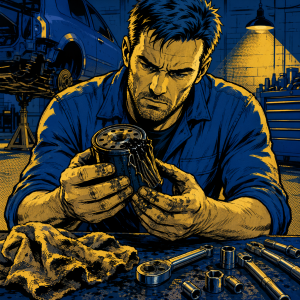
What to Do When Your Oil Filter Fails During an Oil Change
When an oil filter isn’t seated properly or gets double-gasketed, your engine can dump multiple quarts of oil in under a minute. While the engine itself can usually survive brief low-oil events, the real danger lies in what happens next—oil-soaked insulation, contaminated belts, and potential fire hazards that can manifest hours or even days later.
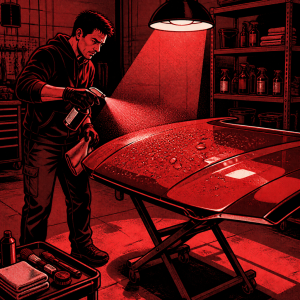
Spray Sealants, Wheel Ceramic Coatings, and Water Spots: A Detailer’s Field Guide
Spray sealants and ceramic boosters have become a staple in fast, effective detailing workflows, but understanding what they actually do—versus what they’re marketed to do—separates guesswork from repeatable results. This guide breaks down pre-wash chemistry, wheel coating performance, and practical water-spot diagnostics for working technicians.
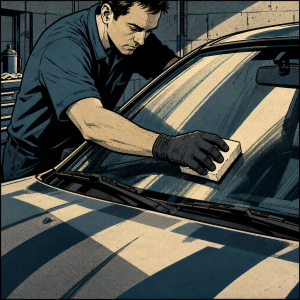
How to Remove Windshield Film and Haze: A Technician’s Cleaning Guide
Customers complaining about a hazy, streaky windshield almost never need new glass — they need a proper deep clean. This guide walks through diagnosing film type, the right cleaning sequence, when to polish, and how to apply a rain repellent so it doesn’t turn into the next problem.
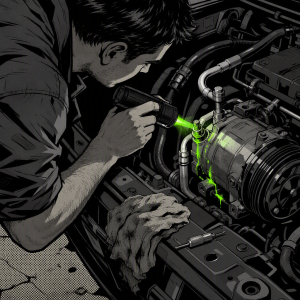
Diagnosing AC Comebacks: Why Systems Leak Again After a “Completed” Repair
AC comebacks are almost always traceable to a rushed vacuum test or an overlooked Schrader valve — not a mystery leak. This guide walks through the diagnostic sequence that prevents a car from leaving the bay blowing warm air again.
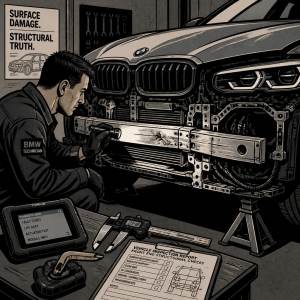
Why Luxury Cars Total Out So Fast: A Technician’s Guide to Hidden Damage and Accurate Estimates
A fender bender that turns into a $12,000 repair bill isn’t always a mistake — it’s usually what’s hiding behind the bumper. Here’s how to build a teardown estimate that catches subframe, sensor, and steering damage before the insurance company does the math for you.
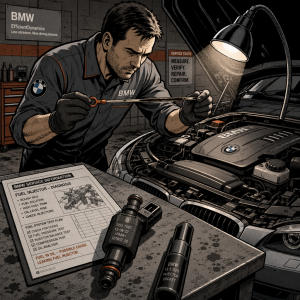
BMW Injector Coding and Engine Failure: What Technicians Need to Know
Modern BMW engines require precise injector coding to match flow rates and prevent diagnostic headaches. When shops skip this critical step or misdiagnose fuel-related failures, the results can range from check engine lights to catastrophic engine damage—and expensive liability claims.
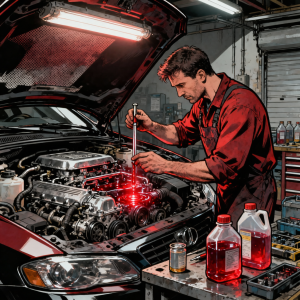
How to Check Transmission Fluid: Hot vs Cold
Learn the proper procedure for checking transmission fluid, including the critical hot vs. cold temperature debate, gear shifting rituals, and what to do when your vehicle doesn’t have a dipstick. This guide resolves common confusion about engine running vs. off and provides manufacturer-specific insights.
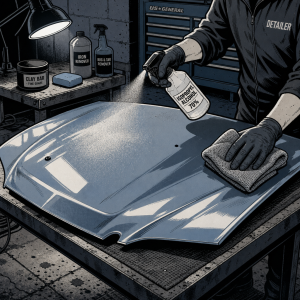
Ceramic Coating vs. Sealant: How to Read Independent Testing Without Getting Burned
Independent product testing videos are a great starting point for choosing paint protection products, but they’re frequently misread — sealants get lumped in with true ceramic coatings, and cure-time shortcuts skew results. Here’s how to separate the signal from the noise and apply products correctly the first time.
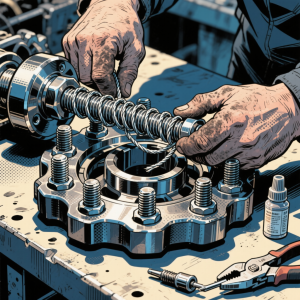
Safety Wire Installation on Ring Gear Bolts: A Technician’s Guide to Proper Lockwire Technique
Safety wire (lockwire) prevents critical fasteners from backing out under vibration and high torque. This guide covers proper installation technique, twist-per-inch specifications, and common mistakes when securing ring gear bolts in high-performance differentials.


Follow us on social media