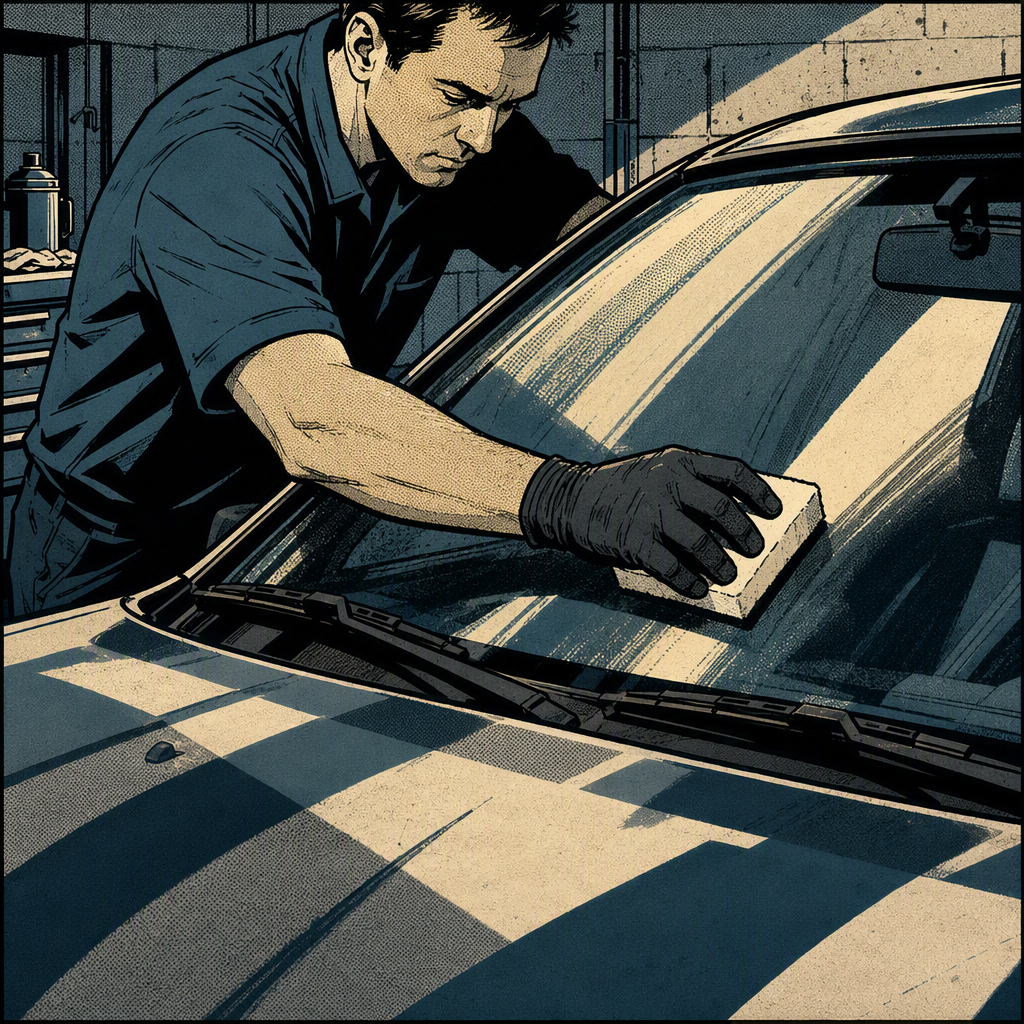
A hazy, streaky windshield is one of the most common comebacks in a service bay, and it’s rarely a glass problem — it’s a contamination problem. Road film, exhaust residue, tire off-gassing, and failed rain-repellent coatings all build up on glass in ways a quick spray-and-wipe won’t touch. Technicians who treat every hazy windshield the same way end up chasing the same complaint every few months. The fix is to diagnose what’s actually on the glass, use the right process to remove it, and then decide whether a protective coating makes sense for that customer’s driving conditions. Here’s a practical, shop-tested approach.
Diagnose the Film Before You Touch the Glass
Not all windshield haze is the same, and using the wrong method wastes time or damages trim and rubber. Run your gloved finger across a dry section of glass — if it feels gritty or rough, you’re dealing with embedded mineral deposits or airborne contamination bonded to the surface, and soap alone won’t remove it. If the glass feels smooth but smears into a rainbow-ish oily streak when you breathe on it or hit it with water, that’s an oil film from exhaust fumes, road tar, or a degraded factory or aftermarket coating. Interior haze is a separate issue entirely — it’s usually plasticizer off-gassing from the dash and door panels, or in some vehicles, resin residue, and it needs a different cleaner than the outside of the glass.
Spend the extra two minutes on this step. Diagnosing wrong means either under-cleaning (customer comes back in a month) or over-scrubbing glass and rubber trim that didn’t need it.
The Deep-Clean Procedure That Actually Works
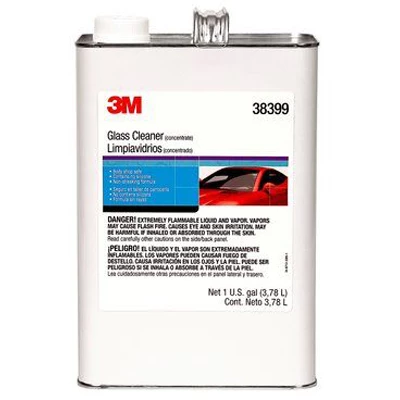
Body Shop Clean-Up Glass Cleaner Concentrate, 1 Gallon
Mfg: 3M Automotive
Part #: 38399


For most oil-film and general road grime cases, this sequence has the best track record for cutting through buildup without damaging paint, rubber, or wiper mechanisms:
- Wash the glass first with a dish-soap solution (dish soap is a stronger degreaser than most dedicated glass cleaners) to strip loose grime and cut surface oil.
- Follow with an isopropyl alcohol wipe-down (70% or higher) to remove residual oils and any leftover coating breakdown. Let it flash off completely before the next step.
- For stubborn film, use a melamine foam pad (generic “magic eraser” material) with light pressure — it won’t scratch glass the way an abrasive pad can, but it lifts bonded grime that soap alone leaves behind.
- Finish with a proper alcohol-based automotive glass cleaner. Avoid ammonia-based household glass cleaners near tinted windows or if the vehicle has a rain sensor with a gel pad — ammonia can degrade both.
If the customer’s daily commute is highway-heavy or in a high-diesel-traffic area, expect to repeat this every 3-6 months. That’s normal wear, not a failed repair.
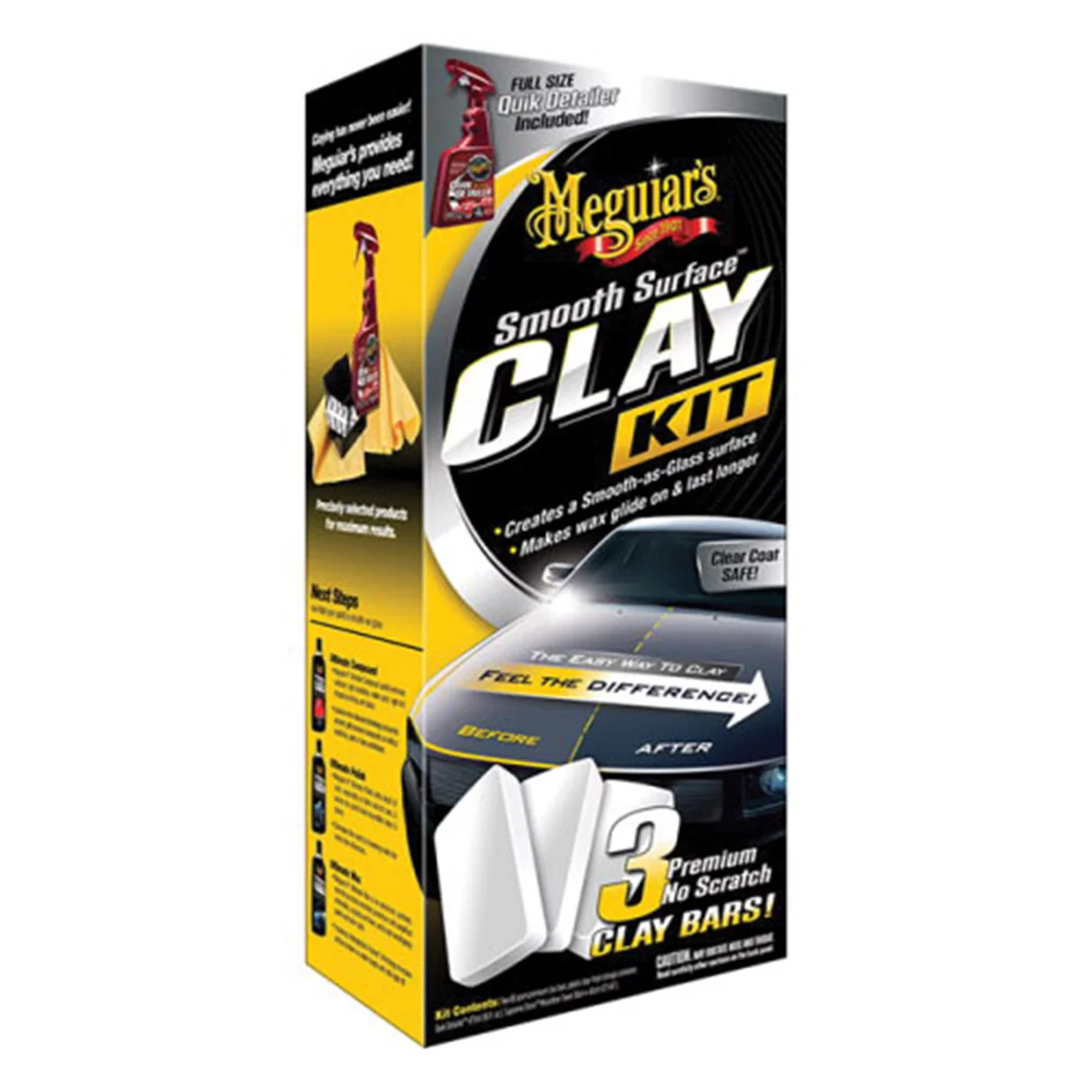
Smooth Surface G191700 Clay Kit, 60 g Clay Bar, 16 oz Quik Detailer Clay Bar, Light Blue, Liquid
Mfg: Meguiars
Part #: G191700
ID: 423524
When Embedded Contamination Needs Polishing or a Clay Treatment
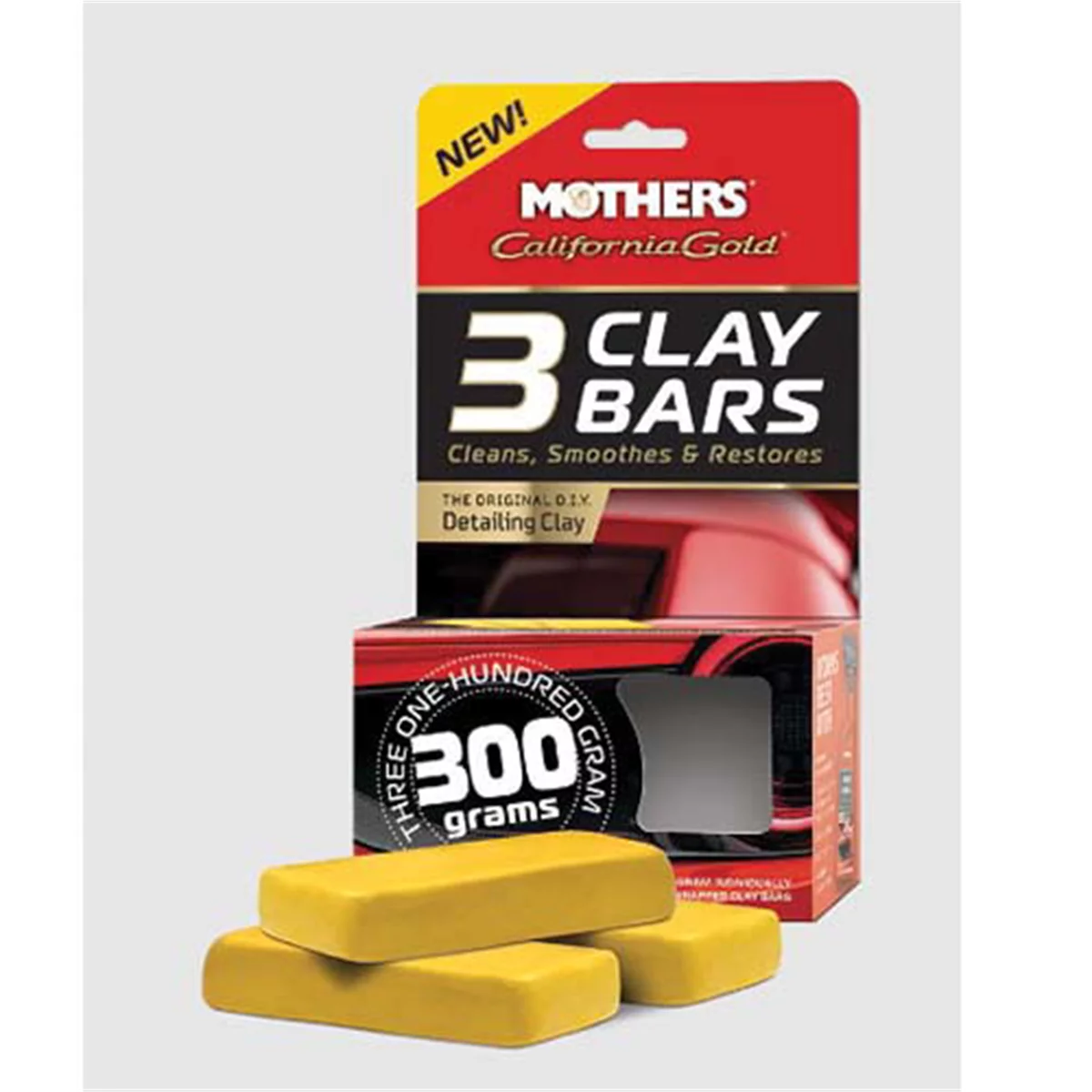
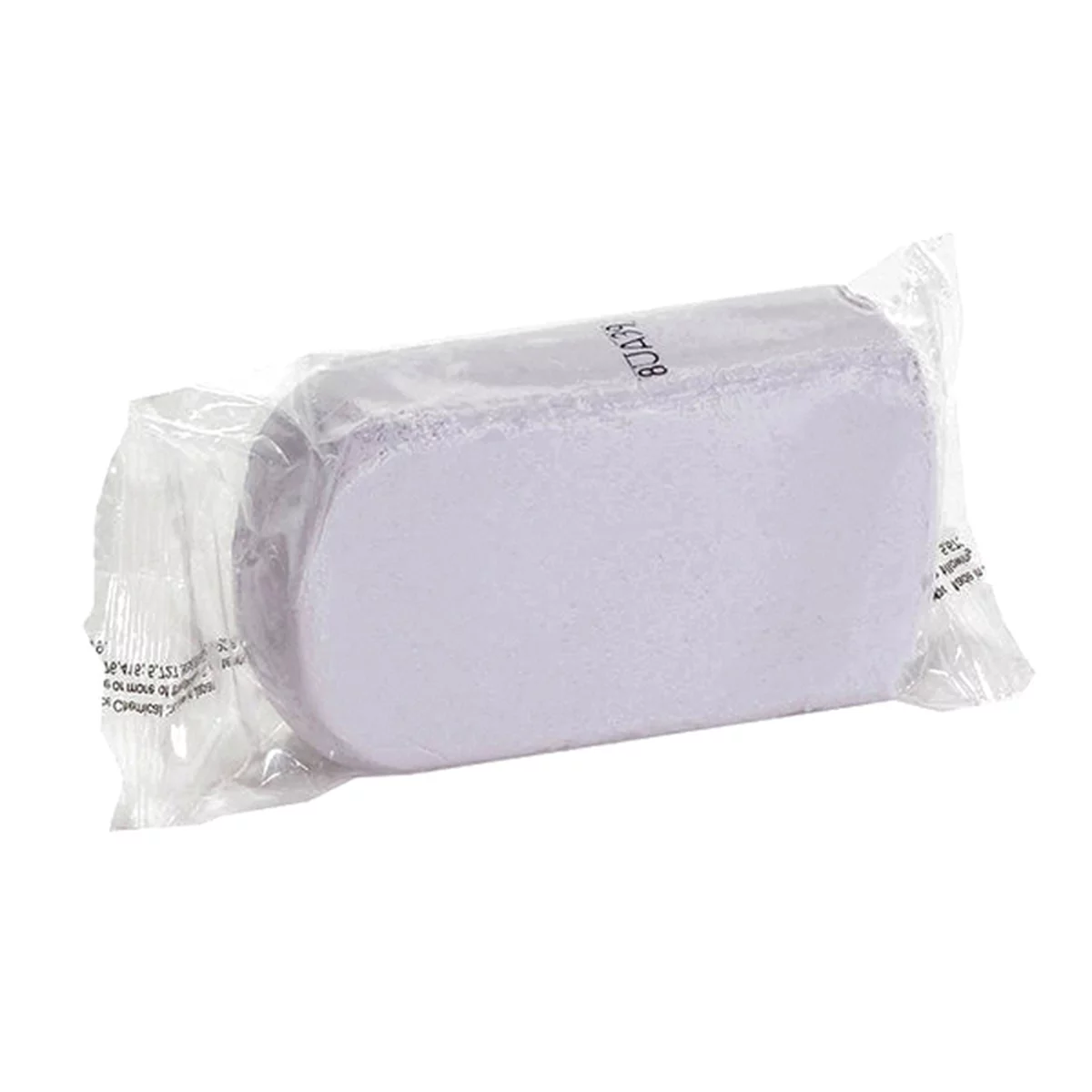
Gritty, bonded-in contamination — brake dust, industrial fallout, rail dust equivalents on glass, or mineral deposits from hard water — won’t come out with soap, alcohol, or melamine foam. This is where a clay bar or clay mitt designed for glass comes in. Lubricate the surface with a quick detailer spray or soapy water and work the clay in straight lines, not circles, re-kneading it frequently to expose a clean surface. Two passes is common on badly contaminated glass. In more advanced cases — visible etching, or wiper motor strain from the added friction of bonded grit — a dedicated glass polishing compound and a low-speed buffer with a wool or foam polishing pad will cut deeper than clay alone. Keep the buffer moving, keep the pad wet with compound, and check progress often; overheating dry glass can cause micro-stress marks. This is also the point to inspect for actual pitting or etching versus surface film — polishing improves haze but won’t fix pitting from sand or wiper abrasion, and that’s a glass replacement conversation, not a cleaning one.
Wiper Blades and Edge Maintenance
A freshly cleaned windshield paired with old wiper blades will streak again within days, and customers will blame the cleaning job. Check the rubber edge for hardening, cracking, or a rolled/curled lip — any of those means replacement, not cleaning. If the blades are relatively new but still smearing, run a lint-free cloth or the edge of a plastic card down the rubber element to strip off accumulated film; wipers pick up the same road oils as the glass and redeposit them with every pass. Recommend replacement on a 6-12 month interval depending on climate exposure (UV and extreme heat shorten blade life significantly). This is also a natural upsell point after any windshield deep-clean service.
Applying a Rain-Repellent Coating Correctly
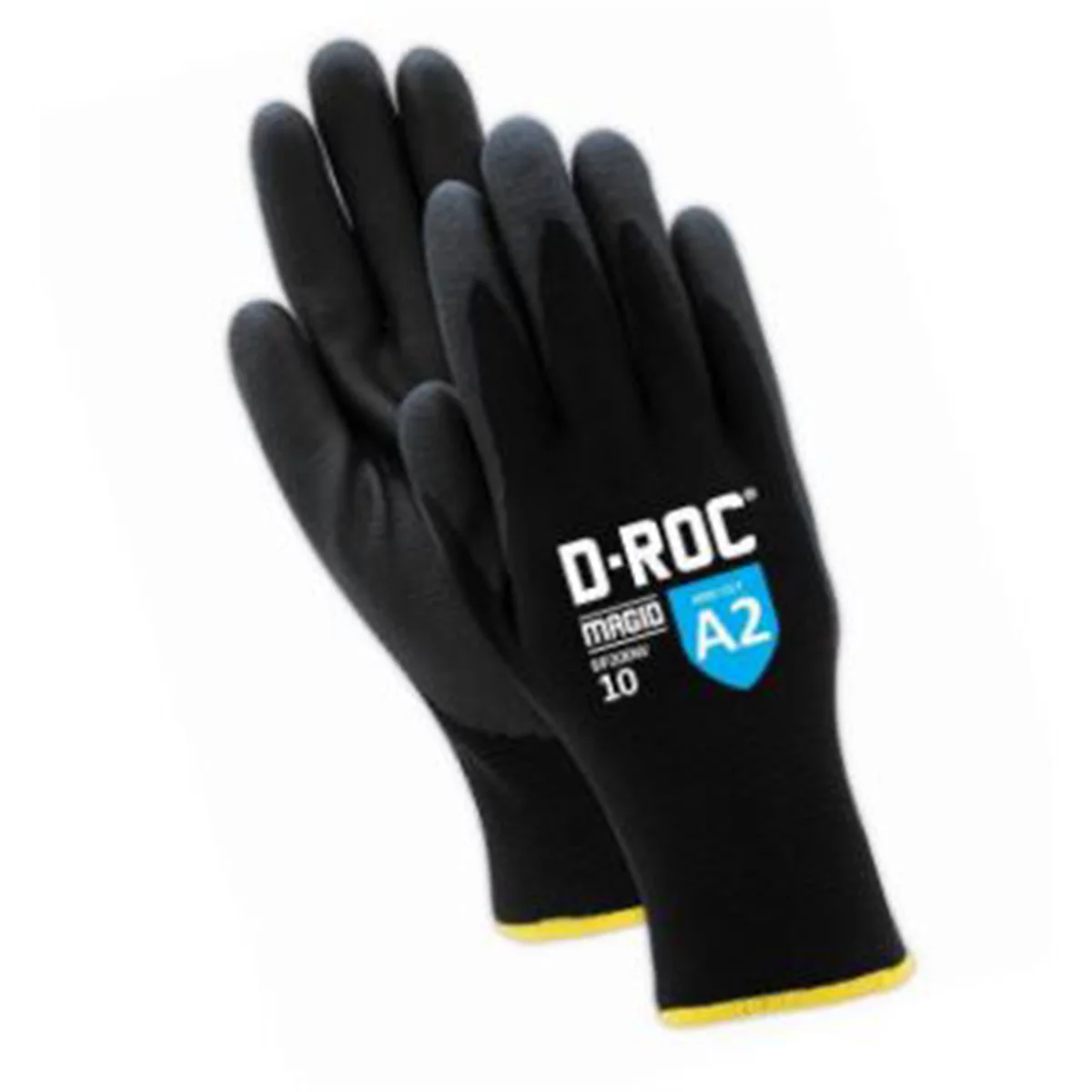
Magid? D-ROC? Water Repellent Thermal Foam Nitrile Coated
Mfg: Magid Glove & Safety
Part #: BP200W10
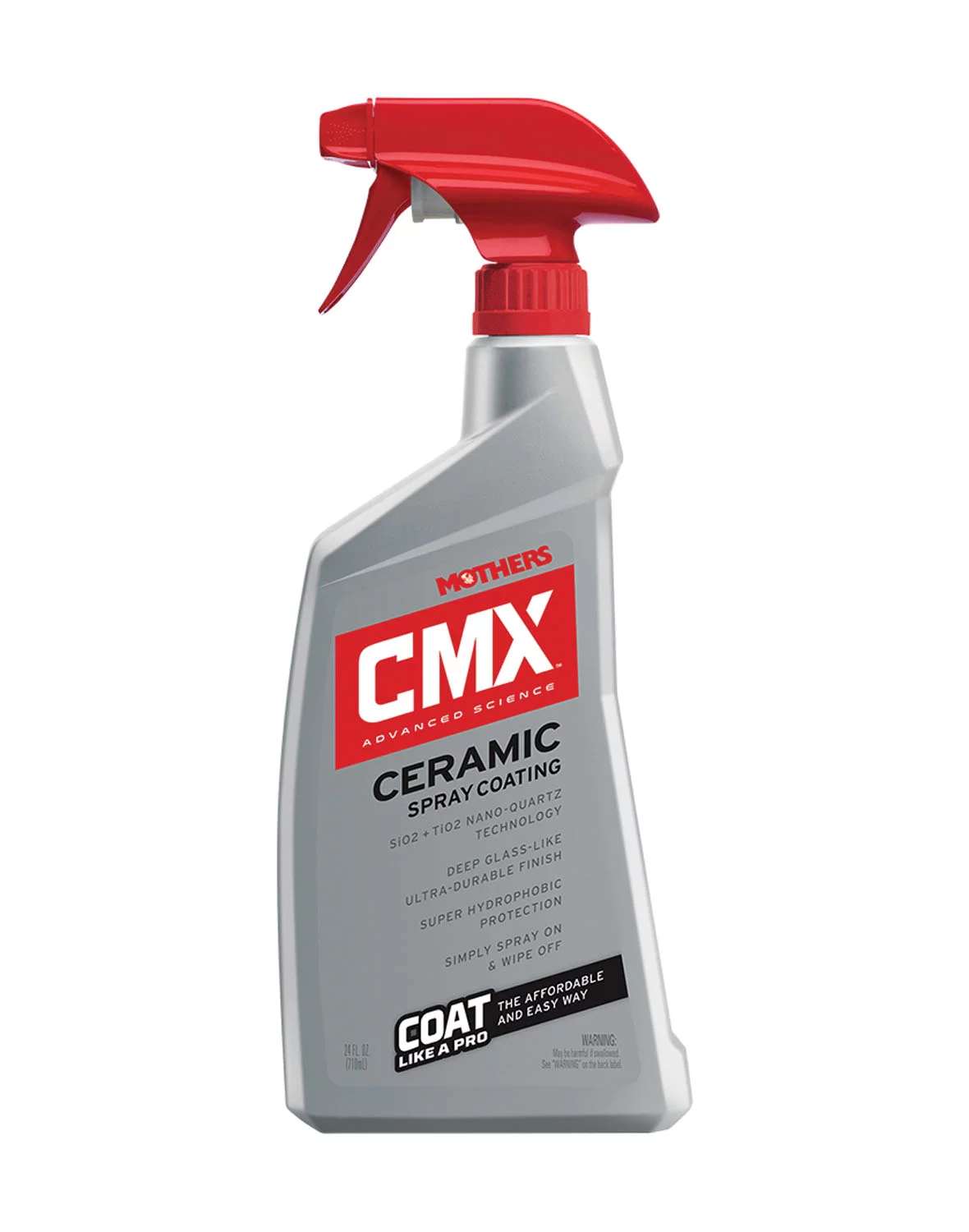

Rain-repellent coatings (silicone or fluoropolymer-based) genuinely improve visibility in wet conditions, but they’re frequently blamed for streaking when the real cause is improper application over a dirty surface. The coating needs bare, contaminant-free glass to bond correctly:
- Fully complete the deep-clean and alcohol wipe-down above first — any leftover oil film will trap under the coating and cause exactly the streaky, distorted-light complaint customers report.
- Apply the coating in thin, even sections per the product’s instructions, and buff off excess promptly — pooling or heavy application is the most common cause of hazing.
- Set expectations: most coatings need reapplication every 2-4 months under normal driving, sooner in harsh climates or with frequent wiper use. This isn’t a coating failure, it’s expected wear.
- If a customer reports a coating “going oily” after a few months, that’s the coating breaking down under UV and abrasion — strip it with an alcohol wipe or dedicated coating remover and reapply rather than layering new product over degraded residue.
For customers who don’t want the maintenance cycle of a coating, a well-maintained bare, clean windshield with good wiper blades performs almost as well and needs less babysitting.
Interior Glass Film Needs a Different Approach
Interior haze is usually plasticizer off-gassing combined with cigarette or vape residue, and it’s often worse than the exterior because it doesn’t get rinsed by rain. A basic mix of water, a small amount of dish soap, and isopropyl alcohol on a quality microfiber cloth handles most cases — expect to make several passes with fresh sections of the cloth, since you’re lifting a genuinely oily film and a dirty cloth just redistributes it. For vehicles with heavy residue, wipe, let it sit 30-60 seconds, then wipe again with a dry microfiber to pull up loosened film. Running the HVAC with A/C on, directed at the windshield, for 10-15 minutes after cleaning helps evaporate any remaining residue and reduces fogging complaints. Recommend customers repeat this interior clean roughly once or twice a year, more often for smokers or vapers.
Quick Reference Checklist
- Test the glass dry (gritty = bonded contamination) and wet (oily rainbow smear = film) to pick the right method
- Wash with dish soap, wipe with isopropyl alcohol, finish with alcohol-based auto glass cleaner
- Use melamine foam for bonded grime that soap won’t lift
- Clay or polish for embedded/gritty contamination and mineral deposits
- Replace wiper blades showing hardening, cracking, or curling
- Apply rain-repellent coating only on fully clean, alcohol-wiped glass, buffed thin
- Clean interior glass separately with soap/alcohol mix; run A/C on the windshield afterward


167797 5080233 ITW Global Brands ITW5080233 18 oz Rain X Glass Cleaner 6pk
Mfg: ITW Global Brands
Part #: 5080233
ID: 167797
FAQs
Is it safe to use gasoline or petrol to clean a windshield?
No. It’s an effective solvent for oil film, but it’s a fire and inhalation hazard, and it can damage rubber trim and wiper blades on contact. A degreaser spray or the isopropyl alcohol method above achieves the same result without the risk.
Why does my windshield get streaky again a few weeks after cleaning?
Usually one of two causes: old wiper blades redepositing film with every pass, or a coating that was applied over glass that wasn’t fully degreased first. Check blade condition and confirm the alcohol wipe-down step was done before any coating was applied.
Does RainX or a similar coating actually degrade into a worse film over time?
Coatings do wear down from UV exposure and wiper abrasion, and a degraded coating can look streaky or oily. This isn’t universal — many drivers report years of trouble-free use — but when it happens, the fix is to strip the old coating with alcohol or a coating remover rather than adding more product on top.
How often should wiper blades be replaced?
Every 6-12 months depending on climate. UV exposure and heat harden the rubber faster than mileage does, so a low-mileage vehicle in a hot climate may still need blades annually.
Can I use a clay bar on windshield glass the same way I would on paint?
Yes, with a lubricant (quick detailer spray or soapy water) and straight-line motion rather than circles. Re-knead the clay often to keep a clean working surface, since glass grit can embed in the clay quickly.
My customer’s windshield has permanent cloudy spots that won’t polish out — what is that?
That’s likely etching or pitting from sand, road debris, or long-term wiper abrasion rather than surface film. Polishing compound can reduce mild cases, but deep pitting is permanent and typically requires glass replacement.
Recommended Tools
A complete windshield cleaning setup requires the right supplies and tools. Our Windshield Tools & Auto Glass selection includes clay bars, polishing compounds, microfiber cloths, and protective coatings needed to implement the deep-clean methods in this guide.
- Glass clay bars and detailing mitts for embedded contamination
- Polishing compounds and pads for stubborn film and haze
- Microfiber cloths and protective coating products
Related Tools & Supplies
Removing windshield film and haze requires the right tools and products. Explore our full collection of automotive cleaning supplies and specialized equipment designed to help you tackle this project safely and effectively.
- Professional-grade glass cleaners and degreasers for residue removal
- Precision scraping tools and squeegees to prevent glass damage
- Microfiber towels and buffing cloths for streak-free results

The Toolsource Technical Team blends decades of real-world automotive service experience with up-to-date technical research. Our writers collaborate with professional mechanics, shop owners, and diagnostic specialists to deliver practical, workshop-ready guidance you can trust.


Follow us on social media