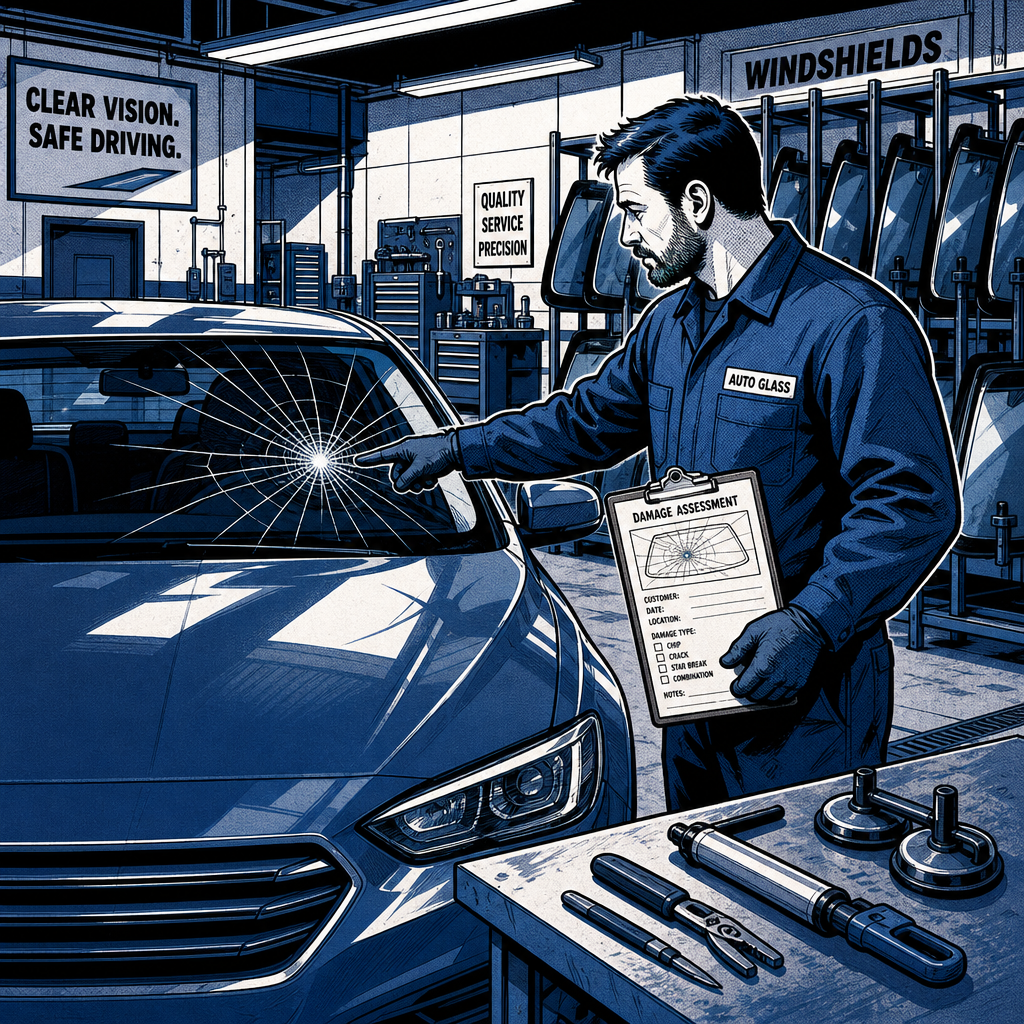
When a canopy, debris, or other object strikes your windshield during a road trip, you face an immediate decision: attempt immediate repair, drive home with the damage, or delay your travel plans. Modern automotive windshields serve as critical structural components, contributing approximately 30% of a vehicle’s structural integrity. Understanding your options, the legal implications, and safe practices for handling windshield damage is essential for both professional technicians advising customers and drivers facing this common road emergency.
Understanding Modern Windshield Construction and Damage
Contemporary automotive windshields use laminated safety glass consisting of two glass panes (called “lites”) bonded together with a polymer interlayer. This construction prevents the windshield from shattering into dangerous shards upon impact. When damaged, the windshield maintains significant structural integrity even with visible cracks or impact points.
The severity of windshield damage varies considerably. Minor chips smaller than a quarter can often be repaired using resin injection techniques. However, larger impacts that create spider-web cracking patterns, penetrate both glass layers, or obstruct the driver’s direct line of sight typically require complete windshield replacement. The damage pattern matters: cracks extending from the impact point compromise the glass integrity progressively, and vibration from highway driving accelerates this deterioration.
For ASE-certified technicians, it’s important to note that windshield replacement is a specialized skill. Even experienced master technicians typically refer windshield work to dedicated auto glass specialists who have the proper tools, adhesives, and calibration equipment necessary for modern vehicles equipped with advanced driver assistance systems (ADAS).
Immediate Assessment and Temporary Protection Measures
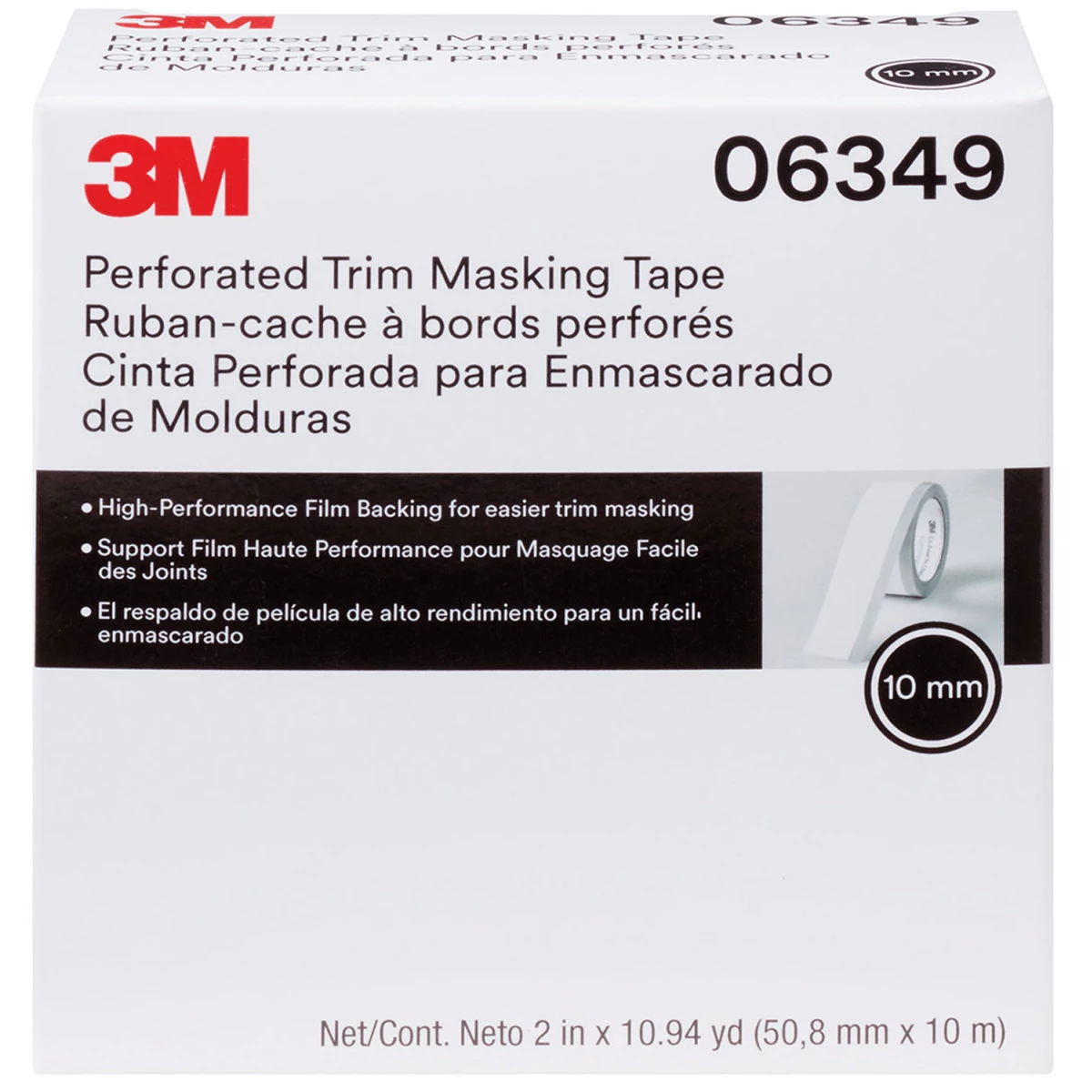
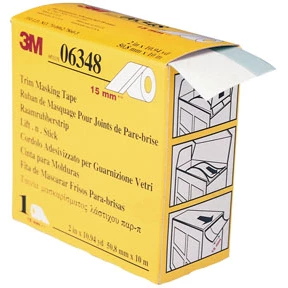
When windshield damage occurs during travel, your first priority should be assessing whether the vehicle remains safe to operate. Check these critical factors:
First, determine if the damage obstructs your forward vision. Damage directly in the driver’s sight line creates both a safety hazard and a legal violation in most jurisdictions. Even if the impact point sits to the passenger side, ensure you can still see vehicles in adjacent lanes when checking blind spots or making turns at intersections.
Second, examine the extent of the damage. Look for cracks radiating from the impact point. Measure the size of the damaged area—anything larger than a dollar bill typically requires replacement rather than repair. Check if the inner glass layer has been compromised by running your hand carefully along the interior surface.
Apply temporary protection to prevent further damage during your journey home. Use clear packing tape or duct tape on the exterior surface in an “X” pattern over the damaged area. This serves multiple purposes: it prevents additional debris from entering the damaged area, reduces wind pressure that could cause the crack to spread, and protects your wiper blades from catching on raised glass edges. If you’re confident in your technique, applying tape to the interior surface can prevent small glass fragments from falling onto the dashboard or into air vents, though the exterior taping is more critical.
Avoid using your windshield wipers if possible. Damaged glass will shred wiper blades and could cause the rubber to catch on glass fragments, potentially worsening the damage or pulling additional glass free from the lamination layer.

Mobile Glass Repair Services and Parts Availability
The auto glass repair industry has evolved significantly, with national chains like Safelite and numerous regional mobile glass services offering same-day or next-day replacement in most markets. These services dispatch technicians to your location—whether at a hotel, rest stop, or your driveway—making them ideal for road trip emergencies.
However, parts availability remains the primary constraint. Unlike common wear items stocked at parts stores, windshields are vehicle-specific components that glass companies typically don’t maintain in inventory. The specialist needs to order your exact windshield from a regional warehouse or distributor. For popular models (Honda Civic, Ford F-150, Toyota Camry), same-day availability is common in metropolitan areas. For less common vehicles, luxury brands, or cars with specialized features like heads-up displays or rain sensors, expect 1-3 business days for parts procurement.
Weekend and holiday availability presents additional challenges. While some mobile glass services operate seven days a week, many close on Sundays and major holidays. Parts warehouses typically don’t operate on these days either, meaning even if you find a willing technician, they can’t source the windshield until the next business day.
When contacting a mobile glass service, provide your vehicle’s year, make, model, and VIN. Mention any special features: lane departure warning, automatic emergency braking, rain-sensing wipers, heads-up display, or heated windshield. These features affect both parts availability and installation complexity, as ADAS-equipped vehicles require camera recalibration after windshield replacement—a process requiring specialized equipment.
Legal Considerations and Law Enforcement Interactions
Windshield regulations vary by state, but damaged windshields generally violate vehicle safety requirements when the damage obstructs the driver’s view or compromises structural integrity. In most jurisdictions, law enforcement officers have discretion to issue citations for windshield damage, though enforcement practices vary widely.
If you’re pulled over while driving with windshield damage, explain that the damage just occurred and you’re traveling home to arrange replacement. Most officers will issue a warning rather than a citation, particularly if you can demonstrate you’ve already contacted your insurance company or scheduled a repair appointment. Some jurisdictions allow a grace period (typically 24-48 hours) after damage occurs before issuing citations.
State vehicle inspection programs take different approaches to windshield damage. Massachusetts, for example, has strict inspection requirements, and a damaged windshield would fail inspection and potentially result in your vehicle being deemed unsafe to operate. Texas and many other states have more lenient standards but still require windshields to be free of cracks or discoloration in the driver’s direct sight line.
Document the damage immediately with photos showing the date, time, and your location. This documentation supports your insurance claim and demonstrates to law enforcement that you’re addressing the issue promptly rather than driving indefinitely with known damage.
Insurance Coverage and Claims Process
Comprehensive insurance coverage typically covers windshield damage without a deductible in many states—often called “full glass coverage” or “zero-deductible glass.” This coverage applies to damage from flying objects, falling debris, hail, or vandalism. Even in states where deductibles apply, windshield replacement deductibles are often lower than standard comprehensive deductibles.
Contact your insurance company immediately after the damage occurs, even if you’re far from home. Many insurers have partnerships with national glass companies and can schedule mobile service for you. Some policies include roadside assistance that can arrange temporary repairs or towing if the damage makes the vehicle unsafe to drive.
For rental vehicles, coverage depends on whether you purchased the rental company’s collision damage waiver (CDW) or loss damage waiver (LDW). These waivers typically cover windshield damage. If you declined the rental company’s insurance, your personal auto insurance may provide coverage, or you might have coverage through the credit card used to rent the vehicle. Contact all potentially applicable insurance sources to determine coverage.
When filing a claim, provide the documentation you gathered: photos of the damage, location where it occurred, and circumstances (debris impact, flying object, etc.). Many insurers now offer mobile apps for filing glass claims with photo upload, significantly expediting the approval process.
Important note for technicians advising customers: filing a comprehensive claim for windshield damage typically doesn’t affect insurance rates, as it’s considered a no-fault incident. However, customers should confirm this with their specific insurer, as policies vary.
Safe Driving Practices with a Damaged Windshield
If you decide to drive home with windshield damage—often the most practical choice when traveling—follow these safety protocols to minimize risk:
Reduce your highway speed. While the laminated construction maintains windshield integrity even when damaged, high speeds create significant wind pressure that can cause cracks to propagate. Stay 10-15 mph below posted highway speed limits and avoid sudden acceleration.
Increase following distance substantially. You need extra reaction time to compensate for any vision obstruction, and greater following distance reduces the risk of additional debris impacts from vehicles ahead.
Avoid temperature extremes inside the cabin. Don’t blast the air conditioning or heater directly at the windshield. Rapid temperature changes cause glass expansion and contraction that can worsen cracks. Use moderate climate control settings and direct vents away from the damaged area.
Close doors gently rather than slamming them. The pressure wave from a slammed door can stress the damaged windshield and cause cracks to extend.
Choose smoother routes when possible. Rough roads create vehicle vibration that stresses the windshield. If you have route options, select better-maintained highways even if slightly longer.
Plan for reduced visibility in certain conditions. If the damage is on the passenger side, it may not affect normal forward vision but could create significant glare or distortion in rain or at night when oncoming headlights hit the damaged area.
Quick Safety Checklist
- Apply tape to exterior damaged area before driving
- Verify you have clear sight lines for all normal driving maneuvers
- Contact insurance company and document damage
- Reduce highway speed by 10-15 mph
- Increase following distance
- Avoid using windshield wipers if possible
- Use moderate climate control settings
- Close doors gently to avoid pressure stress
Replacement Timeline and Planning Considerations
When you reach home or your destination, prioritize windshield replacement promptly. Even if the damage seems stable, environmental factors accelerate deterioration. Temperature cycling, humidity, and vehicle vibration all cause cracks to spread, often rapidly once propagation begins.
For standard vehicles without ADAS features, professional mobile glass services typically complete windshield replacement in 60-90 minutes. The technician removes interior trim pieces, cuts out the old windshield, prepares the pinch weld surface, applies urethane adhesive, installs the new windshield, and reinstalls trim. The adhesive requires cure time before the vehicle can be driven—typically 1-2 hours for minimum cure and 24 hours for full cure strength.
ADAS-equipped vehicles require additional time for camera recalibration. Forward-facing cameras mounted behind the rearview mirror provide data for lane departure warning, automatic emergency braking, and adaptive cruise control. Windshield replacement changes the camera angle slightly, requiring recalibration using specialized targets and diagnostic equipment. This process adds 30-60 minutes to the replacement time and increases costs by $100-300 depending on the vehicle and complexity of systems.
Schedule your replacement appointment accounting for these factors. If you need your vehicle for work, many mobile services will come to your workplace parking lot. Alternatively, some glass shops offer loaner vehicles or can coordinate with your insurance company for rental car coverage during the repair.
After replacement, follow the cure time recommendations before driving. Avoid car washes, especially high-pressure washes, for at least 24 hours. Don’t remove the retention tape the installer places on the exterior edge of the windshield until instructed—this tape maintains proper pressure on the urethane adhesive during curing.
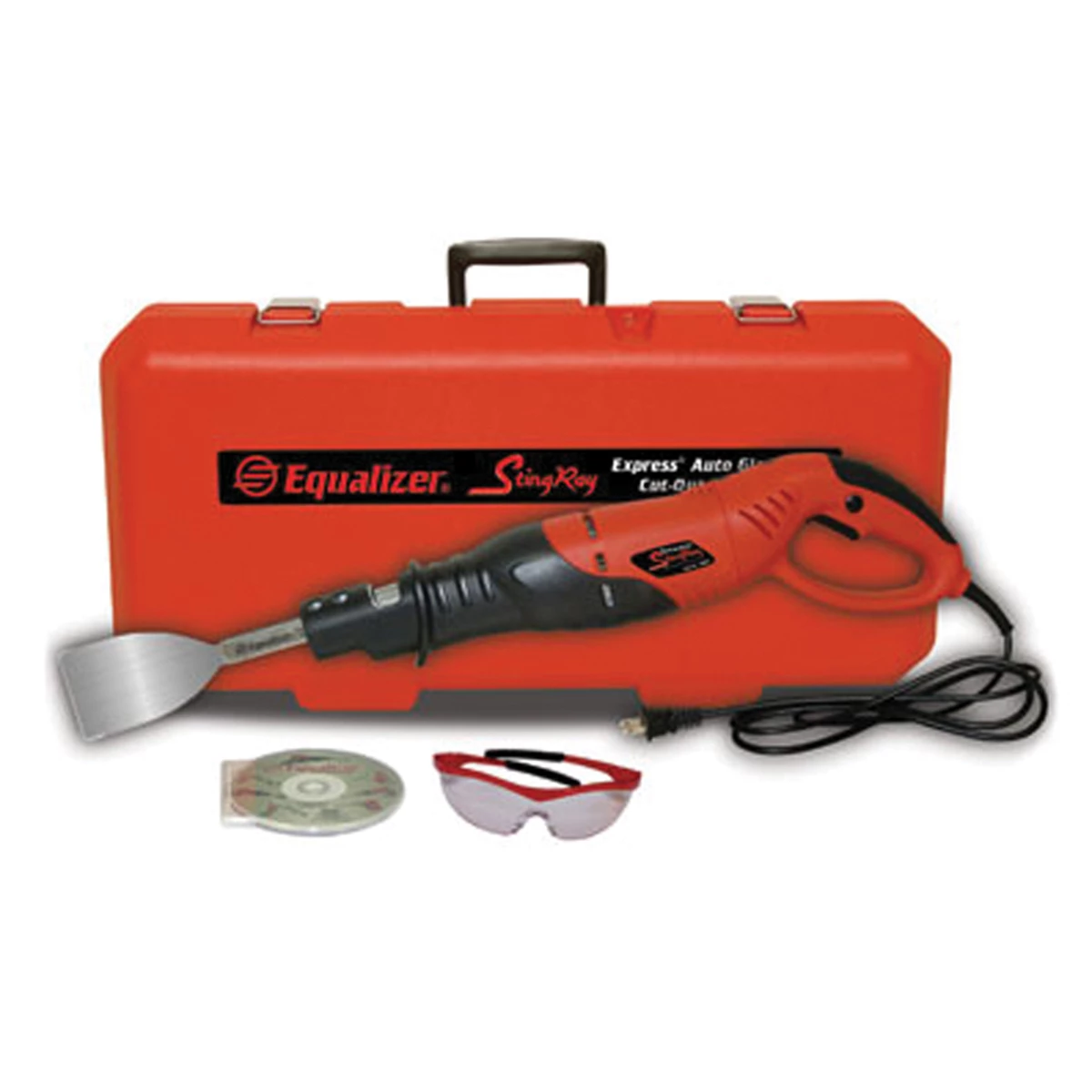
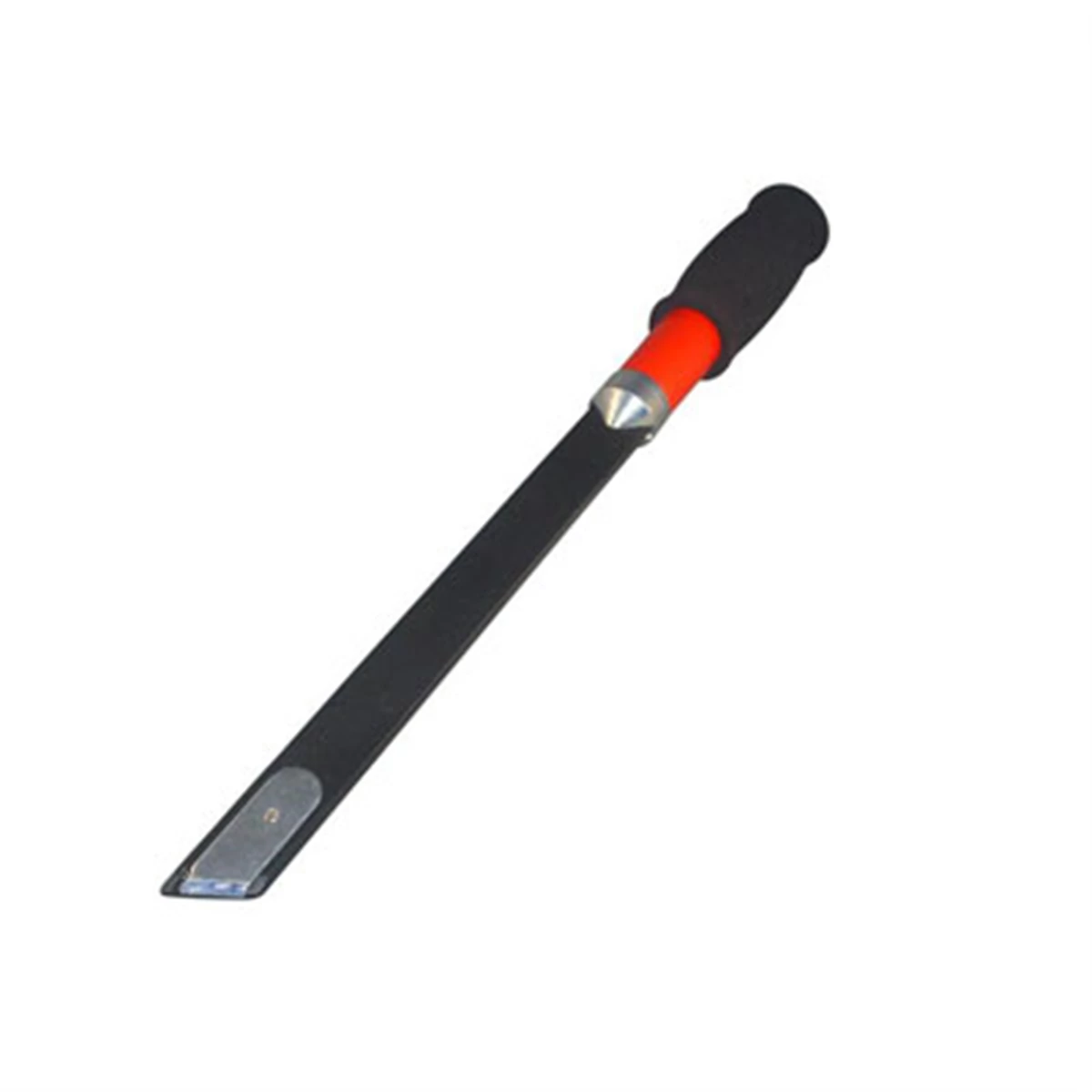
119821 26 Cal-van Tools CV26 18" Professional Windshield Knife
Mfg: Cal-van Tools
Part #: 26
ID: 119821
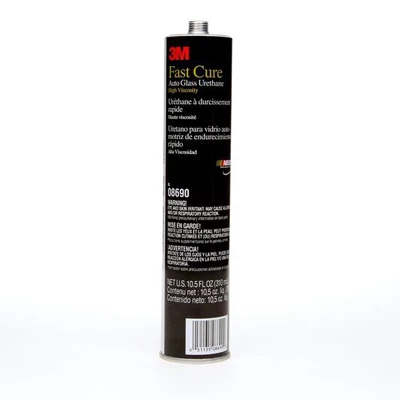
Fast Cure Auto Glass Urethane, 10.5 Fluid Ounce Cartridge
Mfg: 3M Automotive
Part #: 8690
ID: 137331
Frequently Asked Questions
Can I drive with a cracked windshield across state lines?
Legally, you may face issues if stopped by law enforcement in states with strict windshield regulations. Practically, if the damage doesn’t obstruct vision and you’ve applied temporary protection, driving home is generally the most sensible option. Document the damage and have evidence that you’re arranging repair to show officers if stopped.
Will my insurance rates increase if I file a windshield claim?
Comprehensive claims for windshield damage typically don’t affect insurance rates because they’re considered no-fault incidents. However, confirm with your specific insurer, as policies and state regulations vary. Some insurers offer separate glass coverage with guaranteed no rate impact.
How quickly can a mobile glass service replace my windshield?
Installation takes 60-90 minutes for standard vehicles, plus 30-60 minutes for ADAS recalibration if equipped. The constraining factor is parts availability—common vehicles in metropolitan areas often have same-day service, while uncommon models or rural areas may require 1-3 business days for parts delivery.
Is windshield repair an option, or does damage always require replacement?
Chips smaller than a quarter and cracks shorter than 3 inches can often be repaired using resin injection if they’re not in the driver’s direct sight line and don’t penetrate both glass layers. Larger damage, multiple impact points, or damage at windshield edges requires full replacement. A glass specialist can assess repairability when you schedule service.
Should I try to find a repair shop while traveling or drive home?
Unless the damage makes the vehicle genuinely unsafe to operate (complete vision obstruction, glass falling into the cabin), driving home is usually most practical. You’ll have access to your preferred repair facilities, can use your regular insurance contacts, and avoid extending your trip. Apply temporary protection and drive cautiously.
What if the windshield damage happened to my rental car?
Contact the rental company immediately and follow their damage reporting procedures. If you purchased their collision damage waiver, they’ll typically arrange replacement. If you declined their coverage, contact your personal auto insurance or credit card company to determine if you have applicable coverage. Don’t attempt to return the vehicle without reporting the damage, as you’ll still be liable and may face additional fees for non-disclosure.
Windshield Repair and Replacement Tools
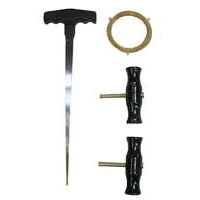
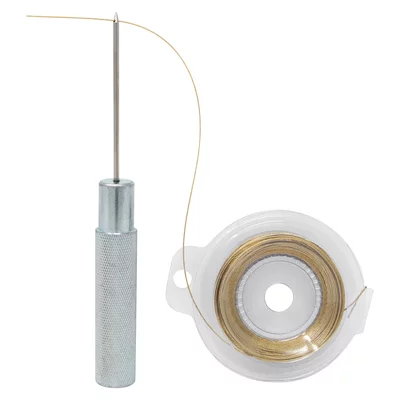
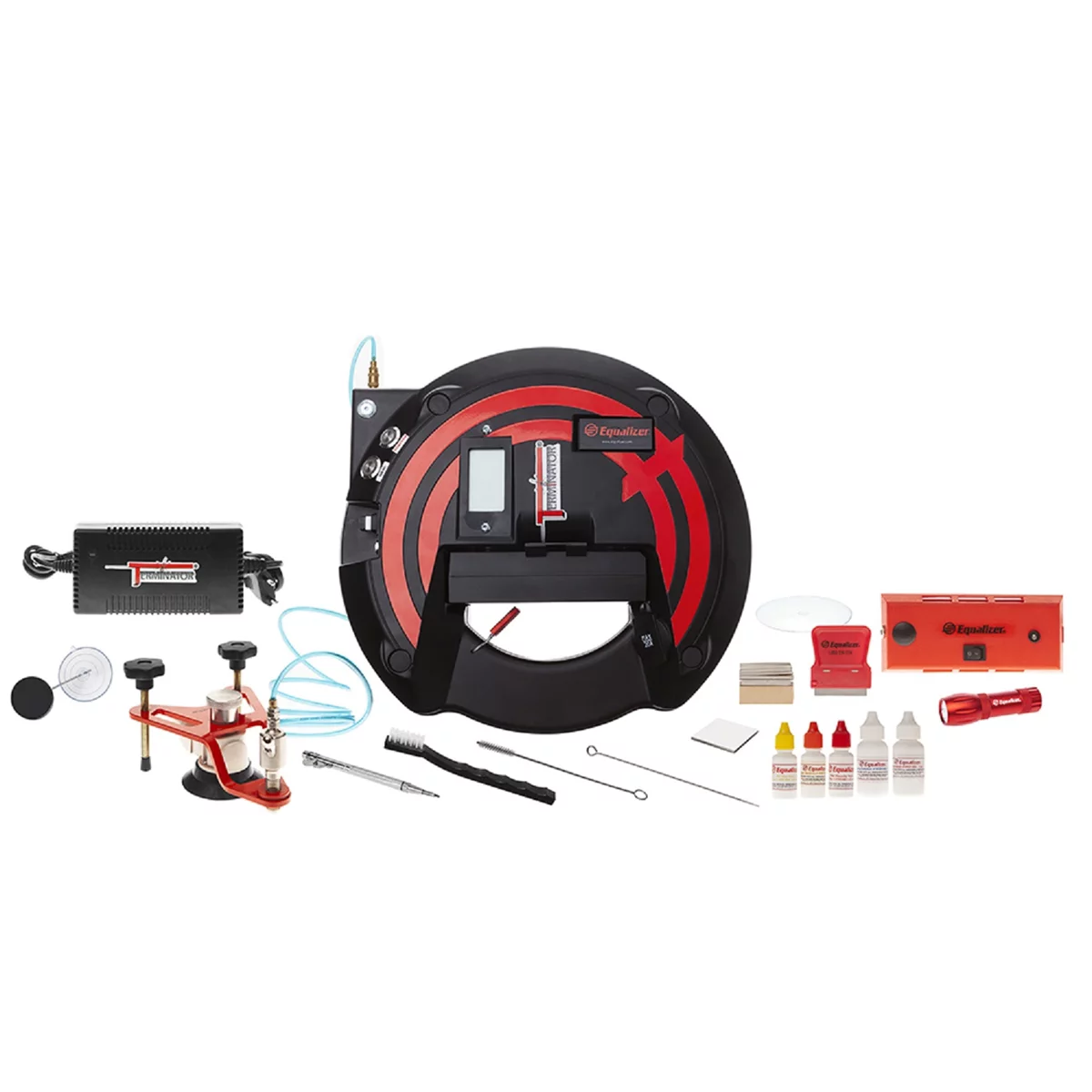
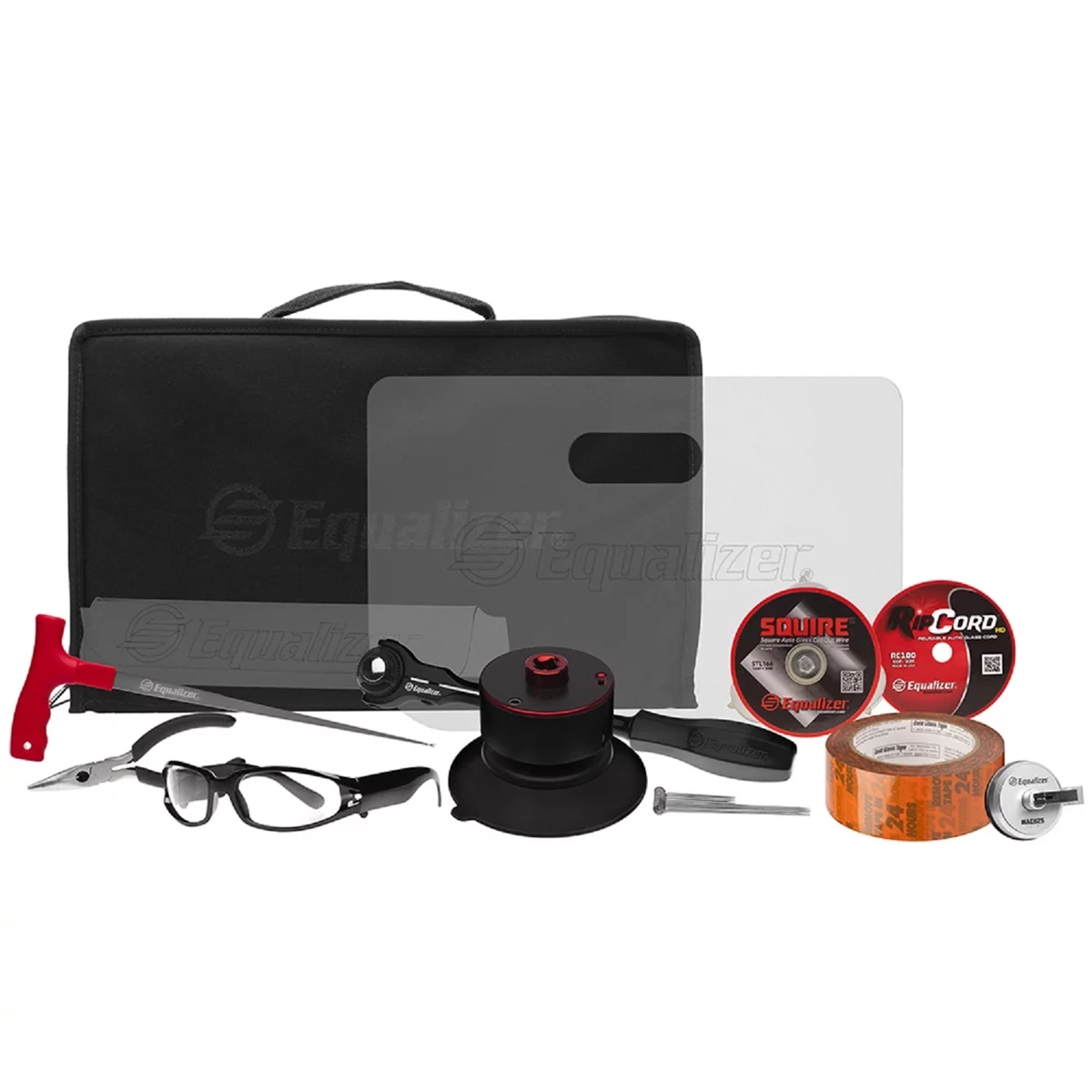
Proper windshield repair and replacement require specialized equipment and materials. Whether you’re a professional technician or handling emergency roadside protection, having the right tools ensures safe and effective work. Browse our Windshield Tools & Auto Glass category for the supplies needed to assess damage, apply temporary protection, and support professional replacement work.
- Temporary protection materials like tape and debris shields
- Glass inspection and measurement tools for damage assessment
- Professional-grade supplies for mobile glass technicians
Essential Windshield Repair & Protection Tools
When you’re dealing with windshield damage on the road, having the right tools and supplies on hand can make all the difference. Explore our full collection of automotive maintenance products and emergency repair essentials to keep your vehicle road-ready.
- Glass Repair Kits: Professional-grade windshield repair systems for quick fixes on the go
- Protective Coatings: Weather-resistant treatments to prevent damage and improve visibility
- Emergency Supplies: Safety tape, protective coverings, and temporary solutions for damaged glass

The Toolsource Technical Team blends decades of real-world automotive service experience with up-to-date technical research. Our writers collaborate with professional mechanics, shop owners, and diagnostic specialists to deliver practical, workshop-ready guidance you can trust.


Follow us on social media