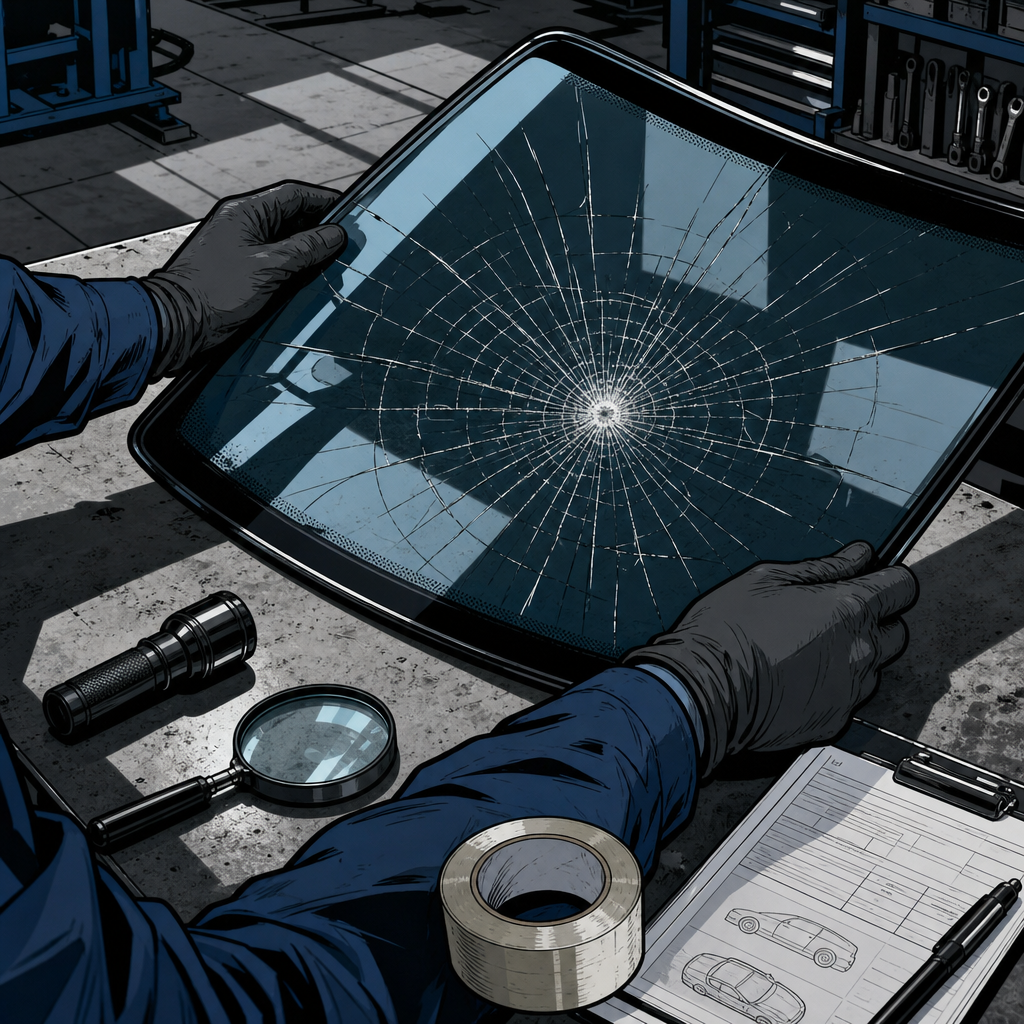
Finding yourself hundreds of miles from home with a freshly damaged windshield ranks among the more frustrating roadside emergencies. Whether it’s debris from a passing truck, a fallen canopy in a parking lot, or an unfortunate bird strike, the immediate questions are always the same: Is it safe to drive? Can I get it fixed here? Should I involve insurance? Understanding the structural role of modern windshields and your realistic options helps you make informed decisions that balance safety, cost, and schedule constraints.
Understanding Modern Windshield Construction and Safety Implications
Before making any decisions about driving with a damaged windshield, you need to understand what you’re dealing with structurally. Modern automotive windshields use laminated safety glass consisting of two glass panes (called “lites”) bonded together with a polyvinyl butyral (PVB) interlayer. This construction serves multiple purposes beyond simple visibility.
A properly bonded windshield contributes approximately 30 percent of a vehicle’s structural integrity, particularly during rollover accidents. The lamination prevents the glass from shattering into dangerous shards, instead keeping fragments adhered to the plastic layer even when severely damaged. This explains why even windshields with significant impact damage often remain partially intact rather than collapsing entirely.
The curvature of the windshield provides much of its strength. Once that geometry is compromised by impact, the glass loses rigidity even though it may appear to be holding together. Additional stress from wind pressure at highway speeds, temperature changes, or road vibration can cause existing cracks to propagate rapidly. What looks stable in a parking lot may behave very differently at 70 mph.
From a legal standpoint, windshield requirements vary by state, but all jurisdictions treat the windshield as a required safety component. Driving with obstruction in the driver’s field of vision or with glass damage that compromises structural integrity can result in citations and mandatory towing in some states. Law enforcement officers have discretion here—explaining that damage just occurred and you’re heading directly to repair may earn you a warning rather than a ticket, but there are no guarantees.
Immediate Assessment and Temporary Stabilization
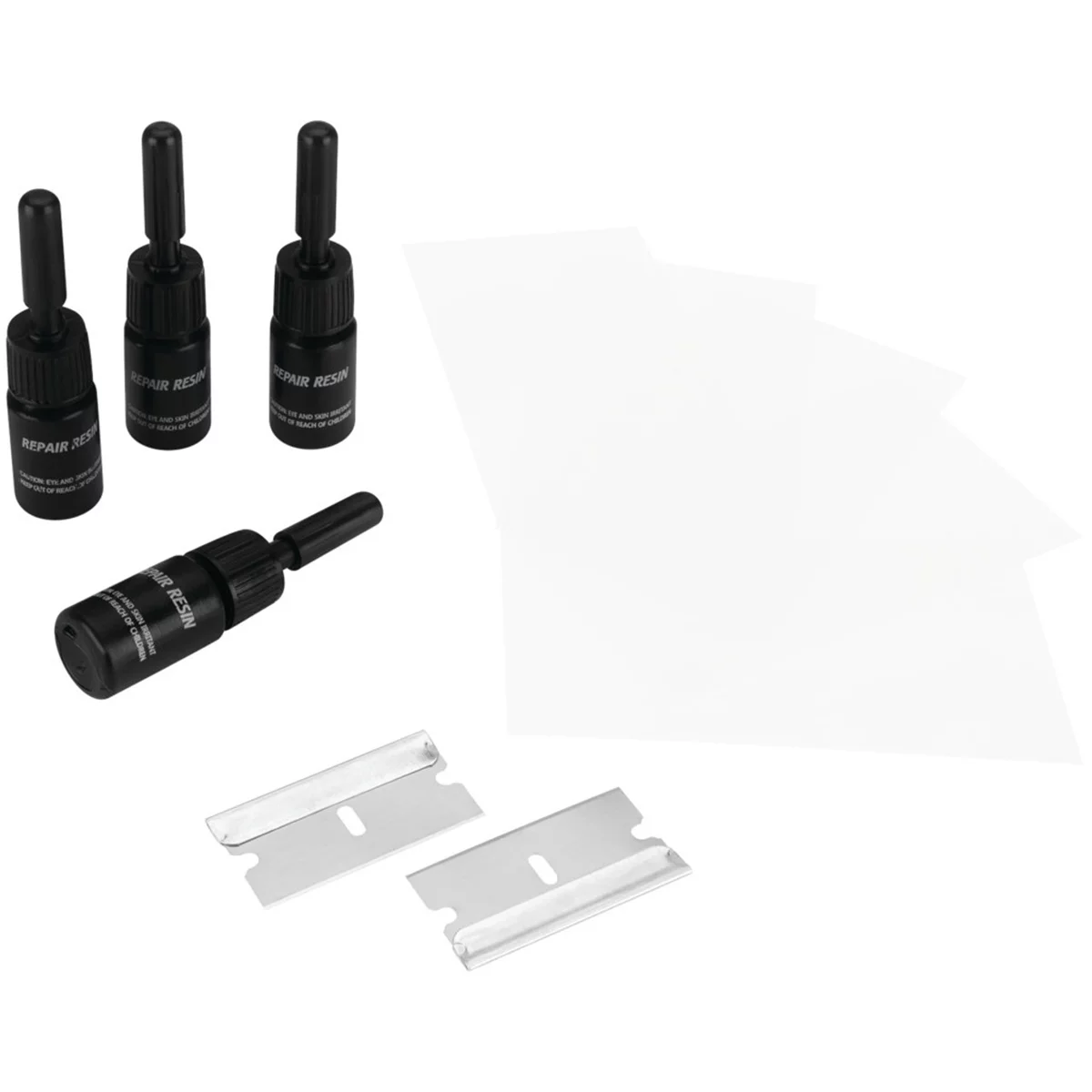


Your first step is honest assessment of the damage severity and location. Small chips and star breaks away from the driver’s direct sight line present minimal immediate risk. Large impacts that have penetrated both glass layers, created significant spiderwebbing in the driver’s field of vision, or compromised the windshield’s structural curve require more serious consideration.
If you decide to proceed with driving, temporary stabilization helps prevent further damage. Apply clear packing tape in an X-pattern over the exterior impact point to prevent additional debris or water intrusion. This also reduces wind pressure against the damaged area that could cause propagation at speed. Some drivers tape the interior surface as well, though this is primarily to contain loose glass particles that might fall into dashboard vents or onto occupants rather than for structural purposes.
Pay particular attention to the interior surface. If the impact has pushed glass inward significantly, the constant vibration of driving will cause small shards to break free. Taping the interior can catch these fragments, but understand that you’ll be breathing the same air as fine glass dust for the duration of your drive. Consider this health factor, especially for longer trips.
Temperature considerations matter more than most drivers realize. Significant temperature differentials between the damaged exterior glass and the intact interior layer create stress that accelerates crack propagation. If you’re traveling in extreme heat or cold, or if you’ll be running defrost or AC that creates rapid temperature changes, factor this into your risk assessment. A crack that seems stable may spread dramatically when you blast cold AC on a hot day.

Evaluating Repair Options at Your Current Location
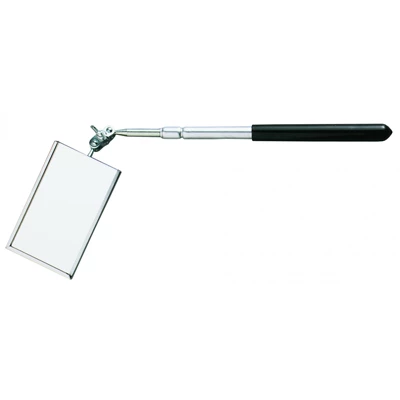
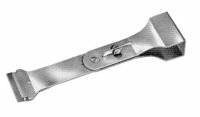
3-1/2" x 2" Telescoping Inspection Mirror
Mfg: General Tools & Instruments
Part #: 560

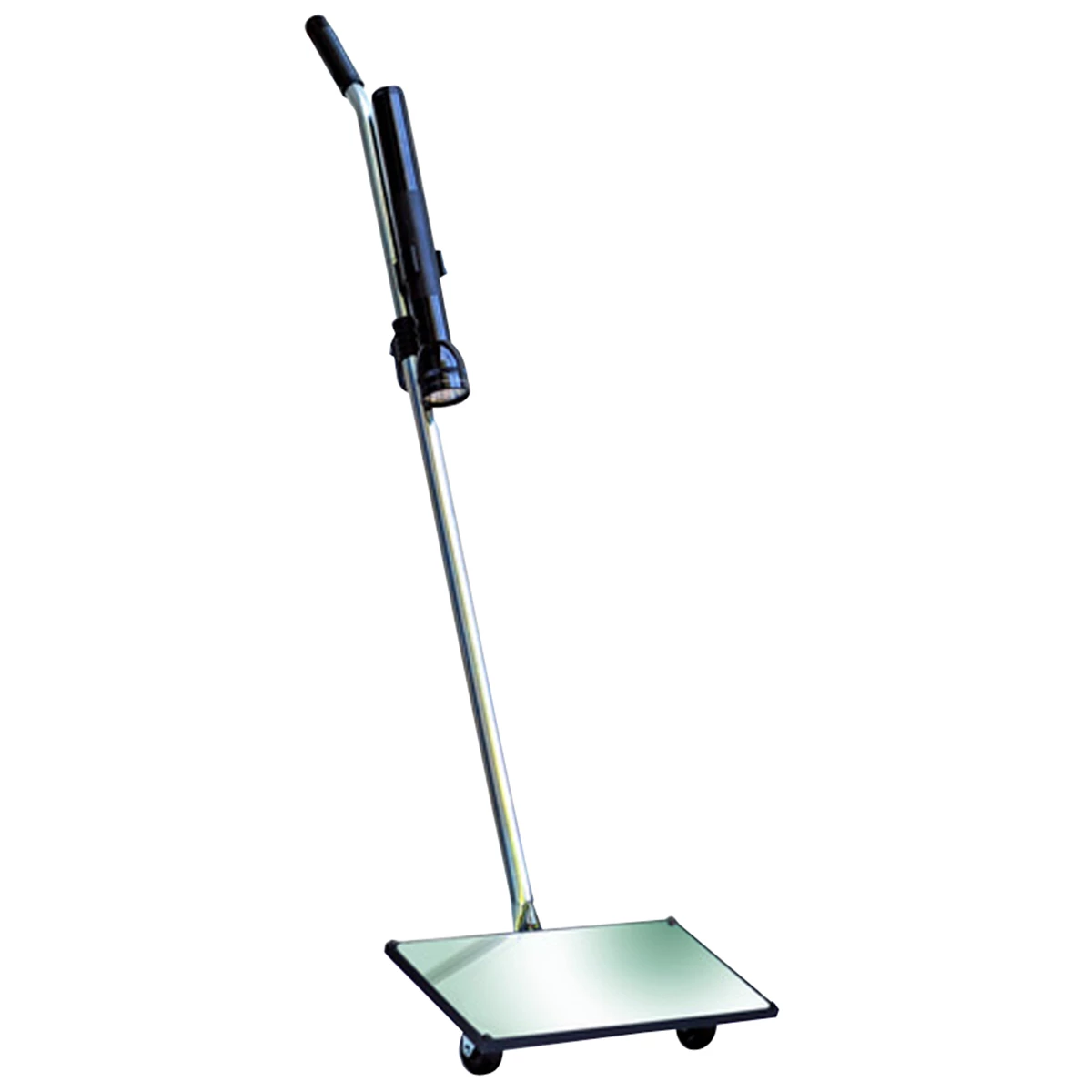
The automotive glass industry has evolved significantly, with mobile replacement services now available in most metropolitan and many rural areas. However, your ability to get same-day or next-day service depends heavily on several factors: your vehicle make and model, parts availability, day of the week, and local service capacity.
Major national chains like Safelite operate mobile units that can come to your location, often within 24 hours for common vehicle models. They maintain inventory for popular vehicles but may need to order glass for less common makes or specialty vehicles with heads-up displays, rain sensors, or advanced driver assistance system (ADAS) cameras integrated into the windshield. A standard Honda Accord windshield might be in stock locally; a newer Mercedes with embedded sensors could require ordering and days of wait time.
Weekend and holiday availability presents the biggest scheduling challenge. Most independent glass shops operate Monday through Friday with limited Saturday hours. National chains may have weekend service, but expect reduced availability and potential premium charges. If your windshield was damaged late Saturday or on a holiday Sunday, realistic replacement probably won’t happen until Tuesday at the earliest—Monday if you’re fortunate and the parts are locally available.
Call ahead to multiple providers and ask specific questions: Do they have your vehicle’s windshield in stock? Can they accommodate same-day or next-day service? Do they handle insurance claims directly? What is their mobile service radius? For newer vehicles with ADAS features, confirm they have calibration equipment—windshield replacement on these vehicles requires specialized recalibration of camera systems, which not all shops can perform.
Consider the total delay equation. Staying an extra two or three days in your current location for professional replacement may cost hotel fees and extended car rental charges if applicable, but provides the peace of mind of professional installation and proper insurance documentation. Weigh this against the risks and stress of driving home with compromised glass.
Making the Drive-Home Decision: Risk Factors and Precautions
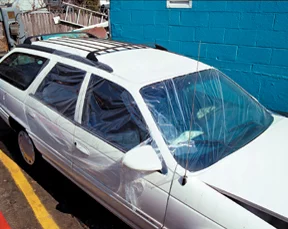
Collision Wrap - Windshield - 36 In x 100 Ft Continuous Roll
Mfg: RBL Products
Part #: 428
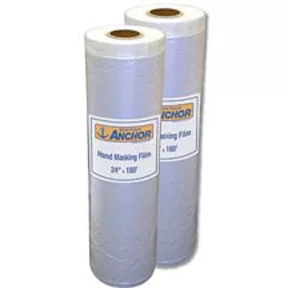
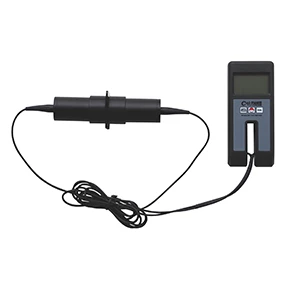
Many drivers successfully drive hundreds of miles with damaged windshields, but “others did it” doesn’t equal “you should do it.” Your decision should account for specific risk factors related to your situation.
Distance matters significantly. Driving 50 miles home on secondary roads at moderate speeds presents vastly different risk than 400 miles of interstate driving. Highway speeds create substantial wind pressure against the windshield—the same aerodynamic forces that normally help channel air over the vehicle now work against the compromised glass structure.
Weather conditions deserve serious weight in your decision. Driving through rain with a damaged windshield creates multiple problems. Water intrusion through cracks can cause electrical issues if it reaches sensors or wiring. You cannot effectively use windshield wipers across damaged glass—the rubber blades will catch on raised glass edges and shred. Reduced visibility in rain combined with an already obstructed windshield compounds danger significantly. If weather is in your forecast, strongly consider delaying your trip.
The damage location relative to your sight line is critical. Glass damage directly in front of the driver obstructs vision in ways that become dangerous in complex traffic situations—merging, lane changes, and intersections all require clear peripheral vision. Damage offset to the passenger side or lower in the windshield, where you’d normally see your hood, presents less immediate visibility risk.
If you do drive, adopt defensive practices: maintain increased following distance, avoid abrupt lane changes that create lateral stress on the glass, moderate your speed to reduce wind pressure, and avoid using defrost or AC in ways that create rapid temperature differentials. Plan your route to avoid construction zones where additional debris might impact already-compromised glass. Stop every 60-90 minutes to inspect the damage for propagation—if cracks are extending rapidly, continuing becomes increasingly risky.
Insurance Coordination and Documentation
Most comprehensive auto insurance policies include glass coverage with minimal or zero deductible, but the claims process works better when you understand the procedures and sequence your actions appropriately. Contact your insurance company as soon as the damage occurs, even if you’re not sure yet whether you’ll file a claim. This establishes documentation of when and where the damage happened.
Your insurer will ask specific questions: the nature and extent of damage, your current location, your planned next steps, and whether you need immediate roadside assistance. Many insurance companies have partnerships with national glass replacement chains and can directly schedule service, often with billing handled entirely between the shop and insurer. This arrangement eliminates out-of-pocket costs and reimbursement delays.
Ask your insurance representative directly whether your policy allows you to drive with the current damage level. This question serves two purposes: it gets professional guidance on record, and if you’re subsequently pulled over, you can explain to law enforcement that your insurance company approved you driving to reach a repair facility. This doesn’t guarantee you won’t receive a citation, but it demonstrates you’re acting in good faith rather than ignoring a safety issue.
If you’re driving a rental vehicle, your situation changes substantially. Review your rental agreement immediately—many renters decline the rental company’s collision damage waiver assuming their personal auto insurance covers rentals. This is often true, but glass damage sometimes falls into coverage gaps. If you purchased the rental company’s insurance, contact their emergency claims line. They may arrange local replacement or authorize you to continue your trip and handle repairs upon return.
Document everything thoroughly. Photograph the damage from multiple angles, including wide shots showing the full windshield and close-ups of the impact point. Photograph the surrounding area if relevant—a collapsed canopy in a parking lot, for example. Note the date, time, and location of the incident. Keep all receipts if you pay for emergency repairs or temporary materials. This documentation protects you if questions arise about how or when the damage occurred.
Quick Reference Checklist for Windshield Damage Away From Home
- Assess damage location and severity honestly—is driver vision obstructed?
- Photograph damage from multiple angles with date/time/location documentation
- Contact insurance company immediately to report damage and establish timeline
- Apply clear tape in X-pattern over exterior impact point to prevent propagation
- Call local glass replacement services to check parts availability and scheduling
- If driving with damage, plan route to avoid construction zones and minimize highway speeds
- Check weather forecast—postpone driving through rain if possible
- Stop every 60-90 minutes to inspect for crack propagation
- Avoid using wipers over damaged areas to prevent blade shredding
- Keep insurance authorization documentation accessible if stopped by law enforcement
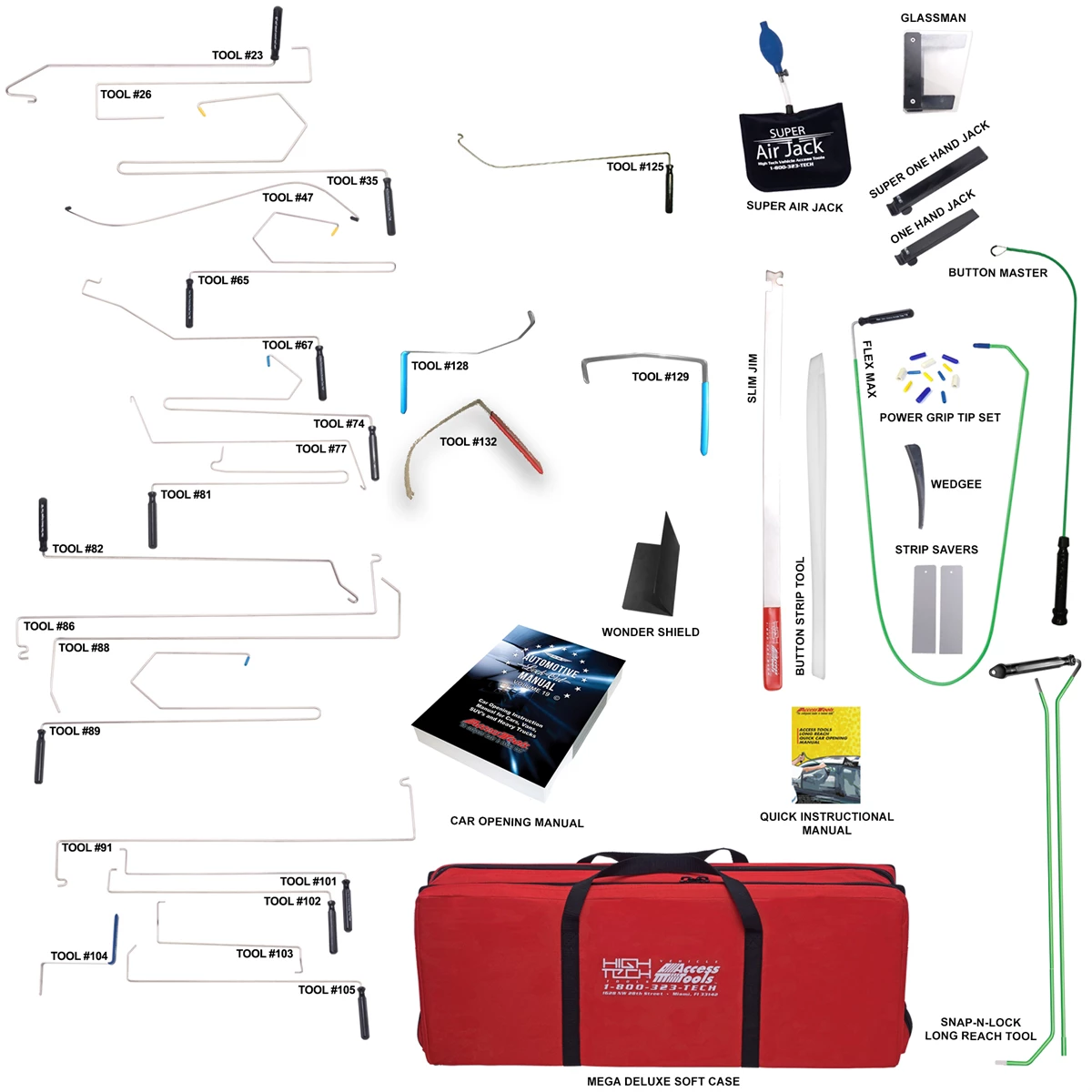
142862 SPRO Access Tools AETSPRO AET-SPRO 55 Piece Super Pro Complete Car Opening Set
Mfg: Access Tools
Part #: SPRO
ID: 142862
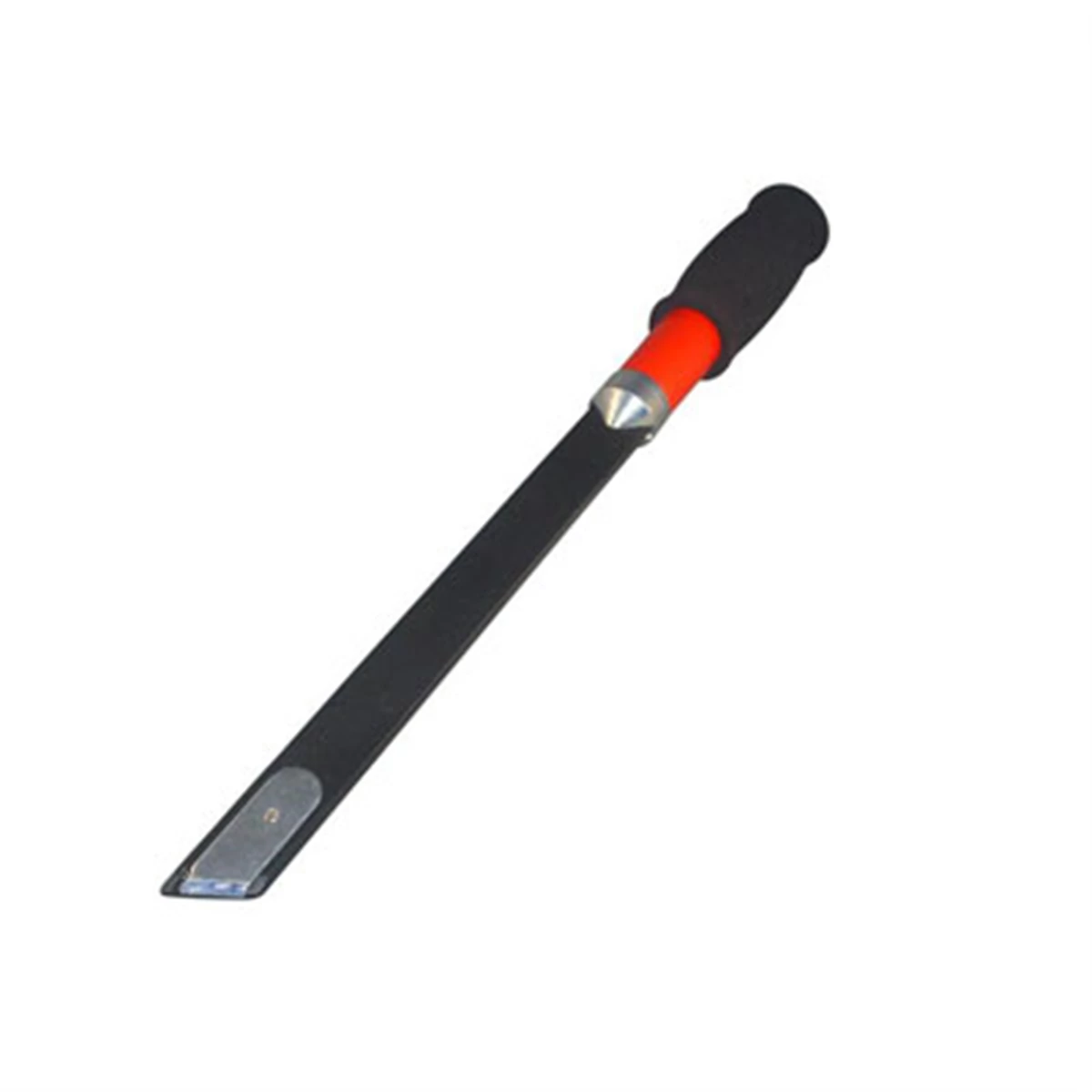
119821 26 Cal-van Tools CV26 18" Professional Windshield Knife
Mfg: Cal-van Tools
Part #: 26
ID: 119821
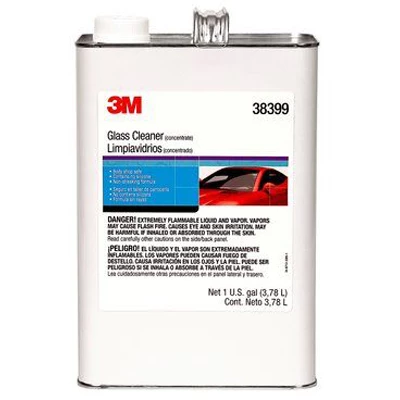
Body Shop Clean-Up Glass Cleaner Concentrate, 1 Gallon
Mfg: 3M Automotive
Part #: 38399
ID: 121400
Frequently Asked Questions
Can I drive my car legally with a cracked windshield?
Legal requirements vary by state, but all jurisdictions prohibit driving with windshield damage that obstructs the driver’s vision or compromises vehicle structural integrity. Minor chips outside the driver’s sight line are typically acceptable, but significant cracks or damage directly in the field of vision can result in citations. Law enforcement officers have discretion—explaining recent damage and plans for immediate repair may result in a warning rather than a ticket.
Will my windshield crack spread while driving?
Crack propagation depends on damage severity, temperature differentials, and mechanical stress. Highway speeds create wind pressure that can cause existing cracks to extend. Temperature changes from climate control systems or ambient conditions create expansion and contraction that accelerates spreading. Small chips may remain stable for extended driving, but large impacts with existing spiderweb cracks are likely to worsen during a long trip.
How quickly can I get a windshield replaced away from home?
Replacement timeframe depends on your vehicle make and model, local parts availability, and day of the week. Common vehicles may get same-day or next-day mobile service from national chains if parts are in stock locally. Less common vehicles, luxury cars, or those with integrated sensors may require ordering glass, typically adding 1-3 business days. Weekend and holiday service is extremely limited—damage occurring Saturday or Sunday often cannot be addressed until Tuesday or later.
Does insurance cover windshield replacement, and will my rates increase?
Most comprehensive auto insurance policies include glass coverage, often with zero or minimal deductible. Glass claims typically do not affect insurance rates as they’re considered no-fault incidents. However, policies vary—contact your specific insurer to confirm coverage terms. Many insurance companies work directly with glass replacement shops, handling billing without requiring upfront payment from you.
Is it safe to drive at highway speeds with a damaged windshield?
Safety depends on damage extent and location. Small chips away from the driver’s sight line present minimal immediate risk. Large impacts that have compromised both glass layers, created extensive spiderwebbing, or are directly in your field of vision are dangerous at any speed but especially at highway speeds where wind pressure is substantial. Modern windshields contribute 30 percent of vehicle structural integrity—significant damage reduces rollover protection. If you must drive, lower speeds on secondary roads are safer than interstate highway travel.
What should I do if my rental car windshield gets damaged during my trip?
Review your rental agreement immediately to understand your coverage. If you purchased the rental company’s collision damage waiver, contact their emergency claims line for guidance—they may arrange local repair or authorize continued driving for return-location repairs. If you declined rental coverage, contact your personal auto insurance company to confirm rental vehicle glass damage is covered under your policy. Document damage thoroughly with photographs and incident details regardless of coverage source.
Windshield Repair and Replacement Tools
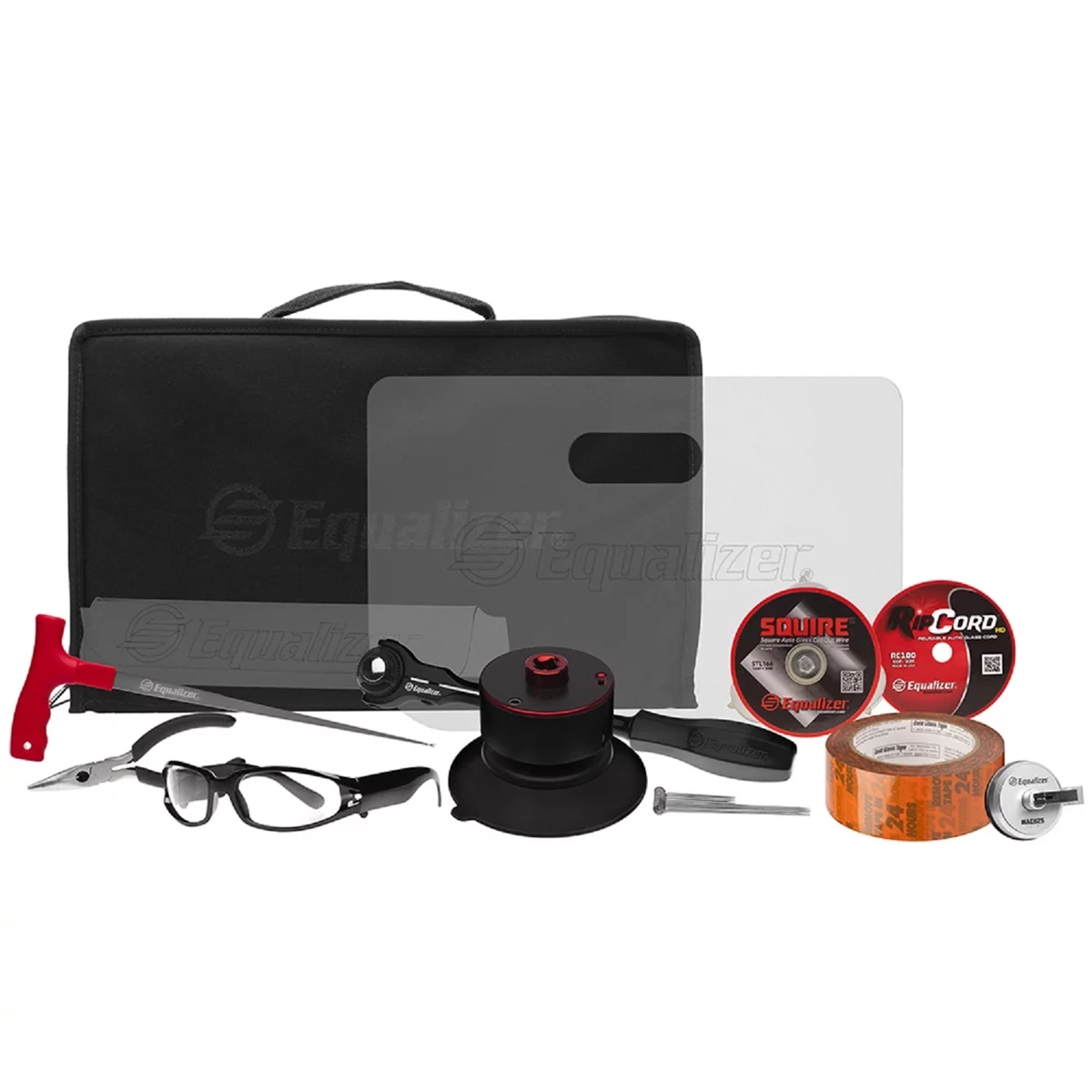
Handling windshield damage on the road often requires temporary stabilization and assessment tools. Our windshield tools and auto glass supplies cover the essentials for damage evaluation and temporary fixes.
- Clear tape, sealants, and protective materials for temporary stabilization
- Inspection tools and lighting for assessing damage severity and location
- Safety equipment for handling compromised glass

The Toolsource Technical Team blends decades of real-world automotive service experience with up-to-date technical research. Our writers collaborate with professional mechanics, shop owners, and diagnostic specialists to deliver practical, workshop-ready guidance you can trust.


Follow us on social media