Technician’s Guide to Fast, Streak-Free Automotive Glass: Pro Mixes, Tools, and Steps
Clean glass sells your work. It also takes time you don’t have. This guide consolidates pro-tested mixes and methods—using window-cleaning concentrates, simple isopropyl blends, and rinseless solutions—so you can deliver streak-free, tint-safe glass with fewer towels and fewer passes, even on tall SUVs and panoramic roofs.
Tools That Speed Up Glass Work
Use tools that reduce passes, manage residue, and let you reach more glass from fewer positions.
- T-bar window mop (applicator) and squeegee: A mop loads the surface with a slick solution and dislodges film; the squeegee removes solution in one pass. Choose a rigid channel and quality rubber for consistent contact.
- Glass-specific concentrates: Commercial window cleaning concentrates (e.g., Unger or Ettore types) are made to glide and release cleanly with a squeegee. They’re inexpensive per gallon when diluted correctly and leave little to no polymer residue.
- Sprayer coverage: For spray-and-wipe jobs, use a quality trigger sprayer or a small pump sprayer for consistent output. For interior glass, light atomization reduces overspray and streaking.
- Microfiber stack, purpose-sorted: Keep glass-dedicated towels only. Use a short-pile or waffle weave for initial wipe and a clean, dry, low-lint towel for final buff. Fold towels into quarters and work each clean panel before flipping.
- Sponge cloth or window cloth: High-absorbency sponge cloths load and spread solution evenly on exterior glass and help under squeegee channels where a towel can chatter.
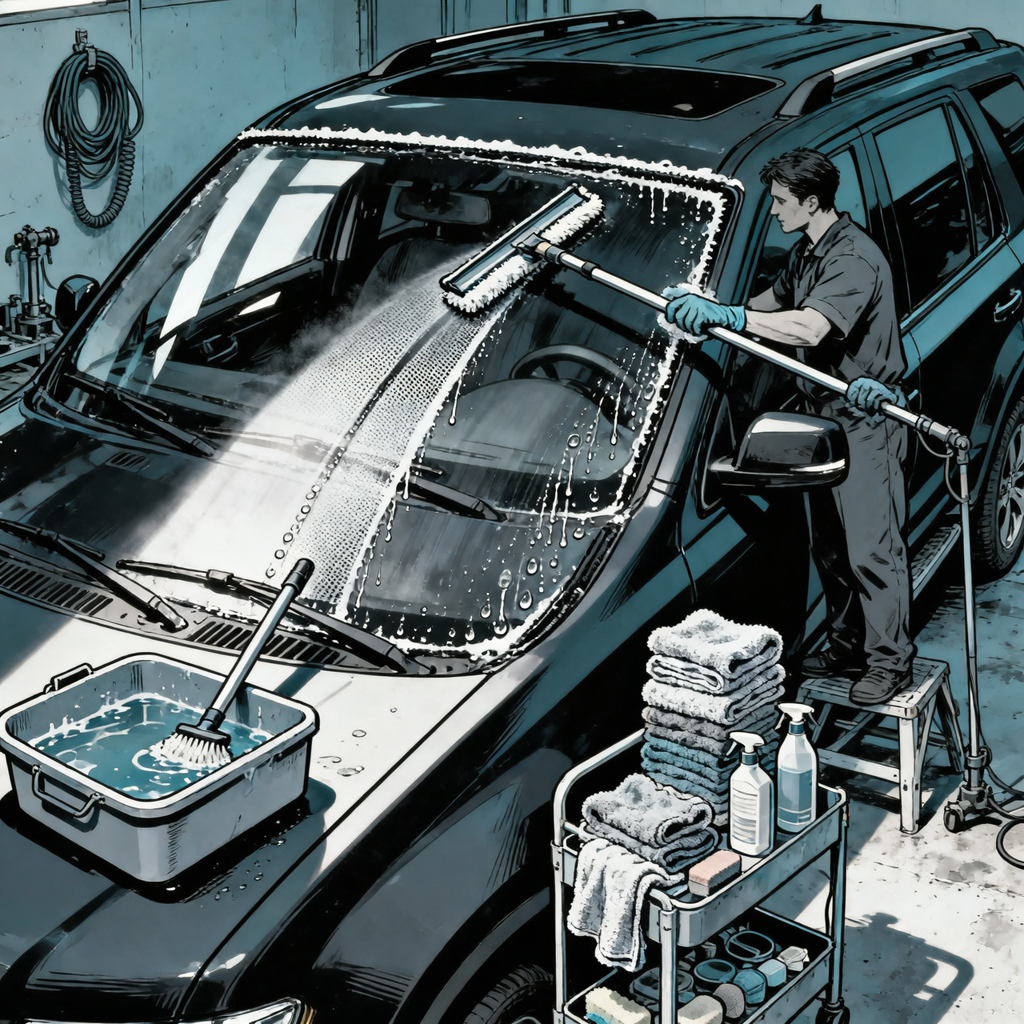
- Extension pole and angle adapter: Pair your T-bar and squeegee with a light pole and adjustable elbow to reach the midline of large windshields, sunroofs, and SUV roofs from one side. This cuts repositioning time and ladders.
- Work platform: For full-size SUVs and trucks, a folding work platform or low-height scaffold lets you maintain safe, square body positioning while clearing the upper third of windshields and hoods.
- Clay bar or synthetic clay mitt: For exterior glass with bonded contamination (water spots, overspray, road film), decontaminate first. If your squeegee skips or chatters, or towels drag, clay the glass.
- Lighting: Use cross-lighting (handheld or headlamp) to reveal streaks. A cool light at a shallow angle shows residue better than overhead shop lighting.
- Safety: Nitrile gloves, ventilation for alcohol-based mixes, and ammonia-free chemistry for tinted windows.
Mix Ratios That Work (DIY, Concentrates, and When to Use Each)
Match the chemistry to the task. Exterior glass tolerates a wider range of solutions; interior glass benefits from residue-free formulas that won’t fog.
DIY spray mix for routine glass
- Distilled water: 2 cups (473 ml)
- 70% isopropyl alcohol (IPA): 2–3 tablespoons (30–45 ml)
- Dawn-type dish soap: 4–6 drops
- Optional: White vinegar 2–3 tablespoons (30–45 ml) for mineral film
Why it works: IPA softens oily film and speeds dry; a few drops of dish surfactant break surface tension; distilled water reduces spotting; vinegar adds bite for hard-water haze. This mix flashes reasonably fast without heavy residue and is tint-safe (no ammonia). Use sparingly on interior glass to avoid over-wetting.
Window cleaning concentrates (bucket and squeegee)
- Commercial options: Professional window soaps from brands like Unger or Ettore are designed for squeegee glide and clean release.
- Dilution: Follow label. Typical bucket dilution is around 1–2 oz per gallon of water. The goal is slickness without heavy suds.
- Ingredient profile (per typical SDS): primary anionic surfactants (e.g., sodium alpha-olefin sulfonate), a glycol ether solvent for cleaning and drying (e.g., 2-(2-methoxypropoxy)propanol), and an amine oxide co-surfactant for foam and glide (e.g., lauramine oxide).
Why it works: This combo gives controlled glide, low residue, and a working time suited to squeegees. Ideal for large exterior panels, sunroofs, and windshields.
Rinseless wash as glass cleaner
- Exterior: A quality rinseless wash can clean exterior glass well, especially right after a wash. It adds slip and can reduce marring if light dust remains.
- Interior caution: Many rinseless formulas leave a microscopic polymer film. On interior glass this can increase fogging or streaking. If using rinseless inside, reduce concentration and follow with a final wipe using an alcohol-based, residue-free glass cleaner.
- Example working blend: 1:20 rinseless wash in water, optionally with a small addition of IPA for bite. Always test for streaking on interior glass and adjust.
Tint-safe and sun-friendly choices
- Tint safety: Avoid ammonia on aftermarket tint. If using household glass cleaners, confirm they are non-ammoniated. Professional concentrates and the DIY IPA mix above are ammonia-free.
- Sun and hot glass: Fast-flashing cleaners can streak in direct sun. In heat, add working time by increasing water in your mix, using a wetter mop load, and squeegeeing smaller sections. Consider a concentrate formulated for slower evaporation on hot surfaces.
Exterior Glass: Step-by-Step Process
This process is optimized for speed on windshields, side glass, and panoramic roofs.
- Pre-rinse or pre-wipe: If the vehicle was just washed, blow or wipe standing water off trim edges to limit drips. If dry, mist the glass lightly with water or rinseless solution to float loose dust.
- Decontaminate if needed: If your towel drags or the squeegee chatters, clay the glass with soap or rinseless as lube. Rinse or wipe clean.
- Choose your method: For large areas, use bucket-and-mop with a squeegee. For quick spots or tight edges, use a spray-and-wipe alcohol mix.
- Load and scrub: Dip the T-bar mop in diluted window concentrate and scrub the glass in overlapping passes, top to bottom. Work edges and the upper band beneath roof rails and weatherstrips.
- Squeegee technique: Start with a dry, clean blade. Pull a short “cut” along the top edge to prevent drips, then make a controlled horizontal pull across the width, overlapping 1–2 inches each pass. Wipe the rubber edge with a towel between passes to prevent tracks.
- Edge detail: With a clean, dry glass towel, trace the perimeter to catch any remaining moisture and lift from corners and seals. Buff only where needed—do not overwork.
- Final inspection: Cross-light the surface. If you see faint haze, perform a single light mist of the IPA mix and a one-pass buff with a clean towel panel.
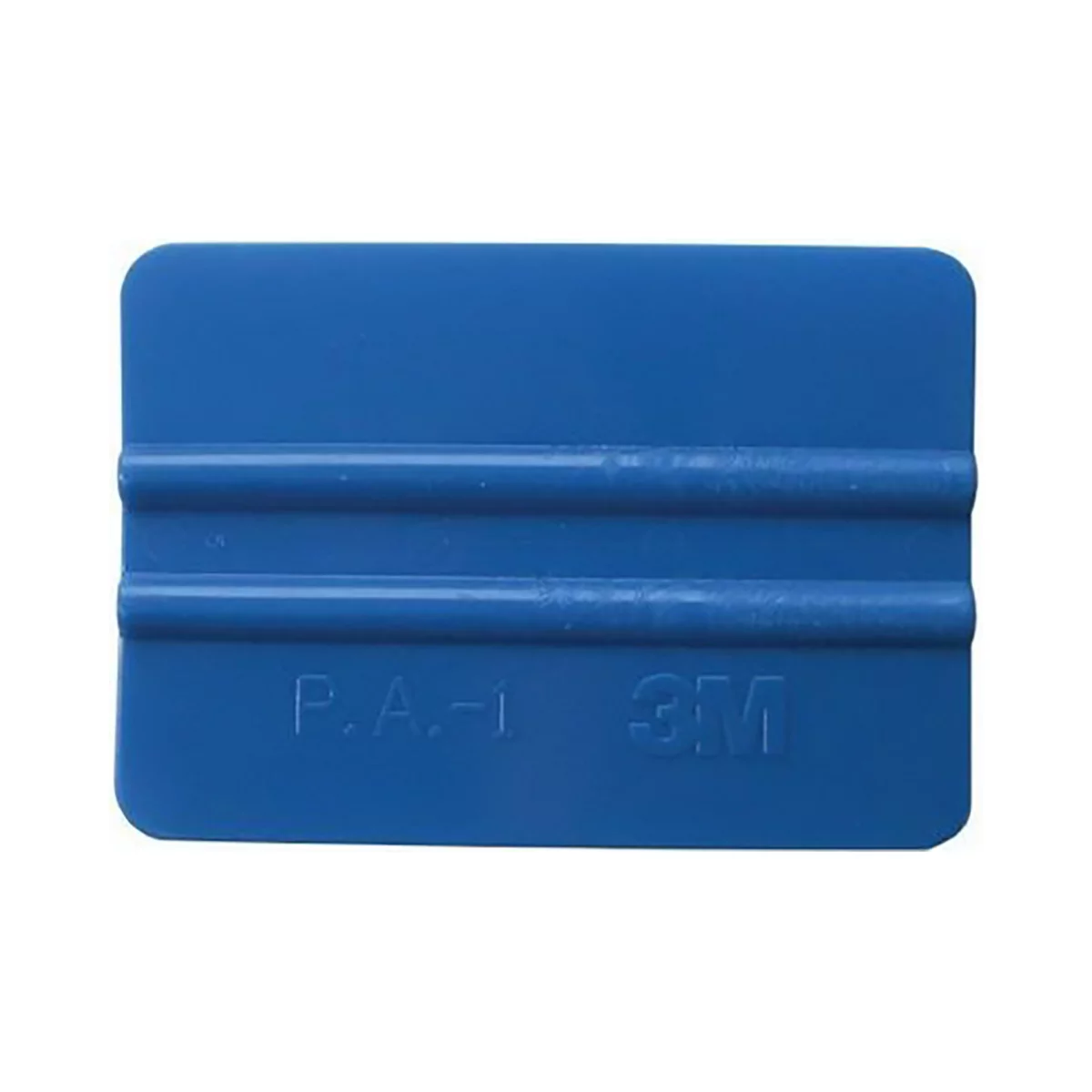
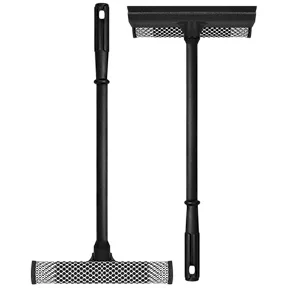
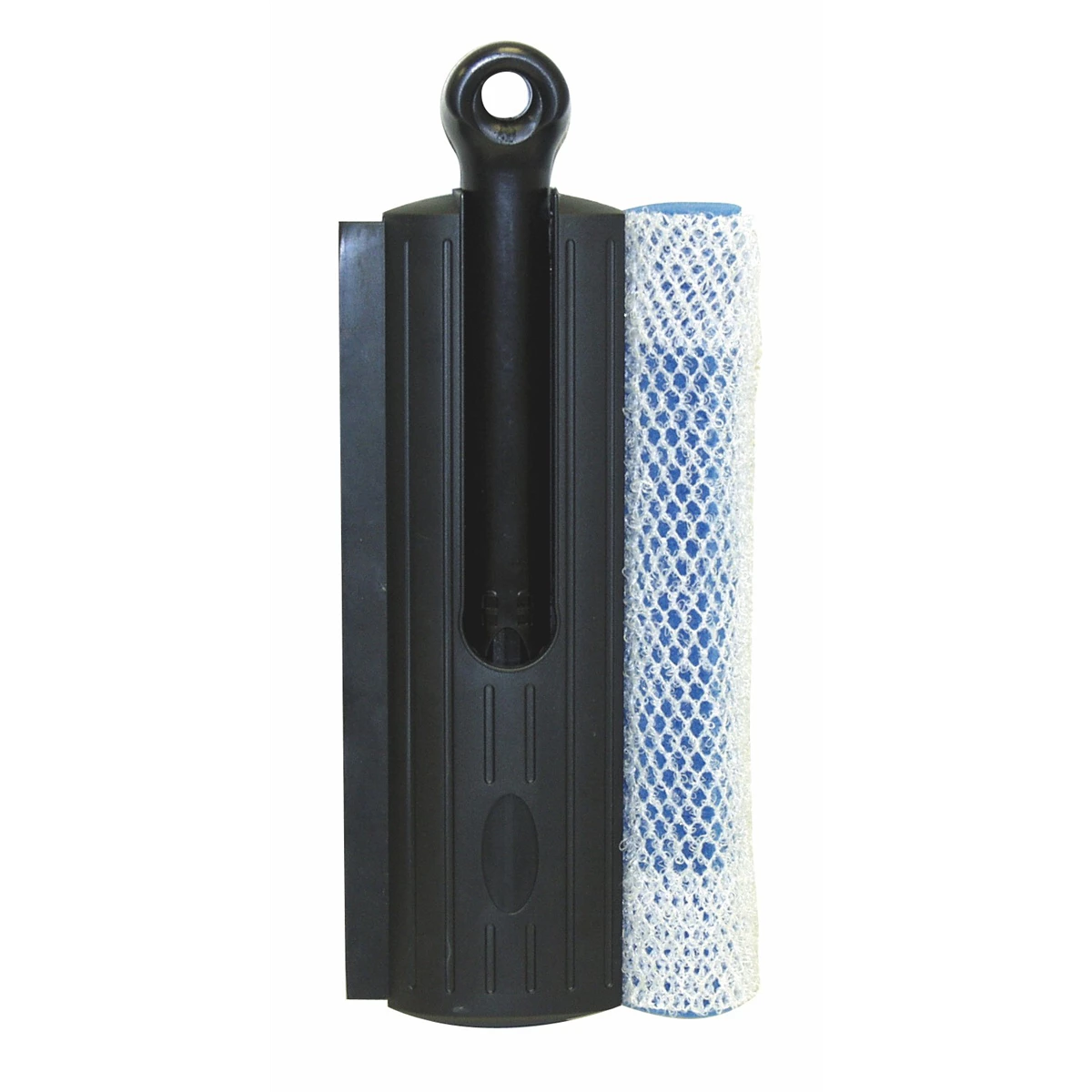
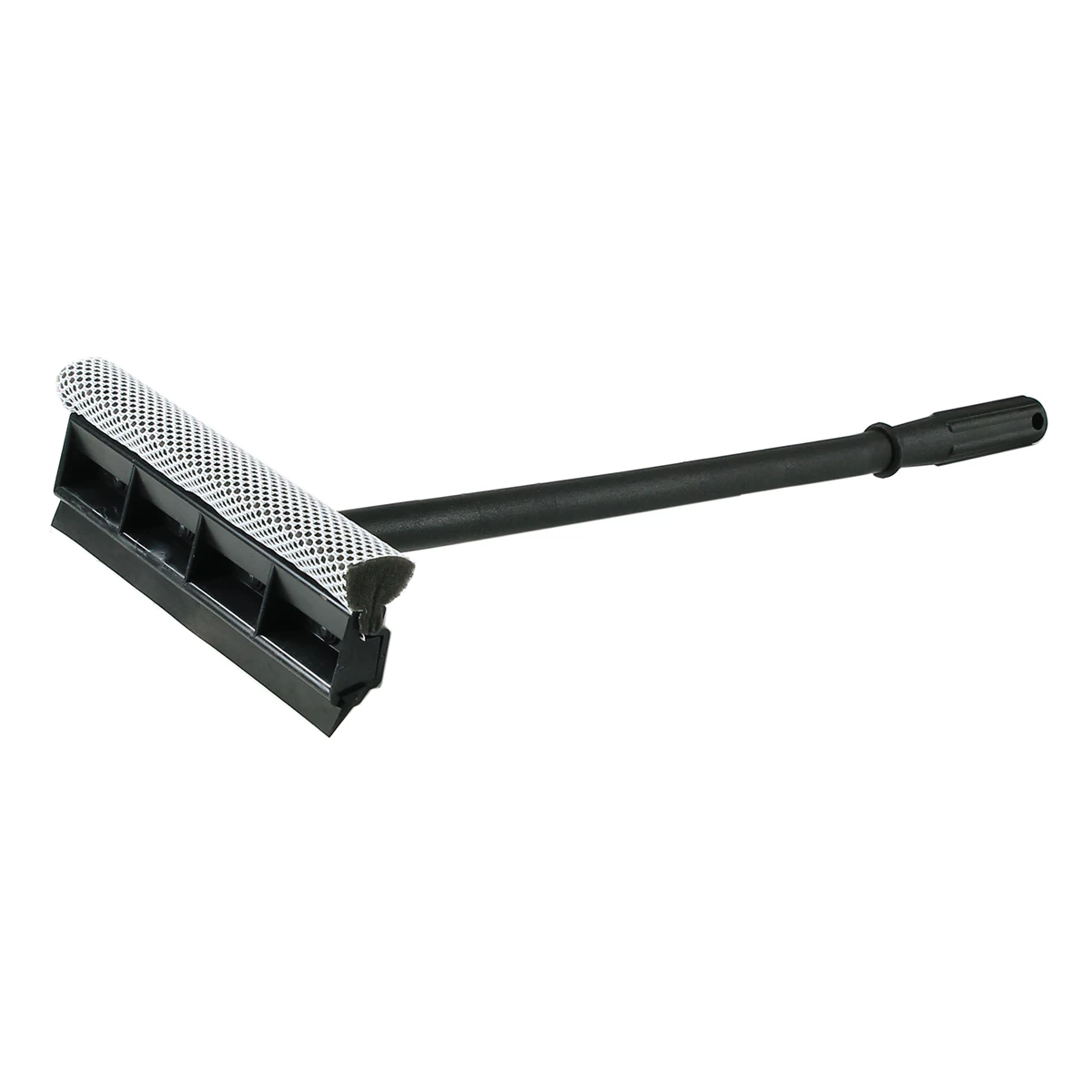
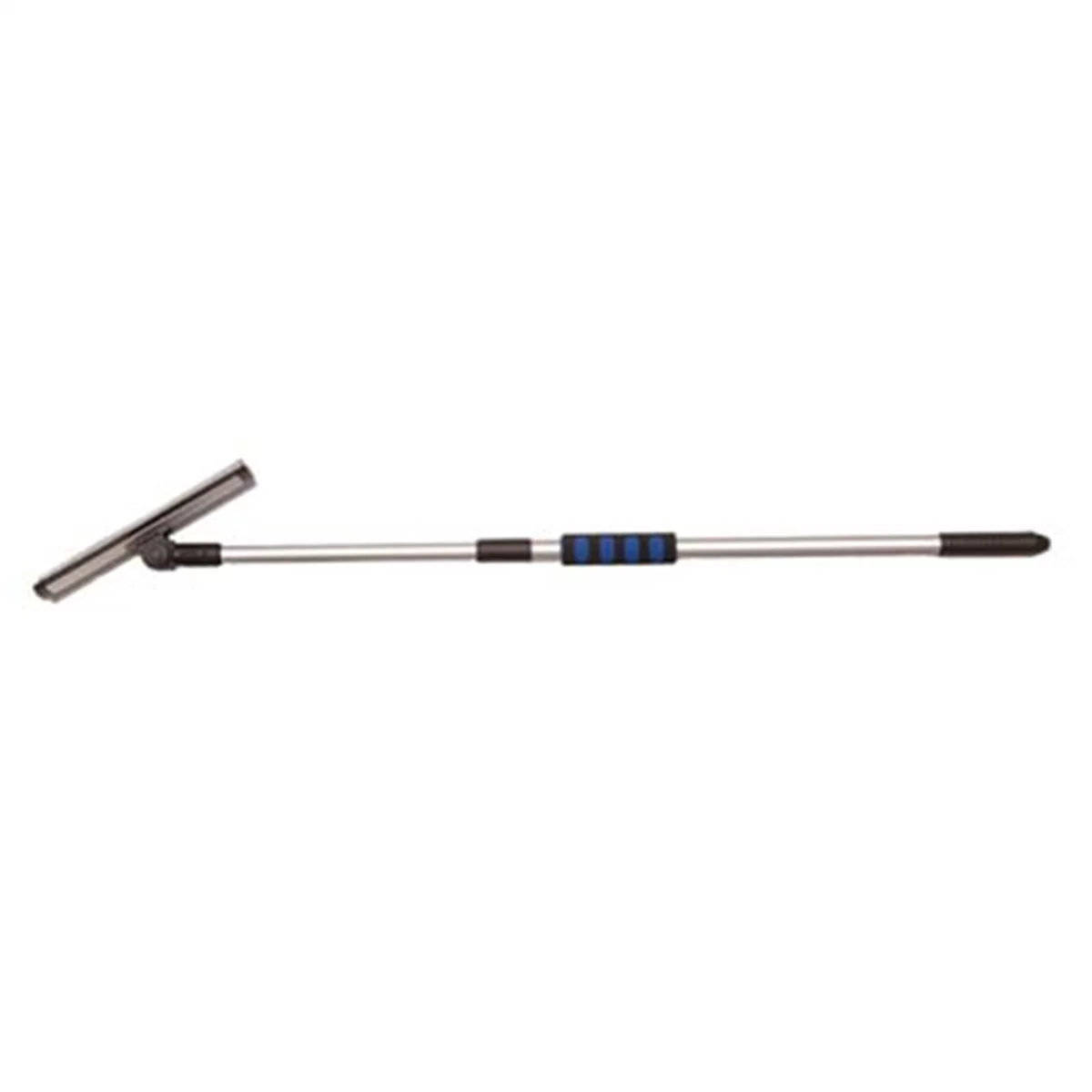
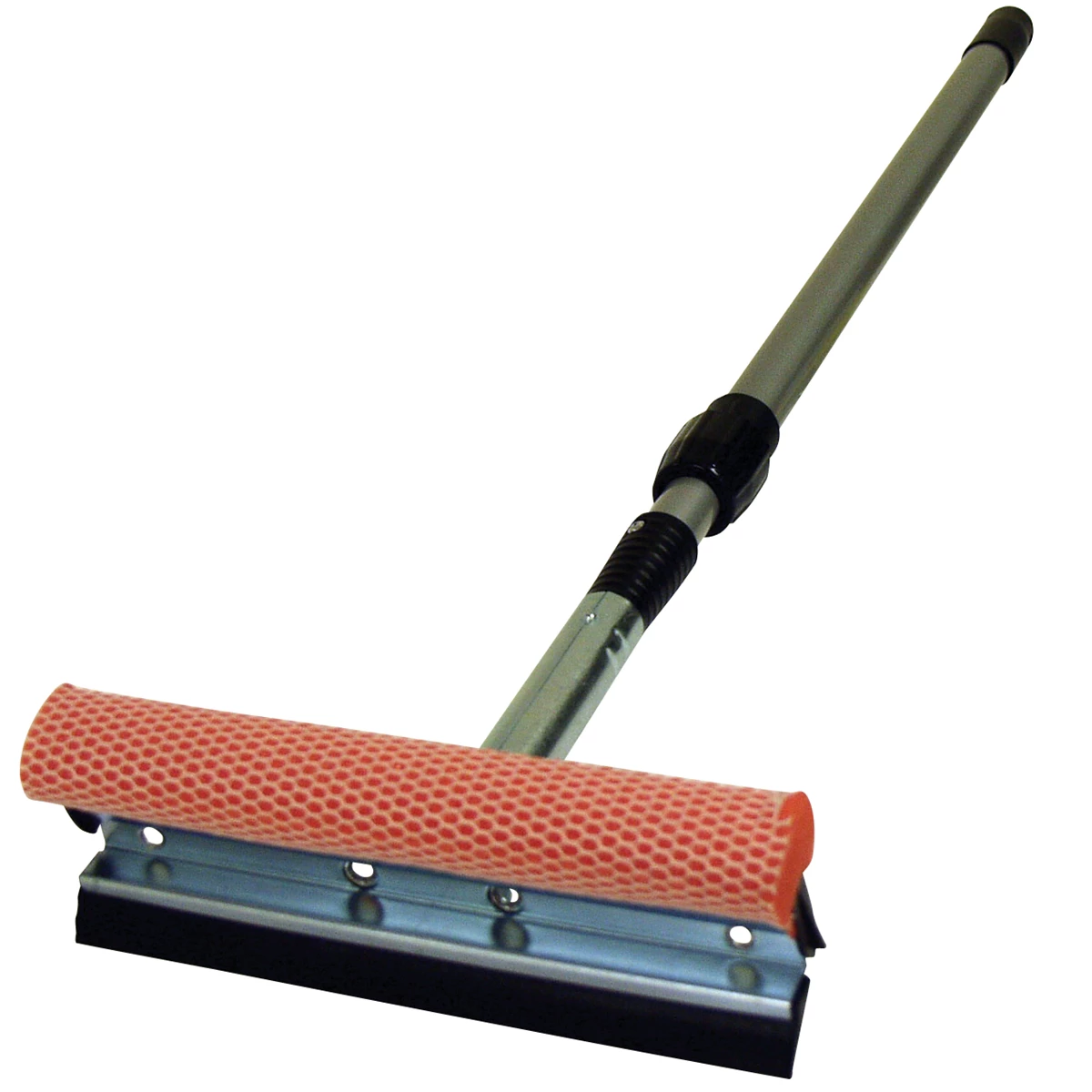
Time saver for SUVs and trucks: Attach your mop and squeegee to a light extension pole with an angle adapter. From one side of the vehicle, you can reach further into the center of the windshield and roof, reducing repositioning to two or three moves instead of five or six.
Interior Glass: Step-by-Step and Fogging Prevention
Interior film is a mix of plasticizers, HVAC residue, and smoke or road film. Use residue-free chemistry and control moisture to prevent streaks and fogging.
- Ventilation and prep: Open doors or windows. Set the HVAC to fresh air. Wear nitrile gloves to avoid skin oils transferring to towels.
- Dry dust first: Wipe the glass with a dry, clean glass towel to remove lint and loose dust. This reduces smearing later.
- Apply cleaner sparingly: Lightly mist the towel, not the glass, with a residue-free cleaner (DIY IPA mix or a pro glass cleaner that leaves no polymers). Avoid soaking edges near sensors, dash alcoves, and headliner.
- Two-towel method: With towel A (slightly damp), wipe in tight, overlapping horizontal passes across the bottom third first (where off-gassing is heaviest), then the rest. With towel B (dry, clean), immediately buff in vertical passes to cross-hatch and lift any remaining moisture.
- Edge and mirror detail: Use a dedicated, clean edge of towel to clean behind mirror stems and tight corners. For steep windshields, a handled glass reach tool helps maintain pressure without twisting your wrist.
- Final pass to prevent fogging: If you used any cleaner with polymers (including some rinseless solutions), finish with a very light IPA mist on a fresh towel and a final buff. This strips the film that can trap humidity and cause fog.
Tip: Replace or launder interior glass towels more frequently than exterior towels. Any trapped dressing or APC residue will streak glass relentlessly.
Troubleshooting Streaks, Sun, and Contamination
- Streaks that appear only in sun: Your mix is flashing too fast or you are over-atomizing. Increase water content, reduce alcohol, and work smaller sections. Use a mop load and squeegee instead of spray-and-wipe on hot glass.
- Persistent haze after multiple wipes: You are moving residue, not removing it. Switch to a residue-free cleaner, increase your towel rotation, and perform a quick clay decon on the exterior. Replace towels if they’ve seen dressings.
- Squeegee tracks: Clean and dry the rubber frequently, replace worn blades, and ensure glass is fully wet under the channel. If tracks persist, reduce concentrate strength slightly for longer wetting.
- Fogging returns after a few days: Interior film remains. Use a higher IPA ratio on the first pass (e.g., 3 tablespoons per 16 oz bottle) and ensure your final pass is with a fresh, completely dry towel. Check cabin filter and defogger operation if buildup is rapid.
- Lint and fibers: Switch to a tighter weave or lint-free glass towel. Launder towels without fabric softener and low-heat dry. Store glass towels separately in sealed bins.
- Water spotting: Spotting is mineral content drying on the surface. Use distilled water in your mixes. For light spots, include a small vinegar amount in the DIY mix. For etched spots, clay then polish lightly with a dedicated glass polish.
- Tint damage concerns: Avoid ammonia-containing products on aftermarket tint. When in doubt, test a non-ammoniated, tint-safe cleaner in a low-visibility corner.
- Odor sensitivity: Alcohol-based DIY mixes are generally low-odor and flash quickly. Commercial concentrates formulated for window cleaning also tend to be low-odor compared to foaming aerosols.
Quick checklist:
- Use mop and squeegee on large exterior glass; spray-and-wipe for small sections.
- DIY IPA mix for interiors; avoid polymer-heavy products inside to reduce fogging.
- Fold towels into quarters; rotate panels each pass.
- Clay exterior glass if towels drag or squeegee skips.
- Work in shade or increase water content to beat sun flash.
- Confirm ammonia-free products for tinted windows.
- Ventilate and mist towels (not glass) inside the cabin.
FAQs
Which is faster: squeegee or spray-and-wipe?
On large exterior panels, a bucket-loaded mop with a squeegee is fastest and uses fewer towels. Spray-and-wipe is efficient for spot cleaning and interiors where you need moisture control.
Do rinseless washes work on glass?
Yes for exterior glass, especially post-wash. For interiors, the polymer film in some rinseless products can promote fogging. Use a residue-free final pass with an alcohol-based cleaner to strip polymers inside.
Is a DIY IPA mix safe on tinted windows?
Yes, alcohol-and-water mixes with a few drops of dish surfactant and optional vinegar are ammonia-free and typically tint-safe. Always avoid ammonia on aftermarket tint and test any new product in a corner first.
How do I prevent streaks in direct sun?
Work smaller sections, increase water in the mix, use a wetter applicator load, and squeegee immediately. If possible, reposition the vehicle or use a shade panel. Some professional window concentrates offer longer open time on hot glass.
When should I clay the glass?
If you feel roughness after washing, see wiper chatter, squeegee skipping, or persistent wiper smearing after cleaning, clay the glass. Follow with your normal cleaner and a final alcohol-based wipe for perfect clarity.
Is a foaming aerosol glass cleaner necessary?
Not required. Concentrates and DIY mixes are cost-effective and leave little residue. Foams can be useful on vertical interiors for control, but they often carry more fragrance and propellants that may leave a light film.
Shop Glass and Windshield Tools
Finish the job faster with Glass and Windshield Tools—from applicators to reach aids that support streak-free results inside and out.
- Squeegees, T-bar window mops, and rigid channels with quality rubber.
- Extension poles, angle adapters, handled reach tools, and work platforms.
- Glass-dedicated towels, sponge/window cloths, and tint-safe accessories.

The Toolsource Technical Team blends decades of real-world automotive service experience with up-to-date technical research. Our writers collaborate with professional mechanics, shop owners, and diagnostic specialists to deliver practical, workshop-ready guidance you can trust.


Follow us on social media