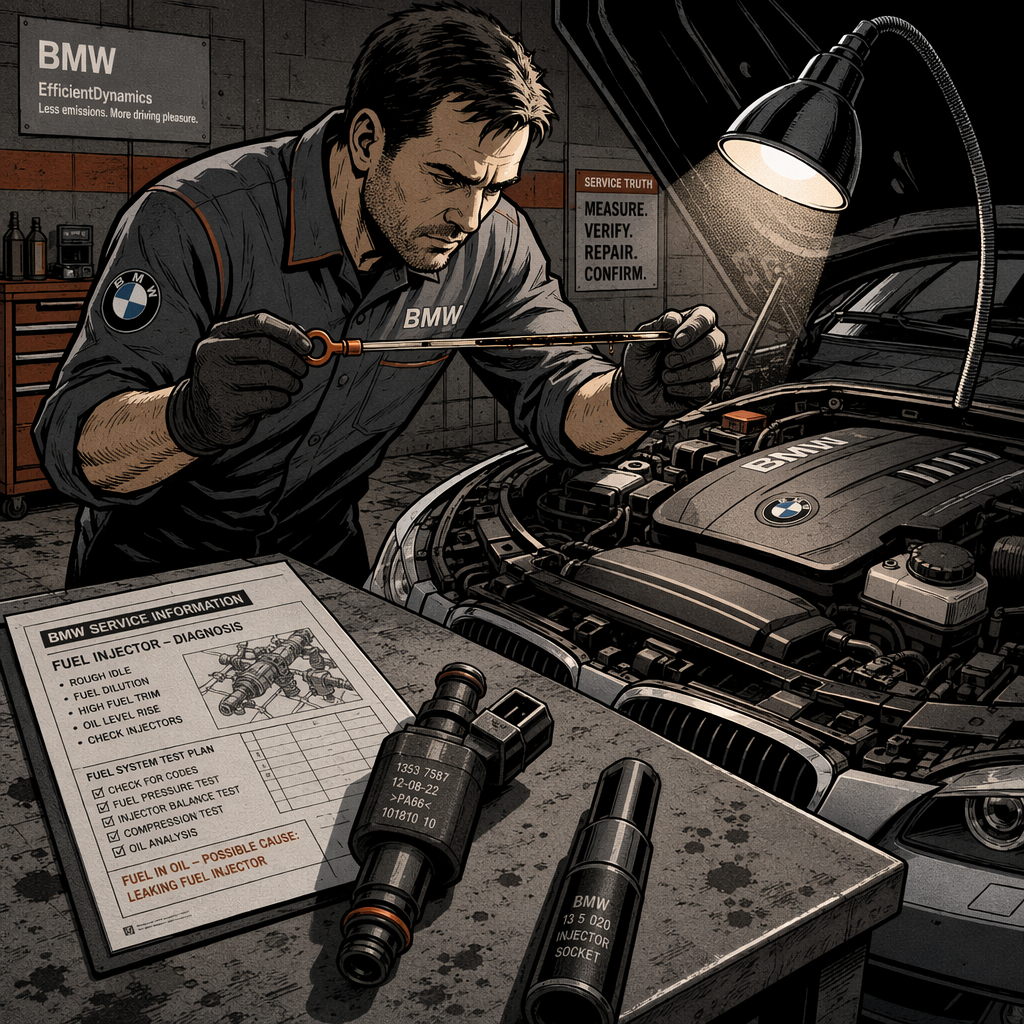
When a BMW rolls into your bay with a misfire and you find failed injectors, the repair seems straightforward: swap the parts, clear the codes, test drive. But modern BMW fuel systems demand more than a simple R&R. Miss the injector coding step, ignore fuel dilution in the crankcase, or push a compromised engine too hard on a test drive, and you’re looking at a seized engine and a liability claim that could cost your shop tens of thousands. This guide walks through the critical steps technicians must follow when diagnosing and repairing fuel injector issues on BMW vehicles, with special attention to the coding requirements, pre-existing damage assessment, and liability protection measures that separate professional shops from weekend wrenchers.
Understanding BMW Injector Coding Requirements
BMW, Mercedes, and most German manufacturers use individualized injector coding to compensate for manufacturing tolerances. Each injector receives a calibration code that tells the DME (Digital Motor Electronics) its exact flow rate and response time. No two injectors are perfectly identical coming off the production line, and these microscopic variations matter when you’re aiming for precise air-fuel ratios across six or eight cylinders.
The coding process involves entering the calibration numbers—printed on each new injector—into the DME using ISTA (BMW’s service software) or equivalent diagnostic platforms. This isn’t optional trim work; it’s a required step that ensures the ECU can deliver the correct pulse width to each cylinder. Skip this step and you’re essentially telling the DME to treat a new injector like the old one, with its own unique flow characteristics.
That said, the consequences of uncoded injectors are often overstated. In most cases, you’ll see a check engine light, rough idle, or minor misfire—not catastrophic failure. The DME’s adaptive fuel trims can compensate for small deviations, which is why some vehicles appear to “run fine” immediately after injector replacement even without coding. The real problems emerge over time or under load, when the ECU can’t correct for the mismatch and you start seeing rich or lean codes, carbon buildup, or fuel wash in the cylinders.
The key takeaway: injector coding prevents driveability issues and diagnostic headaches, but it won’t typically cause an engine to seize during a short test drive. If a motor locks up immediately after injector work, you’re almost certainly dealing with a separate issue—pre-existing damage, installation errors, or diagnostic negligence.
Recognizing Pre-Existing Damage vs. Installation Faults
Here’s where diagnostic discipline separates professionals from parts-slingers. When a vehicle arrives with heavy smoking, power loss, and confirmed injector failure, your first question should be: what else is already damaged? A stuck-open injector doesn’t just cause a misfire—it dumps raw fuel into the cylinder, washing oil from the cylinder walls, diluting the crankcase, and potentially compromising rod bearings and piston rings.
Before you quote injector replacement, check the oil. Pull the dipstick and smell it. If it reeks of gasoline or the level has climbed significantly above the full mark, you’ve got fuel dilution. In severe cases, techs have found the crankcase overfilled by quarts of raw fuel. That contaminated oil has already been circulating through the bearings, and damage may be done even if the engine still turns over.
High-mileage BMW V8s—especially the S63 engine—are notorious for rod bearing wear even under normal conditions. By 140,000 miles, many are on borrowed time. Add fuel dilution to worn bearings and you have a recipe for failure that no amount of injector coding will prevent. The engine might run for another 50 miles or 5 miles; there’s no way to predict when the bearings will let go.
This is where documentation becomes your best friend. Before accepting the job, note the oil condition, compression test results if available, and any smoking or performance issues. If the engine is already heavily compromised, you need to have a conversation with the customer about risk. Replacing injectors on a motor that’s already washing fuel into the bearings is like putting new tires on a car with a cracked frame—you’re treating a symptom, not the disease.
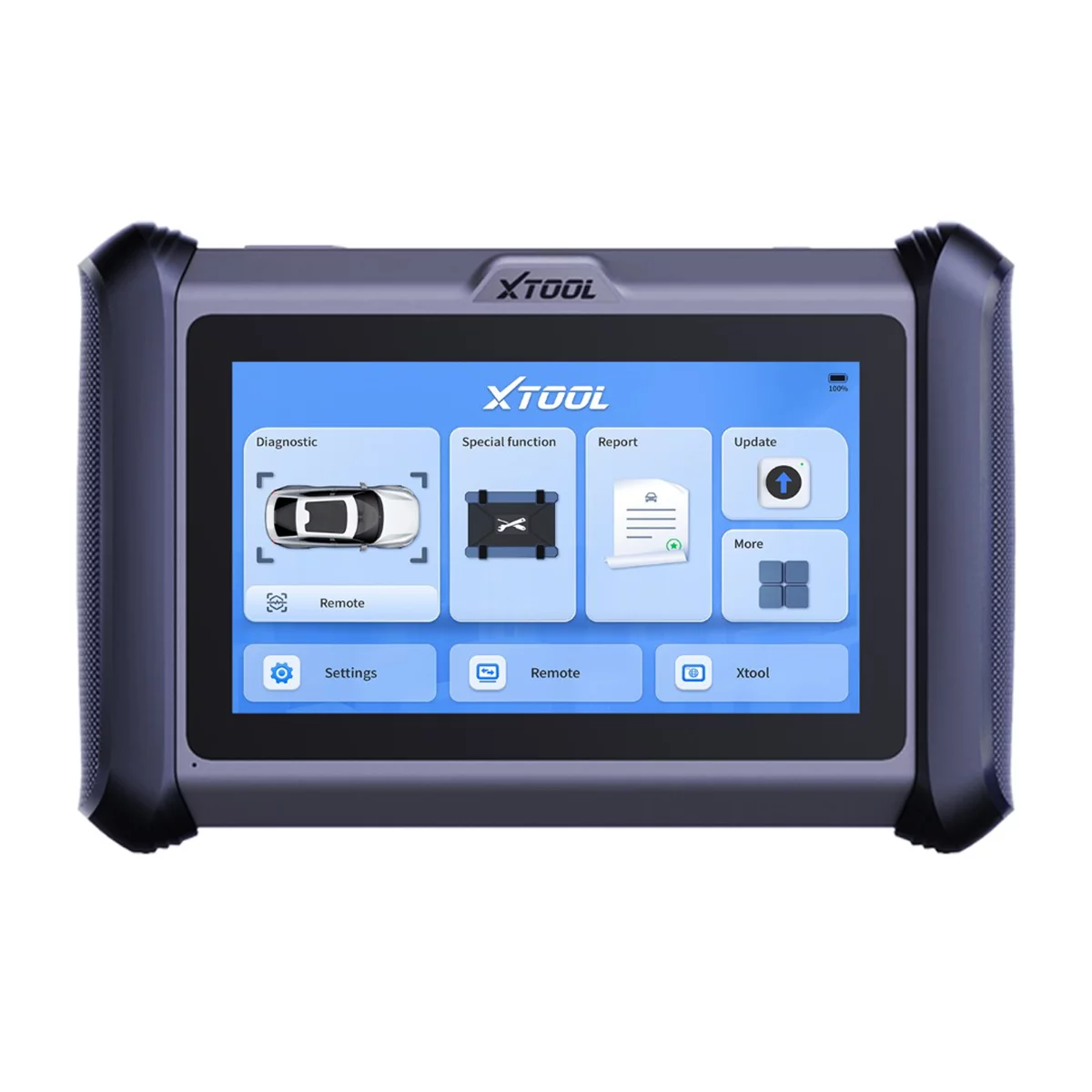
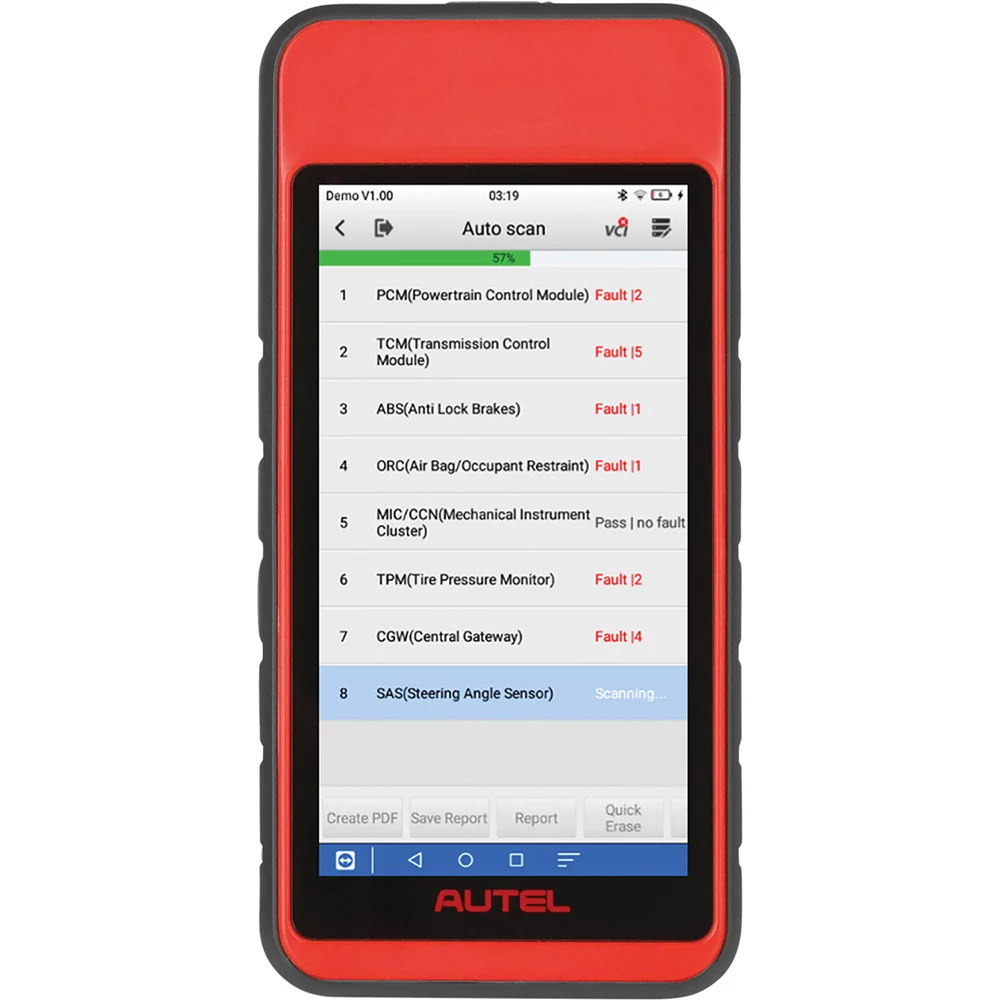
The Autel MaxiDIAG 909PRO is a wireless Android-based All-System
Mfg: Autel.us
Part #: MD909PRO
Proper Diagnostic and Repair Procedures
Once you’ve assessed the baseline condition, follow a systematic approach to injector diagnosis and replacement. Start with proper fault code analysis using ISTA or a quality aftermarket scan tool that can read BMW-specific parameters. Look for mixture adaptation values, individual cylinder fuel trims, and injector-specific fault codes. Cross-reference mechanical symptoms—misfires, smoking, fuel smell—with sensor data.
When replacing injectors, use OEM parts or aftermarket units with matching flow rates. Mixing injector specs is asking for trouble, even with coding. During installation, inspect the injector seals and O-rings carefully. A leaking injector seat can allow fuel to bypass the spray pattern and pool in the intake or cylinder, causing symptoms identical to a failed injector.
After installation, enter the injector codes into the DME. This is non-negotiable. Even if the car seems to run acceptably without coding, you’re setting the customer up for future driveability complaints and potentially masking underlying fuel system issues. Take the extra fifteen minutes to do it right.
Next, address the contaminated oil. If you found fuel dilution during your initial inspection, a simple oil change isn’t enough. Drain the oil, replace the filter, and consider a second oil change after a short break-in period. Some techs recommend an engine flush for severe cases, though this is controversial—if bearings are already damaged, aggressive flushing can dislodge debris and accelerate failure. Use your judgment based on contamination severity.
Finally, perform a cautious test drive. This is where many shops get into trouble. If the engine was running rough, smoking heavily, or showing signs of mechanical distress, a “spirited” test drive to “build compression” is professional malpractice. Compression doesn’t build from driving; it returns gradually as oil re-coats washed cylinder walls. Hammering on a compromised engine during testing is the fastest way to turn a driveability issue into a seized motor—and a liability claim.
Test Drive Protocols and Liability Protection
Every test drive should match the vehicle’s condition. For a routine injector replacement on a well-maintained engine, a normal drive cycle is appropriate—idle observation, light acceleration, highway speeds if needed to verify fuel trims under load. But for a vehicle that arrived smoking and misfiring, your test drive should be conservative: limited RPM, close monitoring of oil pressure and temperature, and an immediate shutdown at any sign of abnormal noise or performance.
Never take a car with known mechanical compromise on a second test drive without customer authorization. If the first test showed improvement but ongoing issues, document the findings and consult with the customer before further operation. “We drove it hard to see if it would break” is not a defensible repair strategy.
Some shops adopt a policy of refusing test drives on severely compromised engines altogether. Instead, they perform static tests—fuel pressure, injector balance, compression—and clearly document any recommendations or warnings. If the customer insists on repair despite warnings about pre-existing damage, get it in writing. A signed acknowledgment that the engine showed signs of bearing wear or fuel dilution before work began can be the difference between a covered insurance claim and an out-of-pocket loss.
When Things Go Wrong: Liability and Next Steps
Despite best efforts, engines sometimes fail during or immediately after repair. The critical question is always: did the shop’s work cause the failure, or was it the inevitable result of pre-existing damage? This is where thorough documentation, conservative test procedures, and transparent communication with the customer determine the outcome.
If an engine seizes on your watch, stop immediately. Don’t attempt to restart it, don’t “see if it frees up,” and absolutely don’t tell the customer it would have failed anyway so they should pay for a new motor. Your first step is a professional teardown to establish the failure mode. Was it a dropped valve seat from thermal damage? Rod bearing failure from fuel-contaminated oil? A piston seized from inadequate lubrication? Each failure mode tells a different story about causation.
In many cases, you’ll need a third-party inspection to establish liability. An independent BMW specialist or dealer technician can provide an objective assessment of whether the failure resulted from improper repair procedures, missed diagnostic steps, or pre-existing conditions beyond the shop’s control. This report becomes critical if the situation escalates to insurance claims or legal action.
Most reputable shops carry garage liability insurance specifically for situations like this. If your work directly caused the failure—forgot to code injectors, installed wrong parts, failed to address obvious fuel dilution—your insurance should cover the repair. But if the teardown shows a dropped valve seat from previous overheating or rod bearings worn to the backing, you have a strong case that the engine was already compromised when it arrived.
The “building compression” excuse mentioned in real-world cases is indefensible and suggests either poor training or an attempt to justify unnecessary risk-taking. Compression returns as oil re-coats the rings during gentle running, not aggressive driving. Any shop that tells a customer they needed to “test it hard” after finding fuel dilution and smoking is exposing themselves to justified liability claims.
Special Considerations for High-Mileage BMW V8s
The S63 and related BMW V8 engines deserve special mention because they combine complex fuel systems with known bearing durability issues. By 100,000 miles, many of these engines are operating with measurably increased bearing clearances. Add a stuck injector washing fuel past the rings, and you’re looking at a ticking time bomb.
When diagnosing injector issues on high-mileage V8s, always check for service history on bearing replacement or monitoring. Some owners proactively replace rod bearings as preventive maintenance; others run them until failure. If you’re looking at a 140,000-mile S63 with no bearing service history, heavy smoking, and confirmed injector failure, have a frank conversation about engine longevity before proceeding with injector replacement alone.
In some cases, the right answer is engine replacement or a comprehensive rebuild, not a band-aid injector swap. Yes, it’s a harder conversation and a bigger bill, but it’s also honest service that protects both the customer and your shop from predictable failure down the road.
Additionally, check for open recalls or extended warranties on these engines. BMW has issued various campaigns for fuel system and engine components over the years. A quick call to a dealer service department with the VIN can reveal coverage options that change the entire repair strategy.
Essential Checklist for BMW Injector Service
- Document initial condition: oil level and smell, smoke from exhaust, severity of misfire, customer-reported symptoms
- Retrieve and analyze fault codes: use ISTA or equivalent to pull BMW-specific injector and fuel trim data
- Check for fuel contamination: inspect oil for gasoline smell and overfill conditions
- Verify parts match: confirm new injectors match OEM flow rates or are genuine BMW parts
- Code injectors to DME: enter calibration numbers from each injector using diagnostic software
- Address oil contamination: drain and replace oil and filter if fuel dilution is present
- Perform cautious test drive: limit RPM and duration on compromised engines; abort at any abnormal symptoms
- Get customer authorization: for additional testing or driving on engines with known mechanical issues
- Document all procedures: injector codes entered, oil service performed, test drive observations

Frequently Asked Questions
Will uncoded injectors cause an engine to seize?
No. Uncoded injectors may cause rough running, check engine lights, or minor misfires because the DME can’t precisely control fuel delivery. However, the adaptive fuel system can compensate for small flow variations. Engine seizure during or immediately after injector replacement typically indicates pre-existing damage—fuel-washed bearings, thermal damage, or mechanical wear—not a failure to enter injector codes.
How do I know if fuel has contaminated the engine oil?
Pull the dipstick and smell the oil. Gasoline has a distinctive odor that’s immediately obvious when mixed with motor oil. Also check the oil level—fuel dilution often causes the level to rise significantly above the full mark. In severe cases, the oil may appear thinner than normal and smell strongly of raw fuel. Any of these signs require an oil change before further engine operation.
What is “building compression” and does it require aggressive driving?
When fuel washes past piston rings, it removes the oil film that seals the combustion chamber, temporarily reducing compression. As fresh oil circulates and re-coats the rings, compression gradually returns. This happens during normal, gentle running as the engine warms up—not from hard acceleration or high RPM operation. Any shop claiming they need to “drive it hard” to restore compression is either poorly trained or making excuses for inappropriate test drive behavior.
Are BMW S63 engines prone to rod bearing failure?
Yes. The S63 and related BMW V8 engines are known for premature rod bearing wear, especially at higher mileages. By 100,000-140,000 miles, many engines show measurable bearing clearance increases even without additional stress factors. When combined with fuel dilution from stuck injectors, bearing failure risk increases significantly. High-mileage S63 engines with injector problems should be evaluated for bearing condition before proceeding with repairs.
What should I do if an engine fails during my repair?
Stop immediately and do not attempt to restart the engine. Document the failure mode—sounds, symptoms, conditions when it occurred. Inform the customer promptly and recommend a professional teardown to establish the cause. Consider bringing in a third-party inspector for an objective assessment. Contact your shop’s liability insurance and provide them with all documentation. Do not make definitive statements about fault until the teardown is complete.
Can I be held liable if an engine fails from pre-existing damage?
Generally no, if you properly documented the pre-existing condition, performed appropriate diagnostics, and followed conservative test procedures. However, liability often hinges on whether you adequately communicated risks to the customer and obtained authorization for work on a compromised engine. Aggressive test driving of an engine showing signs of mechanical distress—smoking, fuel dilution, bearing noise—can shift liability to the shop regardless of pre-existing issues.
Diagnostic Tools for BMW Injector Service
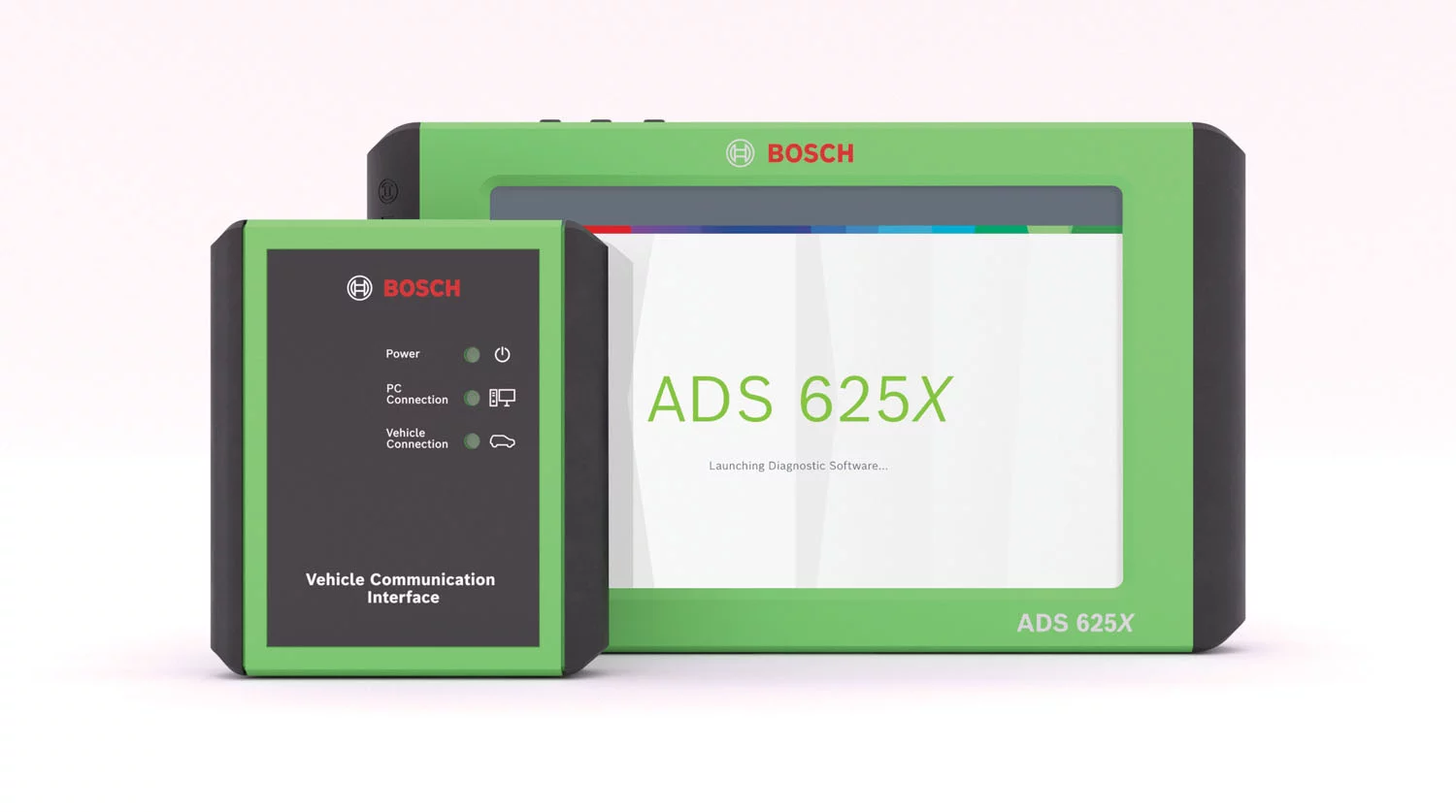
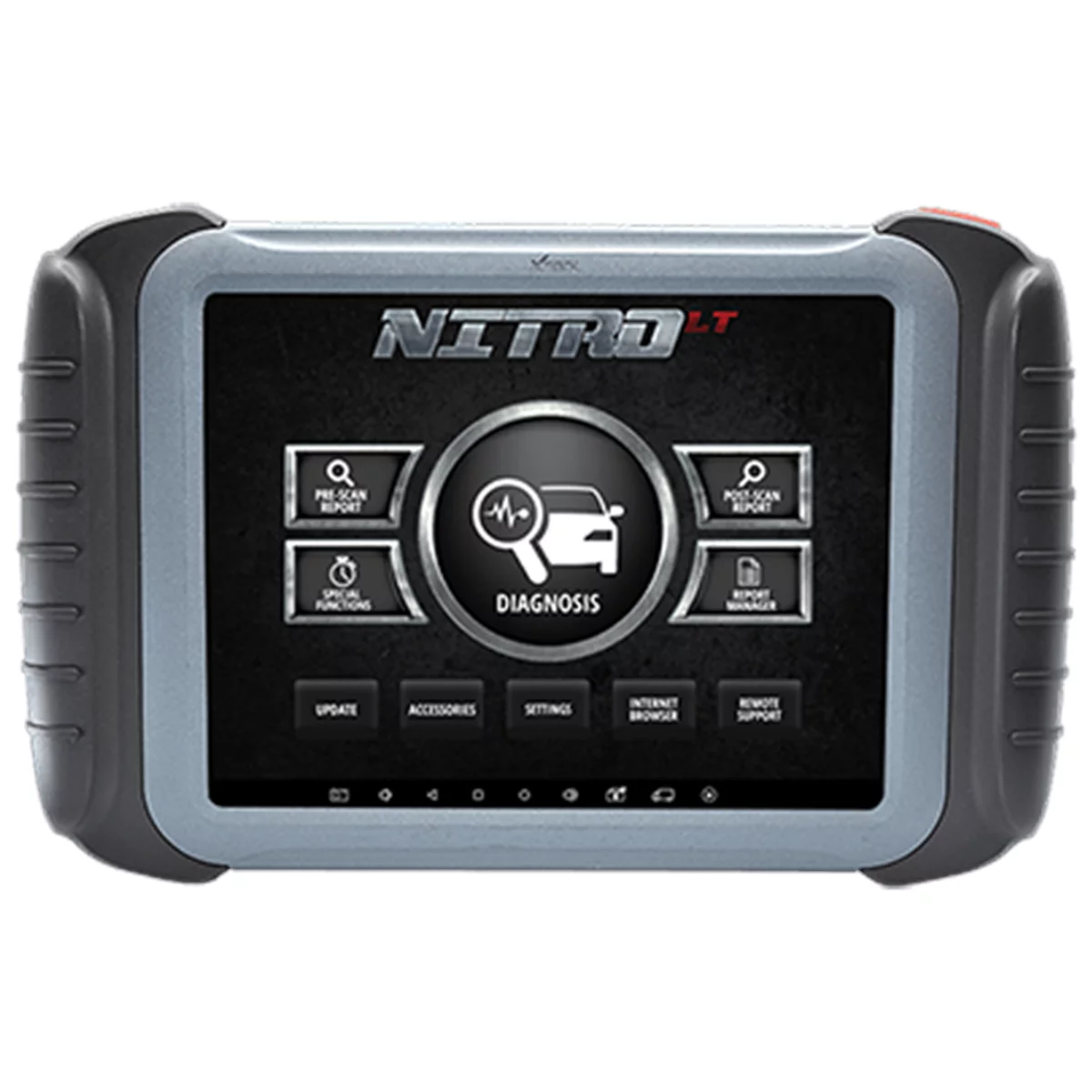
Proper diagnosis is the foundation of safe injector repair. Whether you’re pulling fault codes, analyzing fuel trims, or documenting pre-existing damage, the right diagnostic equipment makes the difference between a thorough repair and an expensive liability claim. Our Automotive Diagnostic Tools selection includes scan tools, code readers, and software platforms that help you quickly identify injector faults and fuel system issues before they become problems.
- BMW-specific scan tools and ISTA-compatible devices for accurate fault code retrieval
- Fuel pressure testers and injector balance tools for mechanical verification
- Oil contamination assessment aids to document pre-existing damage

The Toolsource Technical Team blends decades of real-world automotive service experience with up-to-date technical research. Our writers collaborate with professional mechanics, shop owners, and diagnostic specialists to deliver practical, workshop-ready guidance you can trust.


Follow us on social media