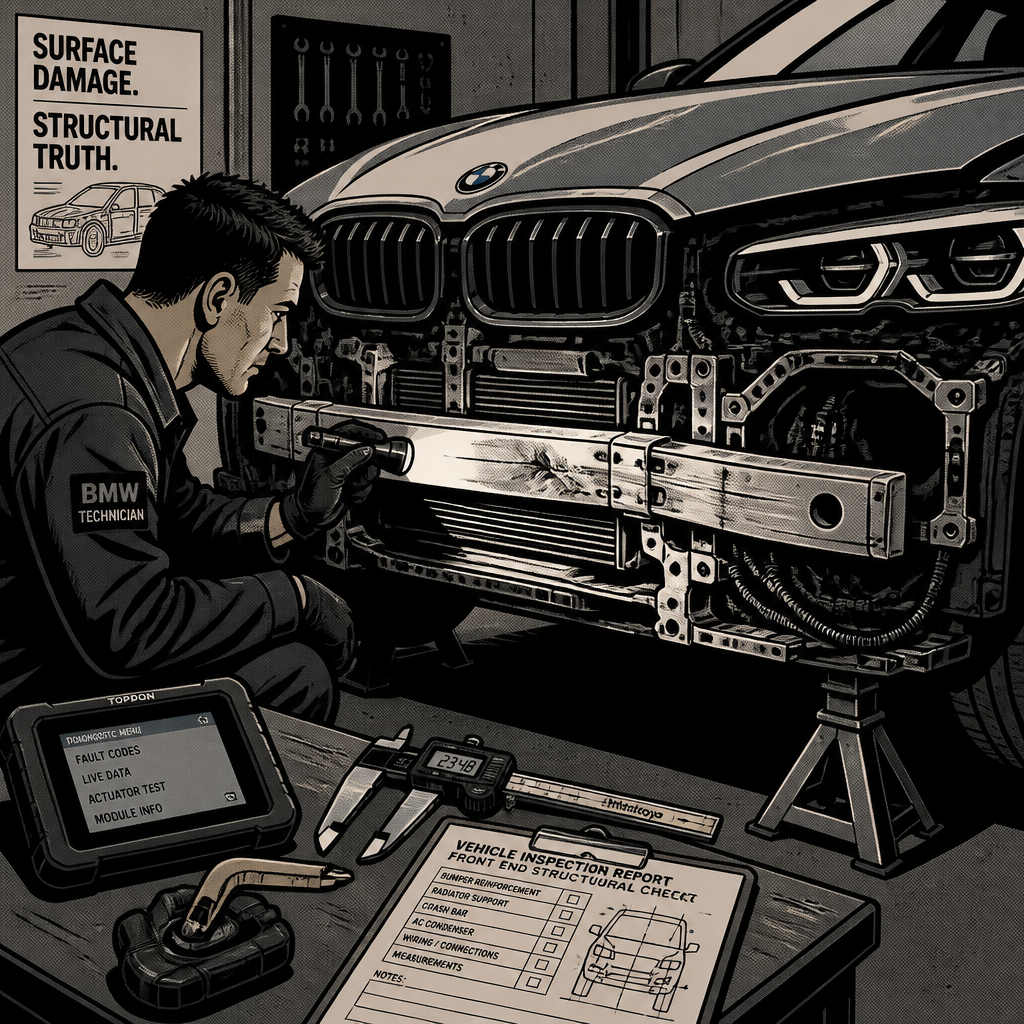
A customer brings in a BMW with a cracked bumper fascia and a busted headlight. At first glance it looks like a $2,000 job. By the time the teardown is done, the estimate reads closer to $12,000, and the car is headed to a salvage auction instead of back on the road. That gap between “looks minor” and “actually totaled” isn’t sloppy estimating — it’s what happens when a shop skips the teardown and eyeballs a bumper cover. For techs writing estimates on European and luxury vehicles, understanding why these cars total out so fast, and how to document damage thoroughly the first time, saves everyone a wasted supplement cycle.
Why Luxury and Import Vehicles Hit Total-Loss Thresholds Faster
Total loss isn’t just about how bad the damage looks. Insurers compare the actual cash value (ACV) of the vehicle against the cost to repair it plus related expenses like a rental car during downtime. Two variables drive that math against luxury cars specifically: depreciation and parts pricing.
Used values on German luxury vehicles drop fast once they clear the 5-7 year mark, while OEM parts pricing stays flat or climbs. A single adaptive LED headlight with eye-tracking and HUD integration can run $3,000-6,000 on its own. Add a steering rack, a bumper reinforcement bar, radar sensors, or an AC condenser hiding behind that cracked fascia, and the repair total climbs past the car’s ACV in a hurry. A Honda or Acura with the same visible damage often survives because the vehicle’s value-to-parts-cost ratio doesn’t work against it the same way — insurers routinely note that Hondas are among the hardest vehicles to “triage” as a total loss from a photo, because the numbers frequently favor repair even with multiple airbags deployed.
State total-loss thresholds (TL%) also vary by insurer and by state, so the same physical damage can total one policy at 60% of ACV while another carrier’s 100%+ threshold pays to fix an identical car. Techs don’t control that threshold, but a complete, well-documented estimate is what puts the number in the right place instead of an inflated or deflated one.
Reading Hidden Damage Before You Write the Estimate
The visible damage on a fender-bender is rarely the whole story, especially on vehicles with dense front-end packaging. Behind a cracked bumper cover you can find a crash bar, energy-absorbing foam, oil coolers, an AC condenser, parking sensors, radar units for adaptive cruise, and — on many BMWs — an electric power steering (EPS) rack that sits close enough to the front structure to take an indirect hit.
That’s the point several experienced estimators make about steering rack replacements after minor front-end impacts: the rack itself may show no damage, and the tie rod is usually the weaker link that bends before rack internals are compromised. But some EPS rack designs are known to have internal components separate under stress, including curb strikes, and that failure mode can show up later as steering play or loss of assist. When a rack is anywhere near the impact path, it needs to be inspected or replaced on the estimate rather than assumed fine, both for liability reasons and because a rack that fails down the road becomes a safety complaint traced back to the repair.
===PRODUCT_SEARCH_1===

Tools and Diagnostic Steps for an Accurate Teardown Estimate
A visual walk-around estimate written without removing trim panels is guesswork with a price tag attached. Before finalizing any estimate on a vehicle with front, rear, or side structural involvement, work through a real teardown:
- Remove the bumper cover and inspect the crash bar, absorbers, and any brackets for cracks or deformation, not just paint transfer.
- Check cooling components — radiator, AC condenser, oil coolers — for punctures or bent fins, since these sit directly behind most bumper assemblies on turbocharged and AWD platforms.
- Inspect suspension mounting points, control arm bushings, and subframe welds for stress cracks, especially on unibody vehicles where a subframe hit transfers load into the floor pan.
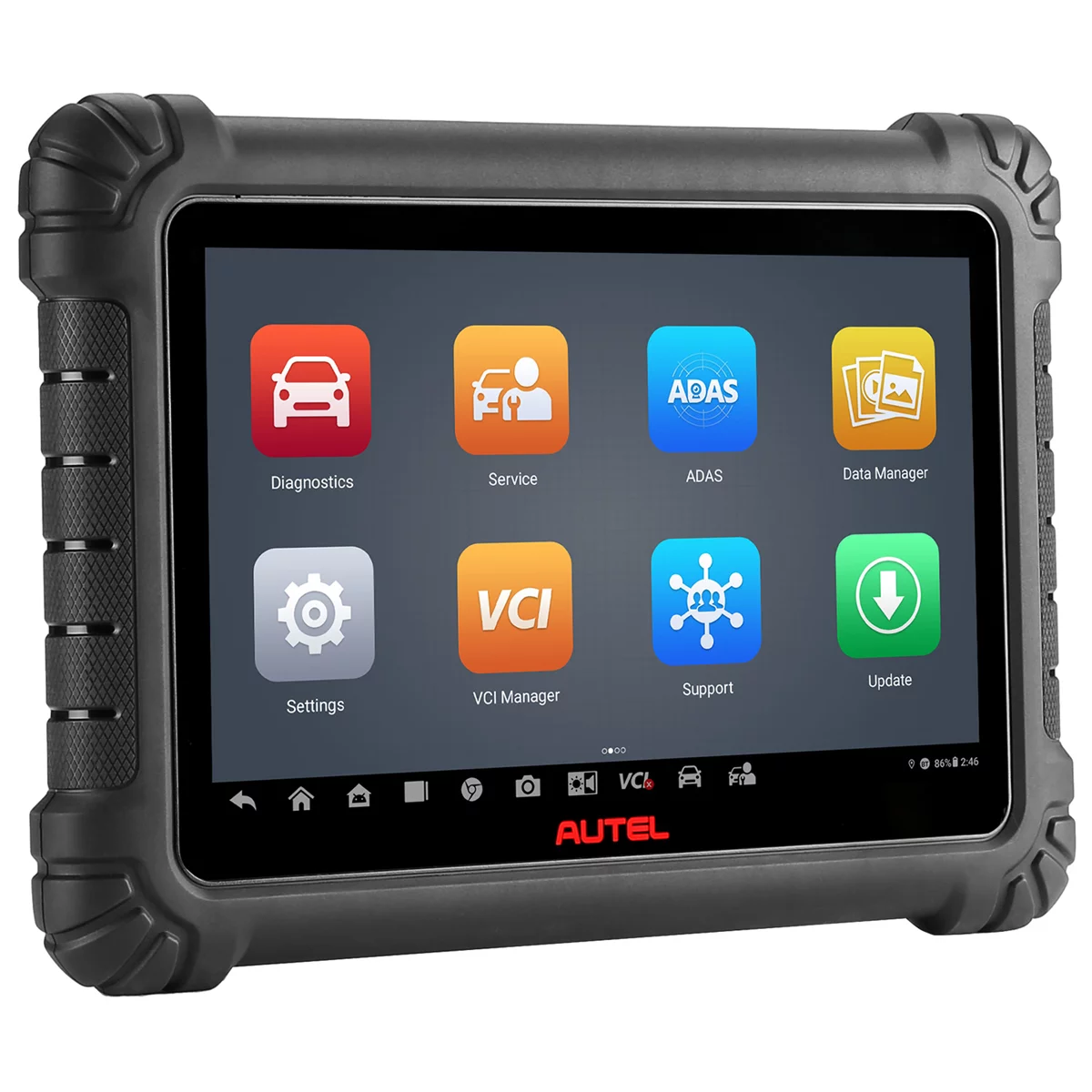
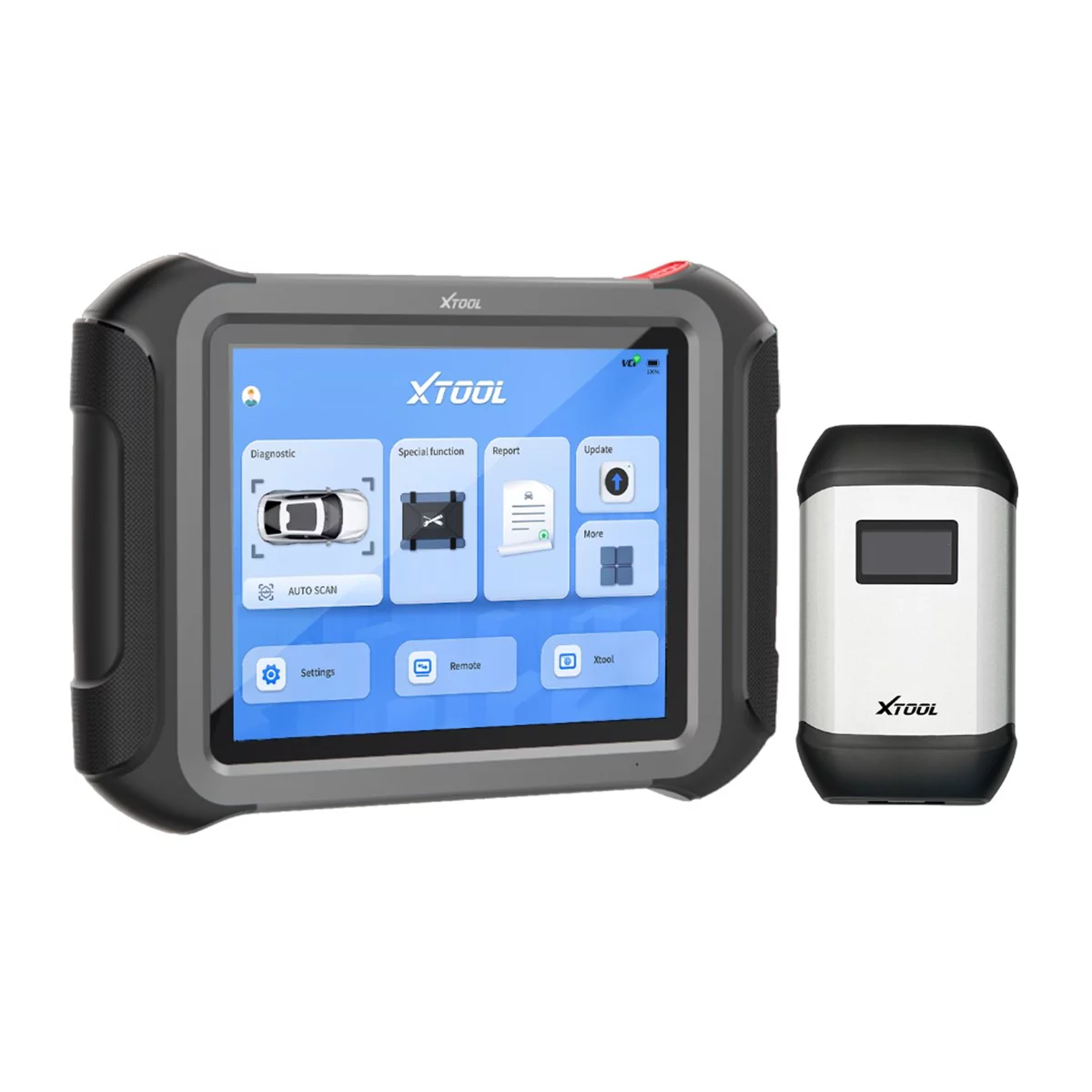
- Pull codes with a scan tool capable of reading ADAS and steering modules, not just the generic OBD-II powertrain codes. A cracked radar bracket or misaligned camera won’t always throw a fault until the system is recalibrated and tested.
- Physically inspect the steering rack boots, tie rod ends, and rack mounting bushings for tears, play, or fluid weeping before assuming the rack survived.
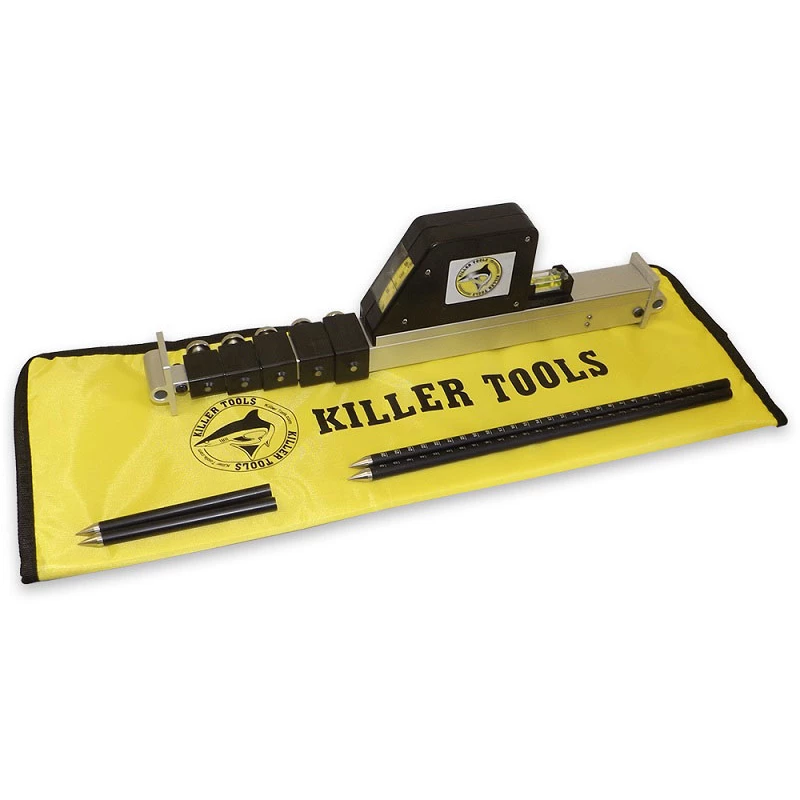
- Measure the subframe and structural rails against factory spec with a measuring system rather than relying on a visual “looks straight” call.
This is also where diagnostic and measuring tool quality matters. A scan tool that can’t access chassis or ADAS modules will miss faults that only appear after a calibration attempt, and a shop relying on tape-measure alignment checks will underestimate subframe damage that a laser or camera-based measuring system catches immediately.
Documenting Suspension, Steering, and Electronics Damage for Insurers
Adjusters and desk reviewers are working from photos and line items, not from standing next to the car. An estimate that lists “steering rack — replace” without supporting documentation invites pushback or a supplement delay. Photograph the specific failure point: a torn boot, a bent tie rod, scoring on a subframe mount, a cracked radar bracket. Where the damage is precautionary rather than obvious — like a rack replaced because of a known failure pattern rather than visible damage — note the manufacturer’s known issue and the safety rationale in the file. That context is what separates a defensible repair-or-replace decision from a claim that reads as padded.
For ADAS-equipped vehicles, always include calibration in the estimate when a bumper, radiator support, or windshield-mounted camera bracket is disturbed. Static and dynamic calibration procedures have their own labor time and, on some platforms, require dealer-level targets or software. Leaving calibration off the estimate is a common reason estimates come back short.
When “Repairable” Really Means Repairable: Salvage Titles and Used Parts
Not every total-loss vehicle needs to stay off the road, and not every buyback needs all-new OEM parts to be safe. Once a vehicle is declared a total loss and sold at salvage auction, the next owner or shop rebuilding it has more flexibility than the original claim did. A $5,000 OEM adaptive headlight assembly can often be replaced with a quality used unit for a fraction of the cost, and the same logic applies to bumper covers, trim, and non-structural components. The distinction that matters is structural versus cosmetic: a used headlight or bumper cover is a reasonable substitution, but a subframe, structural rail, or steering rack should be sourced and inspected carefully, since these affect crash performance and steering safety even if they didn’t fail immediately after a curb strike.
Shops doing salvage rebuilds should also expect closer scrutiny at title reinspection and insurance re-underwriting. Documenting every replaced structural component with parts receipts and photos protects both the shop’s reputation and the next owner.
===PRODUCT_SEARCH_2===
Quick Checklist: Before You Finalize a Collision Estimate
- Remove bumper covers and trim panels before pricing — don’t estimate from a walk-around alone.
- Inspect cooling components, brackets, and sensors hidden behind the visible damage.
- Check subframe, control arm, and steering rack mounting points for stress, not just obvious bending.
- Scan for chassis, steering, and ADAS fault codes, not just powertrain codes.
- Include calibration labor any time a camera, radar, or sensor bracket is disturbed.
- Photograph and document the specific failure point for any high-cost line item like a steering rack or subframe.
- Confirm parts sourcing (OEM, used, aftermarket) matches whether the damage is structural or cosmetic.


Frequently Asked Questions
Why do BMWs and other luxury cars total out with what looks like minor damage?
It’s the ratio of repair cost to actual cash value. Luxury vehicle parts, especially headlights, sensors, and steering components, are priced high relative to how fast these cars depreciate, so even moderate damage can push the repair estimate past the insurer’s total-loss threshold.
Does a minor front-end collision always damage the steering rack?
No. Tie rods typically absorb impact before rack internals are affected. However, some EPS rack designs are prone to internal separation from stress over time, so a rack near the impact path should be inspected, not assumed fine, particularly on platforms with known reliability issues.
Why do Hondas and Acuras rarely total out compared to European cars with similar damage?
Lower parts costs and comparatively higher retained value relative to repair cost mean the math favors repair more often, even with more extensive damage like multiple deployed airbags.
What’s the biggest mistake shops make when estimating collision damage?
Writing an estimate from a visual walk-around instead of a full teardown. Hidden components — coolers, brackets, sensors, subframe mounts — are frequently the cost drivers that turn a “minor” repair into a total loss once uncovered.
Should ADAS calibration always be included after a collision repair?
Yes, whenever a bumper, radiator support, windshield, or mirror housing containing a camera or radar unit is removed or replaced. Skipping calibration is a common reason estimates get kicked back or, worse, a safety system doesn’t function correctly afterward.
Is it safe to repair a salvage-title luxury vehicle with used parts?
For cosmetic and non-structural parts like headlights, trim, or bumper covers, quality used parts are generally fine. Structural components — subframes, rails, steering racks — should be sourced and inspected more carefully since they affect crash performance and handling safety.
Diagnostic Tools for Collision Assessment
Writing an accurate collision estimate requires tools that go beyond visual inspection—a scan tool for ADAS and steering modules, plus measuring systems for frame verification. Check out our Automotive Diagnostic Tools selection.
- Scan tools with ADAS, steering, and chassis module access.
- Laser and camera-based measuring systems for structural inspection.
- Multimeters and diagnostic equipment for sensor and circuit testing.

The Toolsource Technical Team blends decades of real-world automotive service experience with up-to-date technical research. Our writers collaborate with professional mechanics, shop owners, and diagnostic specialists to deliver practical, workshop-ready guidance you can trust.


Follow us on social media