Every independent and mobile mechanic eventually runs into the same problem: a customer books an appointment, cancels at the last minute, reschedules, cancels again, and somehow still expects to be first in line when they finally decide they’re ready. Each no-show costs you a slot you could have filled with a paying job. The fix isn’t to get angrier at flaky customers — it’s to build a policy that filters them out before they cost you a day’s wages. Here’s how techs who do this for a living structure deposits, diagnostic fees, and firing procedures so their schedule stays full of people who actually intend to pay.
Why Cancellations Hurt Mobile Techs More Than Shop Techs
A shop with a service bay and multiple techs can absorb a cancellation — another car gets pulled up, another tech picks up slack. A mobile mechanic or a one-person operation doesn’t have that cushion. When you drive to a location and the customer isn’t there, isn’t ready, or decided to have their neighbor do it instead, you’ve lost the drive time, the fuel, and the slot itself. There’s no walk-in to backfill it on short notice.
That’s the real cost of a “soft” scheduling policy: it’s not just the one missed job, it’s the job you turned away to hold that slot. If you book one customer and they cancel same-day, and you’d declined a second caller for that same window, you’re now down two jobs instead of one. This is the core math that makes deposits and cancellation fees worth the occasional awkward conversation.
Charging a Diagnostic Fee Protects Your Time
Separate from scheduling deposits, a standalone diagnostic fee solves a different problem: people who want your expertise without paying for your labor. This shows up as customers who get a full diagnosis, then take the car to a friend, a neighbor “who’s good with cars,” or a cheaper competitor to do the actual repair. If you give away diagnostic time for free, you’re subsidizing someone else’s job.
A flat diagnostic fee — commonly in the $40–$100 range depending on market and vehicle complexity — accomplishes three things:
- It compensates you for the time and tool wear even if the customer doesn’t proceed with repairs.
- It filters out people who were never going to pay for actual work.
- It can be credited toward the repair invoice if they do move forward, which removes the objection that you’re “charging twice.”
Keep records of repeat diagnostic-only customers. If someone comes back a second or third time for a free or discounted diagnosis without ever booking the repair, that’s a pattern worth ending — either by requiring full payment upfront or declining to rebook them at all.
For techs setting this up, a reliable handheld scanner you can use on-site for a quick, billable diagnostic check makes this policy easy to enforce consistently.
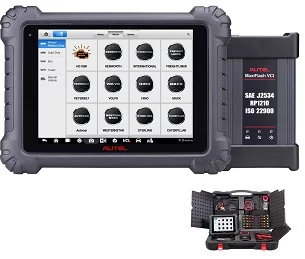
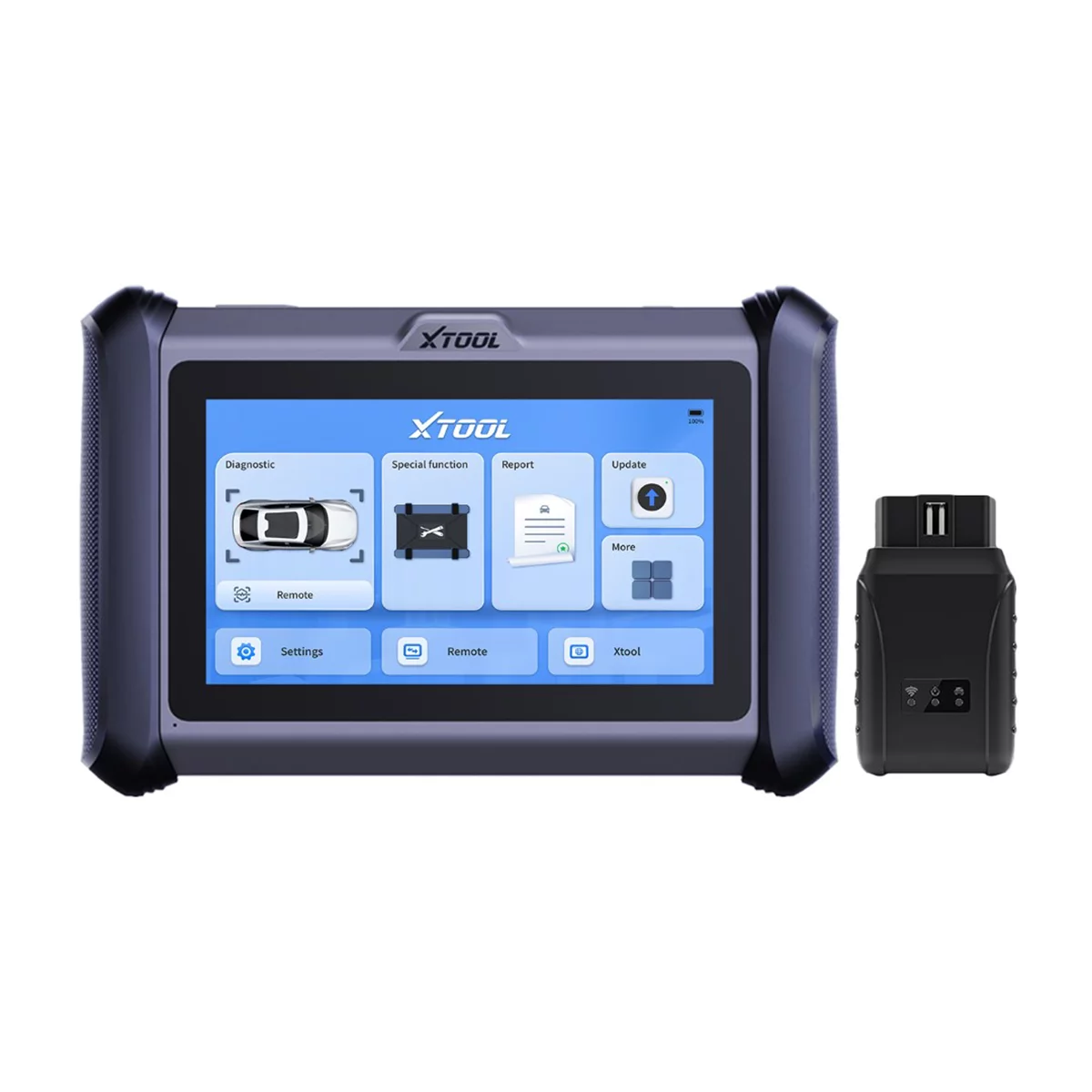
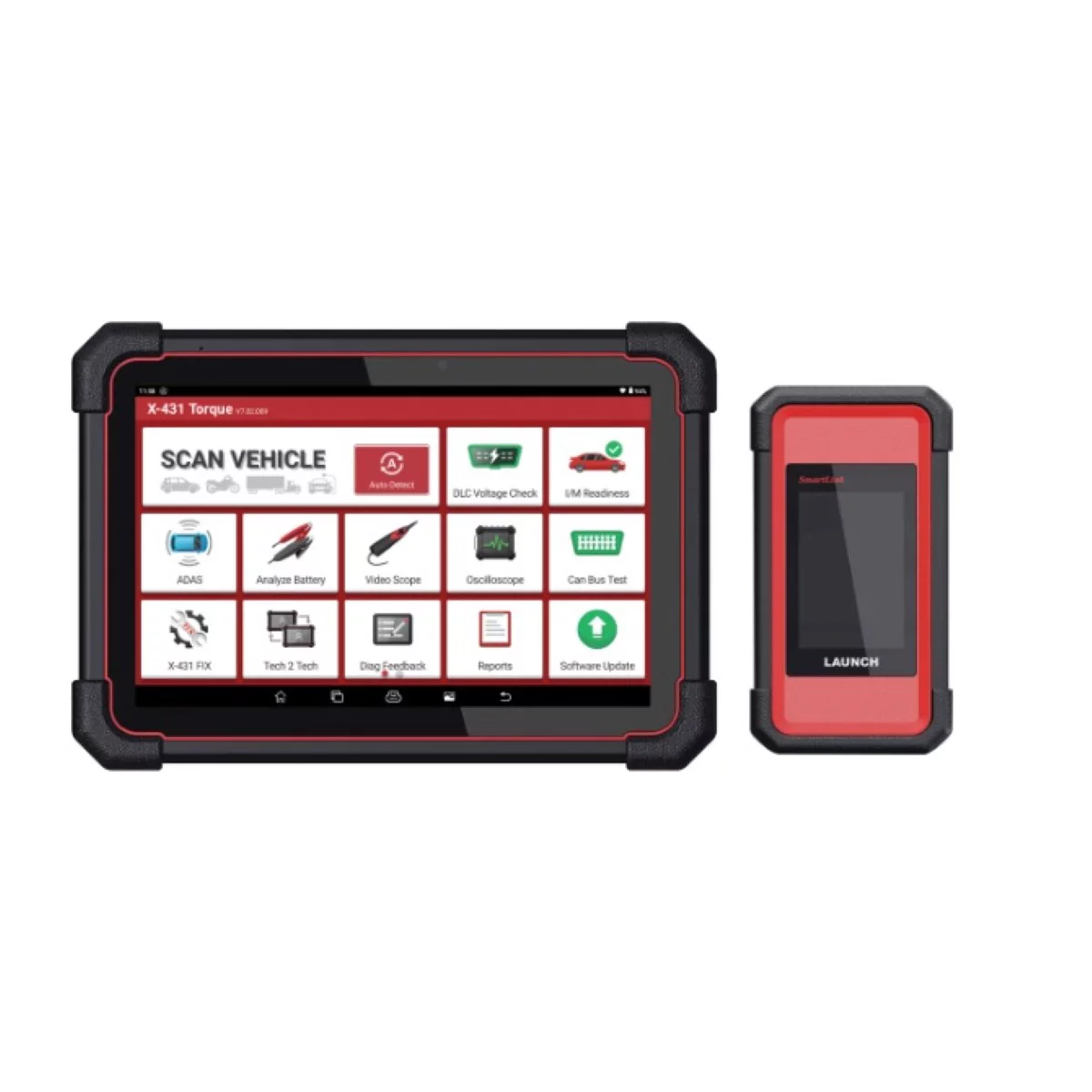
Launch X-431 Torque Link Professional Diagnostic Scanner
Mfg: Launch
Part #: 321195101
Structuring a Booking Deposit That Actually Works
A booking deposit is different from a diagnostic fee — it’s collected to hold the appointment slot itself, independent of whether diagnosis or repair work happens. The structure that works best in practice:
- First-time or low-risk customers: A standard deposit (often $30–$100 depending on job size) applied toward the final invoice.
- Non-refundable if canceled late: Set a cutoff — 24, 48, or 72 hours before the appointment — after which the deposit is forfeited if they cancel or no-show.
- Escalate after a strike: First cancellation, you can be lenient. Second same-day cancellation, require a non-refundable deposit before rebooking, or decline to rebook at all.
Frame this in writing, not just verbally, so it’s a documented business policy rather than something that looks personal. A simple line added to your booking confirmation or invite text works: “A deposit is required to hold this appointment. It will be applied to your final invoice. Cancellations inside 24 hours forfeit the deposit.” Customers who are serious about getting work done rarely object to this. The ones who push back hardest are frequently the ones most likely to waste your time later — that friction is doing you a favor.
When a customer cancels and asks for the deposit back, you have three honest options: apply it to a rescheduled appointment, apply it as a cancellation fee and close the file, or refund it and decline future bookings. All three are better than refunding it with no conditions and leaving the door open to repeat the same cycle.
Reading the Warning Signs Before You Waste a Trip
Certain patterns show up consistently before a customer becomes a problem. None of these alone is disqualifying, but when two or three stack up, treat it as a signal to require payment upfront or walk away:
- Multiple same-day reschedules or cancellations for the same appointment.
- Vague or shifting explanations for why they can’t pay or can’t be there (“ran out of money,” “had an emergency,” repeated more than once).
- Pushback specifically on paying anything upfront, even a small amount, combined with urgency to get the work done immediately.
- Haggling heavily over a quote before any diagnostic work has even started.
- Asking for a full breakdown of parts and labor costs in detail that suggests they intend to source the job out themselves after your free consult.
None of these customers are necessarily acting in bad faith — financial stress is real, and plenty of people reschedule for legitimate reasons. But your schedule is a finite resource, and your policy shouldn’t bend based on sympathy for every excuse. If someone’s history with you shows a pattern rather than a one-off, the deposit (or a full decline) is the appropriate response, not more patience.
How to Fire a Problem Customer Without Burning Your Reputation
Ending a customer relationship doesn’t require conflict. Keep the message short, professional, and policy-based rather than personal:
“Thank you for letting me know. Due to the short-notice cancellations on this job, I’m not able to continue holding appointment slots without a deposit going forward. I’ve applied your previous payment toward the cancellation, and I’m happy to rebook once a deposit is in place.”
This accomplishes several things at once: it states a clear business reason (not an accusation), it keeps a door open if they want to pay under the new terms, and it avoids giving them ammunition to leave a vindictive review claiming you refused service arbitrarily. If the situation is bad enough that you don’t want them back at all, simply omit the rebooking offer.
One decision point that comes up often: should you refund a diagnostic fee you’ve already collected when you decide not to continue with a difficult customer? In most cases, no — you did the diagnostic work, and the fee compensates for that time regardless of what happens afterward. Keeping it is standard practice, not a punishment.
Pricing Your Service Like It’s Worth Showing Up For
A pattern worth noticing: techs who treat mobile service as a premium offering — reflecting the convenience of not having to tow or drive the vehicle anywhere — tend to attract fewer problem customers than those who price at or below shop rates. Underpricing a service that includes drive time, fuel, and flexible scheduling tends to attract customers who are shopping purely on price, which correlates with a higher rate of cancellations, haggling, and payment disputes.
Raising rates to reflect the real cost of mobile convenience, combined with a firm deposit and diagnostic policy, shifts the customer base toward people who value getting the job done reliably over people chasing the lowest number. That shift alone eliminates a large share of the scheduling headaches described above.
Beyond scheduling policy, having the right gear on hand for common on-site jobs keeps every appointment moving efficiently once a customer is locked in.
Quick-Reference Checklist
- Require a deposit to hold any appointment, credited toward the final invoice.
- Set a clear cancellation cutoff (24–72 hours) after which the deposit is forfeited.
- Charge a standalone diagnostic fee, separate from the repair invoice.
- Track repeat cancellations and diagnostic-only customers; escalate terms after one strike.
- Put the policy in writing on every booking confirmation, not just stated verbally.
- Fire problem customers with a short, policy-based message — no refund on completed diagnostic work.
- Price mobile service as a premium convenience, not a discount shop rate.
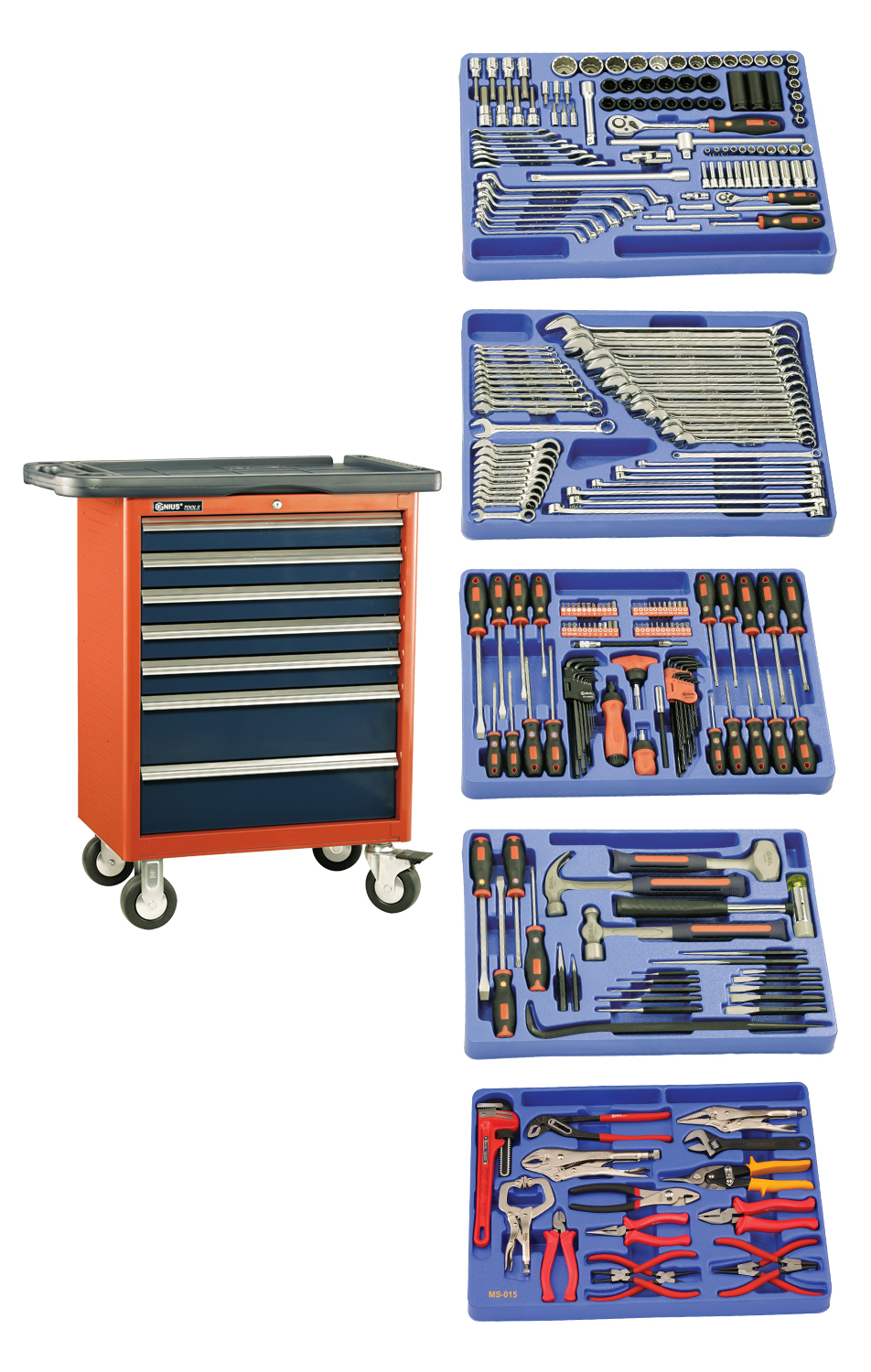
266PC Metric Mechanics Tool Set with Roller cabine
Mfg: Genius Tools
Part #: MS-266TS
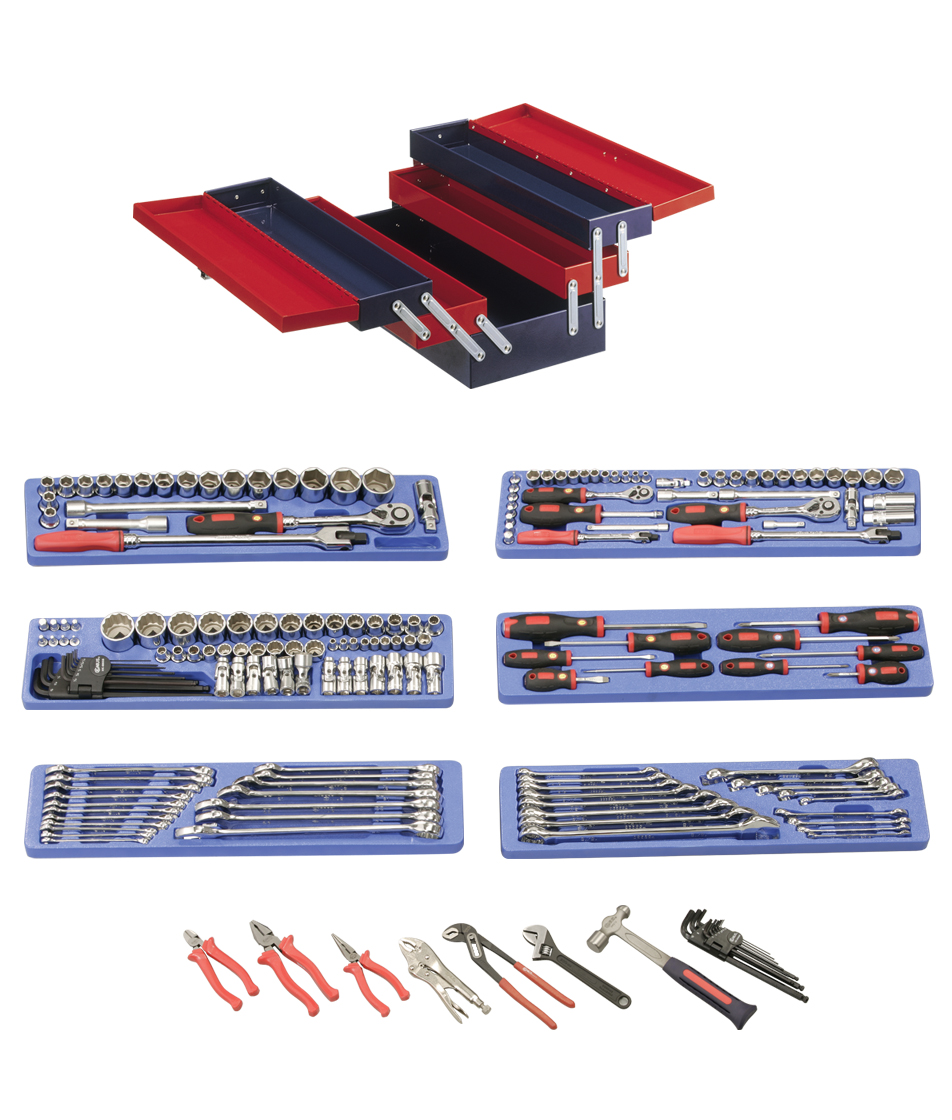
190PC Metric & SAE Mechanics Tool Set with Tool Ch
Mfg: Genius Tools
Part #: MS-190TS
850-Pc Senior Mechanics Tool Set - supersedes 86850
Mfg: SK Hand Tool
Part #: 86850A
FAQs
Is it legal to charge a non-refundable deposit for a repair appointment?
In most jurisdictions, yes, as long as the terms are disclosed before the customer pays and the deposit is reasonable relative to the job size. Put the policy in writing and keep records of when it was communicated.
How much should a booking deposit be?
Most independent and mobile techs use somewhere between $30 and $100, scaled to the size of the job. The goal isn’t to make money on the deposit itself — it’s to make canceling costly enough that only serious customers book in the first place.
Should the diagnostic fee be separate from the deposit?
Yes. A deposit holds the appointment slot; a diagnostic fee compensates for the actual diagnostic labor performed. They can both apply to the same job, but they solve different problems and should be itemized separately.
What if a long-time customer cancels last minute for the first time?
Use judgment. A first-time cancellation from an otherwise reliable customer doesn’t need the same response as a pattern of no-shows. Reserve stricter deposit requirements for repeat offenders or new customers with no history.
Should I refund a diagnostic fee if I decide not to take the job?
Generally no, if the diagnostic work was actually performed. The fee compensates for time and expertise already delivered, independent of whether you choose to continue the relationship afterward.
How do I tell a customer I won’t be rebooking them without sounding unprofessional?
Keep it factual and policy-based: cite the number of cancellations, state the new terms (deposit required, or no further bookings), and avoid personal language. This protects your reputation if the exchange is ever shared or reviewed publicly.
Diagnostic Tools for Mobile Service
Charging a diagnostic fee only works when you can deliver a professional diagnosis on-site. Browse automotive diagnostic tools that let you read codes, communicate with vehicle systems, and document your work quickly on every call.
- Handheld OBD2 scanners and code readers for quick vehicle diagnostics
- Advanced electrical test equipment and multimeters
- Diagnostic systems that support professional billing and documentation

The Toolsource Technical Team blends decades of real-world automotive service experience with up-to-date technical research. Our writers collaborate with professional mechanics, shop owners, and diagnostic specialists to deliver practical, workshop-ready guidance you can trust.


Follow us on social media