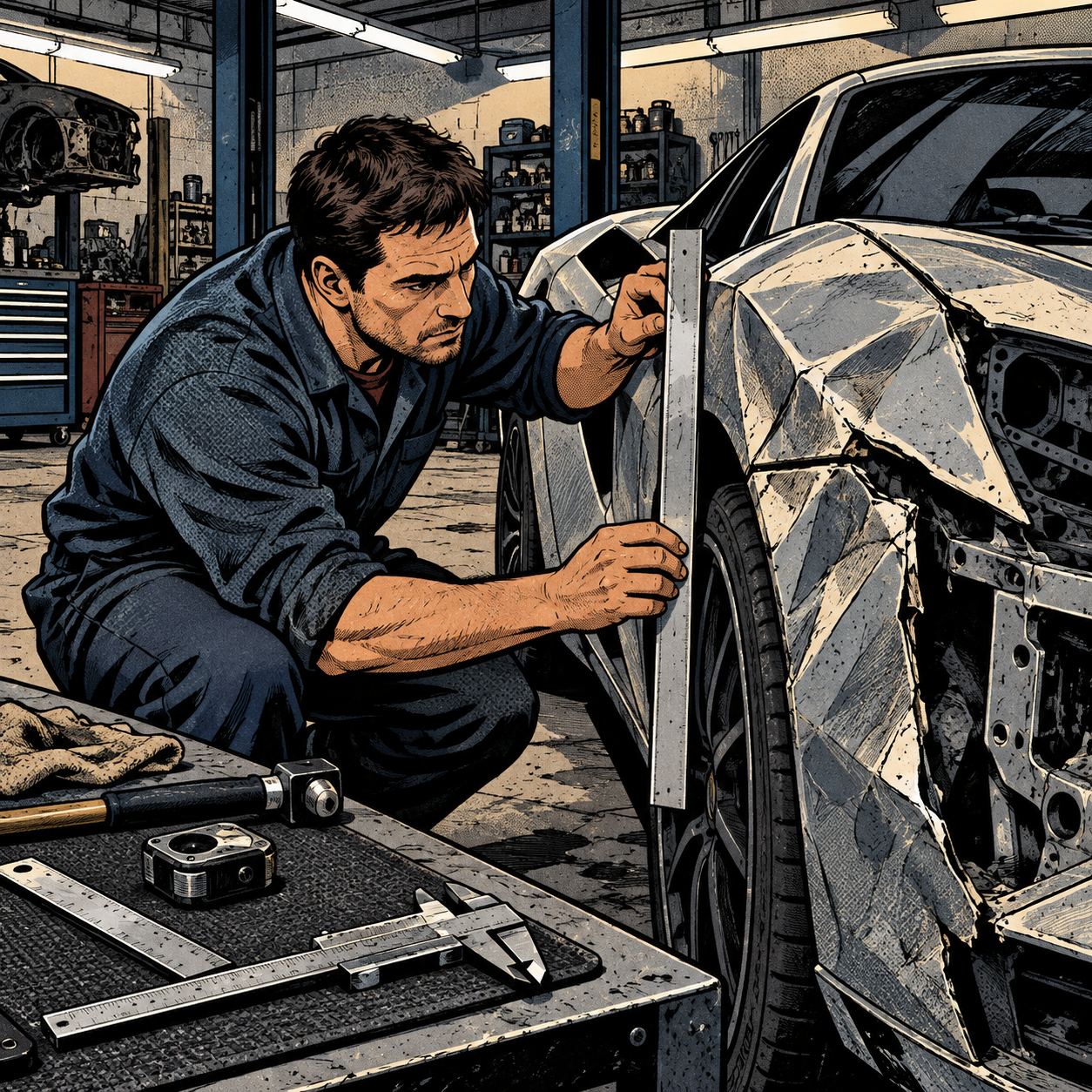
Every shop eventually gets the call: a customer picked up a salvage-title Bentley, Lamborghini, or Rolls-Royce from an online auction for a fraction of retail and wants it back on the road. Before any wrench turns, the parts-sourcing problem needs a realistic answer, because exotic platforms don’t behave like mainstream cars once you’re past the service manual and into the body, trim, and fastener level. The guidance below is built around what actually works when you’re hunting parts for low-volume, high-dollar vehicles — and where that hunt quietly turns into a money pit.
Why Exotic Parts Sourcing Breaks the Normal Playbook
On a mainstream vehicle, a cracked bumper cover or missing tail light is a parts-store or pick-and-pull errand. On a Continental GT, a Supersports-spec bumper cover, a specific interior trim panel, or even the small plastic brackets that hold a fascia on can be unique to a trim level and production year. Low production numbers mean there’s no deep secondary market — a handful of cars were ever built with that exact part, and most of those are still on the road or sitting in a dismantler’s inventory tagged at a premium.
Fasteners are the sleeper cost here. Techs report paying several hundred dollars for small plastic clips and brackets that would cost under a dollar on a domestic car, simply because they’re injection-molded in low runs and only available through the OEM supply chain or a dismantler who happens to have one. Budget time, not just money, for tracking down parts that would be a non-issue on anything else.
Where These Parts Actually Come From
Standard junkyard chains rarely carry exotic sheet metal or trim — these cars don’t total in volumes that support a dedicated inventory pipeline at a typical self-serve yard. Instead, parts flow through a smaller number of channels:
Specialty dismantlers. Businesses that specifically break down high-end and exotic vehicles exist in major metros and near wealthy coastal areas, precisely because that’s where these cars get totaled and sent for parts recovery. They’re not cheap, but they’re dramatically less expensive than new OEM, and they often have full-car teardown inventory rather than a single part.
OEM parts diagrams and cross-reference sites. Sites that host full exploded parts diagrams by chassis and VIN are the fastest way to confirm an exact part number before you call around — guessing from a photo wastes time and money on the wrong trim variant.
Dealership parts departments. Not every dealer is cooperative, but some will pull a parts list or even sell off junked service parts if you ask directly. This takes persistence and, often, an existing relationship with a service advisor rather than a cold call.
International sources. Some regions have tax or import structures that result in relatively new exotics being parted out far earlier in their life cycle than in the U.S., which can mean better-condition used parts reaching the gray market faster. Shipping cost and lead time eat into the savings, so this is a last resort for parts you can’t find domestically.
Online marketplaces. Enthusiast forums and general marketplaces turn up parted-out cars and individual components, but condition and fitment claims need to be verified against the diagram, not taken at the seller’s word.
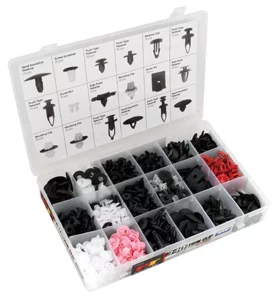
Toyota Trim Clip Assortment 340-PC - Wilmar W5243
Mfg: Wilmar - Performance Tool
Part #: W5243
Evaluating an Auction or Salvage Car Before You Commit Shop Time
If a customer (or your shop) is eyeing a salvage-auction exotic, the listing photos and damage description are the start of the investigation, not the end of it. Auction houses are economical with details — a “rear-end collision” tag can hide a cracked reinforcement bar, misaligned panel gaps, or a frame pull that only shows up once you’re underneath the car with a straightedge.
Look for secondary damage clues the listing doesn’t call out directly: inconsistent panel gaps side-to-side, mismatched paint depth, or evidence that trim was removed to stage the car for sale. A car that’s “too clean” relative to its damage description is often hiding something, and a car that’s missing obvious panels may have had those panels pulled for a diminished-value insurance claim before the insurer took possession — meaning you’re now sourcing parts the previous owner already removed and sold separately.
Get a true salvage value estimate before bidding. On high-end vehicles, salvage value runs surprisingly high because total-loss payouts are large relative to typical repair costs, which pushes auction prices up even on “cheap” exotic listings. Compare the auction price plus estimated parts and labor against clean, lower-mileage examples already for sale — if the math doesn’t clearly favor the rebuild, it isn’t a deal.
Budgeting the Real Cost of a Rebuild
The purchase price of a salvage exotic is rarely more than a third of the total cost of putting it back on the road correctly. Three categories consistently get underestimated:
Structural and body work. Any car with frame, subframe, or unibody damage needs alignment verification before bodywork even starts. Skipping this step to save time results in panel gaps that never close correctly and suspension geometry that eats tires.
Trim-specific parts. Unique bumper covers, badges, and interior trim for special editions can turn a routine bumper swap into a months-long parts hunt, and buyers often don’t discover how much is missing or non-matching until the car is apart on the lift.
Specialized labor and tooling. Twin-turbo, multi-bank engines and air suspension systems on these platforms require factory-level diagnostic access and specialty tools that a general shop may not stock. Factor in either an investment in that tooling or a standing relationship with a specialty shop that already has it, plus the labor rate that comes with it.
A realistic budget line should also include a contingency of at least 25-30% over the initial parts and labor estimate, because hidden damage on a car that’s been through a collision and an insurance write-off is the rule, not the exception.
Diagnostic and Repair Considerations on High-End Platforms
Beyond parts availability, these platforms carry engineering quirks that matter at the bay level. Early-generation twin-turbo W12 and similar high-output engines are packaged tightly, so routine service items that would be a 20-minute job on a mainstream engine can require significant disassembly for access. Pre-revision model years on some platforms carry known design and reliability issues that are worth researching by exact production year before quoting a job — a “same model” car from two years later may have a materially different failure history.
Electrical architecture on these vehicles is also more layered than mainstream cars, with more modules governing comfort and convenience features. A full pre-purchase or pre-repair scan across all modules, not just the engine and transmission, will surface faults that a basic code read misses and that can turn into expensive surprises mid-rebuild.
Quick Pre-Purchase and Sourcing Checklist
- Pull the exact VIN-specific parts diagram before pricing any job — trim-level variants are not interchangeable
- Inspect panel gaps, paint depth, and underbody alignment in person or via a trusted inspector, not just auction photos
- Identify at least two independent sourcing channels (dismantler, dealer, marketplace) for any unique body or trim part before committing to the job
- Run a full multi-module diagnostic scan, not just powertrain codes, before quoting repair scope
- Price salvage value and comparable clean examples before finalizing an auction bid
- Build in a 25-30% contingency for hidden damage and fastener-level costs
- Confirm specialty tooling or a specialty-shop relationship exists before accepting the job
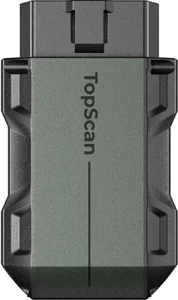
Pocket-Size Bluetooth Scan Tool w/Bi-Directional Controls
Mfg: TOPDON
Part #: TOPSCANPRO
Frequently Asked Questions
Can you really find Bentley or exotic parts at a regular junkyard?
Rarely for sheet metal or trim. Standard self-serve yards don’t see enough volume of these cars to stock parts. Specialty dismantlers who focus on high-end vehicles are a more reliable channel, along with OEM dealer parts departments.
Why do small fasteners and brackets cost so much on these cars?
Low production volume means fewer suppliers and smaller manufacturing runs for trim-specific clips and brackets, so even plastic parts carry OEM-level pricing with limited aftermarket competition.
Is a salvage-title exotic ever a good deal for a shop to take on?
It can be, if the damage is well-documented, parts sourcing is confirmed before the bid, and the total rebuild cost stays meaningfully below a clean comparable car. Treat any listing missing damage detail as higher risk by default.
What’s the biggest red flag on an auction listing for one of these cars?
A damage description that doesn’t match the visible condition — either the car looks too clean for the stated damage, or panel gaps and alignment suggest more structural work than the listing discloses.
Do these platforms need different diagnostic equipment than typical shop tools?
Often yes, especially for full module coverage beyond engine and transmission codes. Confirm tool compatibility or a specialty-shop partnership before quoting diagnostic or repair work.
How much should a shop budget above the initial repair estimate?
A contingency of 25-30% is a reasonable baseline given how often hidden structural damage and hard-to-source trim parts surface once the car is apart.
Diagnostic Tools for Exotic Platform Work
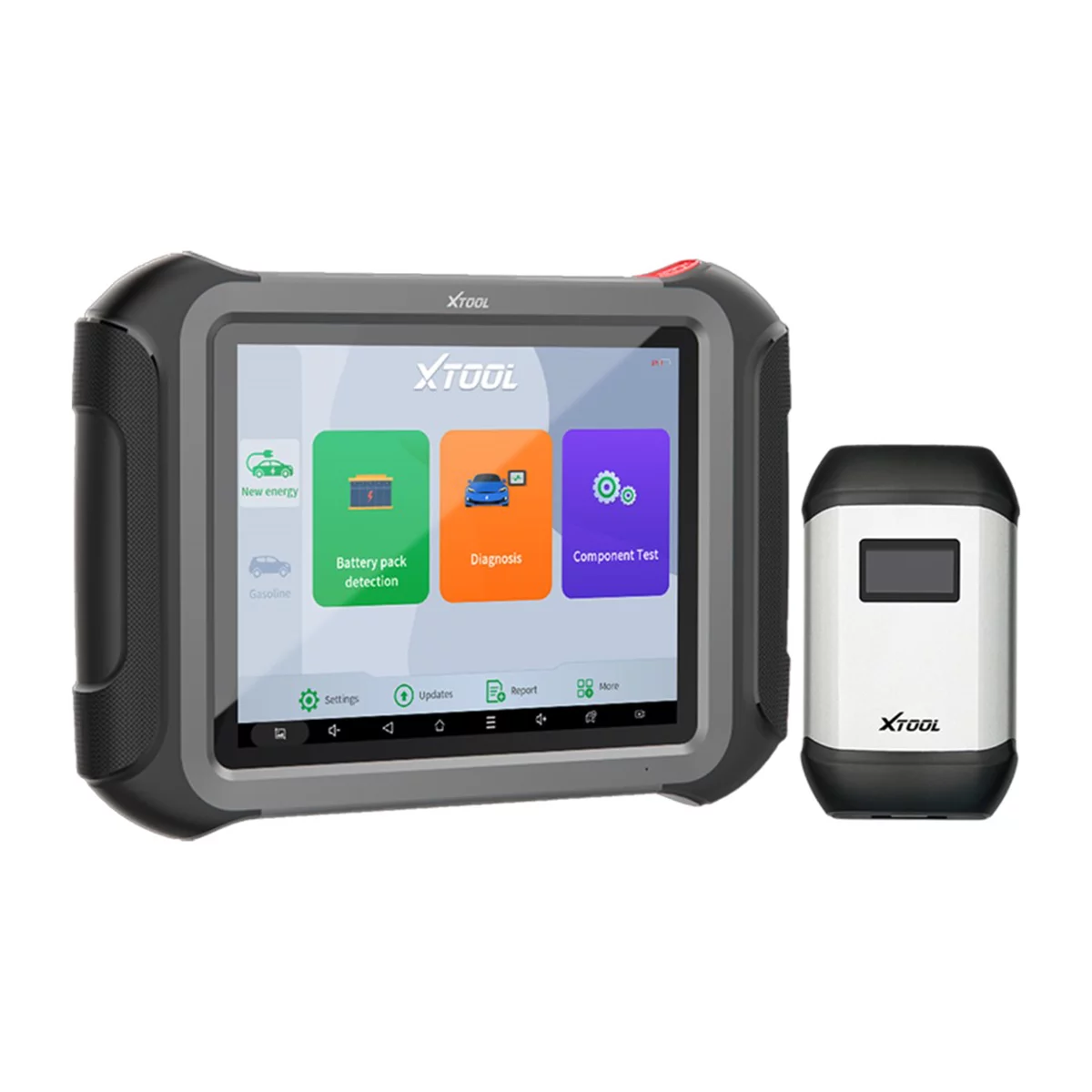
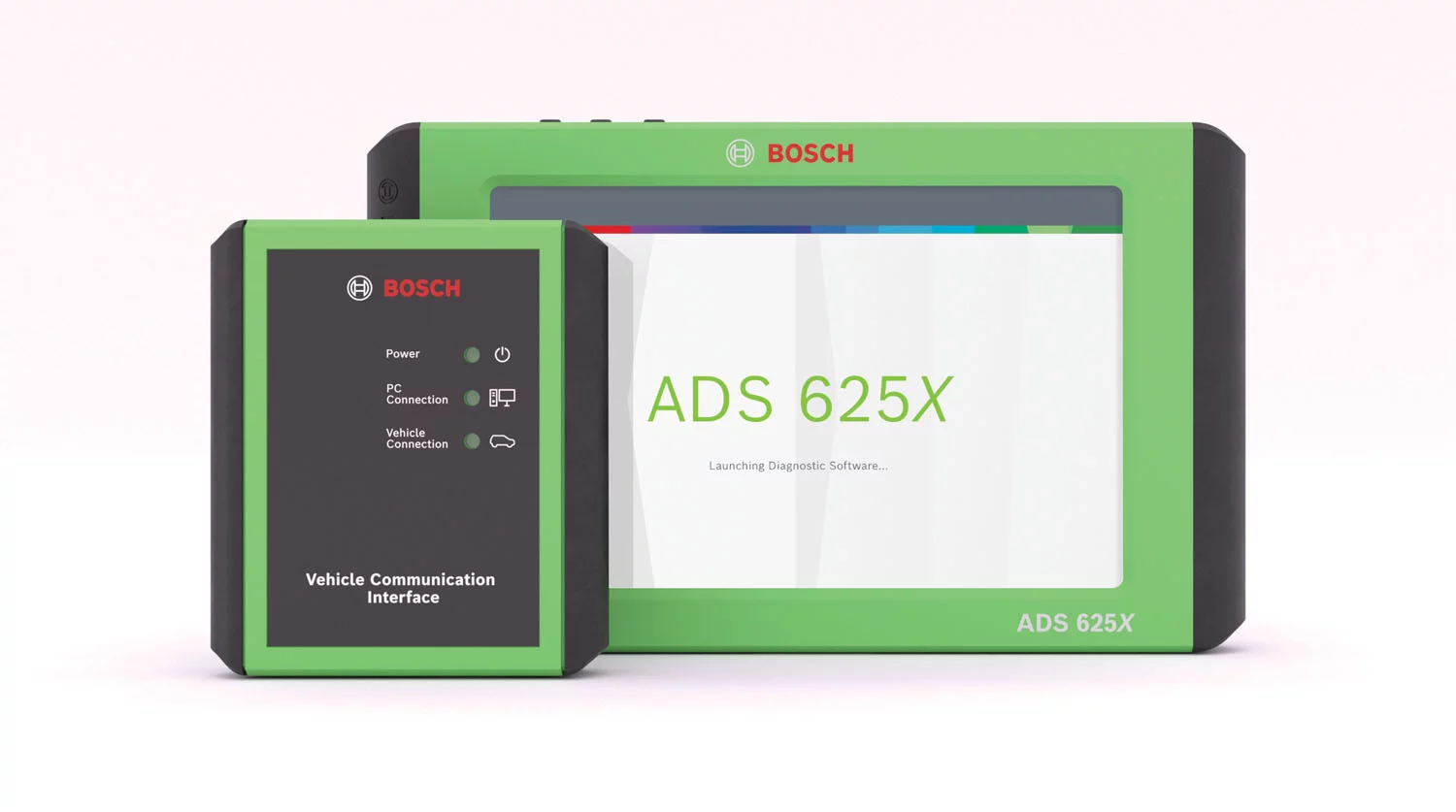
A full multi-module diagnostic scan across all electrical systems is essential before quoting any exotic platform repair. Automotive diagnostic tools designed for complete module coverage help surface hidden faults on luxury and exotic platforms that basic code readers miss — faults that can turn into expensive surprises mid-job.
- Multi-module scanning for powertrain, transmission, and comfort systems
- Tools compatible with high-end and exotic vehicle platforms
- Coverage for specialized modules that partial scans often miss

The Toolsource Technical Team blends decades of real-world automotive service experience with up-to-date technical research. Our writers collaborate with professional mechanics, shop owners, and diagnostic specialists to deliver practical, workshop-ready guidance you can trust.


Follow us on social media