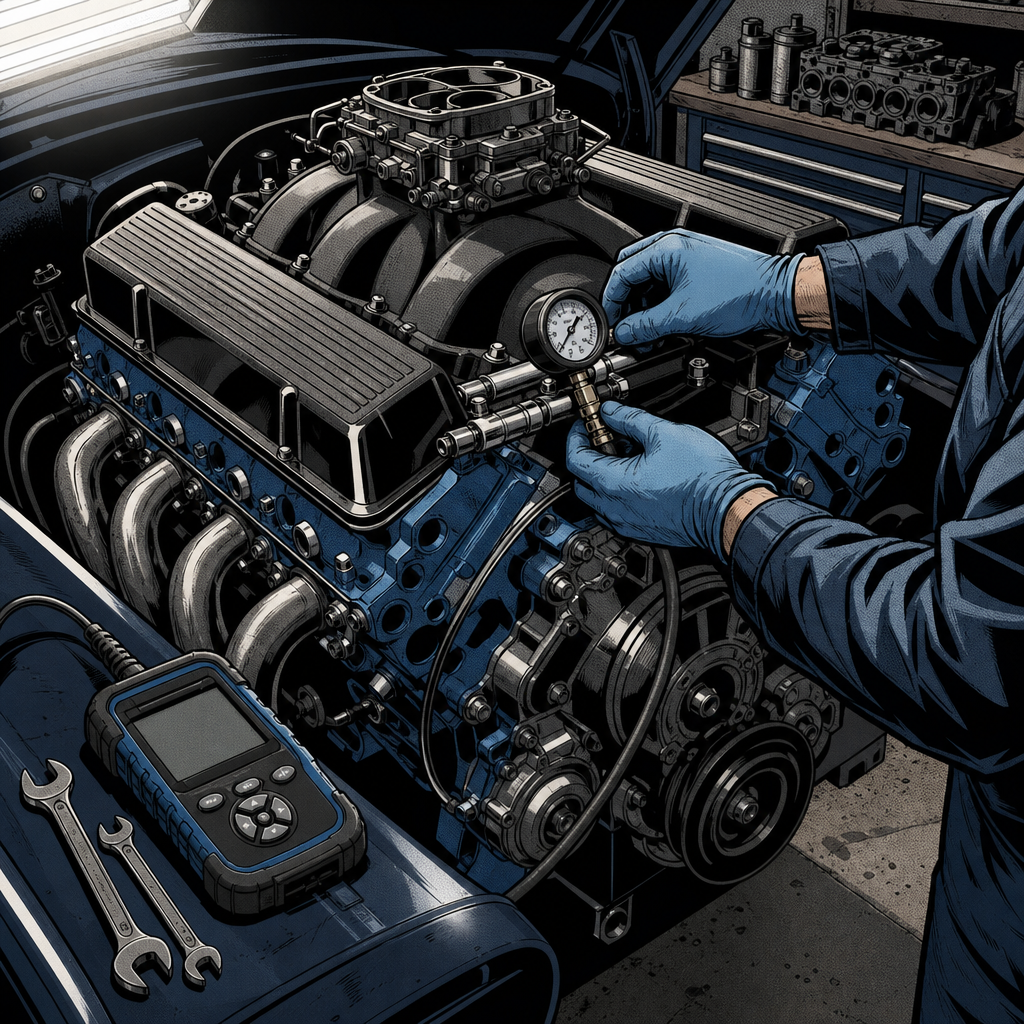
Ask enough big-block truck owners about fuel economy and you’ll hear the same story: the number barely moves whether the truck is idling in the driveway, cruising empty on the highway, or dragging a triple-slide trailer through the mountains. A 454, 7.4L Vortec, 8.1L, or Triton V10 that gets 9-10 mpg unloaded often gets 9-10 mpg loaded too — because these engines are closer to a fuel-per-hour appliance than a fuel-per-mile one at low RPM and part throttle. That flat curve isn’t always a fault code waiting to happen, but it isn’t always normal either. Here’s how to separate baseline physics from an actual fixable problem when a customer brings one of these trucks in complaining about mileage.
Why These Engines Are Inherently Thirsty
Before running a single test, set expectations against the platform. Big-block gas V8s and V10s from this era (mid-1990s through mid-2000s) share a few traits that cap what any repair can accomplish:
Low static compression (typically 8.5:1-9.1:1) trades efficiency for the ability to run on regular fuel and tolerate heavy loads without detonation. Displacement-per-mile is high even at idle — a 7.4L or 8.1L engine is moving a lot of air and fuel just to keep itself running, independent of road speed. Many of these trucks also carry tall factory gearing and large, heavy bodies (Suburbans, Excursions, dually pickups) that punish aerodynamics and rolling resistance long before the powertrain becomes the limiting factor. And because these are torque-first designs, they’re happiest lugging at low RPM — which is efficient for towing capability but not for BSFC (brake-specific fuel consumption).
The practical takeaway: a customer expecting to turn a 9 mpg 8.1L into a 15 mpg daily driver is chasing a number the architecture can’t deliver. Your job is to find the delta between “this platform’s honest number” and “this truck’s actual number” — and that delta is where real diagnostic work pays off.
Establish a Real Baseline Before Touching Anything
Fuel economy complaints are notoriously unreliable when based on driver estimates. Before recommending any repair or upgrade, get a controlled baseline:
Run at least two full tank-to-tank fill-ups with the same fuel grade, recording odometer miles and gallons by hand rather than trusting the dash computer, which is often uncalibrated on trucks with modified tire sizes or gearing. Separate city and highway legs if possible — these engines can show a 3-5 mpg swing between the two, and that spread itself is diagnostic information. Note load state (empty, half load, full trailer) and towed weight for each leg. Log ambient temperature and fuel type, since factory calibrations on these trucks are sensitive to E10 blends and cold-start enrichment. Confirm tire pressure and size against factory spec — undersized PSI or oversized tires quietly erase mpg and get blamed on “the engine.”
Once you have real numbers instead of driver impressions, compare them against realistic platform baselines (roughly 8-11 mpg for 454/7.4L/8.1L trucks unloaded, dropping into the 5-7 mpg range towing, depending on trailer frontal area). If the truck is tracking well below even the low end of that range, you have an actual fault to chase — not just an unhappy owner.
===FYP-PRODUCT-SEARCH-MID===
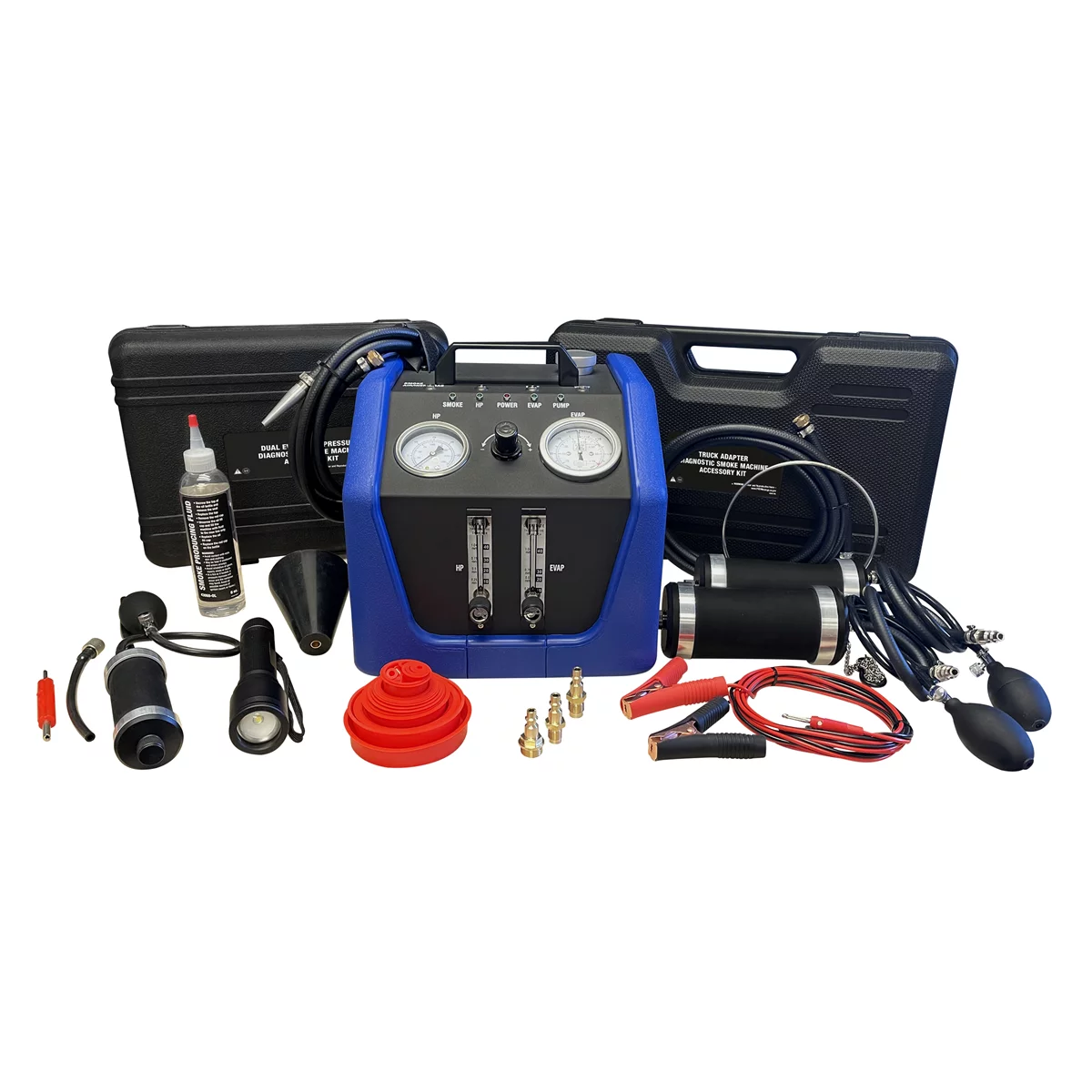
Dual Evap/High Pressure Diagnostic Smoke Machine w/ Truck Adapte
Mfg: Mastercool
Part #: 43070
Diagnostic Checks That Actually Move the Number
When a big-block is underperforming its own baseline, work through these in order — cheapest and most common first:
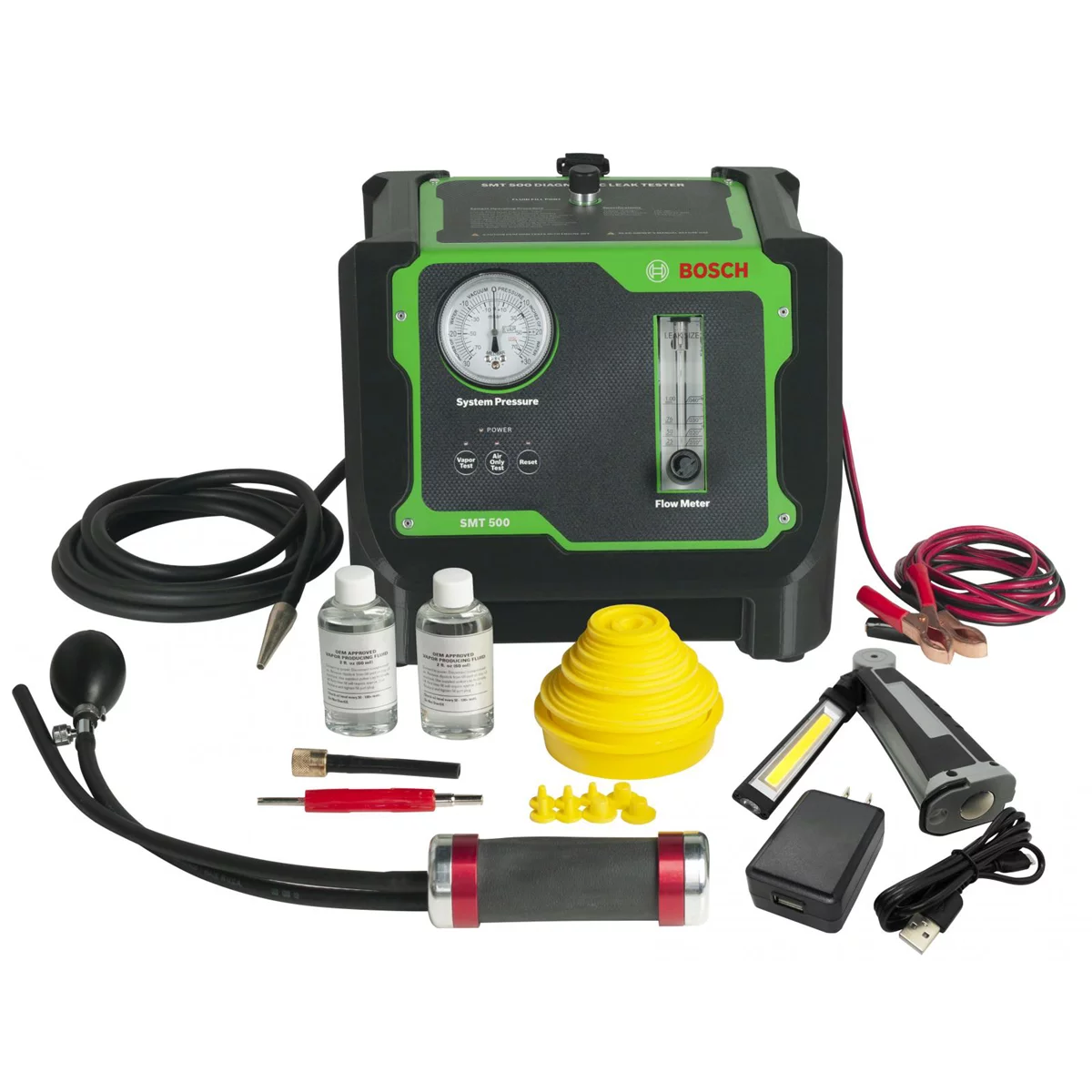
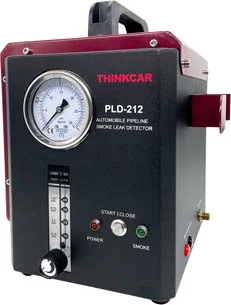
Vacuum leaks. Aging intake gaskets, PCV hoses, and brake booster lines are common on trucks this age and will richen or lean out the mixture depending on where the leak sits relative to the MAP/MAF sensor. A smoke test at idle is faster and more conclusive than chasing it with a scanner alone.
O2 sensor and fuel trim data. Pull long-term and short-term fuel trims at idle, cruise, and under load. Trims pegged high positive across the board point to a lean condition (vacuum leak, weak fuel delivery, MAF miscalibration); trims pegged negative point to rich (leaking injector, bad coolant temp sensor causing prolonged enrichment, or a failing O2 sensor reading incorrectly).
Fuel pressure and injector condition. A weak in-tank pump or a clogged fuel filter won’t always throw a code — it just makes the ECU compensate with longer injector pulse width to hit target AFR, burning more fuel to make the same power. Check static and loaded fuel pressure against spec, and look at injector balance/leak-down if available.
Ignition timing and knock retard. Carbon buildup in these high-mileage combustion chambers can trigger knock sensor retard, which the driver never notices as a driveability problem but which quietly costs mpg. Log knock retard under load on a scan tool during a test drive, not just at idle.
Exhaust backpressure. A partially clogged catalytic converter increases backpressure and pumping losses. A quick differential pressure test before and after the cat, or a vacuum gauge check under load, will confirm or rule this out cheaply.
Torque converter lockup and transmission behavior. Many of these trucks (4L80E, E4OD/4R100 applications) rely on converter lockup in overdrive for any highway mpg gain at all. A converter that won’t lock, or locks and unlocks erratically under light throttle, can cost several mpg on the highway leg specifically — which is a useful clue if the city/highway split from your baseline test showed no improvement on the highway.
What Actually Helps vs. What’s a Waste of Labor
Owners of these trucks frequently report throwing headers, exhaust, cold-air intakes, and even multiple ECU reflashes at the problem with no meaningful mpg change — sometimes better sound and throttle response, but the same number at the pump. That matches the physics: bolt-on airflow and exhaust mods primarily affect peak-power breathing, and these trucks rarely operate anywhere near peak power in normal driving. If the fuel and ignition systems are already within spec, mpg gains from those mods are marginal at best.
What tends to actually move the needle, in rough order of cost-effectiveness: correcting an out-of-spec fuel or vacuum condition found in diagnostics (largest gains, often several mpg); restoring correct converter lockup behavior; correcting tire pressure and removing unnecessary weight/drag (roof racks, unused trailer hitches, etc.); and, for trucks doing serious highway miles, a numerically taller rear gear paired with converter lockup — though this is a bigger job and trades off low-speed towing performance. A tune that specifically targets part-throttle fuel maps and lockup scheduling (rather than a generic “power” tune) can help more than physical bolt-ons, but set expectations at 1-2 mpg, not double-digit swings.
Setting Realistic Expectations With Customers
Part of this job is customer communication. If baseline testing shows the truck performing in line with platform norms, the honest answer is that no repair will meaningfully change the number — the fix is trip planning, load management, or accepting the operating cost of the platform. If diagnostics turn up a real fault (lean condition, converter not locking, exhaust restriction), quote the repair against a realistic expected gain, not a promise of doubling their mileage. Trucks towing large, flat-faced trailers (pontoon boats, enclosed cargo trailers, tall RVs) will show minimal mpg difference between loaded and unloaded runs simply due to aerodynamic drag dominating the fuel burn — that’s a trailer/aero issue, not an engine issue, and it’s worth explaining so the customer isn’t back next month expecting a different result.
Quick Diagnostic Checklist
- Confirm tire pressure/size and driver-reported mpg against a hand-calculated tank-to-tank baseline
- Smoke-test the intake and vacuum system for leaks
- Pull fuel trims at idle, cruise, and under load
- Verify fuel pressure under load against spec
- Check for knock retard during a loaded test drive
- Test exhaust backpressure / cat condition
- Confirm torque converter lockup engages and holds on the highway
===FYP-PRODUCT-SEARCH-END===
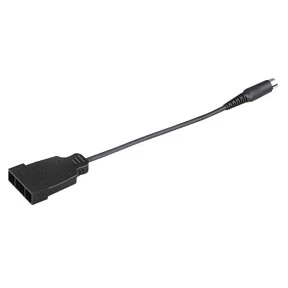
Nissan OBD I & II Diagnostic Cable Kit '89-'99
Mfg: OTC Tools and Equipment
Part #: 3305-141
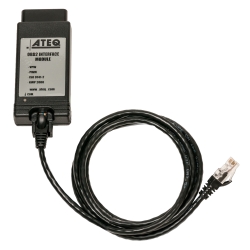
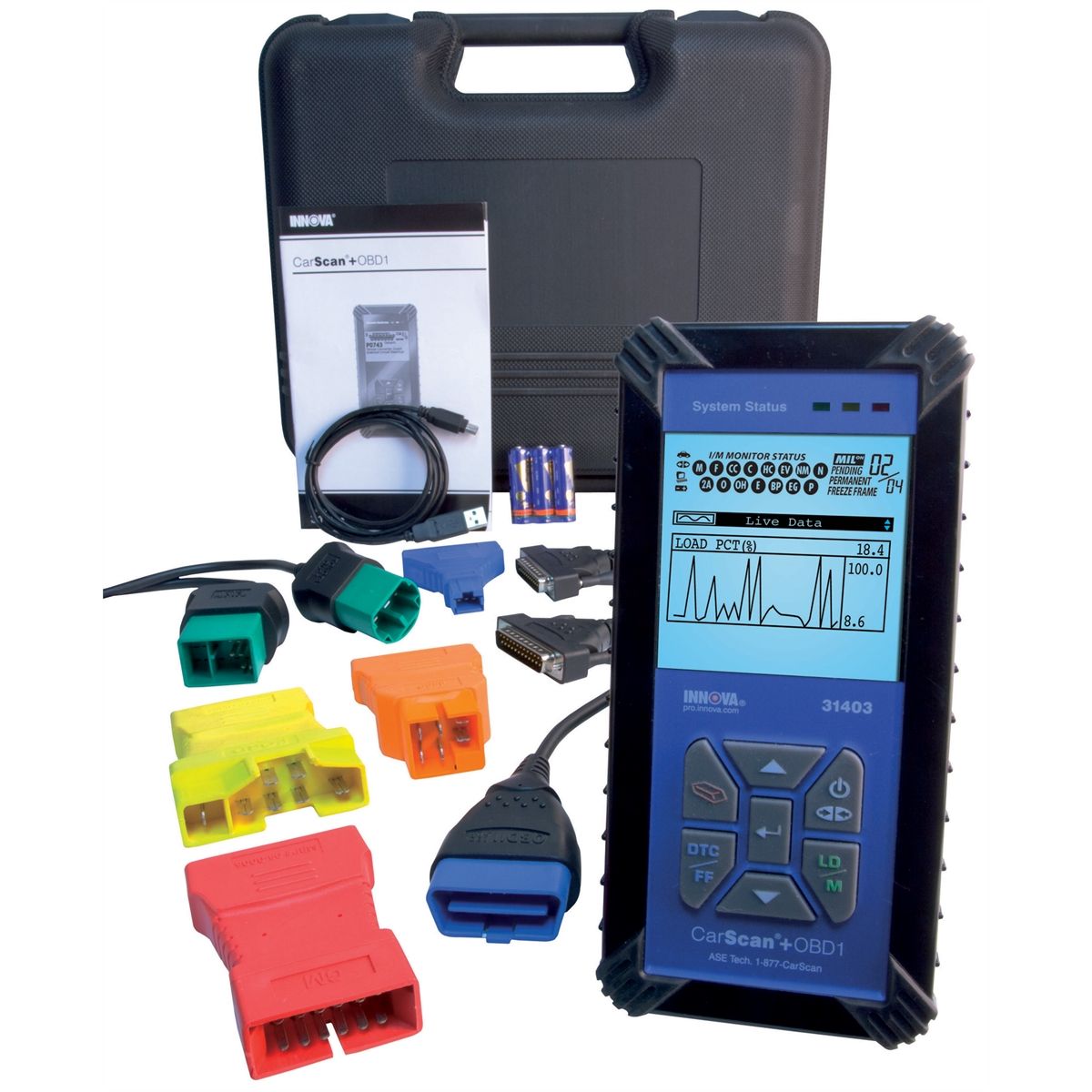
CarScan Diagnostic Interactive Scan Tool OBDI and II
Mfg: Equus Products
Part #: 31403
Frequently Asked Questions
Why does a big-block truck get the same mpg towing as it does empty?
At low-to-mid throttle these engines run well below peak efficiency regardless of load, and factory gearing is tuned for towing capability, not part-throttle economy. Aerodynamic drag from a large trailer can also dominate the fuel burn enough that added trailer weight barely changes the number.
Will headers, a cold-air intake, or a tune fix bad mpg on a 454 or 8.1L?
Rarely by more than a marginal amount. These mods primarily improve high-RPM/high-load airflow, which these trucks see infrequently in normal use. If fuel trims and mechanical systems are already within spec, expect better sound and throttle feel, not a meaningfully lower fuel bill.
What’s a realistic mpg baseline for these trucks?
Roughly 8-11 mpg unloaded on a mixed cycle for 454/7.4L/8.1L gas engines, dropping to 5-8 mpg towing depending on trailer frontal area and weight. Numbers below that range warrant a diagnostic check rather than being written off as normal.
Can a bad O2 sensor or vacuum leak really cost several mpg?
Yes. A vacuum leak or failing O2 sensor can push the ECU into sustained rich or lean compensation, and lean-driven knock retard adds fuel-inefficient timing pull on top of that. These are among the highest-yield fixes when trims are out of range.
Does a taller rear gear improve highway mpg on these trucks?
It can, provided converter lockup engages properly at the new cruise RPM — but it’s a significant job and reduces low-speed towing torque, so it’s best reserved for trucks doing mostly unloaded highway miles rather than regular heavy towing.
How many fill-ups should I log before trusting a mpg number?
At least two to three full tank-to-tank cycles under similar conditions (same fuel grade, similar load state, mixed city/highway split), calculated by hand rather than relying on the dash computer.
Tools for This Diagnostic Work
Diagnosing fuel economy and drivability issues accurately requires the right equipment. Our Automotive Diagnostic Tools selection covers the instruments needed to work through this checklist efficiently.
- Scan tools for fuel trim, knock retard, and converter lockup data logging
- Smoke testers for vacuum leak detection at idle
- Fuel pressure gauges and differential pressure kits for system verification

The Toolsource Technical Team blends decades of real-world automotive service experience with up-to-date technical research. Our writers collaborate with professional mechanics, shop owners, and diagnostic specialists to deliver practical, workshop-ready guidance you can trust.


Follow us on social media