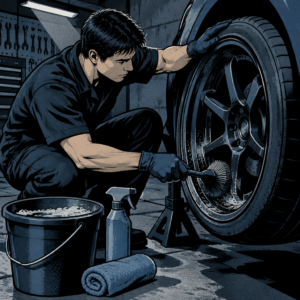
Show-Ready Shine: A Technician’s Guide to Keeping a Modified Build Looking Factory-Fresh
When a build draws comments like “killer wheels” and “looking clean,” that finish didn’t happen by accident. This guide breaks down the actual maintenance routine behind a show-ready car, from wheel barrels to paint correction to suspension checks.
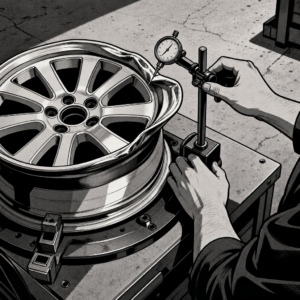
Bent or Cracked Wheel: A Technician’s Guide to Repair vs. Replace Decisions
Pothole and curb strikes bend and crack wheels every day, and the repair-or-replace call isn’t always obvious. This guide walks through inspection steps, material considerations, realistic repair costs, and when to walk away from a repair entirely.
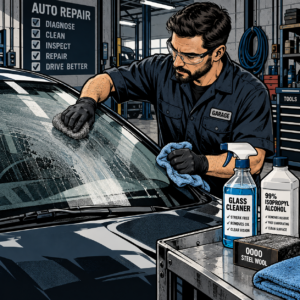
Windshield Replacement Gone Wrong: Fixing Haze, Leaks, and Rattles After an Auto Glass Job
A new windshield should be clear, quiet, and watertight — but a surprising number of replacements leave behind haze, wind noise, or leaks. Here’s how technicians and detailers sort out cleanable residue from a bad install, plus the exact steps to fix or escalate it.
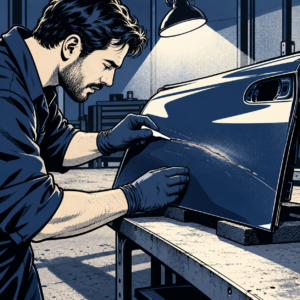
Keyed or Critter? A Technician’s Guide to Diagnosing and Repairing Deep Paint Scratches
Every shop sees it: a customer rolls in convinced “an animal” scratched their car, but the gouge tells a different story. This guide walks technicians through diagnosing scratch cause and depth, then choosing the correct repair path—without wasting materials or over-promising results.
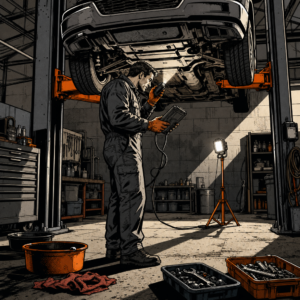
From Tech to Owner: A Practical Guide to Opening Your Own Auto Repair Shop
Thinking about trading your toolbox for a title? This guide breaks down what it actually takes for a working technician to open a shop — the legal groundwork, equipment decisions, and niche strategy that separate shops that survive from ones that don’t.
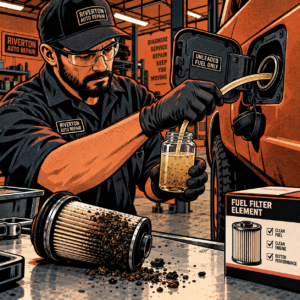
Fuel System Sabotage: A Technician’s Guide to Diagnosing Tank Tampering and Hardening Against Repeat Attacks
When a customer rolls in with a no-start and a mystery jar of sludge from their fuel neck, the diagnosis matters as much as the fix. This guide walks technicians through identifying common fuel tampering contaminants, the correct repair sequence, and practical hardening steps to recommend so the vehicle doesn’t come back with the same problem.
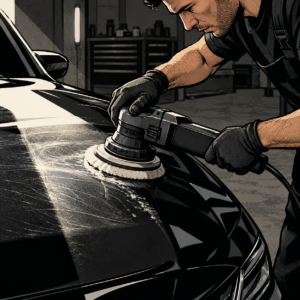
Paint Correction on Black Vehicles: Lighting, PPF Edges, and Pricing It Right
Black paint hides nothing and forgives even less — swirls, holograms, and bad PPF edges all show up the moment the sun hits the panel. Here’s a technician-level workflow for inspecting, correcting, and protecting black paint without losing money on the job.
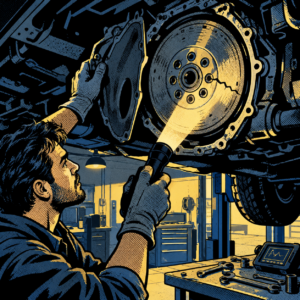
Flex Plate vs. Transmission: How to Diagnose Before You Authorize a Costly Repair
A cracked flex plate can mimic transmission failure, and misdiagnosing it leads to wildly inflated estimates and lost customer trust. Here’s how to properly isolate the fault, document it, and quote the job correctly the first time.
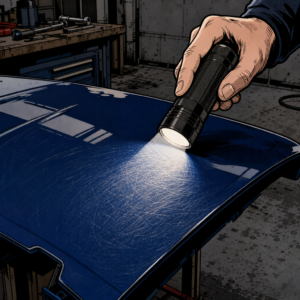
Dealership “Free Car Wash” Damage: How to Spot It, Prove It, and Stop It From Happening Again
Complimentary dealership washes are one of the most common sources of swirl marks and clear coat damage on daily-driven vehicles. Here’s how to diagnose the damage, decide whether correction is warranted, and put real safeguards in place so it doesn’t happen on the next service visit.
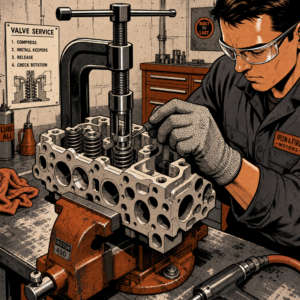
DIY Valve Keeper Compressor Tools: Safety, Technique, and Build Tips for Techs
Valve keeper work is one of the easier ways to lose an eye or lose a keeper down a bore. Here’s a practical, tech-tested rundown of how to control the valve during in-car spring service, how to build or buy a safer compressor tool, and what else to check while you’re in there.


Follow us on social media