Every service department advisor will tell you the complimentary wash is a perk. In practice, it’s usually a $2-per-car piecework job run by whoever’s fastest with a pressure washer and a shared microfiber rag, and it’s one of the most common sources of fine scratching and clear coat damage on vehicles under two years old. None of this requires a conspiracy theory — it’s a volume incentive problem. The fix isn’t outrage, it’s process: know how to spot the damage, know how to test before you correct, and know how to keep it from happening on the next visit.
Why “Complimentary” Washes Cause Swirl Marks
Dealership wash bays are optimized for throughput, not paint safety. Common failure points show up over and over in service complaints:
- Shared contact materials. The same wash mitt or rag that touched a wheel well or bumper full of brake dust gets reused on the hood and doors without rinsing between panels.
- Dry or near-dry wiping. Pressure washers knock off loose grit, but staff frequently towel-dry panels before all abrasive particles are flushed, grinding them into the clear coat in straight-line or circular marring.
- Harsh or incorrect chemicals. Degreasers meant for engine bays or tar removers get sprayed directly on paint to speed up bug and tar removal, then rinsed fast — this is frequently misdiagnosed by the service desk as “hard water spotting” when it’s actually chemical etching or induced marring.
- No panel-by-panel inspection. Techs are paid by the car, not the hour, so there’s no incentive to stop and swap a dirty mitt.
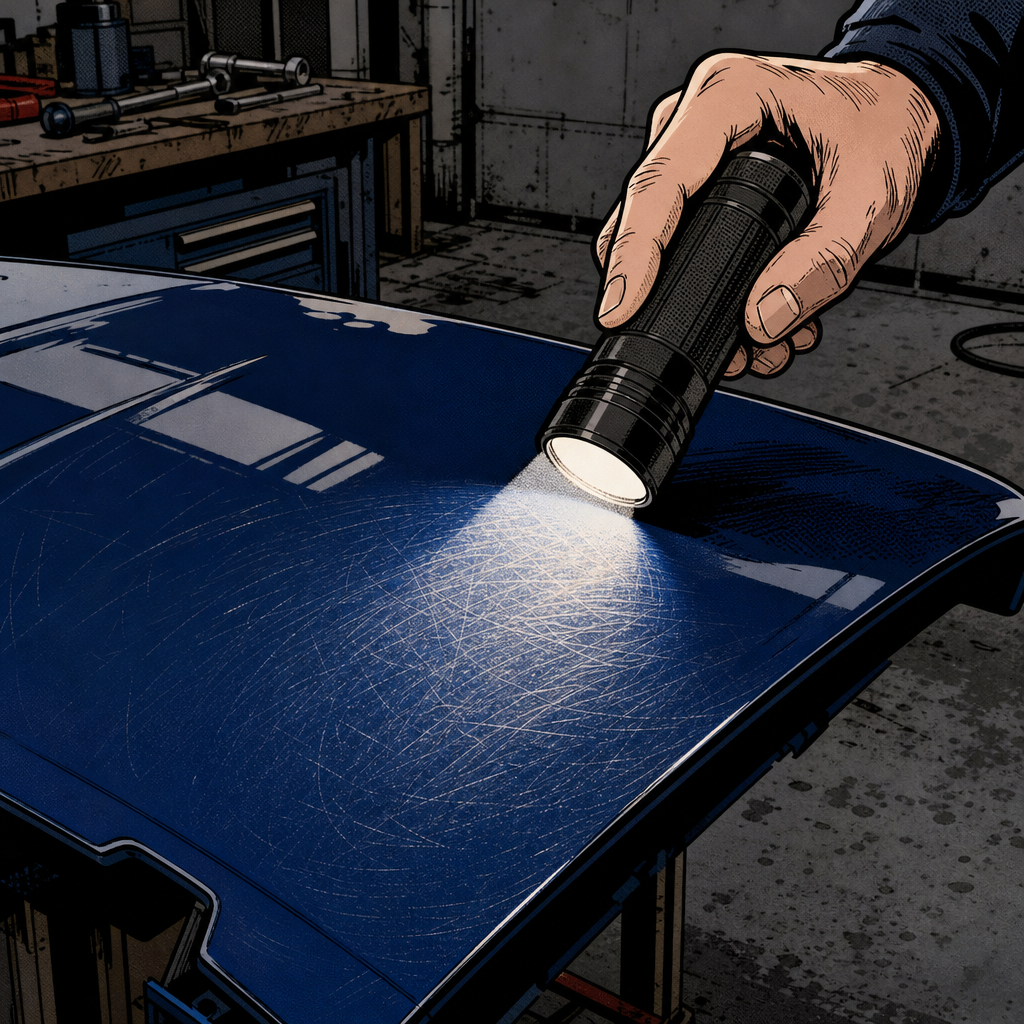
The result is fine, multidirectional scratching visible mainly under direct sun or a flashlight at a low angle — classic swirl marks — sometimes paired with deeper linear scratches if a wheel-well rag made contact with vertical paint.
Diagnosing Damage and Testing Clear Coat Before You Touch It
Before assuming correction is needed, confirm what you’re actually looking at and how much clear coat margin exists.
- Inspect under raking light. Direct sunlight or a dedicated swirl-finder flashlight at a 30–45 degree angle will reveal marring that’s invisible under normal overhead lighting. Photograph it immediately, with the light source visible in frame, for your records.
- Rule out water spotting first. Hard water etching looks like faint circular outlines, not multidirectional linear scratching. If a clay bar or light polish on a hidden test panel removes it, it was surface contamination, not scratching — but don’t accept that explanation on its own if the marks are clearly linear and widespread.
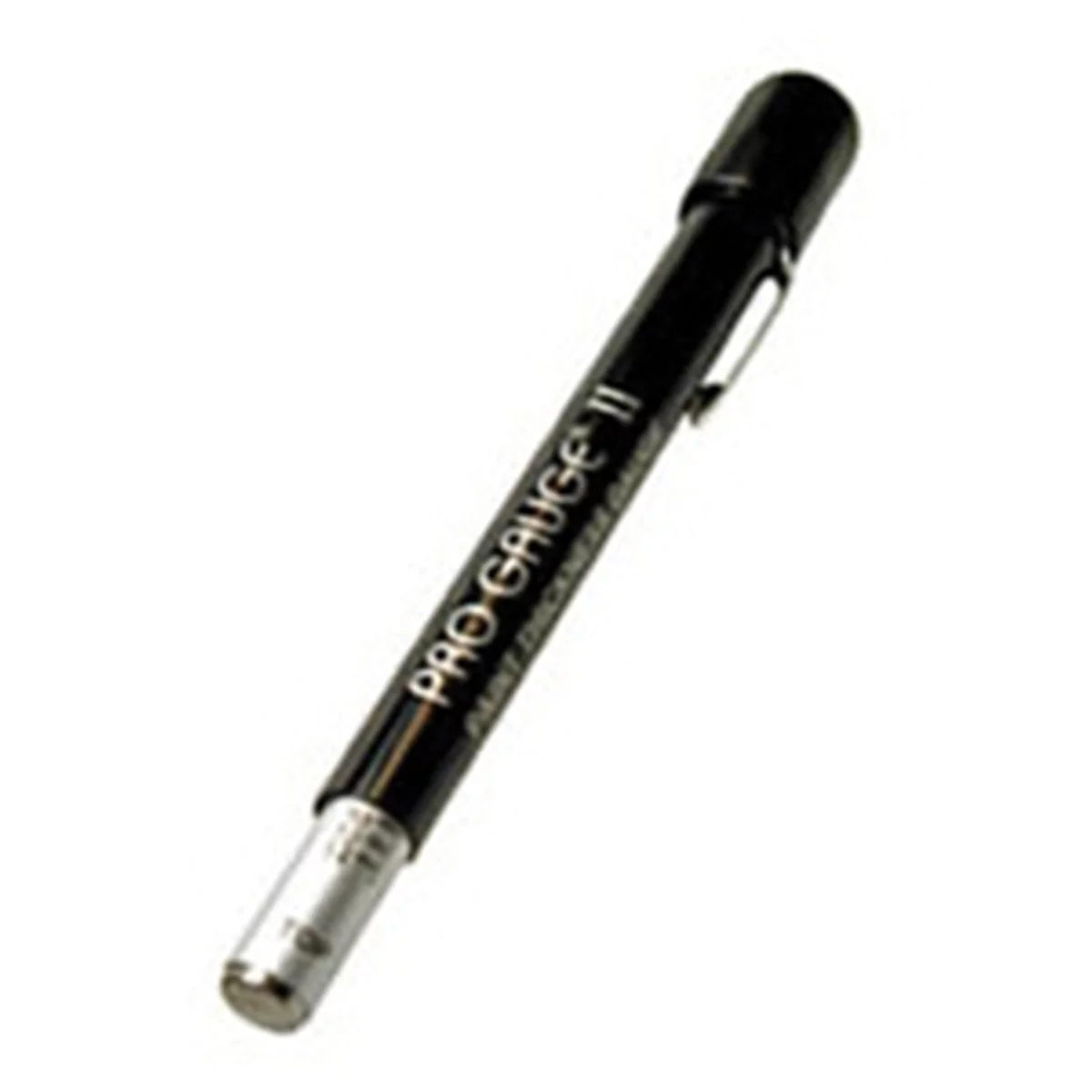
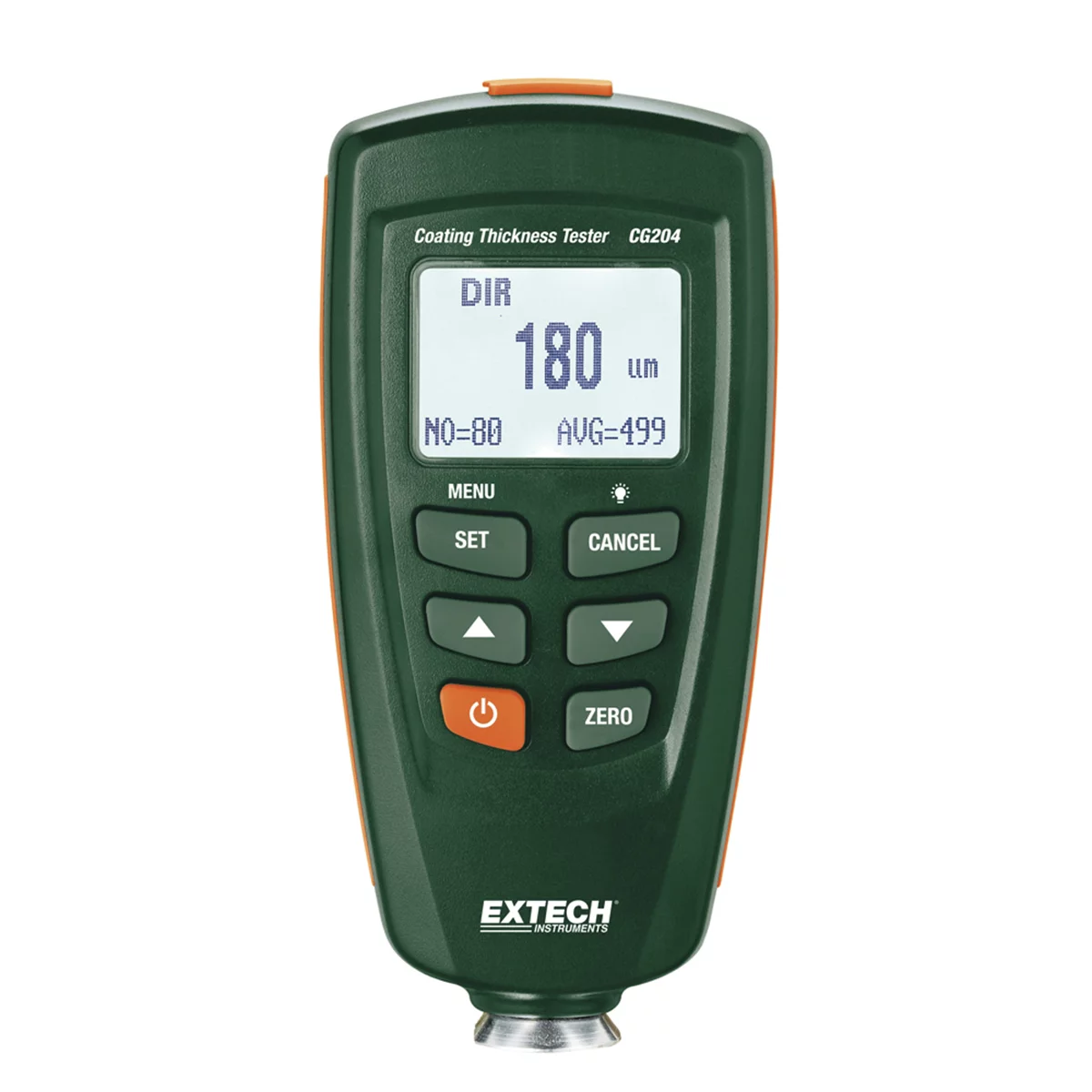
- Measure clear coat thickness. A digital paint thickness gauge (magnetic for steel panels, eddy-current capable for aluminum) gives you a baseline reading in microns before anyone touches the car with a buffer. Most factory clear coats run 40–60 microns; most compounding and polishing removes 2–5 microns per pass. Without a baseline reading, neither you nor a detailer can tell how much margin is left for correction, now or in the future.
- Check multiple panels. Horizontal panels (hood, roof, trunk) typically show the most marring from washing and the most UV-related clear coat thinning. Compare readings against a known-undamaged panel like a door jamb or trunk edge.
Do this before authorizing any compounding — once clear coat is removed, it does not come back, and repeated corrections over the life of the vehicle will eventually expose base coat.

Documenting the Damage and Getting the Dealer to Act
Verbal complaints get lost between the service writer and the wash bay. Put everything in writing and make it physically visible on the vehicle.
- Get it in the service file, not just a conversation. Ask the service advisor to add a permanent note — “Do not wash” or “customer-maintained paint, no complimentary wash” — and have them read it back or show you the entry before you leave the counter.
- Use a physical reminder every visit. A laminated “Do Not Wash” card on the steering wheel and a hang tag on the mirror are cheap and effective because they’re seen by whoever actually touches the car, not just the person who opens the file.
- Escalate in person if ignored. If a note and signage get ignored, that’s a process failure on the dealer’s end, not an isolated mistake. Ask for the service manager, state the specific prior instruction, and reference the dated file note.
- Request before/after documentation on any correction. If the dealer agrees to pay for paint correction, get the detailer’s assessment of clear coat condition in writing, and keep your own thickness readings from before the work started.
Safe Washing Technique to Avoid Reintroducing Marring
If you’re taking over wash duties to avoid future dealer damage, the method matters as much as the intent.
- Two-bucket method. One bucket with pH-neutral car wash soap, one with plain rinse water and a grit guard at the bottom. Dunk, rinse grit off the mitt in the rinse bucket, then reload soap — this keeps abrasive particles from being dragged across the next panel.
- Rinse before you touch anything. A pre-rinse (ideally with a foam cannon or pressure washer at a safe distance) lifts loose grit before any mitt contact.
- Dedicated wheel and lower-panel materials. Wheels, wheel wells, and rocker panels carry brake dust and road grime that is abrasive relative to clear coat. Never use the same mitt or towel on these areas and the painted body.
- Straight-line drying with clean microfiber. Circular wiping with a used or low-quality towel is a major contributor to swirl marks; use a high-GSM, clean microfiber or a drying towel and blot/drag rather than scrub.
- Avoid automatic brush washes entirely. Soft-touch claims aside, shared brushes that contact every car in line are a near-guaranteed source of fine scratching over time.
When Paint Correction Is Actually Warranted
Correction should be a deliberate decision based on the thickness readings and severity of marring, not a reflexive response to any visible swirl.
- Light, surface-level marring (visible only under raking light, not felt by fingernail test) can often be addressed with a one-step polish and a fine finishing pad, removing minimal clear coat.
- Moderate marring with deeper scratches may need a two-step correction — compound to level the deeper marks, then polish to refine haze — which removes more material and should only proceed if thickness readings show adequate margin.
- Don’t over-correct. Chasing every last visible swirl under a flashlight wears through clear coat faster than it needs to. A realistic goal is scratches invisible in normal daylight and at typical viewing distance, not 100% removal under magnification.
- Re-test after correction. Confirm with the thickness gauge how much was actually removed, and keep that number on file for future reference — it determines how much margin remains for any correction down the road.
Long-Term Protection So You’re Not Doing This Again
Once paint is corrected, or if it’s still in factory condition, protecting it reduces both the damage dealership washes cause and the frequency of future correction.
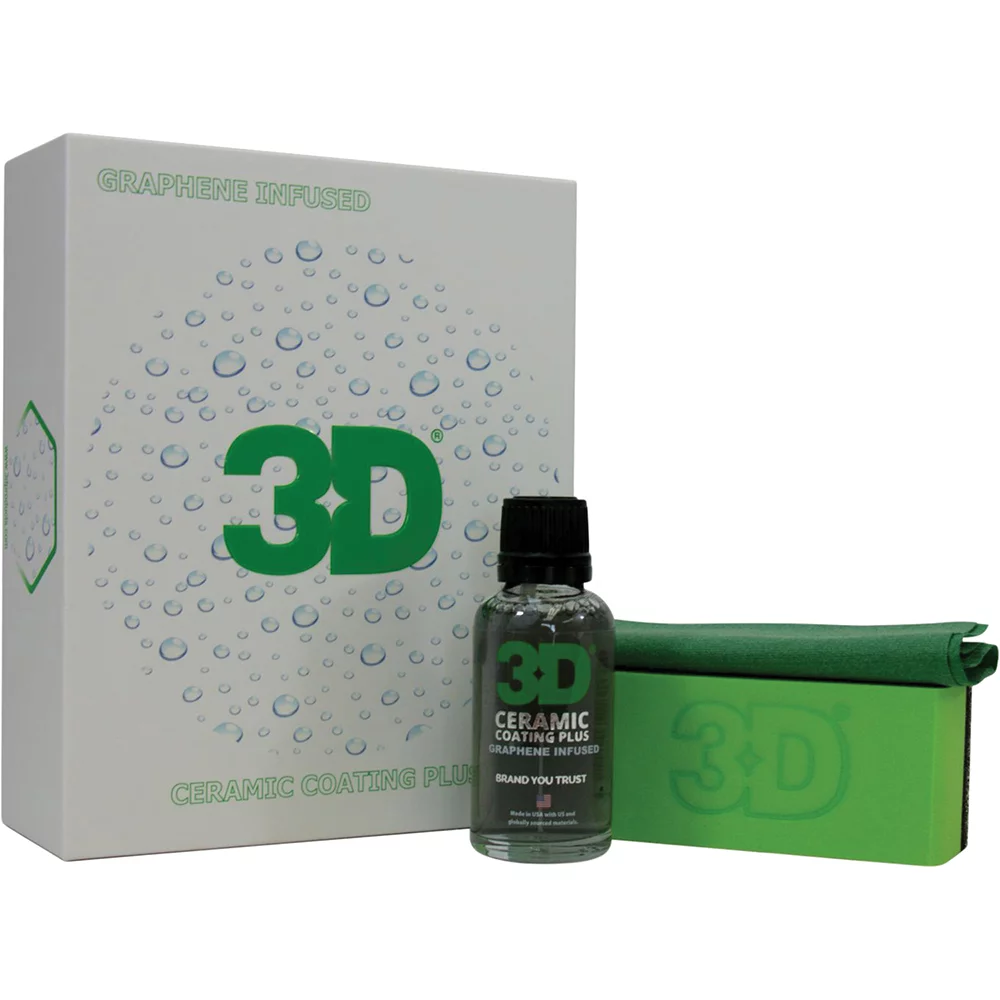
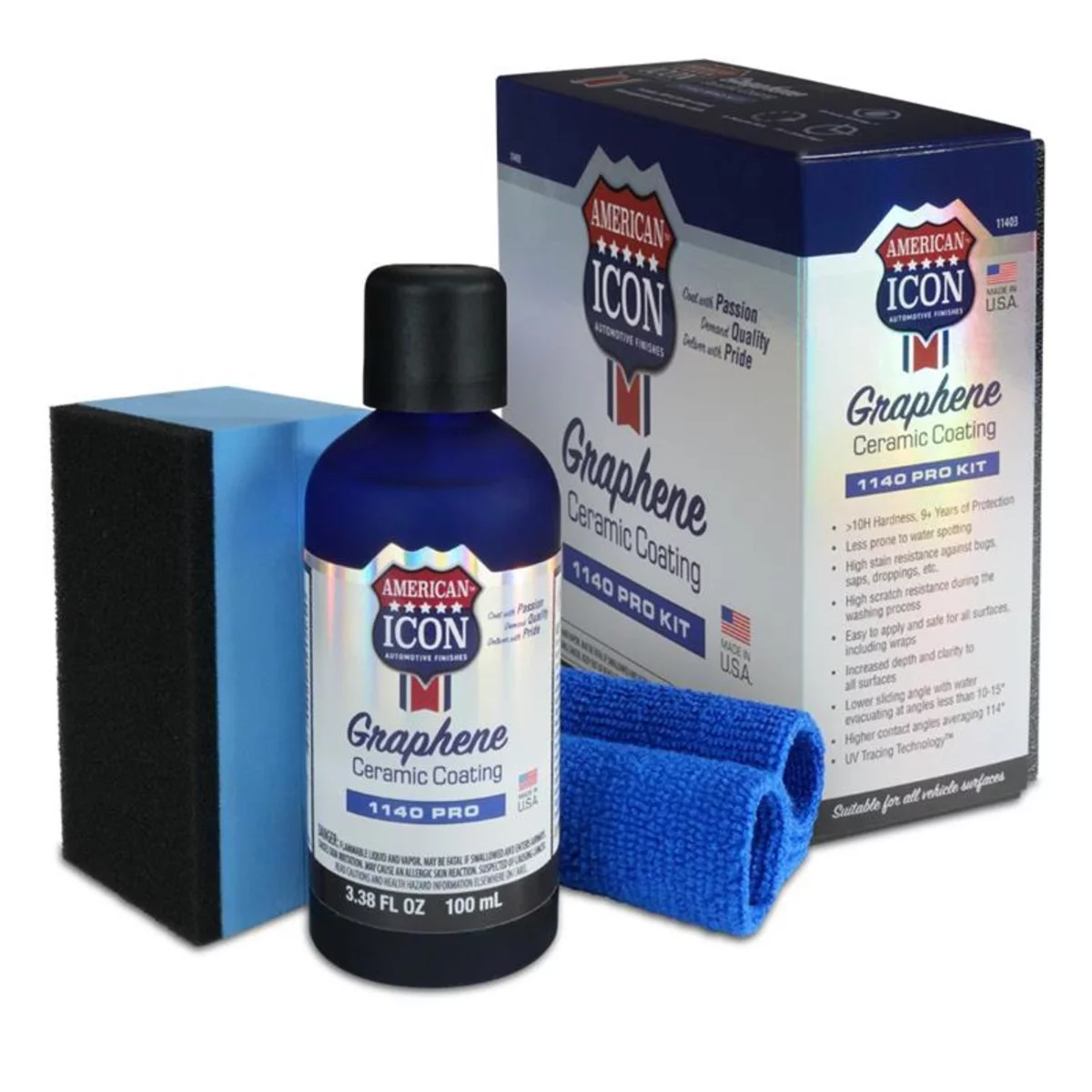
- Ceramic coating adds a sacrificial, chemically resistant layer that makes marring and water spotting easier to remove and somewhat more resistant to light abrasion — it does not make paint scratch-proof, and a careless rag can still mar it.
- Paint Protection Film (PPF) on high-contact panels (hood, fenders, mirrors, rocker panels) is the most effective physical barrier against wash-induced marring, since the film itself absorbs the abrasion rather than the clear coat.
- Maintenance washing on your own schedule reduces the contamination load (bird droppings, road film, brake dust) that makes any wash — dealer or otherwise — more likely to mar paint.
Quick Checklist: Before You Hand Over the Keys
- Confirm “No Wash” is written in the service file, not just stated verbally
- Hang a physical “Do Not Wash” tag on the mirror and a card on the steering wheel
- Photograph the car’s current condition under raking light before drop-off
- Verbally restate the instruction to whoever checks the car in, every visit
- If damage occurs, get thickness readings before agreeing to any correction
- Escalate to the service manager immediately if instructions are ignored
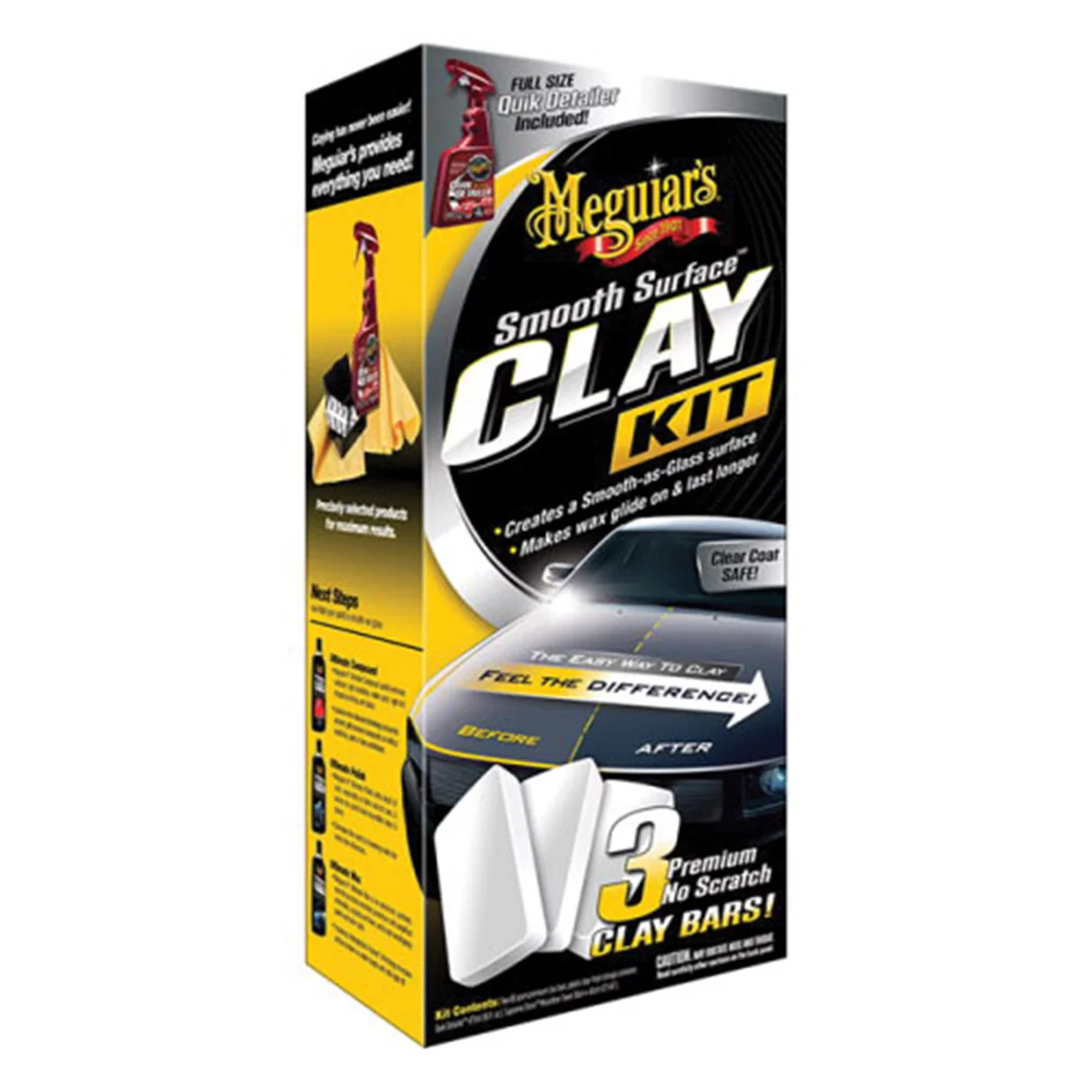
Smooth Surface G191700 Clay Kit, 60 g Clay Bar, 16 oz Quik Detai
Mfg: Meguiars
Part #: G191700
FAQs
Can a dealership really not keep a “do not wash” note in my file?
Most dealer management systems absolutely support permanent customer notes. If an advisor claims otherwise, ask to see the note entered before you leave the counter — this alone resolves most cases of the instruction getting lost.
How do I tell swirl marks from hard water spots?
Water spots are typically faint, roughly circular etching from mineral deposits drying on the surface, often removable with a clay bar or light polish. Swirl marks are fine, multidirectional linear scratches visible under raking light and won’t lift with a clay bar — they require abrasive polishing to reduce.
How much clear coat can I safely remove during correction?
There’s no universal number, but most techs keep total lifetime removal well under half the factory thickness, leaving margin for UV degradation and any future touch-ups. A thickness gauge reading before and after each correction is the only reliable way to track this.
Will a ceramic coating stop swirl marks from dealership washes?
It reduces the likelihood and severity by adding a harder, more slippery sacrificial layer, but it is not scratch-proof. A rag dragging grit across the surface can still mar a ceramic-coated panel, just somewhat less easily than bare clear coat.
Is it reasonable to refuse all dealership washes going forward?
Yes — declining the complimentary wash entirely, in writing, is the most reliable prevention method. Verbal refusals get overridden by shift changes and new staff; a standing file note combined with a physical hang tag closes most of that gap.
What should I ask for if a dealership damages my paint?
Request a written acknowledgment of the damage, a thickness-gauge assessment before any correction work, and a copy of what correction method will be used. Paying for a correction without that documentation makes it hard to track clear coat margin for future service life.
Paint Care & Correction Tools
Preventing and addressing paint damage requires the right tools and materials. Explore our Paint & Body category to find everything you need for diagnosis, correction, and long-term protection.
- Paint thickness gauges for measuring clear coat depth before and after correction
- Polishing compounds and pads for swirl mark removal and paint refinement
- Ceramic coatings and protective film systems for preventing future damage

The Toolsource Technical Team blends decades of real-world automotive service experience with up-to-date technical research. Our writers collaborate with professional mechanics, shop owners, and diagnostic specialists to deliver practical, workshop-ready guidance you can trust.


Follow us on social media