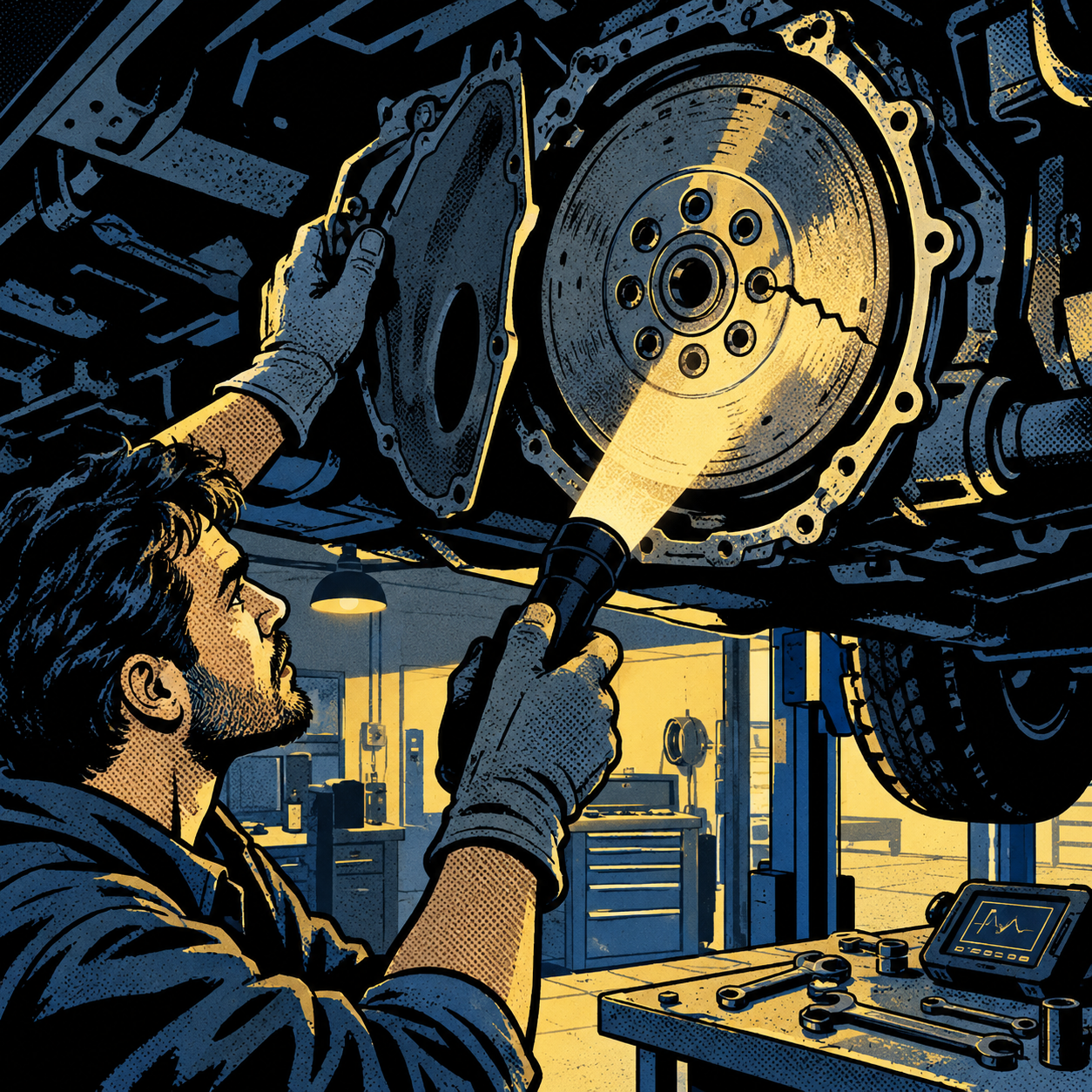
A customer walks in convinced they need a new transmission, and the previous shop’s estimate backs that story up to the tune of $5,000 or more. Nine times out of ten, the actual culprit is a cracked flex plate — a $150-200 part that gets lumped into a full transmission replacement quote because nobody bothered to isolate the noise before writing the estimate. Getting this diagnosis right isn’t just good practice, it’s what separates a shop customers trust from one they warn their friends about on Reddit. Here’s how to nail the diagnosis, document it properly, and quote the actual repair instead of the easy upsell.
Know the Difference Between a Flywheel and a Flex Plate
These two parts get confused constantly, even by service writers who should know better, so get the terminology straight before you’re on the phone with a customer. A flywheel is a thick, heavy steel disc used on manual transmission vehicles — it’s the surface the clutch disc grabs to transfer power. A flex plate (sometimes called a flexplate) is the automatic transmission equivalent: thin, stamped steel with a ring gear welded or riveted to the outer edge for the starter to engage. The flex plate bolts between the crankshaft and the torque converter, and because it’s thin by design (it needs to flex slightly to absorb harmonic vibration), it’s far more prone to cracking than a flywheel ever is.
The two are not interchangeable in practice even though some shops will tell a customer they’re “basically the same thing.” If a customer with an automatic says they were quoted for a “flywheel replacement,” that’s your first clue the estimate may not be accurate — correct that terminology early, because it often signals the shop wasn’t being precise about the rest of the diagnosis either.
Recognize the Symptoms of a Cracked Flex Plate
A cracked or separated flex plate produces symptoms that overlap heavily with transmission failure, which is exactly why it gets misdiagnosed. Listen and look for:
- A metallic rattling or clanking noise that changes with engine RPM, most noticeable at idle or during acceleration
- A noise that’s present in Park or Neutral but disappears or changes character in gear (classic flex plate behavior, since engine load shifts)
- Starter engagement issues — grinding, hesitation, or the starter not catching cleanly — caused by a damaged ring gear
- Vibration felt through the floor or shifter under load
- No actual shifting problems: no slipping, no delayed engagement, no burnt-fluid smell
That last point is the key differentiator. A transmission with internal damage almost always shows itself through shift quality — slipping, flaring RPM, harsh or delayed shifts, or fluid condition. If the customer reports a noise complaint with otherwise normal shifting, you’re looking at a flex plate, motor mount, or torque converter bolt issue, not a transmission rebuild candidate.

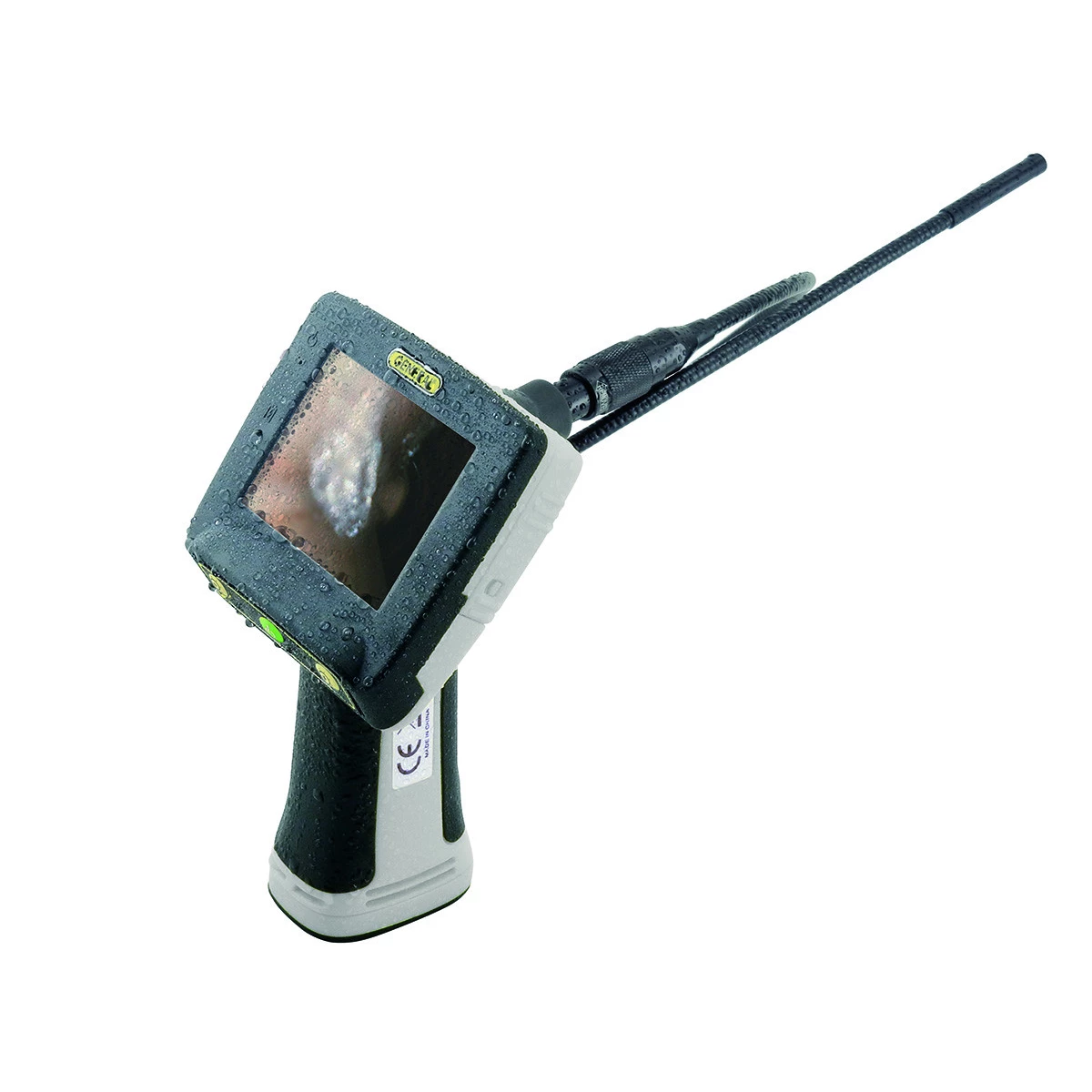
Waterproof Video Inspection Camera/Borescope with 8mm Probe
Mfg: General Tools & Instruments
Part #: DCS600A
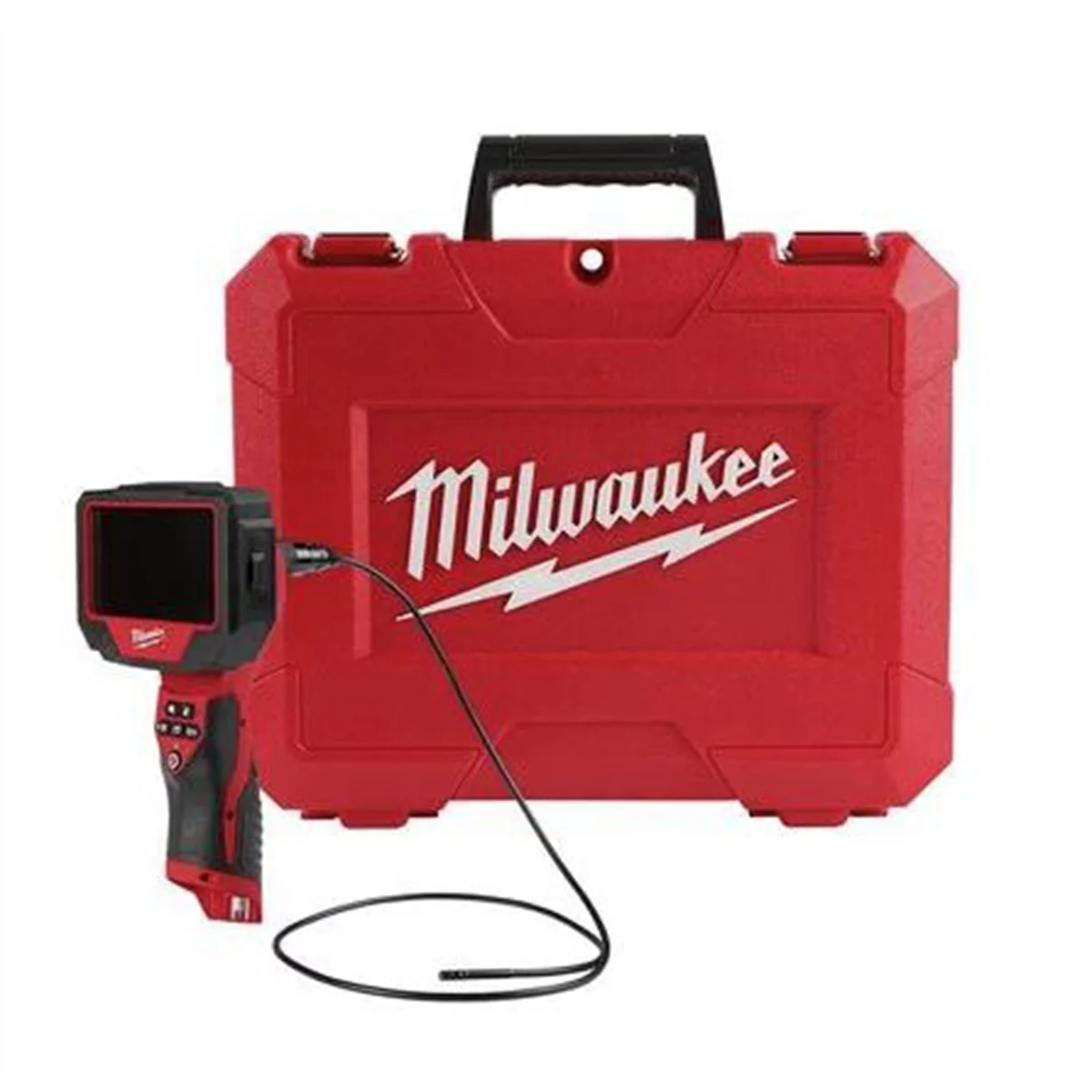
Milwaukee Tool M12 Auto Technician Borescope with 2.0 Starter Ki
Mfg: Milwaukee Electric Tools
Part #: TECHBORESCOPEKIT
Confirm It Visually Before You Quote Anything
Don’t quote a flex plate replacement off sound alone — confirm it with eyes on the part. The fastest method is pulling the inspection cover (or lower bellhousing cover on vehicles where it’s accessible) and using a timing light or flashlight while someone bumps the engine over by hand or with the starter relay disconnected from spark/fuel. You’re looking for visible cracks radiating from the bolt holes, a ring gear that’s chipped or loose, or bolts that have backed out and are contacting the bellhousing.
Where access is tight, a flexible inspection camera lets you get the flex plate in view without pulling the transmission or dropping the exhaust, and it’s the fastest way to document the crack with photos the customer can actually see on their phone before you talk price.
Why Shops Push the Full Transmission Replacement
There’s a real labor-cost reason flex plate jobs get bundled into bigger estimates: on most platforms, replacing the flex plate requires dropping the transmission (or at minimum separating it from the engine) to access the bolts, which is genuinely several hours of labor even though the part itself is cheap. Some shops see that labor overlap and decide it’s more profitable to sell a transmission replacement or remanufactured unit instead of a flex plate job, especially if they don’t stock flex plates or don’t want to warranty a repair on an older unit.
That’s a legitimate business decision for a shop to make, but it’s not an honest one unless they clearly separate “here’s what’s actually broken” from “here’s what we recommend you do about it.” If a shop refuses to even quote the flex plate alone, or jumps straight to “you need a new transmission” without explaining why the flex plate repair isn’t viable, that’s a sign to get a second opinion — not necessarily a sign of fraud, but definitely a sign the estimate wasn’t built transparently.
Build an Estimate That Holds Up to a Second Opinion
Customers increasingly shop estimates against each other, and a $3,000+ spread between quotes for the same symptom (as commonly happens between a flex plate job and a full transmission swap) will send them straight to another shop and straight to the internet for validation. Protect your estimate and your reputation by:
- Itemizing the diagnosis separately from the recommended repair, with photos or video of the actual damage
- Quoting the flex plate replacement on its own line, even if you also recommend other work while the transmission is accessible (fluid/filter service, pan gasket, torque converter bolts)
- Checking for open recalls or Customer Satisfaction Programs tied to the VIN before finalizing a price — some manufacturers have covered flex plate failures on specific model years, and a customer who finds that out after paying you full price will not be a repeat customer
- Explaining in writing why a transmission replacement is or isn’t necessary, rather than just listing it as a line item
Typical flex plate replacement labor (with parts) lands in a wide range depending on platform and whether anything else is addressed at the same time — jobs that require subframe or cradle removal cost more in labor than those where the transmission drops with minimal disassembly. Get your shop’s rate dialed into that range for common platforms you service so you can quote confidently without padding the job to cover uncertainty.
Don’t Miss Unrelated Symptoms in the Same Visit
Customers often bundle every complaint into one visit, and it’s worth running a full systems check rather than tunnel-visioning on the noise complaint. A common unrelated issue on vehicles with steering-wheel-position dash warnings and momentary power steering loss at full lock is a failing clock spring — the spiral cable behind the steering wheel that carries electrical signals (airbag, horn, steering angle sensor, sometimes power steering input) through full steering rotation. A clock spring with an internal short can cause a brief electrical interruption at full steering lock, triggering multiple dash warnings and a momentary loss of power steering assist before everything resets. That’s a steering column job, not a power steering rack or belt issue, and it’s worth diagnosing separately so the customer isn’t quoted for the wrong steering system repair.
Quick Diagnostic Checklist
- Confirm automatic transmission (flex plate) vs. manual (flywheel) terminology before quoting
- Check shift quality separately from noise complaints — slipping/flaring points to transmission, not flex plate
- Visually inspect the flex plate and ring gear through the inspection cover before finalizing any estimate
- Check the VIN for open recalls or Customer Satisfaction Programs before charging full price
- Quote flex plate replacement as its own line item, separate from any recommended transmission work
- Rule out unrelated electrical/steering symptoms (e.g., clock spring) with their own diagnosis
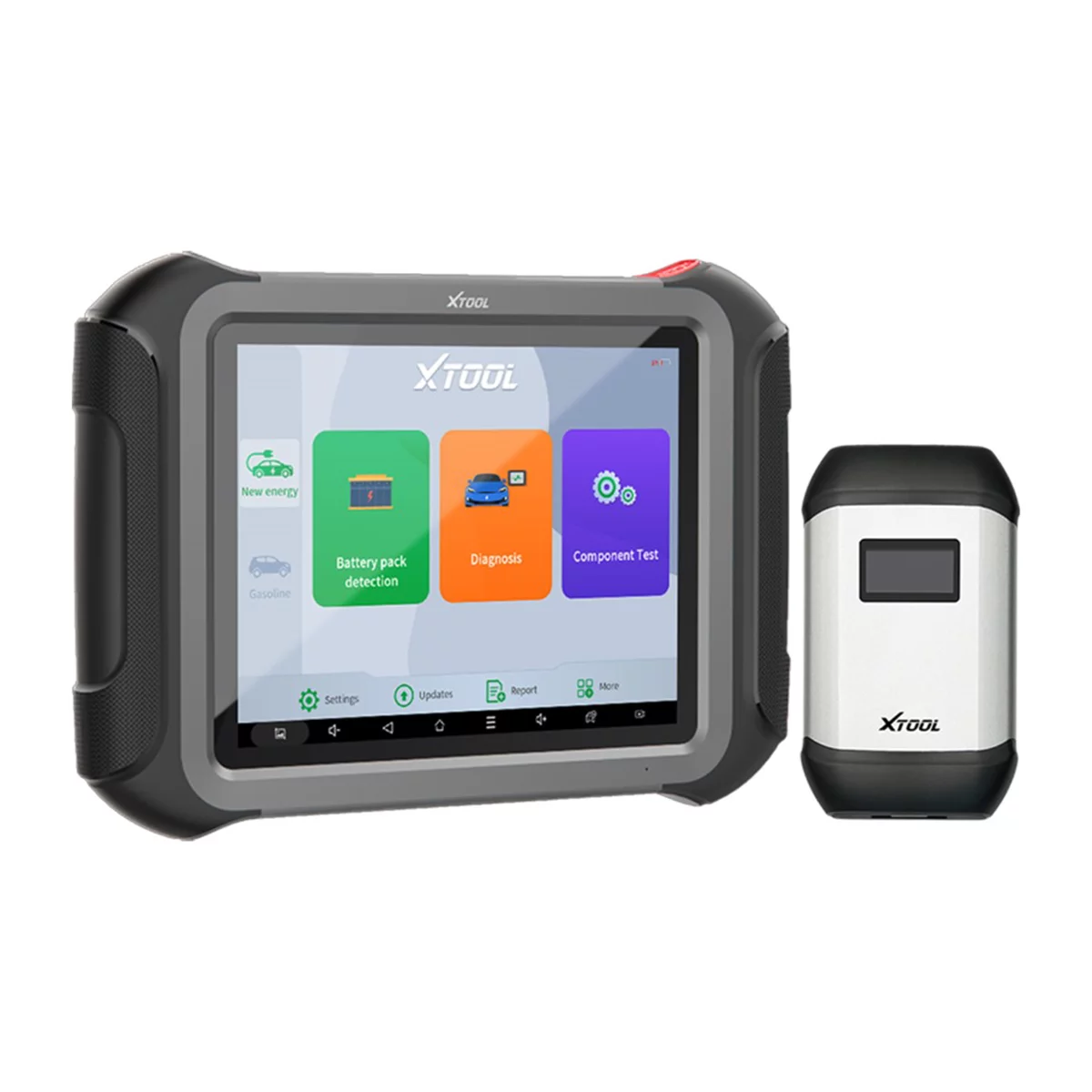
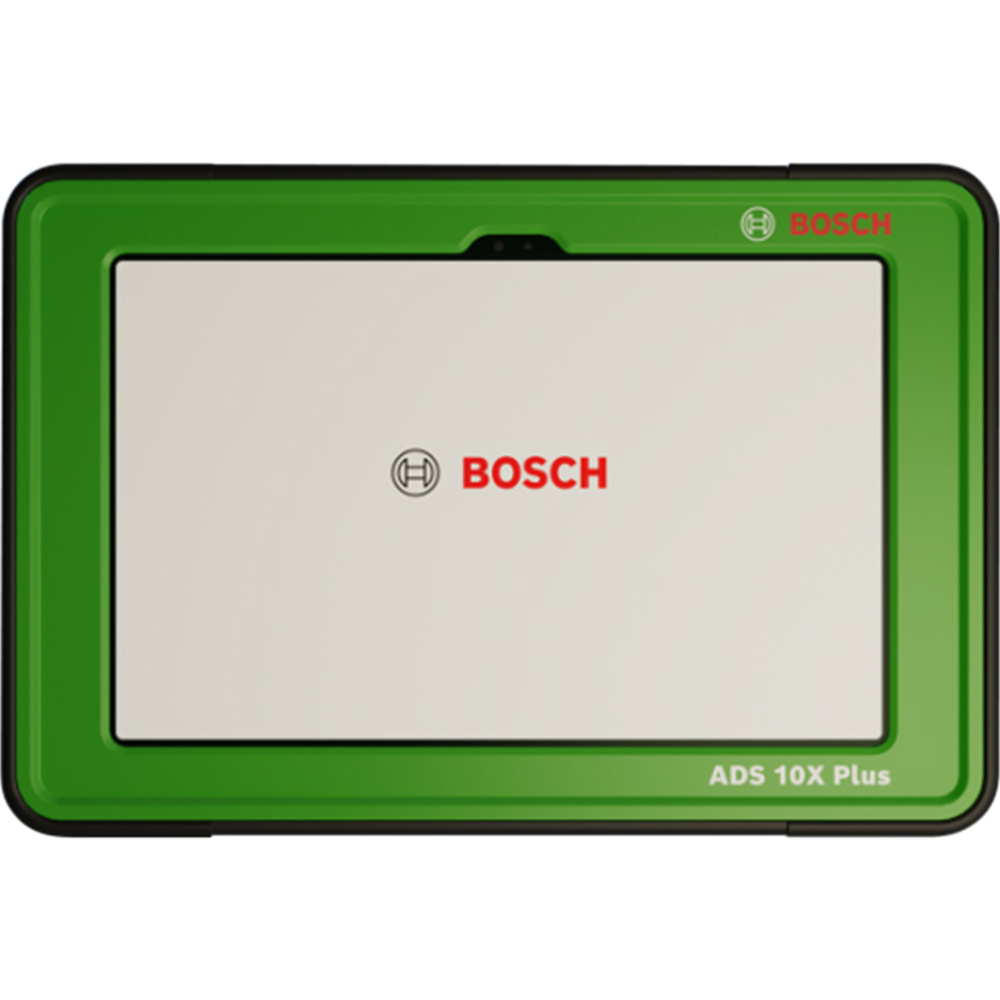
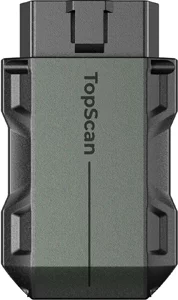
Pocket-Size Bluetooth Scan Tool w/Bi-Directional Controls
Mfg: TOPDON
Part #: TOPSCANPRO
FAQs
Can a cracked flex plate damage the transmission if it’s not fixed?
Yes, eventually. Loose bolts or a fully separated flex plate can contact the bellhousing or torque converter, causing secondary damage. It’s not an emergency on day one, but it shouldn’t sit for months either.
Does fixing the flex plate require replacing the torque converter too?
Not necessarily. Inspect the torque converter bolts and converter condition while the transmission is separated, but a flex plate failure alone doesn’t indicate converter damage unless there’s evidence of contact or metal debris.
Why does the flex plate job cost so much if the part is cheap?
Because the labor to access it — dropping the transmission or separating it from the engine — is the expensive part, not the plate itself. Parts are often under $200; labor is where most of the quote comes from.
Is it ever correct to recommend a full transmission replacement for this symptom?
Only if there’s independent evidence of internal transmission damage — slipping, fluid contamination, debris in the pan, or diagnostic trouble codes pointing to internal failure. A flex plate crack by itself isn’t that evidence.
How do I know if there’s a manufacturer recall covering this repair?
Run the VIN through the manufacturer’s recall lookup tool or call the dealer’s service department directly. Some flex plate issues have been covered under Customer Satisfaction Programs up to certain mileage thresholds, with partial coverage beyond that.
What’s a reasonable second-opinion price spread before I should worry about my own estimate?
A few hundred dollars for labor rate differences is normal. A spread in the thousands — flex plate replacement vs. full transmission replacement — means one of the two shops misdiagnosed the job, not that labor rates vary that widely.
Tools for Accurate Diagnosis
Confident diagnosis means better estimates and happier customers. Browse our Automotive Diagnostic Tools for inspection equipment and scan tools that help isolate the real problem before you quote the repair.
- Flexible inspection cameras and borescopes for visual component inspection
- Diagnostic scan tools for electrical and transmission system diagnosis
- Lighting and accessory tools for detailed fault identification

The Toolsource Technical Team blends decades of real-world automotive service experience with up-to-date technical research. Our writers collaborate with professional mechanics, shop owners, and diagnostic specialists to deliver practical, workshop-ready guidance you can trust.


Follow us on social media