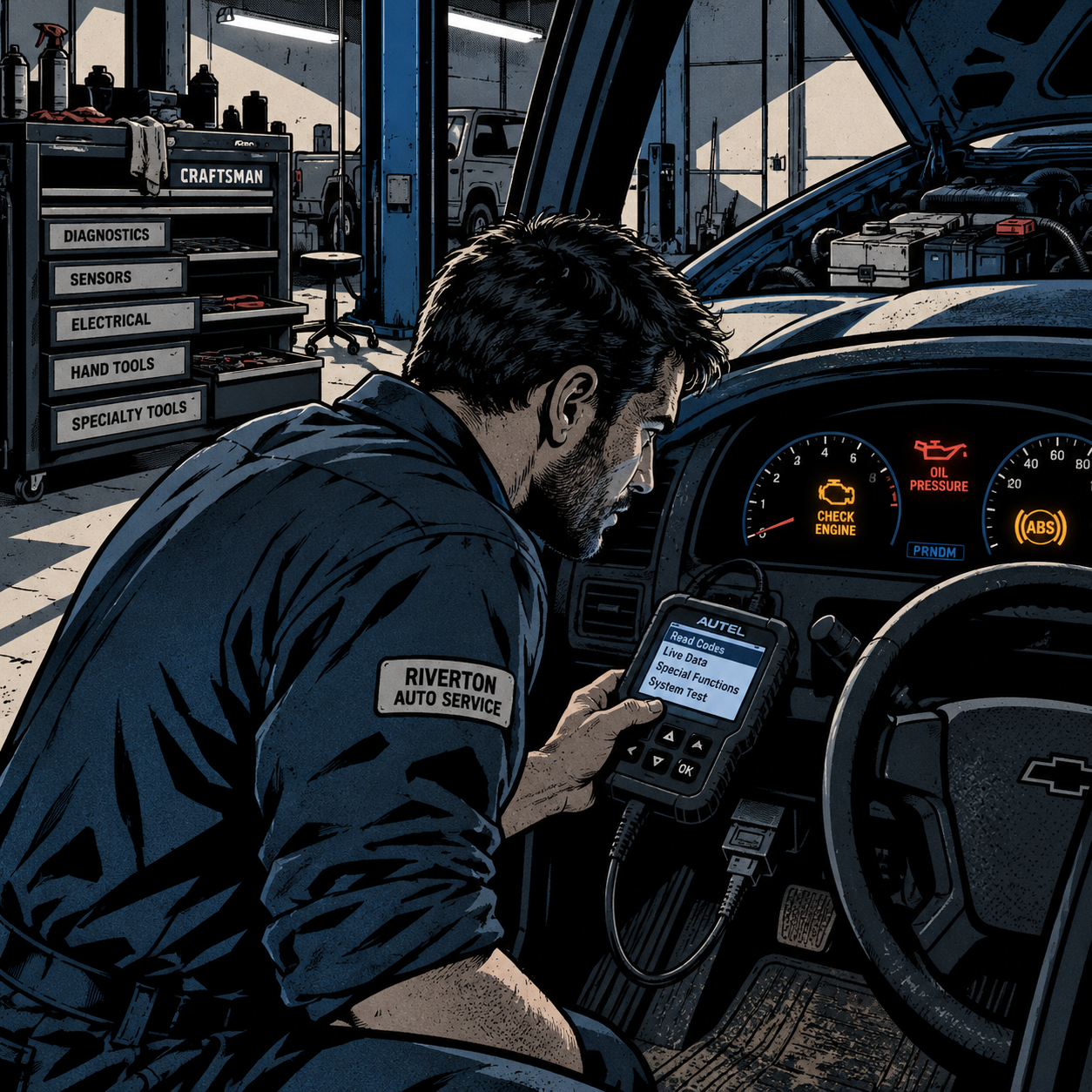
Every tech has lived this exact scenario: a service writer walks back and says a customer showed up unannounced, swears they had an appointment, and just needs “an hour” to look at a dash light near the speedometer that won’t turn off. It sounds simple. It rarely is. Between juggling walk-ins that weren’t scheduled, communicating realistic timelines, and doing it all on your third energy drink of the day, the technical work is often the easiest part of the job. The harder part is managing the chaos around it without burning out. Here’s a practical breakdown of both — how to triage that kind of walk-in efficiently, and how to protect your own bandwidth so you’re not the next tech venting on Reddit about quitting.
Triage the Walk-In Before You Touch a Wrench
When a vague complaint like “a dash light near the speedometer won’t turn off” lands on your bay with no history and an unrealistic time promise already made to the customer, don’t start guessing based on the description. Spend the first five minutes doing this instead:
- Confirm which light it actually is. “Near the speedometer” could be the gauge cluster’s battery, oil pressure, ABS, airbag, or check engine light — each has a completely different urgency and diagnostic path.
- Ask if the light is steady or flashing. A flashing check engine light (misfire with possible catalytic converter damage) is a different conversation than a steady one.
- Pull codes with a scan tool before you open the hood. This takes two minutes and tells you whether you’re dealing with a five-minute sensor reset or a multi-hour diagnostic.
- Check for obvious prior work. Loose battery terminals, a recently disconnected sensor connector, or a half-finished repair are common causes of a stray warning light and are quick wins.
This sequence matters because the service writer already told the customer “an hour.” Your job is to quickly confirm whether that promise is realistic or whether it needs to be walked back immediately — before the customer is sitting in the waiting room watching the clock.
Set a Realistic Time Estimate and Communicate It Immediately
The single biggest source of shop-floor friction isn’t the repair — it’s the gap between what was promised and what’s actually possible. If scan tool data suggests a quick fix (a loose connector, a software-triggered code that clears and doesn’t return), you can usually hold the one-hour promise. If it points to an intermittent fault, a wiring issue, or something requiring a wait-and-recheck after a drive cycle, say so immediately rather than an hour into the job.
A few habits that prevent this from becoming your problem later:
- Give the service writer a revised estimate the moment you have one, not after the customer has already waited past the original promise.
- Document what you found with codes and freeze frame data before you start disassembly, so there’s a record if the diagnosis changes.
- If the job was double-booked or never actually scheduled, flag that to a manager in writing (text, ticket note, whatever your shop uses) so it doesn’t default to being “your” scheduling miss.
===PRODUCT_SEARCH_AFTER_SECTION_2===
Manage the Physical Grind: Caffeine, Fatigue, and Burnout Signs
Shop culture jokes aside, the caffeine-and-nicotine cycle that keeps a lot of techs upright through a double-booked day is a real occupational hazard, not just a personality trait. Running on 600-800mg of caffeine daily (several energy drinks plus coffee) chronically elevates heart rate and can mask the fatigue that leads to dropped tools, cross-threaded bolts, and torque mistakes — the kind of errors that become comebacks.
Practical adjustments that don’t require quitting caffeine cold turkey:
- Cap total caffeine and spread it out rather than front-loading two energy drinks before 10am and crashing by 2pm.
- Hydrate with water between caffeinated drinks — dehydration amplifies the jittery, unfocused feeling techs often try to fix with more caffeine.
- Take the five-minute break between jobs even when the bay is full. Fatigue-driven mistakes cost more diagnostic time than the break does.
- Watch for the actual warning signs of burnout: dreading routine jobs you used to not mind, snapping at customers or coworkers over small things, or feeling nothing when a hard diagnosis finally clicks. Those are signs to address workload or shop fit, not just to push through with more caffeine.
Evaluate the Shop, Not Just the Job
A recurring theme among techs — especially apprentices — is putting in months of unpaid or underpaid effort at a shop that never reciprocates with real training or appreciation. That’s a shop problem, not a “this industry is bad” problem. Before writing off the trade entirely, it’s worth distinguishing between a bad shop and a bad fit for the field.
Signs you’re in a shop worth staying at:
- You’re actually taught diagnostic reasoning, not just handed parts to swap.
- Pay reflects the work, including training time, not just billable hours.
- Management treats cleaning and shop upkeep as shared responsibility, not something dumped on the newest or lowest-paid person as a power move.
- You get consistent, predictable scheduling instead of chronic double-bookings that become your problem to solve.
Signs it’s time to look elsewhere: you’re volunteering unpaid time with no path to being hired properly, feedback is only criticism with zero acknowledgment of progress, or the shop’s answer to any friction is “we’re paying you to be here” instead of addressing the actual workload issue.
Push Through or Walk Away: A Quick Decision Framework
Not every bad day means quit, and not every toxic pattern means stick it out. A simple framework: if the frustration is job-specific (a hard diagnosis, a rude customer, a long day) it’s normal trade stress — push through and reset tomorrow. If the frustration is pattern-specific (consistently unpaid effort, no training progression, management that never adjusts) that’s a shop problem, and the fix is finding a different shop, not tolerating the current one indefinitely or assuming all shops are the same.
Set Boundaries With Customers and Management
When a customer insists they had an appointment that was never actually booked, or a manager assigns you a last-minute “quick” job with an unrealistic promise already made, the fix isn’t absorbing the stress silently. State the real timeline plainly to whoever can adjust the promise (service writer or manager), document what was actually scheduled versus what wasn’t, and let the person who made the promise manage the customer conversation about the gap. Your job is accurate diagnostic time, not covering for a scheduling miscommunication you didn’t create.
Shop Floor Health Checklist
- Pull codes and confirm which light/system before quoting time on any walk-in
- Give a revised time estimate the moment the diagnosis changes
- Document scheduling mix-ups in writing, not just verbally
- Spread caffeine intake across the day and hydrate between drinks
- Take short breaks between jobs even on a packed schedule
- Track whether you’re being trained and paid fairly — review it monthly, not just when you’re angry
===PRODUCT_SEARCH_END_ARTICLE===

FAQs
A customer says their dash light “near the speedometer” won’t turn off — where do I start?
Identify the exact light first (battery, oil, ABS, airbag, or check engine), note whether it’s steady or flashing, then pull codes with a scan tool before any teardown. That narrows a vague complaint into an actual diagnostic path in minutes.
How much caffeine is too much for a shop shift?
There’s no universal safe number, but consistently running 600mg+ daily (multiple energy drinks plus coffee) is associated with elevated heart rate and sleep disruption that compounds fatigue-driven mistakes. Spacing intake and adding water between drinks reduces the crash-and-reload cycle.
How do I tell a service writer a promised time estimate is wrong without it becoming a conflict?
Lead with the diagnostic data, not opinion: “Codes show X, which usually means Y hours, not the one hour that was quoted.” Framing it as new information rather than a complaint keeps it a scheduling fix instead of a blame conversation.
I’m an apprentice doing a lot of unpaid cleaning and grunt work — is that normal?
Some shop upkeep is normal for anyone, including senior techs. It becomes a red flag when it replaces actual training, is assigned disproportionately to the newest person, or continues for months with no progression toward paid, skill-building work.
How do I know if I should quit a shop or just push through a bad week?
If the frustration is tied to one hard job or one bad customer, it’s normal trade stress. If it’s a repeating pattern — no training progress, no pay growth, no acknowledgment — that’s a shop issue, and moving to a different shop is usually the fix rather than the field itself.
What’s the fastest way to avoid comebacks on a rushed, double-booked diagnostic job?
Don’t skip the code pull and freeze-frame data step even under time pressure. Rushed visual-only diagnoses are the most common source of comebacks, and the data takes less time than a repeat visit.
Recommended Diagnostic Tools
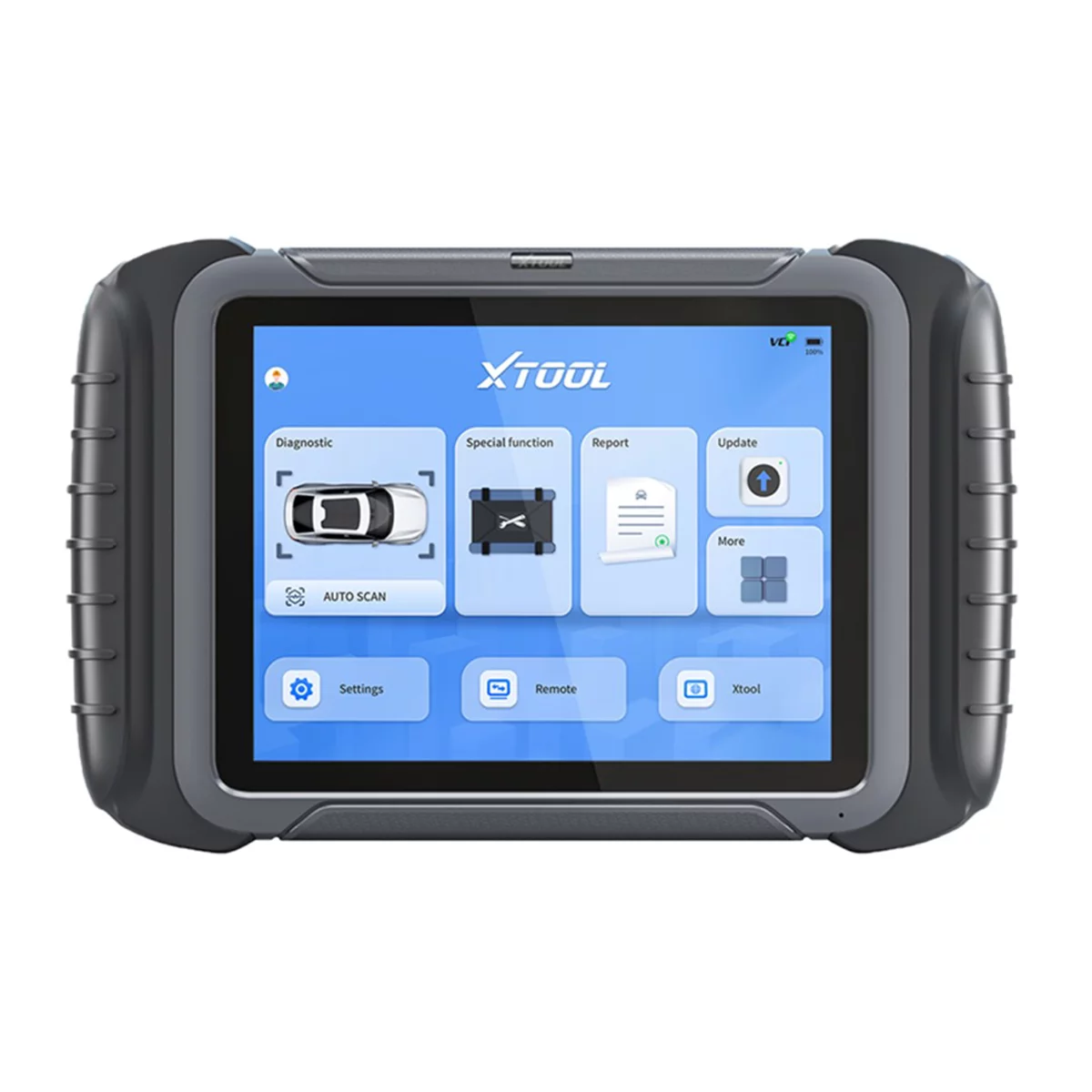
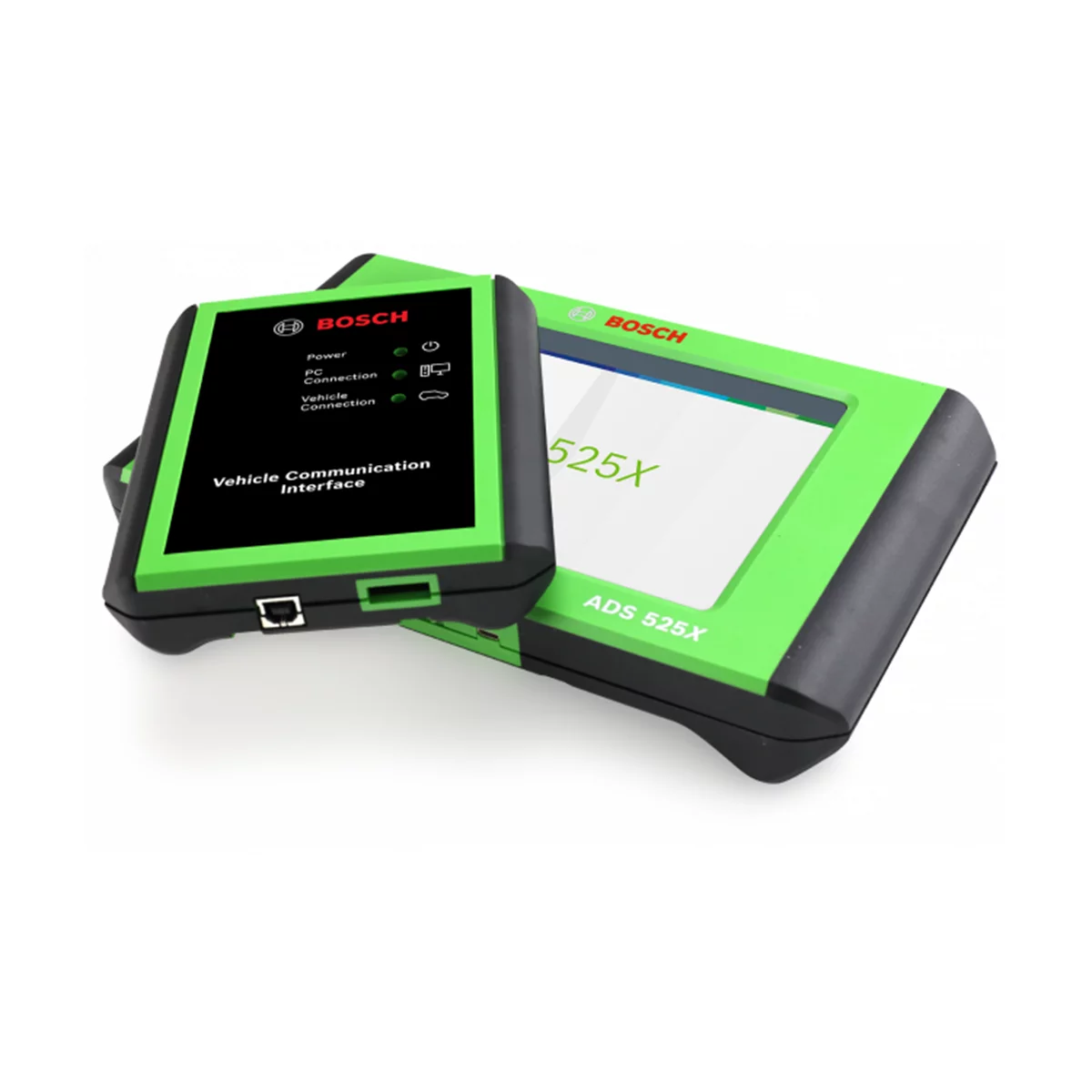
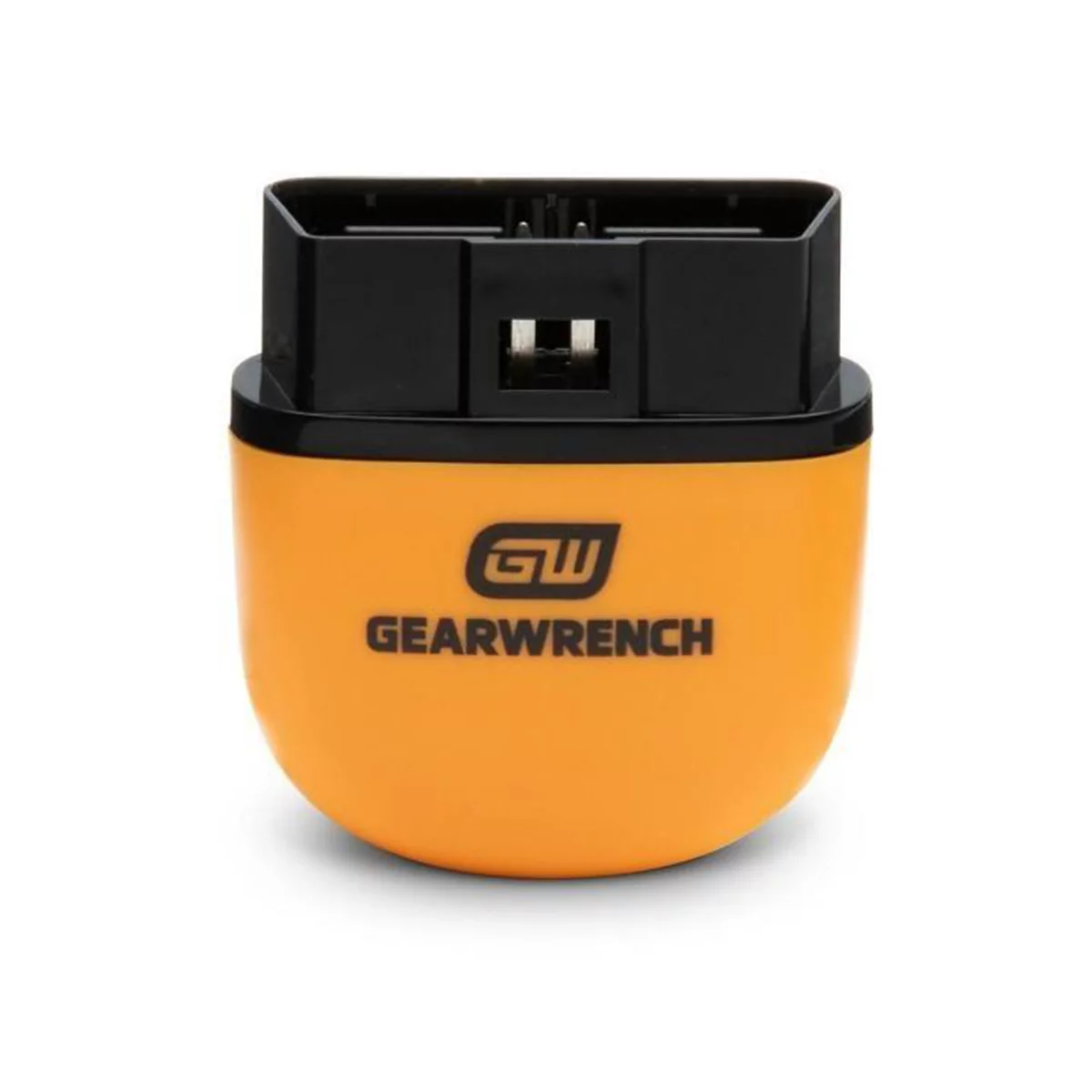
This article emphasizes one critical rule: before you spend time on guesswork or teardown, pull codes with a scan tool. Whether you’re facing a vague “dash light” complaint or tracking an intermittent fault, reliable Automotive Diagnostic Tools are what separate a quick diagnosis from hours of speculation.
- Scan tools to pull codes and freeze frame data before any teardown.
- Equipment to pinpoint exactly which dashboard warning light or system is failing.
- Tools that help confirm whether a job matches the promised timeline or needs immediate revision.

The Toolsource Technical Team blends decades of real-world automotive service experience with up-to-date technical research. Our writers collaborate with professional mechanics, shop owners, and diagnostic specialists to deliver practical, workshop-ready guidance you can trust.


Follow us on social media