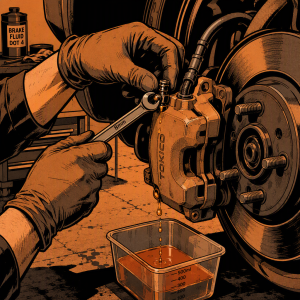
No Fluid at the Bleeder? A Technician’s Guide to Diagnosing Stubborn Brake Bleeding Problems
When a brake system won’t bleed cleanly, the cause is usually one of three things: technique, a master cylinder that sucked in air, or a hidden blockage downstream. This guide walks through the diagnostic order technicians actually use to find and fix the problem.
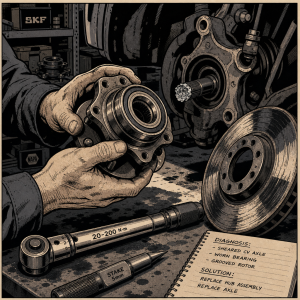
Snapped CV Axle Nut: Diagnosing the Real Cause Before You Reorder Parts
A cleanly sheared CV axle nut almost never happens on its own — it’s usually tied to a failing wheel bearing, an over-torqued nut, or both. This guide walks technicians through diagnosing the full failure chain, not just replacing the broken part.
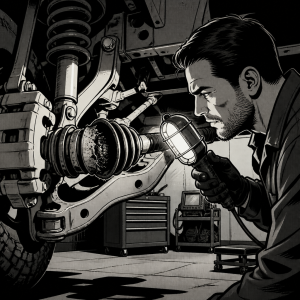
Why CV Axles Keep Failing: A Technician’s Guide to Diagnosis and Replacement
Techs and DIYers on Reddit compared notes on CV axles that fail in months instead of years, and the pattern is consistent: bargain aftermarket boots, uncorrected lift geometry, and worn mounts do the damage. This guide breaks down how to diagnose the actual failure mode and choose a replacement that survives more than one season.
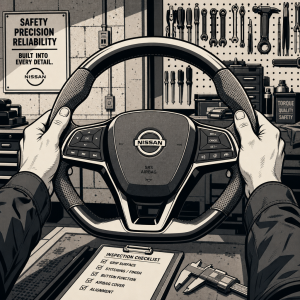
Steering Wheel Safety: Why You Should Never Add Decorations to Your Wheel
Personalizing your vehicle is a great way to make it your own, but some modifications can be genuinely dangerous. Steering wheel decorations—from crochet covers to attached ornaments—create serious safety hazards during normal driving and in collision scenarios, despite their aesthetic appeal.
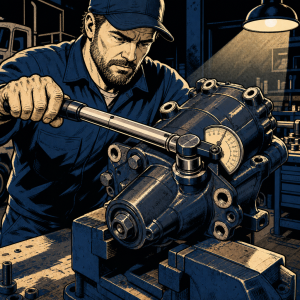
Torque-to-Yield Bolts in Heavy-Duty Steering and Suspension: What Techs Need to Know
Torque-to-yield fasteners are now standard on steering boxes, suspension components, and cylinder heads across medium and heavy-duty trucks. Reusing these one-time-use bolts can lead to catastrophic failures, but many techs still aren’t following the correct replacement and torque procedures.
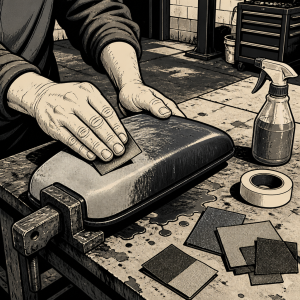
Restoring Faded, Oxidized Plastic Trim: A Technician’s Guide
Faded red badges, chalky window buttons, and sun-bleached exterior trim are a routine complaint at the counter. This guide walks through the real fix options—from a five-minute polish to a permanent sand-and-clear-coat job—along with the heat gun debate techs keep having.
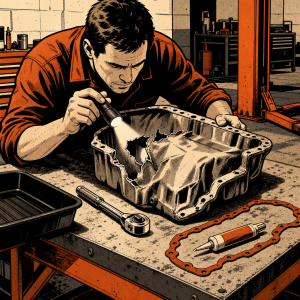
Oil Pan Damage After Hitting Road Debris: Diagnose It Right and Repair It Safely
A crumpled oil pan on the highway shoulder raises two questions fast: is the engine actually damaged, and is this a job to do right there? Here’s how to sort debris damage from internal failure, get the car home safely, and repair the pan correctly.
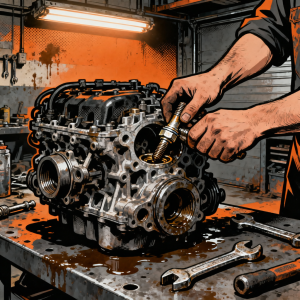
DIY Spark Plug Replacement: Save $200-400
Learn how to replace spark plugs yourself and save $200-400 in labor costs. This comprehensive guide covers proper torque specifications to prevent expensive engine damage, vehicle-specific difficulty levels, essential tools including budget options, and step-by-step procedures for successful DIY spark plug replacement.
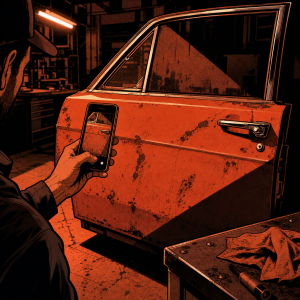
Cover Your Shop: A Technician’s Guide to Vehicle Intake Documentation
False damage claims and “you stole my gas” complaints are on the rise, and the only real defense is thorough documentation. Here’s a practical, technician-tested process for photographing and filming vehicles at intake and pickup so your shop is never left arguing he-said-she-said.
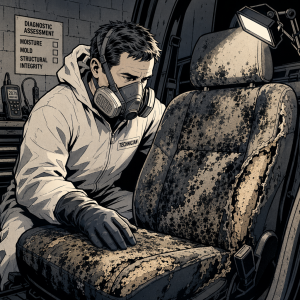
Biohazard Vehicle Interior: When to Walk Away from a Detailing Job
Not every vehicle interior is salvageable, and some present serious health hazards that no amount of money justifies taking on. Understanding when to walk away from a biohazard restoration job protects your health, your shop’s reputation, and your bottom line.


Follow us on social media