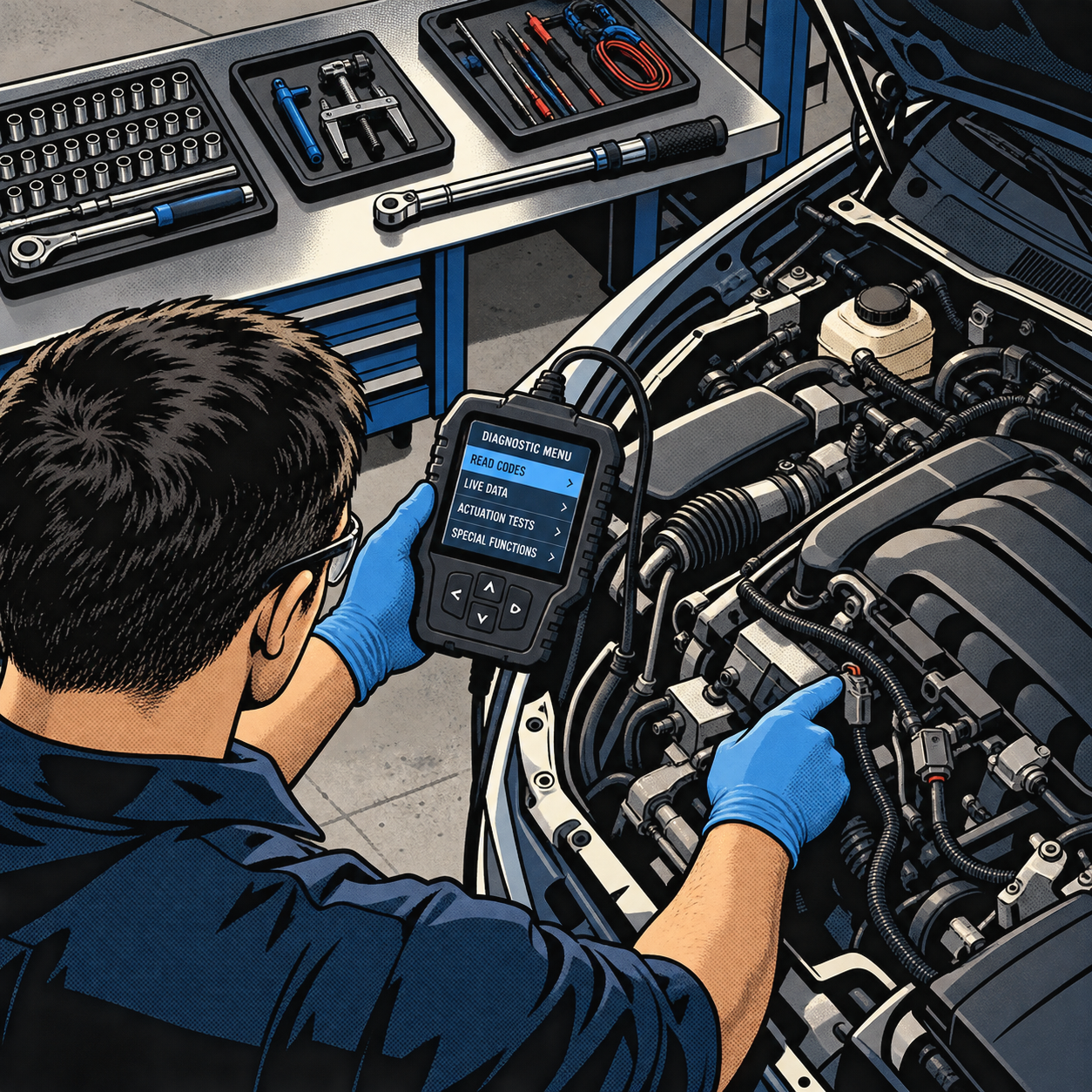
Spend enough time in any shop forum and a pattern shows up fast: a large share of working technicians will flatly tell you they don’t care about cars. They didn’t get into the trade to build a project car, chase horsepower numbers, or memorize bore diameters on discontinued engines. They got in—or stayed in—because they’re good at solving mechanical problems and the pay is decent. That distinction matters more than it sounds. Treating a vehicle as a system to be correctly diagnosed and repaired, rather than an object of personal passion, tends to produce more consistent, less emotionally draining work. This isn’t an argument against loving cars—plenty of great techs do—it’s a practical look at how to structure your work, your tools, and your habits so the job stays sustainable whether or not you ever want to see another engine bay on your day off.
Separate the Job From the Hobby
The techs who burn out hardest are often the ones who started as enthusiasts and never drew a line between “car I fix for money” and “car I fix for fun.” If every vehicle that comes through the bay feels like a personal project, every comeback, every warranty pushback, and every customer who ignored your advice feels personal too. The techs who last longest in this trade tend to describe the job in functional terms: diagnose correctly, repair it right the first time, move to the next one. That’s not cynicism—it’s a durable operating mode.
Practically, this means building a mental (and physical) boundary between shop work and personal wrenching. If you tinker with a motorcycle or an old truck at home, keep that project’s pace, tools, and standards separate from the production pace of shop work. Mixing the two—bringing shop urgency home, or hobby perfectionism into billed hours—is a fast route to resentment on both ends.
Treat Every Vehicle as a System, Not a Personality
Technicians who don’t care about “cars” as a category often still care enormously about systems—how a transmission shifts, how a module communicates on a CAN bus, why a cooling system is losing pressure. That’s the mindset worth cultivating regardless of your personal feelings toward Mustangs or Civics. A system-first approach also produces better diagnostics: you’re not emotionally invested in a particular outcome (e.g., “it’s probably just the sensor”), so you’re more willing to follow data wherever it leads.
In practice, this looks like leaning harder on structured diagnostic procedure instead of pattern-matching from memory alone. Pull live data, verify with a scan tool before guessing at symptoms, and treat diagnostic trees as the standard rather than an inconvenience when you’re busy. A good bidirectional scan tool or scope pays for itself the first time it keeps you from replacing the wrong part on a hunch.
[PRODUCT_SEARCH: bidirectional OBD2 diagnostic scan tool]
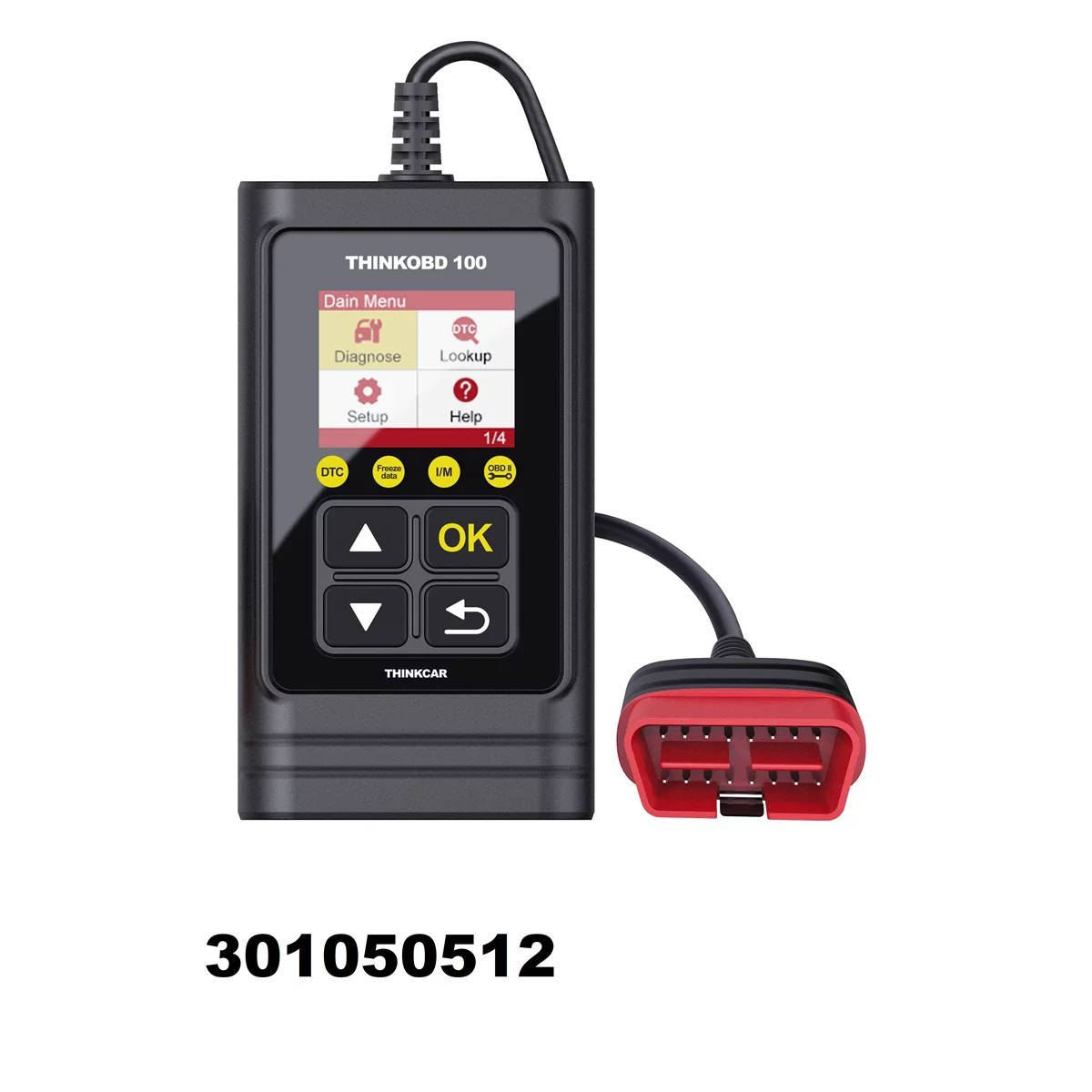

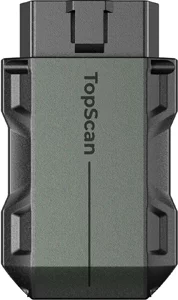
Pocket-Size Bluetooth Scan Tool w/Bi-Directional Controls
Mfg: TOPDON
Part #: TOPSCANPRO
Protect Your Body Like It’s Your Most Important Tool
One theme that comes up repeatedly among long-tenured techs is regret over how casually they treated fluid exposure, fumes, and repetitive strain early in their careers. Brake dust, used oil, coolant, and solvent exposure add up over 20 years in ways that aren’t obvious at 22. If you’re not emotionally attached to the work itself, there’s even less reason to tolerate unnecessary physical wear and tear for it.
A few habits make a measurable difference over a career:
- Nitrile gloves for anything involving used oil, brake fluid, or coolant—not just when it’s convenient.
- A properly fitted respirator or at minimum an N95 for brake jobs, especially on older vehicles with asbestos-era pad residue still in the system.
- Anti-fatigue mats and a creeper seat for anything under the car for more than a few minutes—knees and backs don’t recover the way they used to once you’re past your 30s.
- Barrier cream or heavy-duty hand cleaner instead of scrubbing with solvents, which dries and damages skin over time.
None of this is glamorous, and it won’t come up in a job interview, but it’s the difference between retiring from this trade functional and retiring from it in pain.
Build a Tool Setup That Reduces Friction, Not Just One That Looks Complete
Several experienced techs mention an “unhealthy” interest in tools even when they have zero interest in cars themselves—and that’s not a contradiction. A well-organized, complete tool arsenal is what lets you stop borrowing, stop walking to the tool truck mid-job, and stop losing time on jobs that should be routine. If the job itself doesn’t generate intrinsic motivation, friction and downtime will wear you down fast. Removing friction is one of the most direct ways to make an indifferent-to-cars job tolerable day to day.
Prioritize coverage over brand loyalty: a full metric and SAE socket set, a torque wrench calibrated for the work you actually do (not just one all-purpose unit), specialty pullers for the makes you see most often, and enough duplicate commonly-used tools (8mm and 10mm sockets, in particular) that you’re not stopping mid-job to hunt one down. For techs doing a lot of driveability and electrical diagnostic work, a quality multimeter and a scope matter more than another ratchet.
Specialize Enough to Avoid the Burnout Curve
A recurring pattern in long-term techs’ experience: generalists who take every job that walks in the door burn out faster than techs who develop a lane. Specializing—whether that’s European electrical, diesel driveability, transmissions, or EV high-voltage systems—gives you repeatable problems you get faster and more confident at solving, instead of constant cold starts on unfamiliar systems. Repeated unfamiliar work is mentally exhausting in a way that repeated familiar work, even if less “interesting,” isn’t.
This also pays financially. Techs who specialize into EV, hybrid, or high-voltage diagnostics are positioning for a market that’s only growing, and that specialization tends to command higher flat-rate hours than general service work. If the goal is sustainability rather than passion, steering your skill development toward a growing, well-compensated specialty is a rational move, not a betrayal of “real” mechanic work.
Keep a Financial Exit Ramp Open
Several long-tenured techs point out that staying in the trade got easier once they had income outside the shop—side diagnostic work, flipping vehicles, or a second skill entirely. This isn’t about disloyalty to your employer; it’s about not being financially trapped in a physically demanding job past the point it’s sustainable for you. Keeping ASE certifications current, documenting your specialty experience, and maintaining a side income stream are all forms of career insurance that reduce the pressure to love every day of shop work in order to keep showing up.
Quick Reference Checklist
- Draw a clear line between paid shop work and personal projects—don’t let one bleed into the other’s standards or pace.
- Default to structured diagnostics (live data, scan tool verification) over pattern-matching guesses.
- Wear gloves and respiratory protection as a baseline, not an exception.
- Invest in tool coverage that eliminates borrowing and walking to the tool truck mid-job.
- Pick a specialty lane instead of staying a generalist on every system that rolls in.
- Keep certifications current and maintain at least one income stream outside your primary shop job.
[PRODUCT_SEARCH: mechanic hand tool sets]
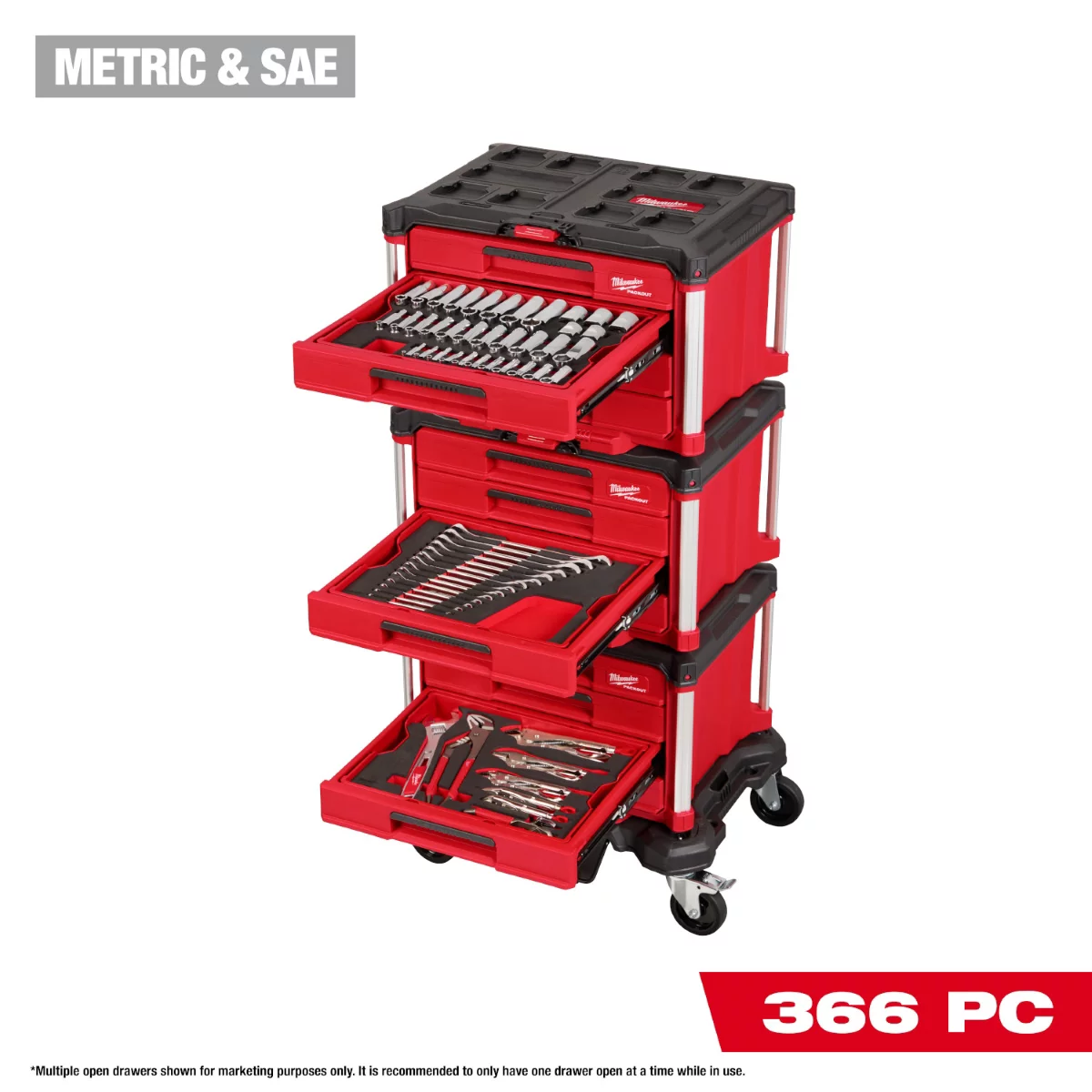
Milwaukee Tool 366 Piece Master Mechanics Hand Tool Set with PAC
Mfg: Milwaukee Electric Tools
Part #: 48-22-9495

FAQs
Do I need to love cars to be a good technician?
No. Many highly rated, high-earning techs describe vehicles as “appliances” they’re skilled at fixing, not objects of personal interest. Diagnostic skill and procedural discipline matter more than enthusiasm for the vehicle itself.
Does caring less about cars make me worse at diagnostics?
Not necessarily—several experienced techs argue the opposite: emotional distance from the vehicle can make you more objective about following diagnostic data instead of chasing a hunch.
What’s the biggest regret techs report after 15-20 years in the trade?
Physical wear from inconsistent PPE use—skin, respiratory, and joint issues from oil, brake dust, and repetitive strain that weren’t taken seriously early on.
Is specializing better than staying a generalist?
For long-term sustainability, yes for most techs. Specializing in one or two systems (EV/hybrid, diesel driveability, transmissions, etc.) reduces the mental fatigue of constant unfamiliar diagnostics and often pays better per flat-rate hour.
Does getting ASE certified actually matter if I’m experienced?
Yes—beyond pay bumps, certifications can be required for warranty claims on major repairs (engine, transmission replacements) and are frequently requested as proof of qualification by insurers and manufacturers.
How do I avoid burnout if the job feels repetitive?
Reduce friction wherever possible (better tools, better organization), specialize into work you find more tolerable or pays better, and keep income sources outside the shop so you’re not purely dependent on a physically demanding job you’ve lost enthusiasm for.
Recommended Tools
This article emphasizes data-driven diagnostics over guesswork. Quality Automotive Diagnostic Tools are essential for pulling live data, verifying diagnoses, and troubleshooting electrical and CAN bus systems without relying on pattern-matching.
- Bidirectional scan tools and OBD2 readers for live data and module verification.
- Multimeters and oscilloscopes for electrical and driveability diagnostics.
- Scope equipment for CAN bus communication troubleshooting.

The Toolsource Technical Team blends decades of real-world automotive service experience with up-to-date technical research. Our writers collaborate with professional mechanics, shop owners, and diagnostic specialists to deliver practical, workshop-ready guidance you can trust.


Follow us on social media