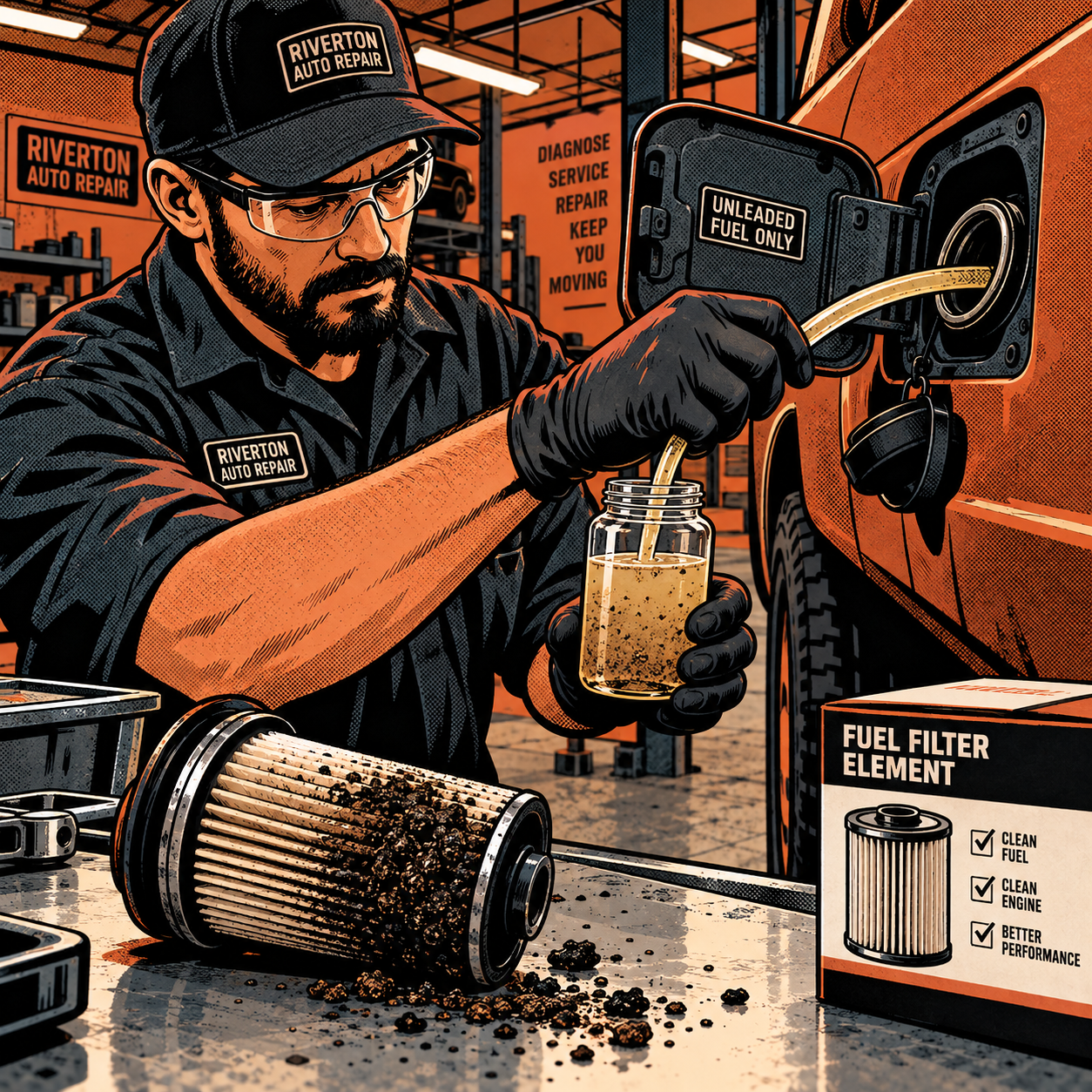
Every shop eventually sees it: a vehicle towed in with a no-crank, no-start, or a rough-running engine, and the owner swears someone tampered with the fuel tank overnight. Sometimes there’s a jar of unidentified sludge pulled from the fuel neck as proof. Diagnosing these cases correctly the first time saves comebacks, protects you from misdiagnosis liability, and gives the customer something concrete to hand their insurance adjuster or the police. This guide covers how to identify common contaminants, the repair sequence that actually prevents repeat failures, and the hardening steps worth recommending so the customer isn’t back in your bay next month with the same complaint.
Start With the Symptom Pattern, Not the Jar
Before opening the tank, get a clear history: when did the vehicle last run normally, how far did it go after the suspected tampering, and what were the first symptoms? This matters because contaminants behave differently under load:
- Sugar does not dissolve in gasoline. It settles as granules in the tank bottom and gets caught by the in-tank strainer or fuel filter, typically causing a filter clog and fuel starvation rather than catastrophic engine damage — contrary to the popular myth that it “turns to caramel” in the engine.
- Water or diluted bleach contamination shows up as a milky, cloudy fuel sample and causes misfires, stalling, and corrosion over time, but rarely immediate seizure.
- Diesel Exhaust Fluid (DEF) in a gas tank is far more destructive. DEF is a urea-water solution that crystallizes as it dries and is highly corrosive to aluminum and ferrous fuel system components. If the engine was run after DEF entered the tank, expect crystalline buildup throughout the fuel lines, injectors, and potentially cylinder-bore corrosion if it reached combustion — this is consistent with cases where pistons seized from internal corrosion after the vehicle was driven to a stall.
- Paint or oil-based substances tend to separate and coat internal surfaces, clogging filters and injectors quickly.
A simple field test: pull a sample from the tank drain or fuel neck into a clear container. Granular sediment that doesn’t dissolve suggests sugar or sand. White crystalline residue with a strong ammonia-like smell points to DEF. Cloudy/milky separation suggests water or bleach. When in doubt, bag a sample for the customer’s insurance claim before you flush anything — once the tank is drained and flushed, that evidence is gone.
Diagnostic Sequence Before You Touch the Fuel System
Resist the urge to immediately drop the tank. Work through this sequence first:
- Scan for codes — lean/rich fuel trim codes, misfire codes, and fuel pressure/flow codes narrow down how far the contamination traveled.
- Check fuel pressure at the rail. Low or erratic pressure with a clean filter history points toward pump or strainer blockage from sediment.
- Inspect the fuel filter (where accessible) before draining the tank — a clogged filter full of granular debris confirms sugar/sand contamination without guesswork.
- If DEF contamination is suspected, do not attempt to start or run the engine again. Running on DEF-contaminated fuel is what turns a fuel system job into an engine-replacement job.
- Document everything with photos — sample jar, filter condition, any crystalline deposits — before remediation. This protects you if the customer disputes the diagnosis or needs it for a claim.


Ford 6.0L High Pressure Fuel Rail Adapters by
Mfg: OTC Tools and Equipment
Part #: 6763

Repairing a Contaminated Fuel System
The repair scope depends entirely on what got in and how long the engine ran on it:
- Sugar/sediment, caught early (no extended run time): Drain and flush the tank, replace the fuel filter and in-tank strainer, and inspect/clean the fuel pump pickup. Pressure-test the system before returning to service.
- Water/bleach contamination: Drain and flush the tank completely, replace the filter, and inspect injectors for corrosion if the vehicle ran rough for any distance. Check for rust developing in steel fuel lines over the following weeks.
- DEF contamination: This is the costly one. Plan for full fuel system replacement — tank, lines, fuel pump/sending unit, injectors, and fuel rail — because urea crystals embed in seals and injector internals that can’t be reliably cleaned. If the engine ran until it stalled, pull at least one spark plug/cylinder for inspection; corrosion-seized pistons are a known outcome and may mean the engine itself needs replacement.
- Paint or heavy oil contamination: Full tank drain and flush, new filter, and injector cleaning or replacement depending on how far the debris traveled before the clog stopped flow.
Whatever the contaminant, always replace the fuel filter as a matter of course and pressure-test the completed repair before handing the keys back. A rushed flush that leaves residual sediment in the pickup or lines is the single most common cause of a contamination comeback.
What to Tell Customers About Prevention — and Its Limits
Customers often ask for a locking gas cap as the fix. It’s worth setting expectations correctly: a locking cap deters casual tampering but is not a serious obstacle to someone determined to get into a tank. Channel-lock pliers or a pry bar can defeat most aftermarket locking caps in under a minute, and a cap doesn’t stop someone from puncturing the tank, cutting a fuel line, or going after tires and other targets instead. Frame it as one layer, not a solution:
- Locking fuel cap — raises the effort bar and signals the vehicle isn’t an easy target, but expect it can still be pried or cut off.
- Motion-activated lighting near the parking area — cheap, effective deterrent since most vandals avoid being lit up.
- Dash cam with a rear/parking-mode channel — the most useful evidence source if the vehicle is targeted while parked, since many units keep recording on battery or hardwire power when the vehicle is off.
- Discreet battery-powered trail or security camera aimed at the parking spot — doesn’t require vehicle wiring and can be relocated.
If the owner wants something more permanent, a small lockable fuel-door latch or an aftermarket locking fuel neck insert installed by the shop is harder to defeat than a bolt-on cap alone, but it still won’t stop tank punctures or line tampering from underneath the vehicle.
Quick Reference Checklist
- Pull and bag a fuel sample before draining anything — preserve evidence for insurance/police
- Scan codes and check fuel pressure before dropping the tank
- Identify contaminant type: granular (sugar/sand), crystalline (DEF), milky (water/bleach), separated (paint/oil)
- If DEF is suspected, do not restart the engine — inspect for internal corrosion first
- Drain, flush, replace filter and strainer; pressure-test before release
- Inspect injectors and lines for residual damage on any contamination job
- Recommend layered prevention: locking cap + lighting + dash cam/security camera, not a single fix
- Advise customer to document damage with photos for their insurer, regardless of repair scope
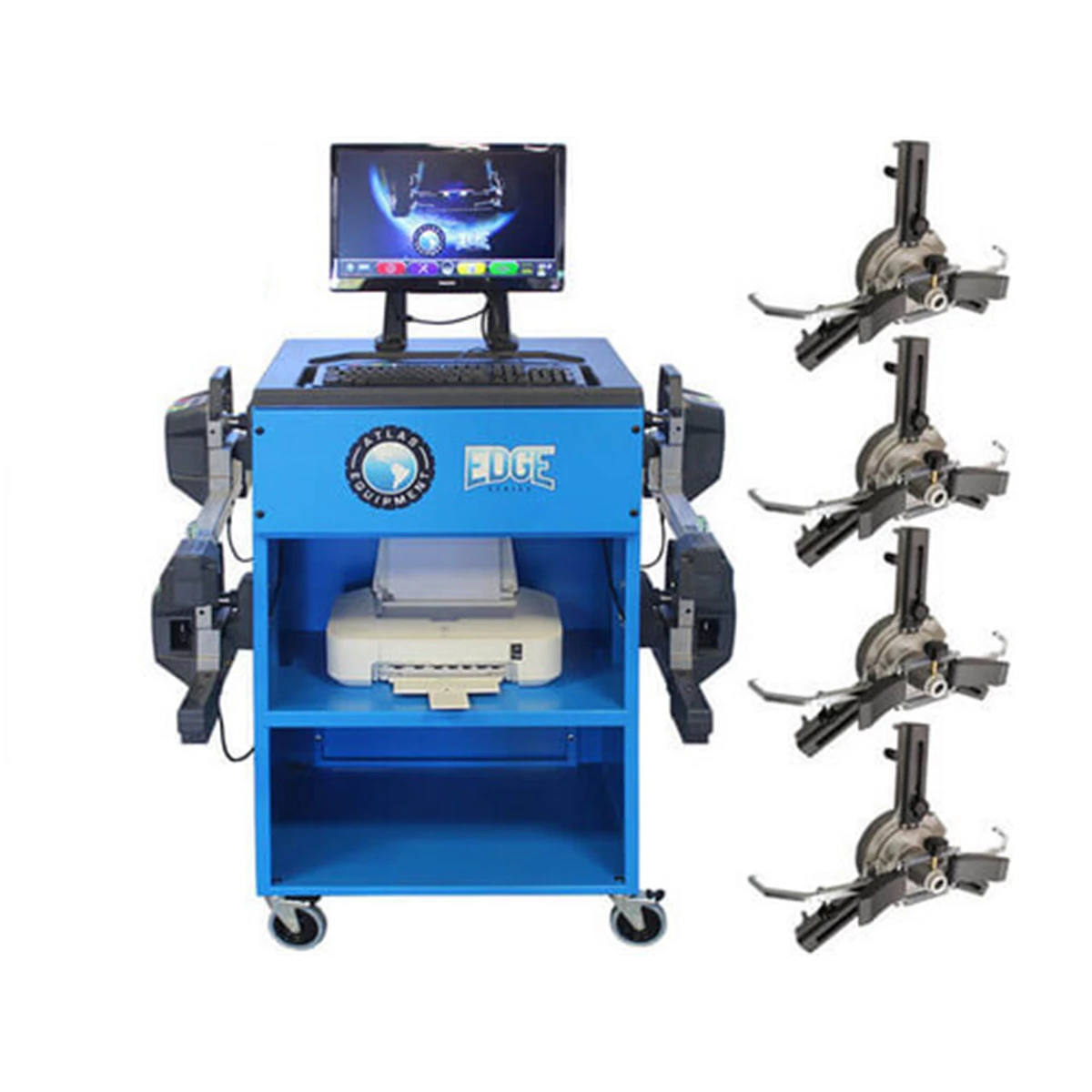
WIRELESS 8 CAMERA ALIGNMENT MACHINE WITH FASTCLAMP
Mfg: Atlas Automotive
Part #: ATEDGE-501-3PT

FAQs
Will a locking gas cap actually stop someone from tampering with my tank?
It deters casual or opportunistic tampering but can be defeated with basic hand tools by anyone determined to get in. Treat it as one deterrent layer, not a guarantee.
How can I tell if it’s DEF versus water in the fuel?
DEF contamination typically shows white crystalline residue and a sharp ammonia-like odor as it dries, while water contamination produces a cloudy, milky appearance in the fuel sample without crystallization. When uncertain, treat it as DEF until proven otherwise, since the repair stakes are much higher.
Does sugar in the gas tank really destroy an engine?
Not directly. Sugar doesn’t dissolve in gasoline, so it settles out and typically clogs the fuel filter or pickup strainer, causing a no-start or stall from fuel starvation rather than internal engine damage — unless the clogged filter is ignored and the pump is run dry repeatedly.
What should I do before flushing a contaminated tank?
Take a fuel sample and photos of any filter sediment or residue before remediation. Once the system is drained and flushed, that evidence is gone, and the customer may need it for an insurance claim or police report.
Is it safe to just add fresh fuel and keep driving after suspected tampering?
No. Continuing to run the engine on contaminated fuel — especially if DEF is involved — is what turns a filter-and-flush job into an engine replacement. Stop driving the vehicle and have the fuel sampled and system inspected first.
What’s the most useful piece of evidence if a vehicle is targeted repeatedly?
A dash cam with parking-mode recording or a standalone battery-powered security camera aimed at the parking spot. Physical deterrents like locking caps reduce opportunity, but footage is what actually identifies who’s responsible and supports a police report.
Fuel System Tools & Equipment
Diagnosing and repairing contaminated fuel systems requires the right tools on hand. Our Automotive Fuel System Tools selection includes filters, pressure gauges, drain equipment, and flushing supplies to support every step of the diagnostic and repair process.
- Fuel filters and filter removal/installation wrenches
- Fuel pressure testing gauges and diagnostic equipment
- Tank drain pans and system flushing supplies

The Toolsource Technical Team blends decades of real-world automotive service experience with up-to-date technical research. Our writers collaborate with professional mechanics, shop owners, and diagnostic specialists to deliver practical, workshop-ready guidance you can trust.


Follow us on social media