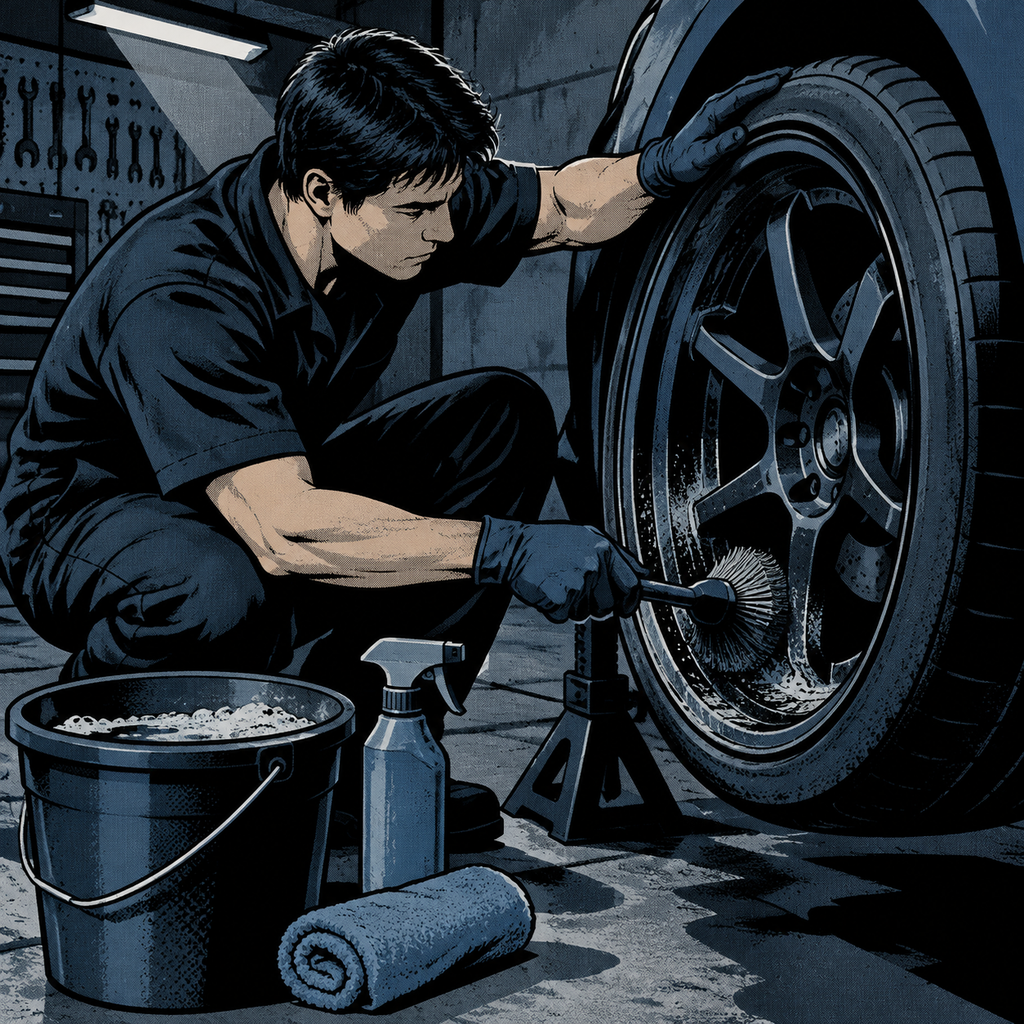
Every time a clean build hits social media, the comments follow a predictable pattern: compliments on the wheels, the paint, the overall stance. What those comments never show is the maintenance routine behind that finish. A car that consistently draws “killer wheels” and “looking clean” reactions isn’t getting lucky at the car wash — it’s on a schedule. This guide covers the actual technician-level steps for keeping a modified car, whether it’s an Integra Type S or anything else with aftermarket wheels and a mirror finish, looking sharp between shows and daily drives.
Wheel Care: Where Most Builds Fall Apart
Wheels take the most abuse and show it the fastest — brake dust, road grime, and curb rash are relentless on a set of forged or flow-formed wheels. The mistake most owners make is treating the face of the wheel like the only surface that matters.
- Clean cold, every time. Hot wheels cause acidic wheel cleaners to flash-dry and etch the clear coat or anodized finish. Rinse first, clean in the shade, and never apply cleaner to a wheel you can’t comfortably touch.
- Get into the barrel. Brake dust bakes onto the inner barrel more than the face. A long-handled wheel brush or barrel brush gets into the spokes and lip without scratching lips on lower-offset setups.
- Check torque after cleaning. Removing and reinstalling wheels for deep cleaning, or even just jacking the car for a barrel detail, means re-torquing to spec in a star pattern. Loose lug nuts are a common cause of wheel wobble that gets blamed on “bad wheels” when it’s actually an installation issue.
- Inspect for curb rash and cracks monthly. Lightweight forged wheels are stronger than cast wheels pound for pound, but a hairline crack near the bead seat is a safety issue, not a cosmetic one. Flag anything you find before it becomes a blowout.
Paint Correction and Maintenance for a Mirror Finish
The “shine on you crazy diamond” compliments come from paint that’s been corrected and maintained, not just washed. A two-bucket wash method with a grit guard, pH-neutral soap, and microfiber towels prevents the swirl marks that dull a finish over time. For builds with existing swirls or light oxidation, a single-stage machine polish with a dual-action polisher removes defects without the risk of burn-through that comes with a rotary buffer in inexperienced hands.
After correction, lock in the result. A coat of sealant or a ceramic coating protects the work and makes future washes faster, since contaminants bond less to a slick surface. Reapply a spray sealant every 4-6 weeks, or follow the manufacturer’s interval for a cured ceramic coating (typically 1-2 years before a top-up is needed).
[PRODUCT_SEARCH: dual action polisher and polishing pad kit]
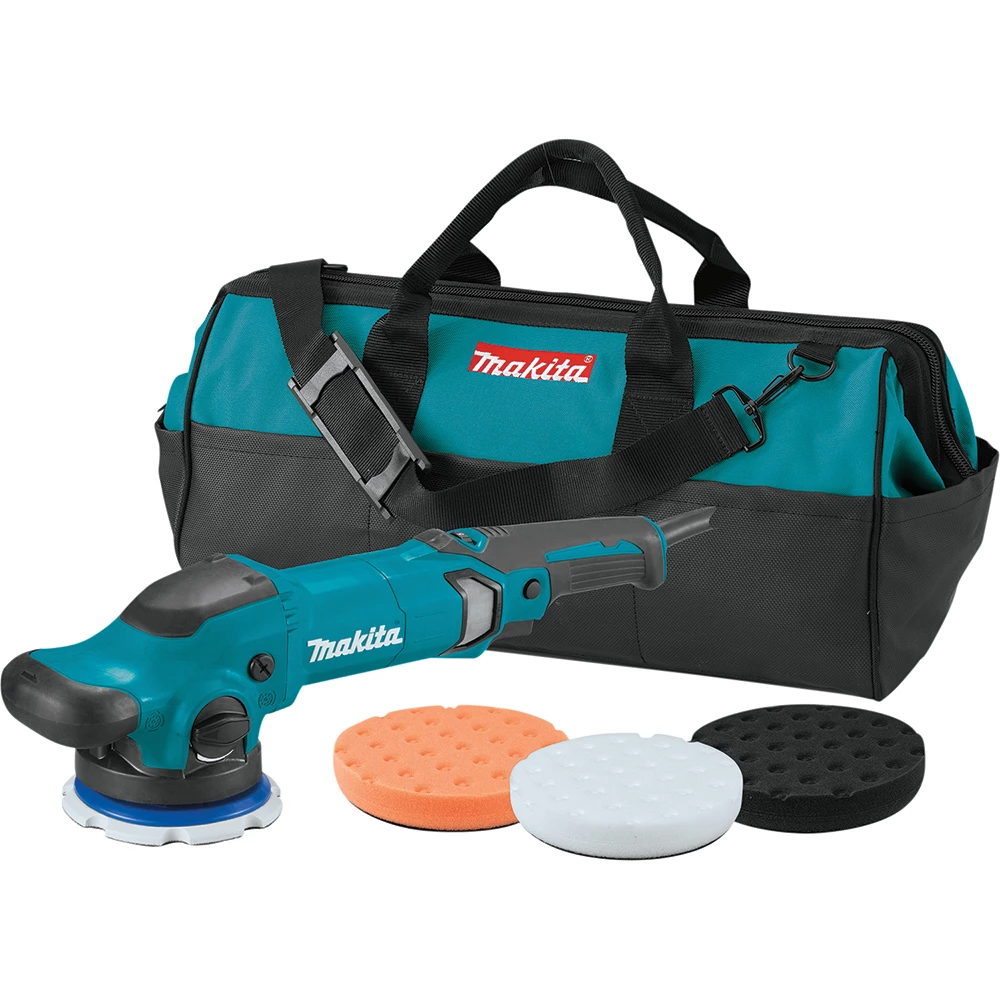

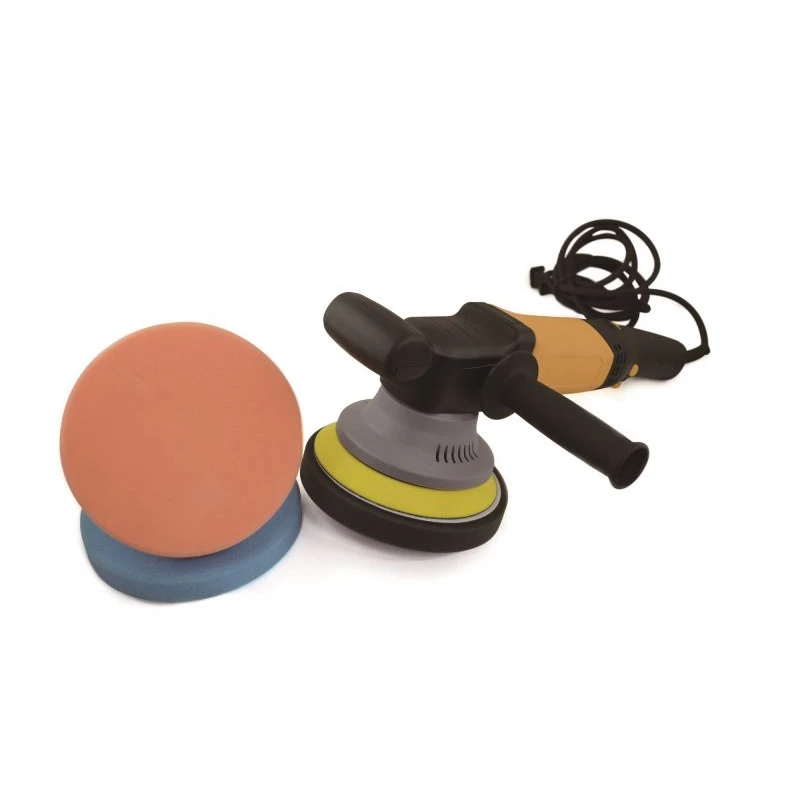
Electric 6" Dual Action Random Orbital Polisher W/ 3pc Pad Kit -
Mfg: Astro Pneumatic
Part #: 3058
Protecting the Investment Long-Term
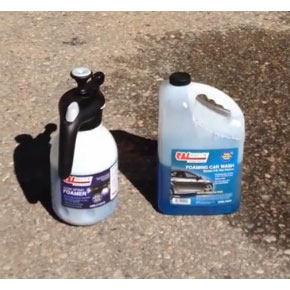
A ceramic coating or quality sealant is only as good as the maintenance around it. Avoid automatic car washes with brushes — they’re the fastest way to introduce swirls into an otherwise correct surface. Use a foam cannon or snow foam pre-wash to lift loose grime before any towel or mitt touches the panel, which cuts down on marring significantly.
For interior-adjacent trim and painted lips, a dedicated tire and trim dressing applied sparingly prevents the UV fading and browning that makes a two-year-old car look five years old. Keep dressing off the tread and off the wheel face to avoid sling marks on the barrel and lower body panels.
Suspension and Fitment Checks Before the Next Show
Stance and wheel fitment are half of what makes a build look “clean” in photos, but lowered or widened setups need more frequent inspection than stock ride height.
- Check camber and alignment after any ride-height change. Coilover adjustments shift camber and toe, and incorrect alignment accelerates inner tire wear that isn’t obvious until the cords show.
- Inspect for rubbing at full lock and full compression. Fender liners, brake lines, and coilover sleeves are common rub points on wider wheel and tire combos. A test drive over a speed bump at an angle will reveal clearance issues a static inspection misses.
- Re-torque after the first 50-100 miles on new coilovers or wheels. Suspension hardware and lug nuts settle; a follow-up torque check catches anything that loosened during break-in.
Routine Maintenance Checklist
- Rinse and cold-wash wheels weekly; deep-clean barrels monthly
- Re-torque lug nuts after any wheel removal, in a star pattern, to factory spec
- Two-bucket wash with pH-neutral soap and microfiber towels every wash
- Reapply sealant every 4-6 weeks or top up ceramic coating per product interval
- Inspect wheels for cracks or curb rash monthly
- Check alignment and look for rub points after any suspension or wheel change
Building a Detailing Kit That Actually Gets Used
The gap between a car that gets compliments and one that doesn’t is usually a few pieces of equipment, not raw effort. A grit guard and two-bucket setup prevents reintroducing dirt into the wash mitt. A dedicated barrel brush saves the knuckles and the clear coat. A quality dual-action polisher turns a once-a-year correction into something that can realistically be done in an afternoon in the driveway. None of this needs to be shop-grade — it needs to be consistent.
[PRODUCT_SEARCH: car detailing kit wash and polish]


FAQs
How often should I re-torque wheels on a lowered or modified car?
After any wheel removal, and again after the first 50-100 miles following a new wheel or coilover install. After that, check at every tire rotation or every few months if the car is driven hard.
Can I use an automatic car wash on a car with aftermarket wheels or a ceramic coating?
Touchless automatic washes are generally safe for a coated finish, but brush-style washes risk swirling paint and can snag lower-lip wheel trim or widebody fender flares. Hand washing is safer for modified fitments.
How do I clean brake dust out of wheel barrels without scratching the finish?
Soak with a dedicated wheel cleaner, let it dwell per the label (don’t let it dry), then agitate with a soft barrel brush rather than a stiff detailing brush. Rinse thoroughly before it dries on the surface.
Does a ceramic coating replace regular washing?
No. It reduces how hard contaminants bond and makes washing easier, but regular rinsing and washing are still required to prevent buildup and maintain the hydrophobic effect.
What’s a sign my wheel fitment is causing a mechanical problem, not just a cosmetic one?
Rubbing noise at full steering lock or over bumps, uneven or accelerated tire wear, or a steering pull are all signs the fitment is affecting function, not just looks — get an alignment and clearance check.
How often should paint correction be redone?
A full correction is typically a once-a-year or once-every-few-years job depending on wash habits and environment. Maintenance washing and periodic sealant/coating top-ups extend the time between full corrections significantly.
Paint & Detailing Tools for Show-Quality Finishes
The tools mentioned in this guide — dual-action polishers, barrel brushes, microfiber wash systems, and protective coatings — are available in our Paint & Body section. A reliable detailing kit is the difference between a car that stays sharp and one that fades.
- Dual-action polishers and pads for paint correction and maintenance
- Wheel cleaning and barrel brushes for curb-safe wheel detail
- Sealants, ceramic coatings, and wash systems for long-term protection

The Toolsource Technical Team blends decades of real-world automotive service experience with up-to-date technical research. Our writers collaborate with professional mechanics, shop owners, and diagnostic specialists to deliver practical, workshop-ready guidance you can trust.


Follow us on social media