A windshield replacement is supposed to be routine: out with the damaged glass, in with a new piece, and you’re back on the road the same day. In practice, a lot of customers end up with a windshield that’s hazy, whistles at highway speed, leaks during a storm, or came with a side helping of scratched trim. Some of that is fixable with the right cleaning technique. Some of it is a sign the installer cut a corner and the only real fix is a redo. Here’s how to tell the difference and what to do about each one.
Diagnose the Problem Before You Touch the Glass
Not every post-installation complaint has the same cause, and treating the wrong problem wastes time and product. Before grabbing a cleaner or a polish, figure out which category you’re dealing with:
- Surface film or haze — a hazy, oily, or streaky look that’s worse in humidity or direct sun. This is almost always residue sitting on top of the glass: manufacturing oil, old tint adhesive from a “new” windshield that was actually reconditioned, or leftover polish from the shop. It wipes off.
- Haze that won’t wipe off — if a thorough cleaning (see below) doesn’t touch it, especially if it’s isolated to one side of the glass, you may be looking at contamination baked into the glass itself during manufacturing, or improper interlayer lamination. No amount of elbow grease fixes that.
- Wind noise or whistling — usually trim, molding, or cowl panels that weren’t seated correctly, or a gap in the urethane bead.
- Water leaks — almost always a urethane sealant problem: incomplete bead, contamination during the bonding process, or moisture intrusion during cure.
- Rattles in door glass — if window regulators or door glass were touched during the same visit, a loose channel or misaligned run can cause popping or rattling when the glass goes up and down.
Take a photo or video of the issue in different lighting and note when it happens (only in sun, only in rain, only at speed). That record is what gets a shop or insurer to take the complaint seriously instead of writing it off as “normal road film.”
Clean the Glass the Right Way Before Assuming It’s Defective
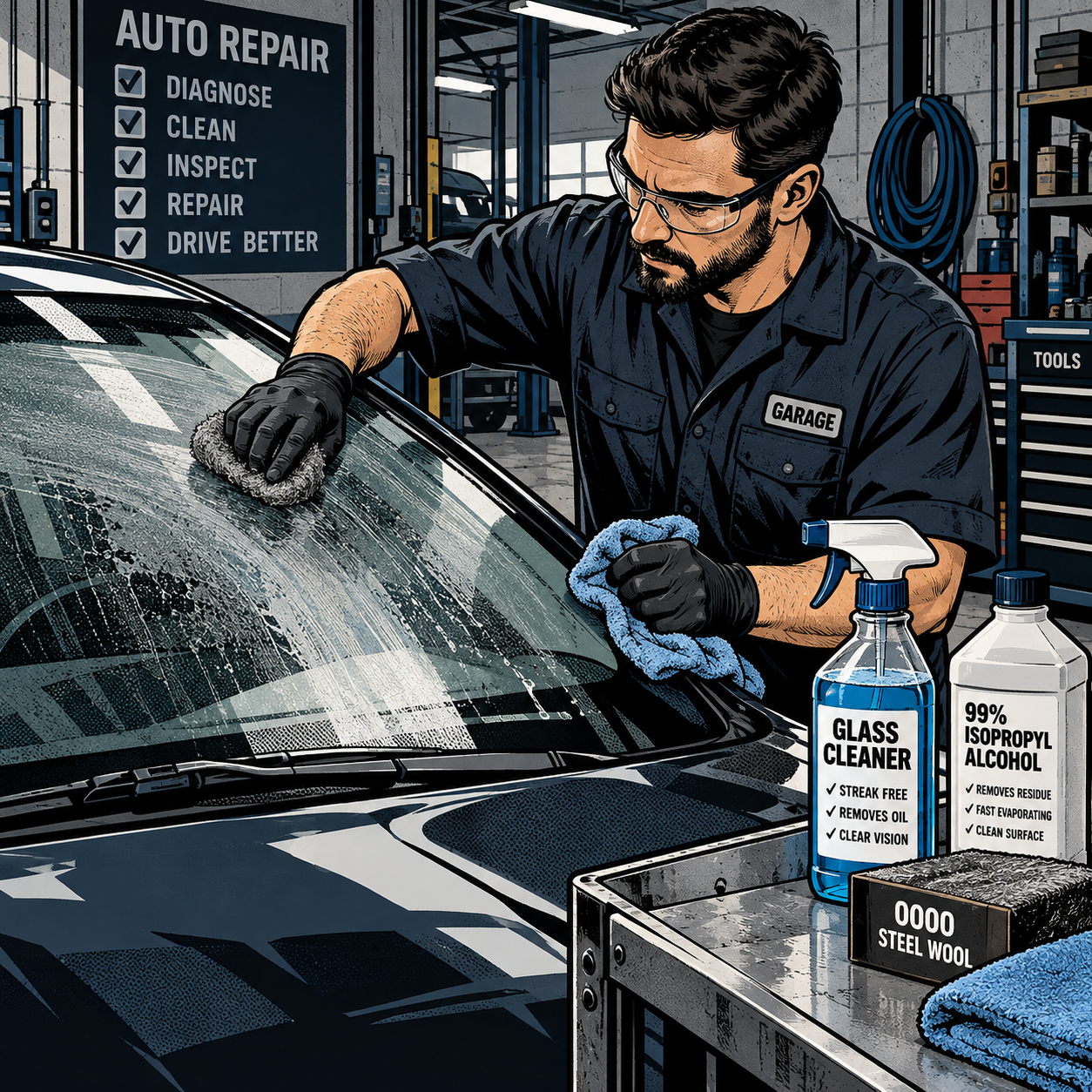
A large share of “my new windshield looks foggy” complaints turn out to be residue, not a bad windshield. Technicians and detailers consistently point to a specific sequence that gets through film a basic glass spray won’t touch:
- Wipe down the entire windshield with isopropyl alcohol (90%+) and a clean microfiber towel to cut through oily film and leftover adhesive residue.
- Follow with a dedicated automotive glass cleaner — avoid ammonia-based household glass cleaners on tinted or coated glass.
- For film that survives the first pass, work the glass with 0000 (four-zero) grade steel wool and glass cleaner, using light pressure in the direction of the wiper sweep. Only use 0000 grade — anything coarser will scratch the glass.
- If steel wool isn’t available or you want extra cutting power on stubborn haze, a dedicated glass polishing compound applied with a foam pad works similarly and finishes smoother.
- Finish with a final pass of glass cleaner and a dry microfiber towel, buffing in straight lines so you can spot any remaining streaks.
Crumpled newspaper is a long-standing trick for the final buff because the newsprint fibers lift residue without leaving lint, but it’s genuinely hard to find now — a clean, lint-free microfiber towel or even plain unprinted packing paper does the same job. Whatever you use, always do a final rinse and dry pass so you’re not just smearing a cleaner film back onto the glass.


When Cleaning Doesn’t Work, It’s Likely a Manufacturing or Install Defect
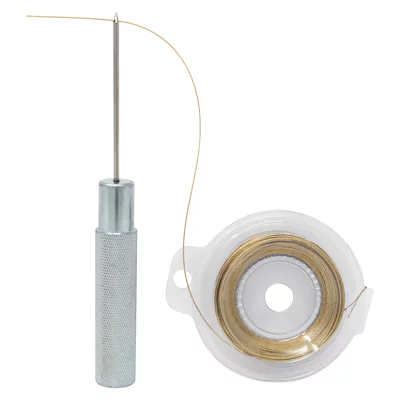
If you’ve gone through the full cleaning sequence above — alcohol, glass cleaner, steel wool or polish, final buff — and the haze is still there, stop cleaning and start documenting. Recurring patterns worth knowing:
- Contaminated glass from the factory. Some replacement windshields ship with an oily haze baked into the surface, particularly on the exterior side, that intensifies in high humidity and doesn’t respond to any amount of cleaning. This is a defective part, not a dirty one, and the fix is a replacement windshield, not a better towel.
- Incomplete urethane cure or bead. If a windshield leaks, whistles, or smells musty/mildewy afterward, suspect the sealant. Water intruding through a bad bead can soak into headliners and carpet, and mildew smell after a “dry” install is a strong signal of a hidden leak path, not just a one-time spill.
- Reconditioned glass sold as new. Leftover tint adhesive or glue residue on a supposedly new windshield suggests the glass was pulled from a donor vehicle or had film removed and reinstalled — ask directly whether the part was OEM or aftermarket/reconditioned.
In any of these cases, the fix is a warranty claim and a second installation, not more scrubbing. Push for that in writing.
Dealing With Leaks, Wind Noise, and Body Damage
Haze is annoying; leaks, whistling, and body damage are the complaints that actually affect safety and resale value. Handle them methodically:
- Water test it yourself. Run a garden hose over the cowl, A-pillars, and top edge of the windshield for several minutes while someone checks inside with a flashlight. Note exactly where water appears first — that pinpoints the leak path for whoever does the repair.
- Check the trim and moldings. Loose or incorrectly seated cowl panels and reveal moldings are a common source of highway-speed whistling. Sometimes it’s as simple as a clip that wasn’t reseated during the glass removal.
- Inspect paint and trim around the opening. Chips, scratches, or dents near the pinch weld happen when a tech leans on the body or uses a cutting tool carelessly. Photograph any new damage immediately and compare against pre-installation photos if you have them.
- Listen for door glass issues separately. If door windows started popping or rattling after a windshield visit, the window regulator channel or felt run may have been bumped or misaligned — this is a mechanical adjustment, not a glass problem, and should be called out as a distinct complaint.
Escalating With the Shop or Your Insurer
If a visit doesn’t resolve the issue, don’t keep rebooking the same outcome. Escalate methodically:
- Request the installer’s direct supervisor or regional quality team rather than re-describing the problem to a new tech from scratch.
- If the glass is contaminated or the wrong part number/trim was installed, ask specifically for OEM glass rather than aftermarket. OEM takes longer to source but is manufactured to the vehicle’s original optical and structural spec.
- If the job was billed through insurance, tell your adjuster directly that the result is a safety concern (distorted vision through contaminated glass, or a water leak compromising the bond) — that language tends to move claims faster than a general complaint.
- Keep a paper trail: appointment dates, what was done each visit, and photos/video of the ongoing issue. Three visits for the same defect is grounds for requesting a different shop or installer within the same network.
Quick Checklist
- Identify the issue type: surface haze, leak, wind noise, or trim/body damage.
- Try the full cleaning sequence (alcohol → glass cleaner → 0000 steel wool or polish → dry buff) before calling it defective.
- Water-test for leaks and pinpoint the entry location before the follow-up visit.
- Photograph trim, paint, and glass condition at every visit.
- Ask explicitly whether the glass is OEM, aftermarket, or reconditioned.
- Escalate past the front-line tech if the same defect survives more than one visit.

FAQs
Is a hazy or oily-looking new windshield normal?
Some residue from manufacturing, polishing compound, or old adhesive is common and cleans off. Haze that persists after a full cleaning — especially if it worsens in humidity — points to contaminated glass, not road film, and should be reported as a defect.
What’s the safest way to clean a new windshield without scratching it?
Isopropyl alcohol and a quality automotive glass cleaner handle most film. For stubborn residue, 0000-grade steel wool with glass cleaner is the standard trick among detailers and techs — just confirm the grade, since coarser steel wool will scratch glass.
Can I use a magic eraser on a windshield?
It can work on grease films, but melamine sponges have left flaky residue on some glass when combined with certain cleaners. If you try one, pair it with a dedicated glass cleaner rather than a dish soap and rinse thoroughly afterward.
Why does my windshield leak or smell musty after a replacement?
That combination usually points to an incomplete urethane seal letting water intrude along the edge. It’s a warranty issue, not something to clean away — get it water-tested and re-sealed or replaced.
Should I request OEM glass instead of aftermarket?
If you’ve had repeat issues with fit, optical clarity, or contamination, OEM glass is worth the wait. It’s manufactured to the vehicle’s original spec, whereas aftermarket quality varies significantly between suppliers.
How many times should I let the same shop try before asking for a different installer?
Two visits for the same unresolved defect is a reasonable limit. By the third attempt, ask your insurer or the shop’s corporate/quality team to assign a different technician or location.
Recommended Tools & Materials
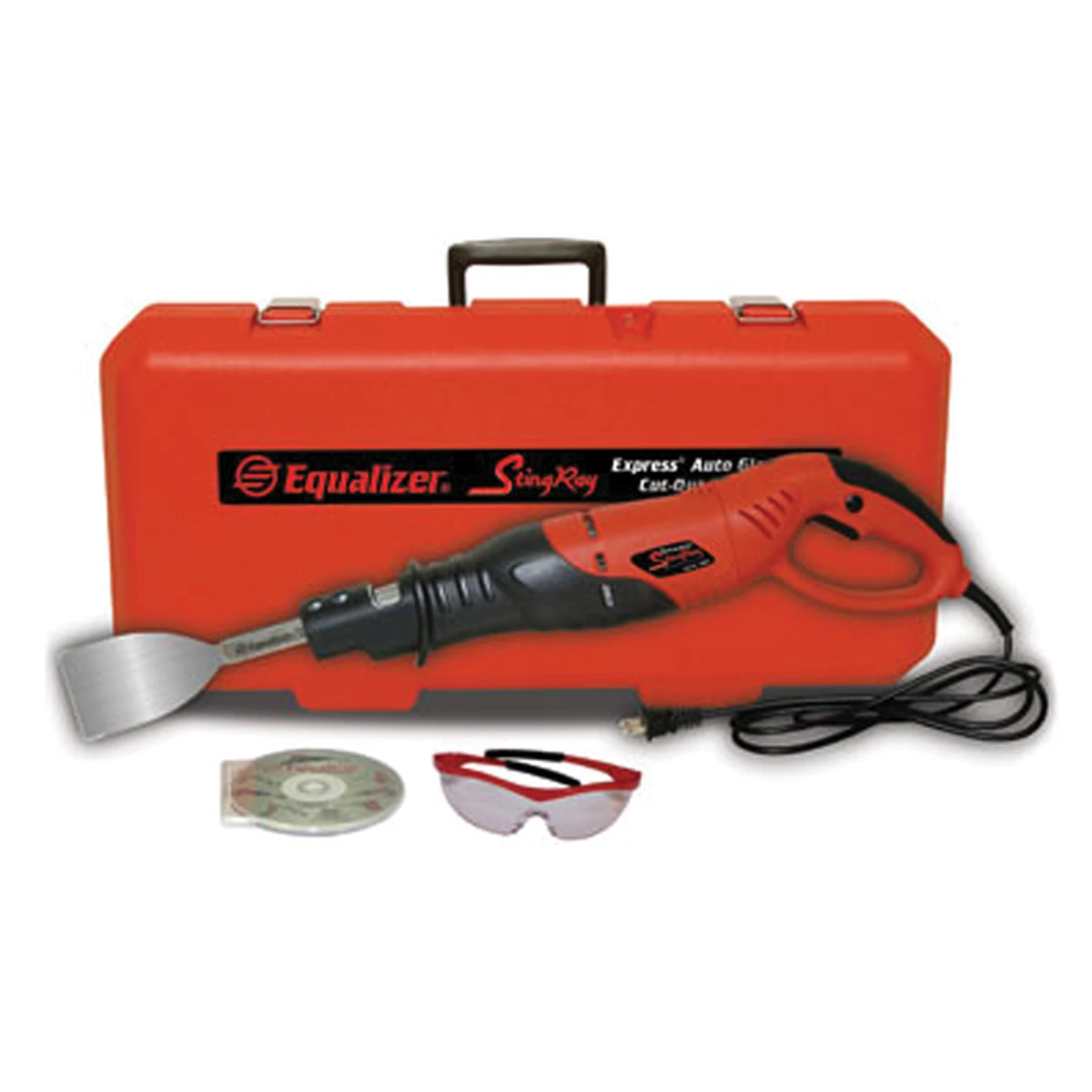
Handling windshield defects often comes down to having the right cleaning tools and diagnostic supplies on hand. Our windshield tools and auto glass selection covers everything from professional-grade glass cleaners to leak detection equipment.
- Automotive glass cleaners and isopropyl alcohol for cutting through film and residue
- Steel wool (0000 grade) and glass polishing compounds for stubborn contamination
- Leak detection and water testing supplies

The Toolsource Technical Team blends decades of real-world automotive service experience with up-to-date technical research. Our writers collaborate with professional mechanics, shop owners, and diagnostic specialists to deliver practical, workshop-ready guidance you can trust.


Follow us on social media