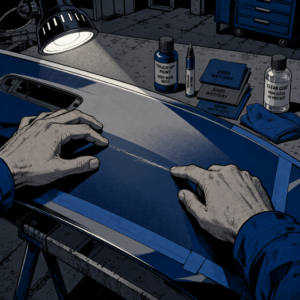
Fixing Rock Scratches and Chips: A Technician’s Guide to Touch-Up Paint Repair
Rock scratches, key marks, and curious-kid damage all follow the same repair logic: assess depth, stop rust, match color, and seal with clear coat. Here’s a shop-tested workflow for deciding what’s a DIY touch-up job and what needs a booth.
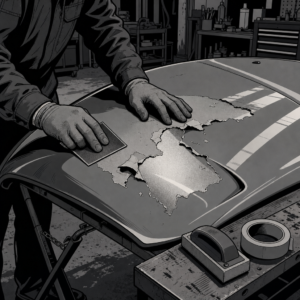
Clear Coat Peeling After a Wash? Why It Happens and How to Fix It Right
Clear coat that lifts off during a routine wash almost always points to a pre-existing adhesion failure, not water pressure. This guide walks through diagnosing delamination, a realistic DIY feather-and-blend patch, and why most cases still end up needing a panel respray.
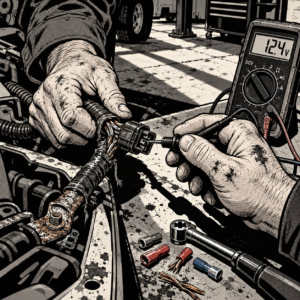
Percussive Maintenance Is Real: How to Actually Diagnose Vibration-Triggered Electrical Faults
Every shop has heard the joke about hitting a pothole to fix a check engine light — and every tech knows it’s rarely a joke. This guide covers how to systematically chase down the loose grounds, corroded connectors, and failing sensors behind vibration-triggered electrical faults instead of just waiting for the next bump.
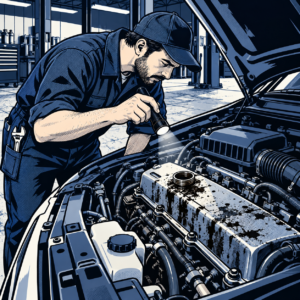
Missing Oil Fill Cap After an Oil Change: Causes, Risks, and Fixes
When a shop forgets to reinstall the oil fill cap, oil can spray across the engine bay and the open port can turn into an unmetered vacuum leak on PCV-equipped engines. Here’s a technician’s walkthrough for diagnosing what happened, cleaning it up, and getting the shop to make it right.
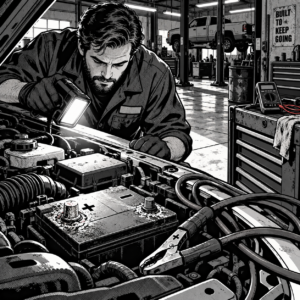
How to Identify Battery Polarity Before You Jump a Car (And Avoid a Costly Mistake)
Misreading battery polarity on a poorly labeled case can blow a main fuse, fry a BCM, or worse. Here’s a shop-tested method for confirming positive and negative before you ever clip on a jumper.
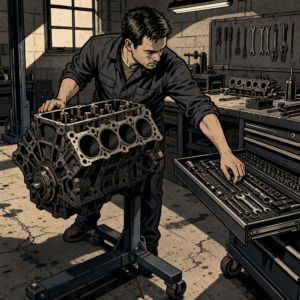
Filing Cabinets, Shopping Carts, and Craftsman Boxes: What Techs Actually Need for Tool Storage
Online debates about filing cabinets and shopping carts as toolboxes miss the real point: storage needs to be secure, mobile, and load-rated for the job you’re doing. Here’s a practical breakdown of when improvised storage works, when it doesn’t, and what to prioritize when you do upgrade.
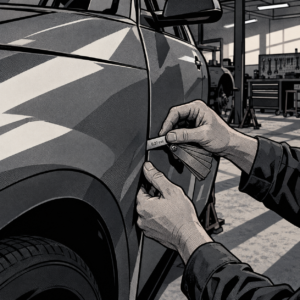
Post-Collision Repair Inspection: How to Spot Bad Bodywork Before You Sign Off
Uneven panel gaps, ill-fitting headlights, and bubbling paint are common signs of a rushed collision repair. This guide walks techs and owners through a systematic inspection process, what’s normal post-accident versus what’s a shop error, and how to document findings for an insurance comeback claim.
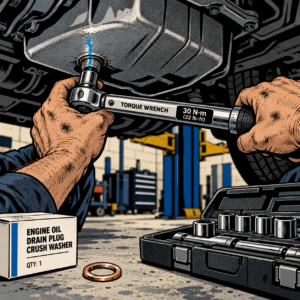
That Goop on the Oil Drain Plug: Torque Seal, Tamper Seal, and When to Worry
That blue, yellow, or white goop on a drain plug isn’t sealant — it’s anti-tamper marking compound or torque seal used to prove a bolt hasn’t backed off or been removed. Here’s how to identify it, when it signals a real problem like stripped threads, and how to service it correctly.
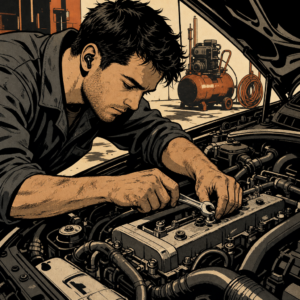
Shop Music and Headphones: A Technician’s Guide to Noise, Focus, and Hearing Safety
Every shop fights the same battle over what plays through the speakers—and whether headphones are a focus tool or a safety risk. Here’s a practical, technician-tested approach to shop audio that keeps ears protected and tempers intact.
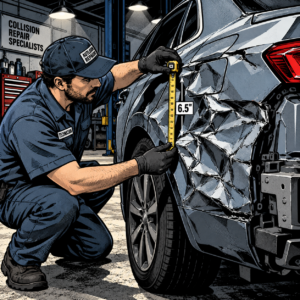
Multi-Point Collision Damage: A Technician’s Guide to Total-Loss Calls and Insurance Documentation
When a vehicle shows damage on three sides, the estimate isn’t just about visible panels — it’s about reading the impact pattern, finding hidden structural damage, and documenting everything correctly for insurance. This guide walks through the assessment process technicians and shop owners should follow before quoting a repair.


Follow us on social media