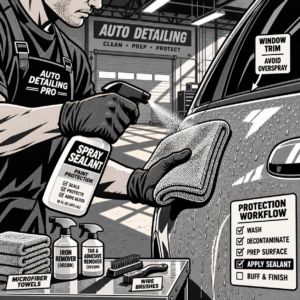
Ceramic Spray Sealants: A Shop-Tested Guide to Picking, Applying, and Maintaining Them
Ceramic spray sealants vary widely in durability, slickness, and trim compatibility. This guide breaks down what working detailers consistently reach for, how to apply them without hazing plastic trim, and when to strip and redo a coating.
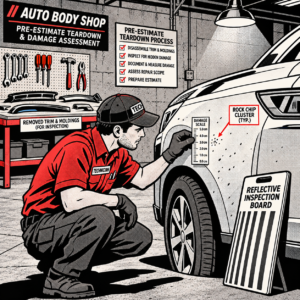
Why Rock Chips Can Total a Vehicle: A Technician’s Guide to Total-Loss Math, Panel Billing, and Supplement Creep
Shops see it every week: a vehicle with nothing but surface rock chips gets declared a total loss. This guide breaks down the total-loss formula insurers actually use, why panel-by-panel billing inflates repair costs, and how better estimate-writing and documentation habits can keep repairable vehicles off the auction block.
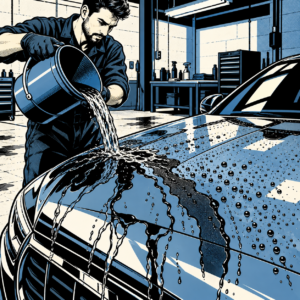
Ceramic Coating vs. Spray Sealant: How to Tell the Difference (And Do It Right)
A wave of complaints about dealership “ceramic coating” packages turning out to be $15 spray sealants has techs and shop owners asking the same question: how do you actually tell a true ceramic coating from a quick spray-and-buff job? Here’s the practical breakdown — testing, application, and documentation — for anyone selling or performing this service.
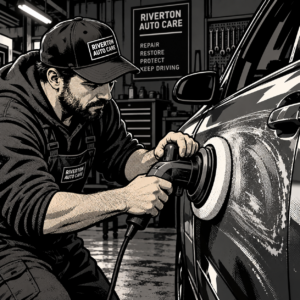
Keyed Car? A Technician’s Guide to Assessing, Fixing, and Documenting Paint Vandalism
Vandalism scratches aren’t all the same — some buff out with a $10 can of compound, others need a full repaint. Here’s how to correctly assess clear-coat damage, decide on the right repair path, and document it properly for an insurance claim.
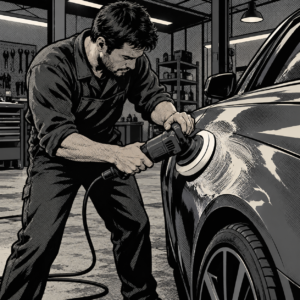
Buffer Burn and Botched Trim Jobs: A Tech’s Guide to Avoiding Dealer Prep Damage
New-vehicle prep damage — buffer burn, swirl marks under ceramic coating, misaligned spoiler drilling — is almost always a technique and QC failure, not bad luck. Here’s how to inspect, correct, and prevent it before it costs the shop a customer or a lawsuit.
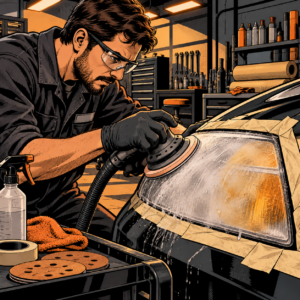
2K Clear Coat Headlight Restoration: A Technician’s Guide to Doing It Right the First Time
Headlight restoration jobs fail more often from clear coat selection and spray technique than from sanding. This guide breaks down the process technicians actually use — from grit sequence to isocyanate safety — plus why some 2K jobs crack and others last five years.
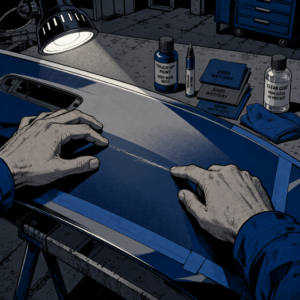
Fixing Rock Scratches and Chips: A Technician’s Guide to Touch-Up Paint Repair
Rock scratches, key marks, and curious-kid damage all follow the same repair logic: assess depth, stop rust, match color, and seal with clear coat. Here’s a shop-tested workflow for deciding what’s a DIY touch-up job and what needs a booth.
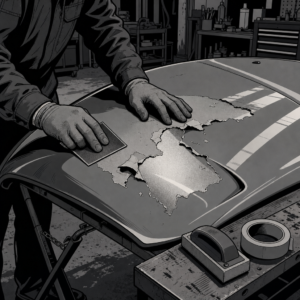
Clear Coat Peeling After a Wash? Why It Happens and How to Fix It Right
Clear coat that lifts off during a routine wash almost always points to a pre-existing adhesion failure, not water pressure. This guide walks through diagnosing delamination, a realistic DIY feather-and-blend patch, and why most cases still end up needing a panel respray.
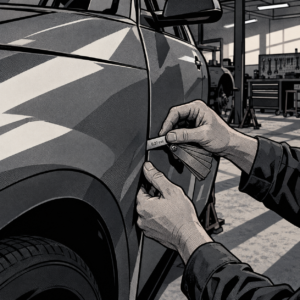
Post-Collision Repair Inspection: How to Spot Bad Bodywork Before You Sign Off
Uneven panel gaps, ill-fitting headlights, and bubbling paint are common signs of a rushed collision repair. This guide walks techs and owners through a systematic inspection process, what’s normal post-accident versus what’s a shop error, and how to document findings for an insurance comeback claim.
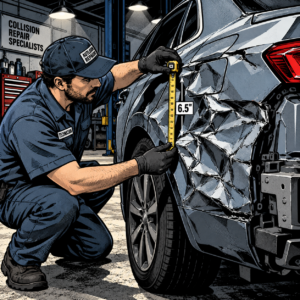
Multi-Point Collision Damage: A Technician’s Guide to Total-Loss Calls and Insurance Documentation
When a vehicle shows damage on three sides, the estimate isn’t just about visible panels — it’s about reading the impact pattern, finding hidden structural damage, and documenting everything correctly for insurance. This guide walks through the assessment process technicians and shop owners should follow before quoting a repair.


Follow us on social media