Every estimator has had the conversation: a customer brings in a vehicle with what looks like cosmetic rock chip damage, the repair plan balloons across three or four supplements, and the insurer writes the car off instead of paying for the fix. The vehicle still runs fine. Nothing structural is wrong with it. But on paper, it’s totaled. This isn’t a mistake or an insurer being difficult — it’s the predictable output of a formula that factors in salvage value, rental cost, and labor hours in ways that surprise a lot of technicians the first few times they see it happen. Understanding that formula, and tightening up how your shop writes and documents the initial estimate, is the difference between a vehicle that gets repaired and one that goes to auction.
The Total-Loss Formula: It’s Not Just Repair Cost vs. Vehicle Value
Most states use some version of a total-loss threshold (TLT) — a percentage of the vehicle’s actual cash value (ACV) that, once repair costs cross it, legally or contractually requires the insurer to total the car. Thresholds commonly run 65–80% of ACV depending on the state. The number techs often overlook is what gets added to the repair estimate before that comparison happens:
- Salvage value is subtracted from ACV, not ignored. A drivable vehicle with cosmetic-only damage often pulls a strong salvage bid — sometimes 50–60% of ACV at auction. That shrinks the gap between “repair cost” and “it’s cheaper to total it” dramatically.
- Rental reimbursement gets added to the repair side of the ledger in many states. If the vehicle needs to sit for two or three weeks across multiple supplements, that rental cost can be enough to tip a borderline estimate over the threshold.
- Insurers model the auction outcome before they model the repair. Carriers that write heavy volume in a region have enough auction data to know almost exactly what a given year/make/model/condition will bring. If that number is high, the math to total it is easy to justify internally — regardless of how “minor” the damage looks to the owner.
For the shop, the practical implication is that two vehicles with visually identical rock chip damage can have completely different outcomes depending on ACV, local salvage demand, and how long the repair drags on. That last variable — repair duration — is one your estimate-writing process actually controls.
Panel-by-Panel Billing Inflates the Number Fast
Rock chip and chip-pattern damage rarely stays confined to one panel. Highway debris, dust storms, and dump-truck gravel showers tend to hit every exposed surface, which means refinish is frequently required on all four sides of the vehicle. The sticking point is that shops and insurers bill refinish labor per panel, not per “side.” A full-vehicle respray isn’t priced as one job — it’s priced as the sum of hood, fenders, doors, quarter panels, bumpers, and roof, each carrying its own R&I, blend, and materials line.
That per-panel structure is standard and defensible — a shop that blends an entire side in one booth cycle still has to disassemble, mask, prime, and clear-coat each panel individually to match factory tolerances. But it means a “just some chips” job can realistically total 10+ billable panels once you add:
- R&I (remove and install) for trim, moldings, emblems, and lighting on each affected panel
- One-time-use parts (clips, seals, gaskets) that can’t be reused once removed
- Blend panels adjacent to the damaged ones to avoid visible color transition
- Materials cost scaled to panel count, not vehicle count
Dark metallics and pearls compound this. Black, dark blue, and deep red finishes show every imperfection in the base coat — orange peel, dirt nib, or uneven clear thickness that would be invisible on a lighter color becomes a comeback on black. Shops that know they’re dealing with a hard-to-match finish should price the extra prep time into the original estimate rather than discover it mid-supplement.
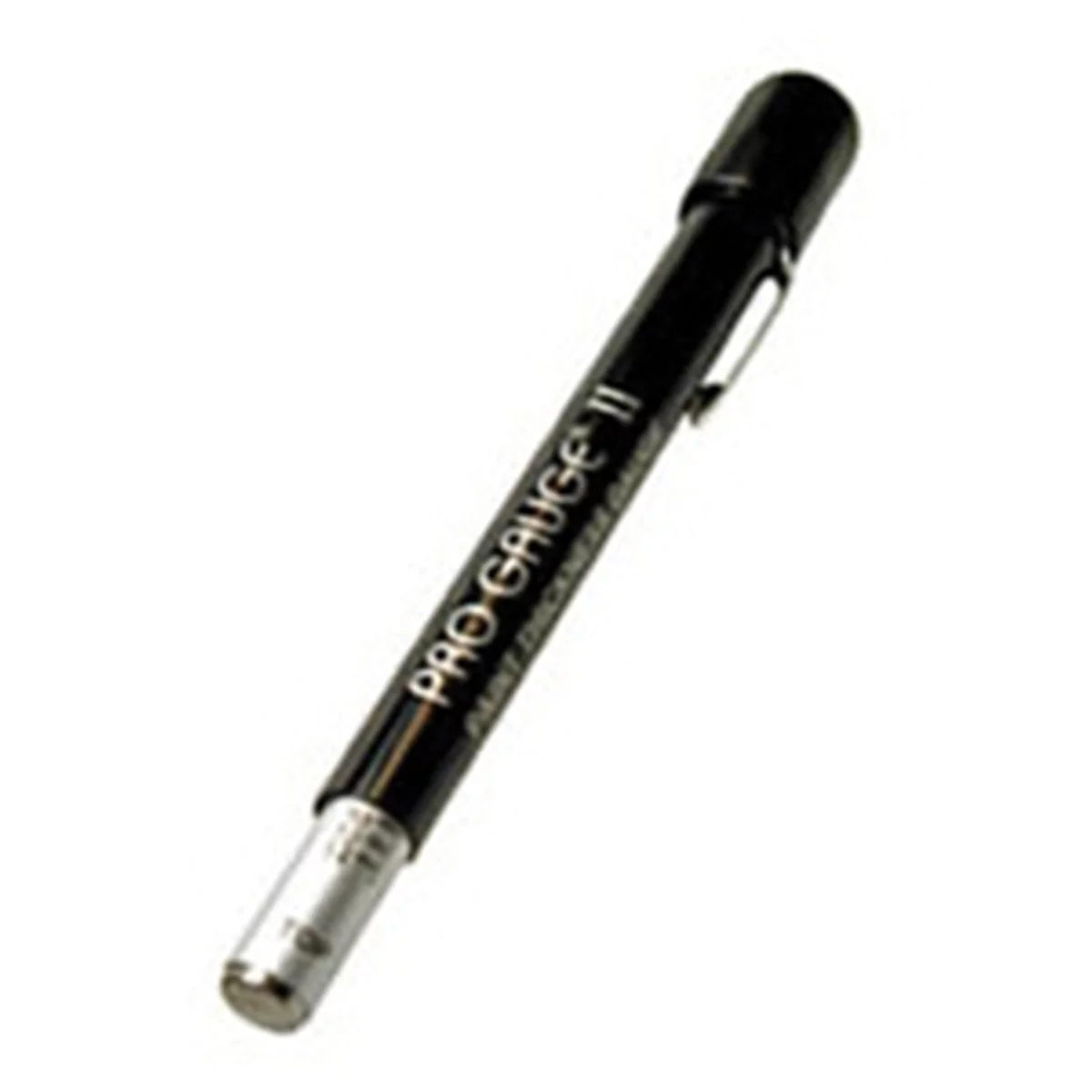
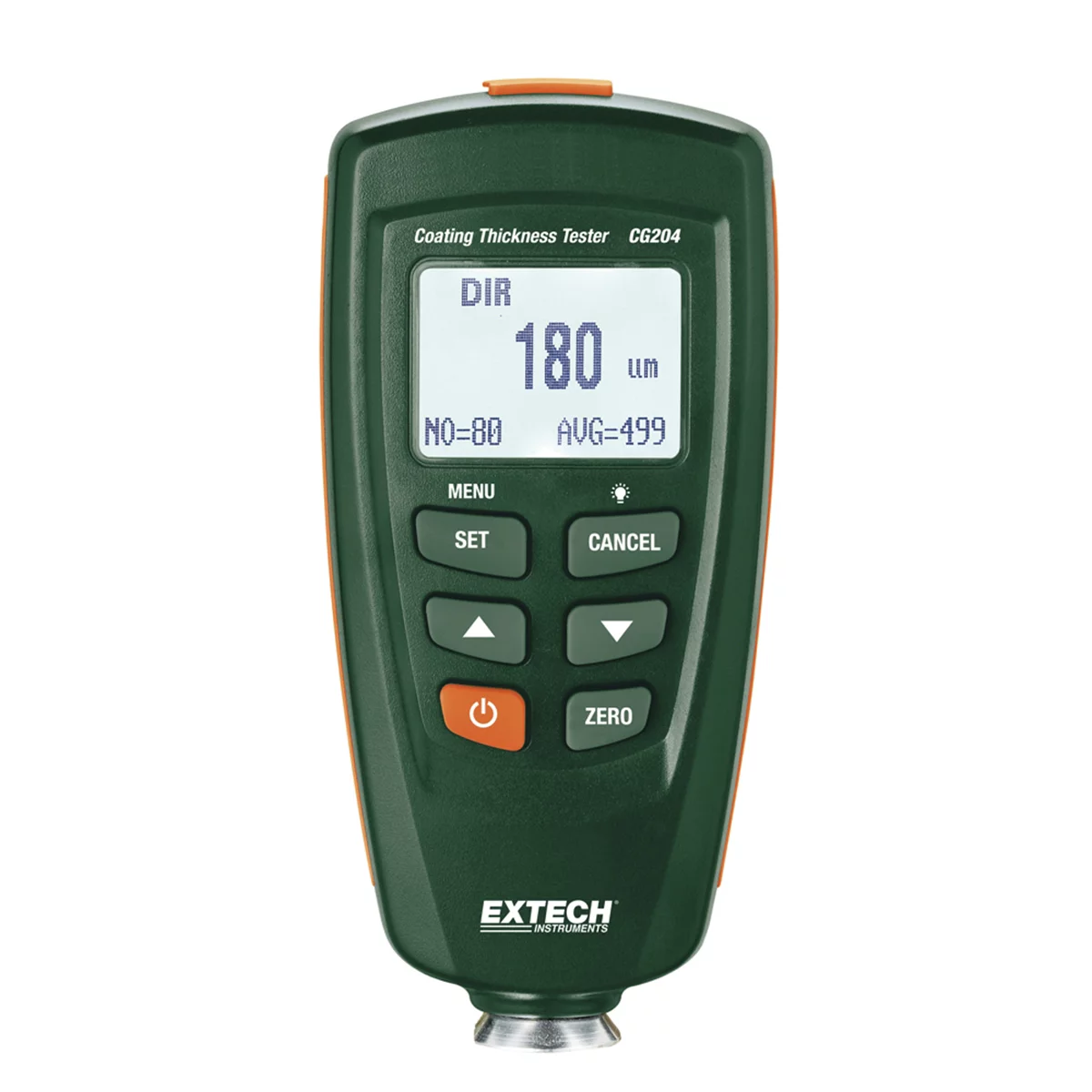
Product tip: if you’re regularly quoting full-panel respray jobs on dark or pearl finishes, a dedicated paint thickness gauge pays for itself by confirming OEM coating depth before you commit to blend-vs-replace calls on the estimate.

Supplement Creep: How a Good Vehicle Becomes a Bad Claim
A single supplement for genuinely hidden damage is normal. Three or four supplements on what started as a bumper or chip repair is a pattern insurers notice — and it changes how they handle the file. Adjusters and carriers that write high volume track supplement counts per shop and per claim. A claim that supplements repeatedly reads as either a sloppy initial estimate or a customer and shop that keep finding “new” damage, and insurers respond to that pattern by reassessing whether it’s worth staying in repair at all.
The fix is almost entirely procedural, not technical:
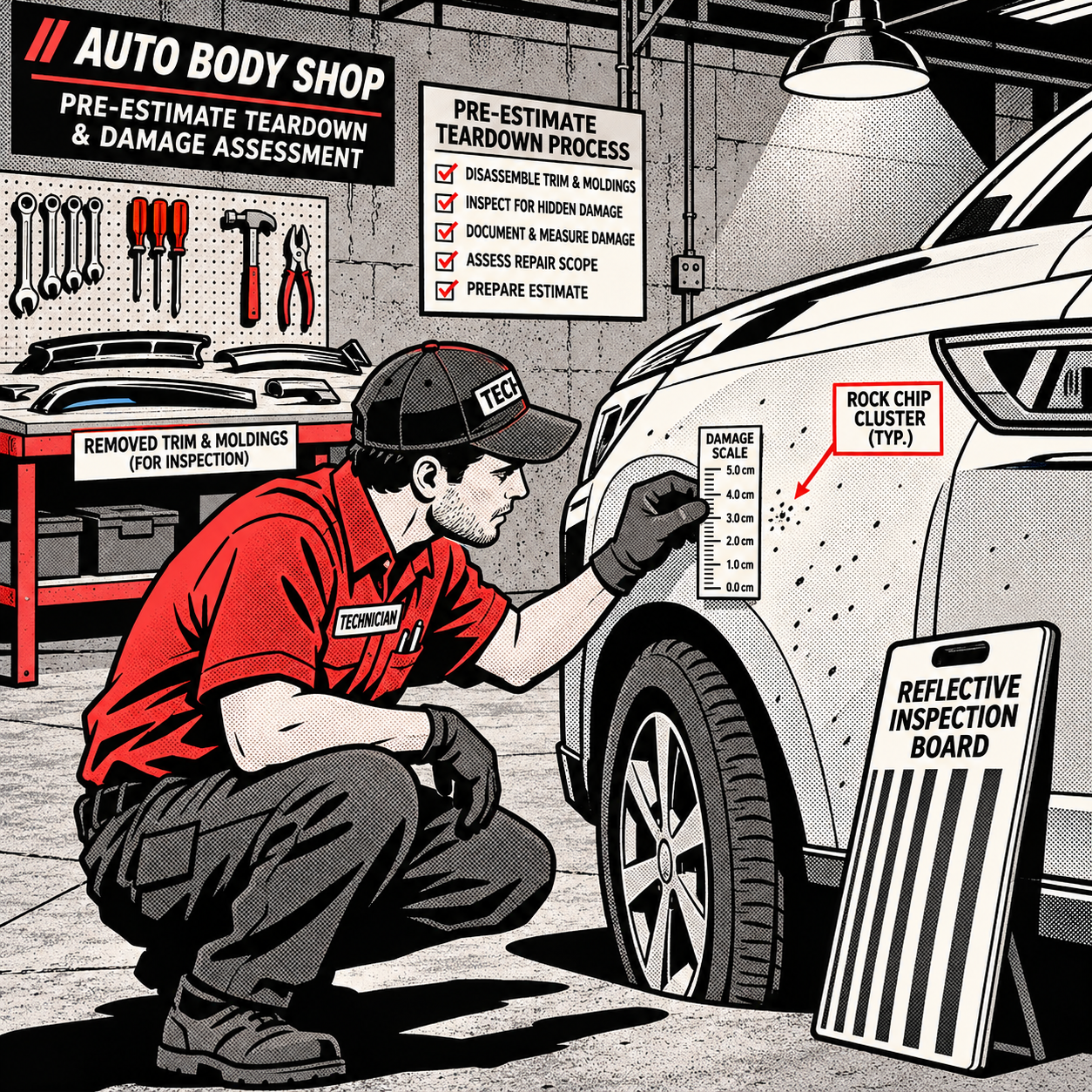
- Tear down before you write the final estimate, not after. A quick walk-around estimate written before disassembly will always miss things. Pull trim, moldings, and adjacent panels before the number goes to the insurer the first time.
- Photograph and measure every affected panel up front, including panels you don’t think need refinish, so later additions are backed by documentation rather than appearing as scope creep.
- Price blend panels and one-time-use parts in the first pass. These are predictable line items for chip and debris damage — they shouldn’t show up as a surprise supplement two weeks in.
- Flag rental duration risk early. If you know a repair will run past two weeks, say so in the first estimate narrative. A carrier that sees the timeline coming is less likely to view a later rental-cost supplement as mismanagement.
PDR vs. Repaint: Get the Decision Right the First Time
Not every rock chip or small-dent scenario needs a full respray. Paintless dent removal is the right call when the clear coat and base coat are intact and the damage is limited to shallow dents — hail-pattern damage is the classic case. But PDR has limits that matter for the total-loss calculation: access-blocked dents (near edges, creases, or with excessive stretch) and anything where the finish is actually broken or chipped down to primer or metal is a paint repair, not a PDR candidate.
Deciding wrong in either direction costs the claim money. Quoting PDR on damage that will need refinish anyway just delays the real number and adds a round-trip supplement. Quoting a full repaint on damage that PDR could have handled cheaper inflates the estimate unnecessarily and pushes it closer to the total-loss threshold. A side-by-side inspection — good lighting, a reflective board, and someone who does PDR assessments daily — should happen before the first estimate is finalized, not after the vehicle is already in the booth.
Documentation That Prevents Disputes
A lot of the friction in these claims isn’t about whether damage is real — it’s about whether it can be tied to the reported incident. Insurers are increasingly cautious about chip and scratch claims because pre-existing wear gets attributed to a single event. Shops protect themselves and their customers by documenting condition thoroughly at intake:
- Full photo set from all angles before any disassembly, with date/time stamps
- Close-up shots of each chip or dent cluster with a measurement reference (a ruler or coin in frame)
- Written notes on paint condition, prior repair evidence (overspray, mismatched texture), and panel gaps
- A clear narrative tying the damage pattern to the reported cause — scatter pattern consistent with debris vs. isolated impact points
This record is what lets your estimator push back credibly when an adjuster questions scope, and it’s what keeps a legitimate claim from being treated as padding.
Quick Checklist Before Submitting a Chip/Debris Damage Estimate
- ☐ Disassemble and inspect before writing the final (not preliminary) estimate
- ☐ Photograph every panel, including adjacent blend candidates
- ☐ Confirm PDR vs. repaint per panel with a proper reflective-board inspection
- ☐ Price one-time-use parts, moldings, and emblem R&I in the first pass
- ☐ Note expected cycle time and rental duration in the estimate narrative
- ☐ Check paint type (metallic/pearl) and add prep/blend time for hard-to-match finishes
- ☐ Keep a dated photo and measurement record from intake through completion
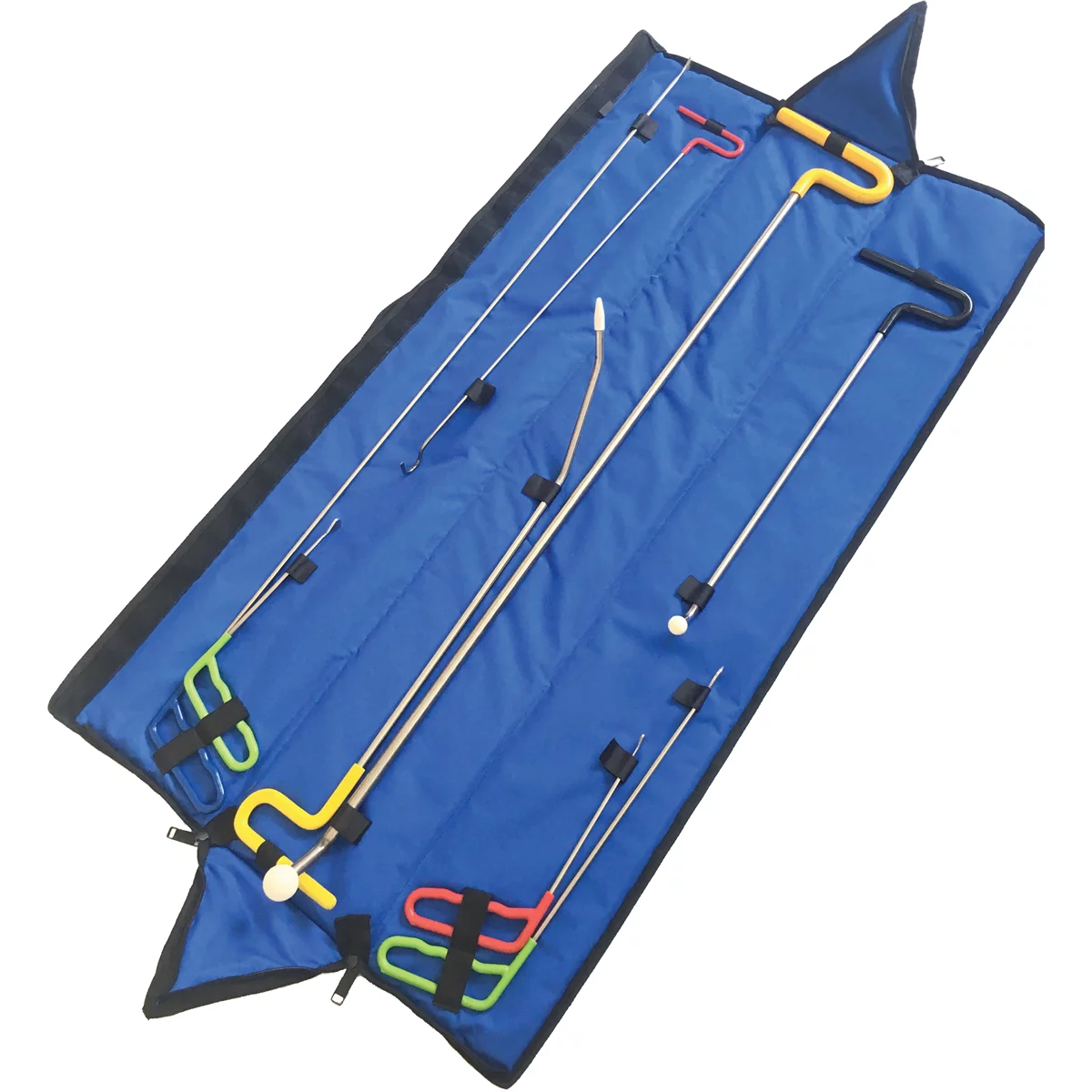
Looking to tighten up estimate accuracy and cut down on surprise supplements across your shop’s bays? Browse paint thickness gauges, reflective inspection boards, and PDR tool kits built for pre-estimate teardown work.

FAQs
Why would an insurer total a car over damage that’s purely cosmetic?
Because the comparison isn’t “is the car driveable” — it’s repair cost plus projected rental cost versus ACV minus expected salvage bid. Cosmetic-only damage on a vehicle with strong salvage demand can cross that threshold even when nothing mechanical is wrong.
Does the color of the vehicle actually affect whether it gets totaled?
Indirectly, yes. Dark metallics and pearls require more prep time and tighter process control to avoid visible mismatch, which raises refinish labor hours per panel. More hours across more panels pushes the repair estimate higher, which can tip a borderline case toward total loss.
How many supplements is too many on a single claim?
There’s no universal number, but three or more supplements on what started as minor damage is enough to draw scrutiny from most carriers. It’s worth a full teardown and re-estimate rather than letting the file accumulate incremental additions.
Can a customer buy back a totaled vehicle and keep driving it?
In many states, yes, through a retained-salvage buyback, though eligibility often depends on vehicle age and state title rules. The owner forfeits the “clean title” and the vehicle is usually re-titled as salvage or rebuilt.
Should every rock chip be run through insurance?
Not necessarily. Filing a claim for every minor chip increases scrutiny on the vehicle’s file and can contribute to a total-loss determination down the line. Many shops recommend batching chip repair into a single, well-documented claim rather than filing repeatedly for small items.
What’s the single biggest estimating mistake that leads to total-loss outcomes?
Writing the estimate before full disassembly. A walk-around quote that misses hidden trim damage, one-time-use parts, or blend requirements almost guarantees supplements, and each supplement adds both cost and cycle time — both of which push a borderline claim toward total loss.
Paint & Body Tools for Damage Assessment
Accurate upfront assessment is your best defense against surprise supplements and total-loss rulings. Browse our Paint & Body selection for the tools you need to thoroughly document damage before writing your first estimate.
- Paint thickness gauges to confirm OEM coating depth and spot pre-existing repairs
- Reflective inspection boards for proper PDR assessment and finish evaluation
- Refinish supplies and prep materials for chip and full-panel repair work

The Toolsource Technical Team blends decades of real-world automotive service experience with up-to-date technical research. Our writers collaborate with professional mechanics, shop owners, and diagnostic specialists to deliver practical, workshop-ready guidance you can trust.


Follow us on social media