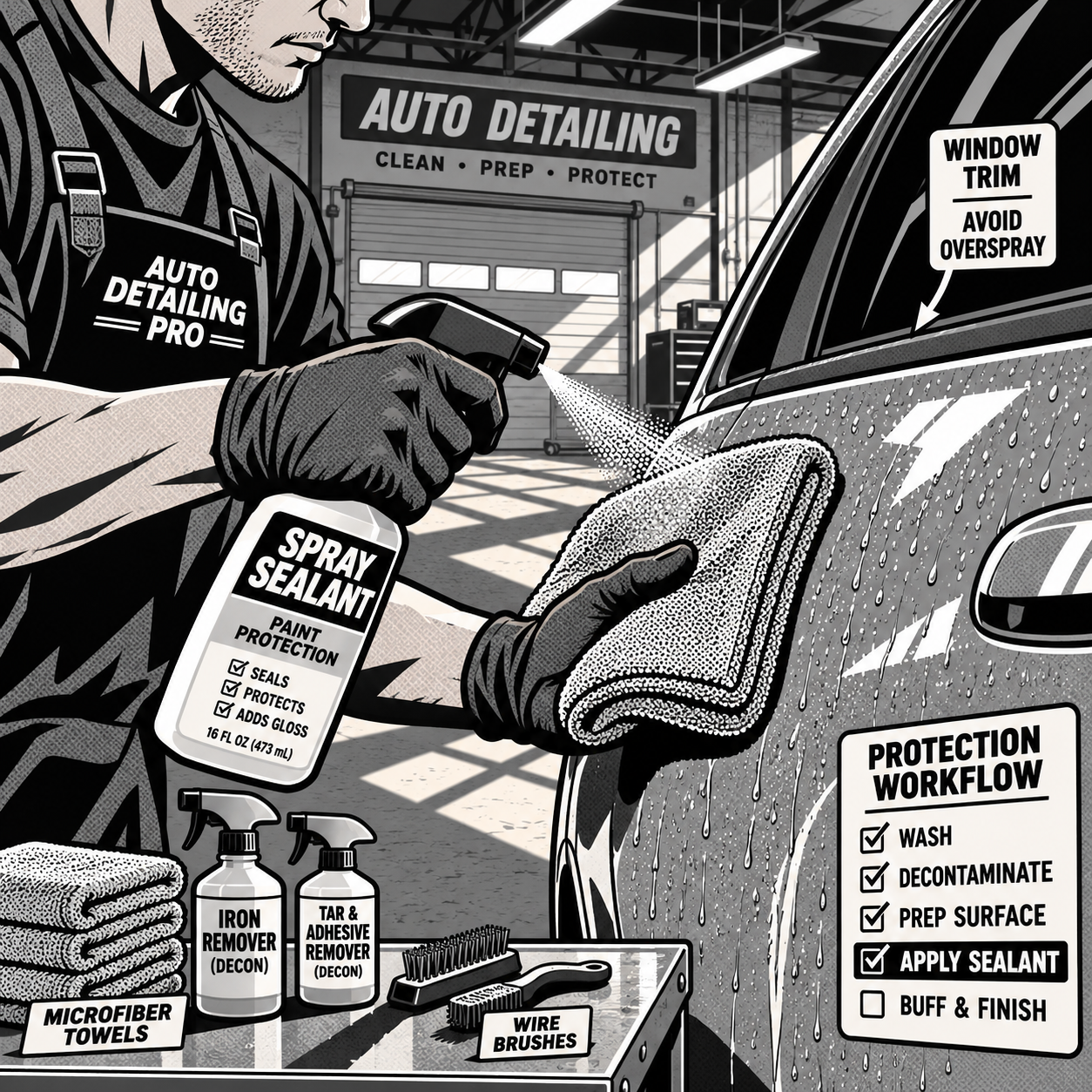
Ceramic spray sealants get lumped together in marketing copy, but shop experience shows real gaps in durability, ease of application, and side effects on plastic trim. The guidance below pulls together what working detailers and technicians actually reach for, where products commonly go wrong, and how to apply and maintain them so the results hold up on a lift or in a driveway.
Spray Sealant vs. Detail Spray vs. True Coating
Before comparing products, separate the categories — they get used interchangeably in conversation but behave very differently on paint.
- Spray sealants (hybrid ceramic sprays): Applied to clean, decontaminated paint as a standalone layer. Griot’s 3-in-1, Turtle Wax Hybrid Solutions, and Meguiar’s Hybrid Ceramic Wax fall here. Expect weeks to a few months of protection depending on wash frequency and exposure.
- Detail sprays / drying aids with SiO2: Products like TEC582, TEC584, and Turtle Wax Seal N’ Shine are designed for use after nearly every wash. They add slickness and a thin refresh layer rather than a durable standalone barrier.
- True ceramic coatings: Multi-step applications (decon wash, clay or iron removal, coating from a glass bottle, cure time) intended to last 6-24 months. These are a different service tier, not a spray-on product.
A lot of frustration with spray sealants comes from using a drying-aid-type product and expecting coating-level durability, or vice versa — buying a heavier sealant and being annoyed it’s not as quick to use as a rinse-free spray.
Spray Sealants Technicians Keep Reordering
Across independent testing (notably Project Farm’s comparative durability tests) and repeated shop use, a short list of products comes up consistently:
- Griot’s Garage 3-in-1 Ceramic Spray: The most frequently recommended standalone spray sealant. It performed near the top in third-party accelerated-wear testing and is reported to outlast several higher-priced competitors. Easy to apply, strong gloss, good water behavior.
- Turtle Wax Hybrid Solutions Ceramic Spray: Widely available (including at mass retailers), frequently cited as lasting around 3-4 months with regular washing.
- Turtle Wax Ice Seal N’ Shine: A budget sealant with no SiO2 marketing claims attached, but technicians report it outlasting the Hybrid Solutions ceramic spray in practice, and it’s cheap enough to use as a routine drying aid.
- Detailer’s Choice TEC582 / TEC584: Sold in gallon jugs at a low per-use cost, used as a drying aid and as a topper over an existing coating. TEC584 adds graphene for extra slickness.
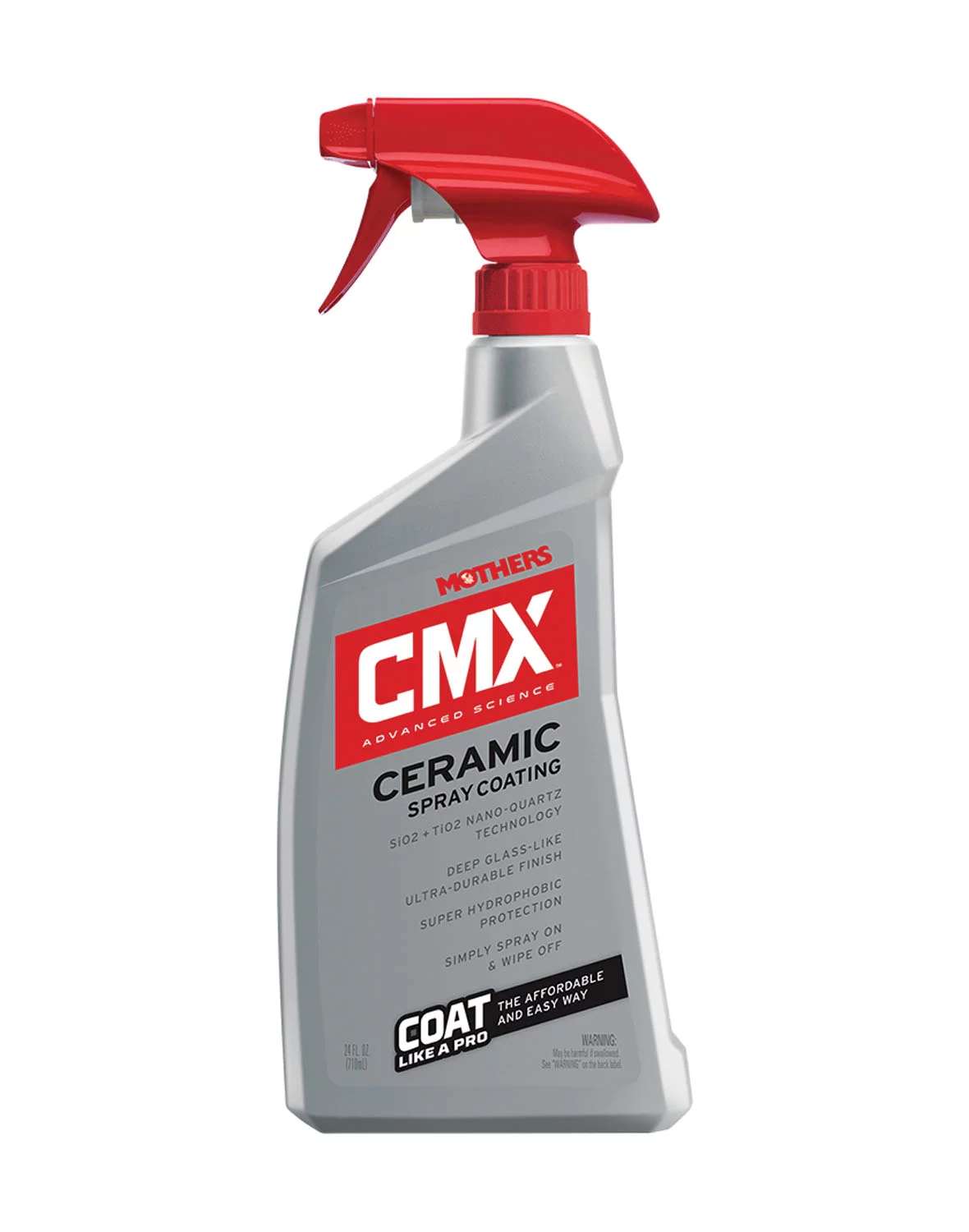
- Meguiar’s Hybrid Ceramic Wax, Adam’s Graphene Detail Spray, Mothers CMX: Solid mid-tier options, generally rated a step below Griot’s in head-to-head durability tests but easier to find in some markets.
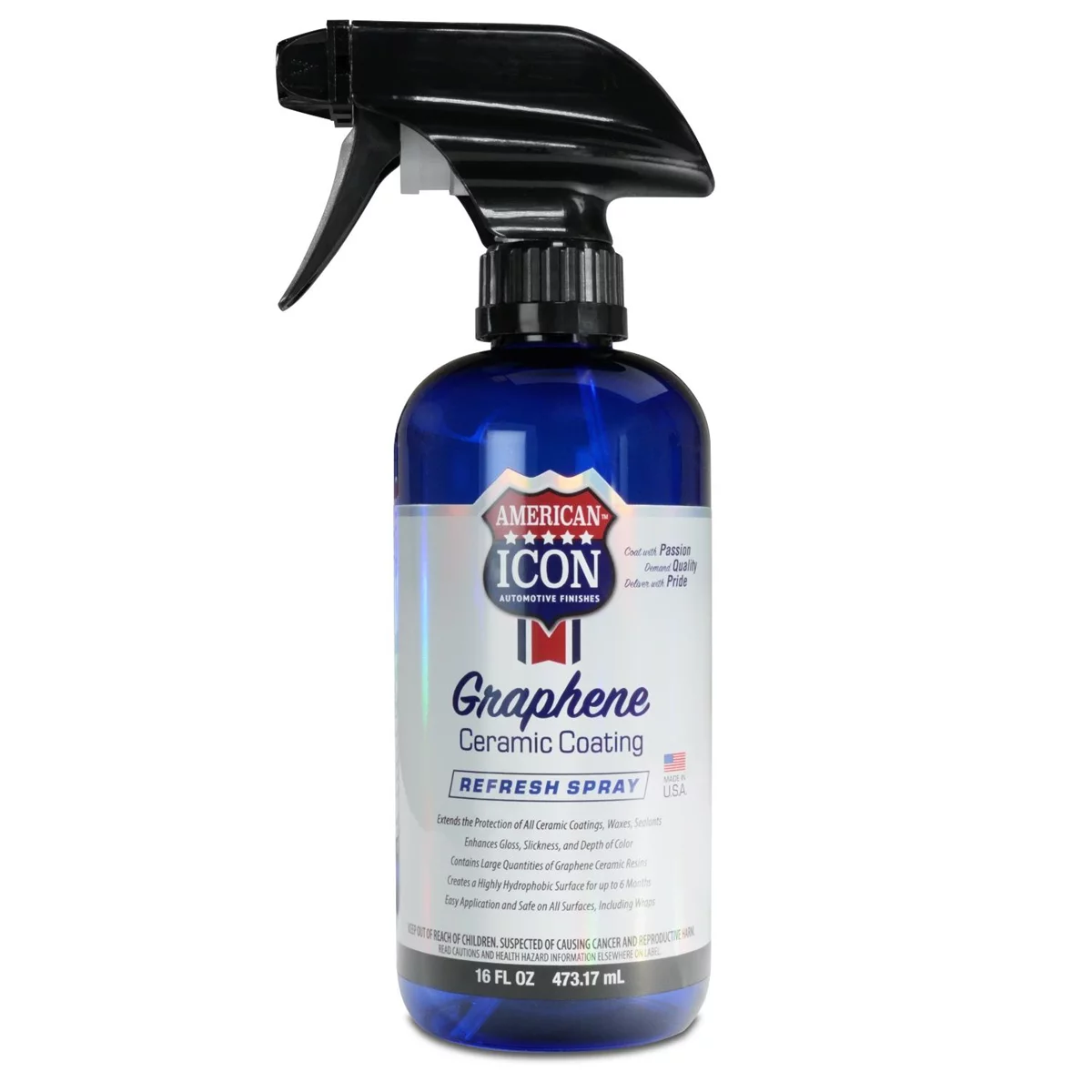
- CarPro Reload, Jimbo’s Hard as Shell, P&S Inspiration Defender: Favored specifically as maintenance toppers over an existing ceramic coating rather than as standalone protection.
Chemical Guys and generic “Suds Lab”-style products show up in comparisons but are consistently ranked below the list above for longevity.
[PRODUCT_SEARCH_1]

Avoiding the Trim-Hazing Problem
The most common complaint with spray sealants — Griot’s 3-in-1 in particular — is a chalky or hazy film left on unpainted plastic and soft-touch trim around windows and door handles. It’s cosmetic, but it’s cumulative: a single pass may not be visible, but repeated applications over months build up a noticeable white cast, especially on softer plastics. Hard trim pieces are far less affected.
This is an application issue, not strictly a product defect, and it’s avoidable with a few habits:
- Spray the product onto a microfiber towel first rather than directly onto the panel — this keeps overspray off adjacent trim entirely.
- Apply and buff it like a thin coating rather than a quick wipe-on wax, working in small sections.
- Wipe trim with a clean, dry microfiber immediately after the sealant contacts it — don’t let it sit and dry on plastic.
- On vehicles with extensive unpainted cladding (where this shows up most), mask trim lines with painter’s tape for a cleaner job, or switch to a sealant with a track record of not hazing trim.
If hazing has already built up, compare the affected trim to an untreated panel in direct light — it’s easy to miss until you know what to look for, and once a customer or technician sees it, it’s hard to unsee.
Using a Drying Aid as a Topper
Independent of which spray sealant goes down as the base layer, pairing it with a drying-aid-style SiO2 spray extends perceived durability and keeps gloss consistent between full applications. The common workflow:
- Apply a standalone sealant (e.g., Griot’s 3-in-1) as the base layer after a full wash and decon.
- Use a cheaper SiO2 drying aid (TEC582, Turtle Wax Seal N’ Shine) after every subsequent wash to add slickness and top up hydrophobic behavior.
- Reserve the heavier sealant reapplication for every 2-3 months, or when water behavior noticeably drops off.
This is also the standard maintenance pattern for vehicles with an actual ceramic coating — a drying aid used after each wash protects the coating’s wear layer without requiring a full strip-and-reapply cycle every few months.
Reapplying or Stripping a Spray Sealant
Spray sealants don’t usually require stripping before reapplication the way a true coating does — a clean wash is generally sufficient since the layer is thin and wears off gradually with washing and clay-safe contact. For a coated vehicle reaching the end of its rated life (commonly marketed as 6-12 months for consumer-applied coatings), the shop-recommended process is more deliberate:
- Run an iron decontamination spray, applied multiple passes if the vehicle sees regular road use.
- Follow with a wash soap formulated for ceramic-coated vehicles (a “strip wash” type) to remove the degraded coating layer and any bonded contamination.
- If the coating was a true glass-bottle product (not a spray sealant), clay bar the paint afterward to confirm the bonded layer is fully removed before laying down a new coat.
- Re-coat only after the paint tests clean — water should sheet unevenly and show no beading if the old layer is fully stripped.
Checklist: Applying a Ceramic Spray Sealant Correctly
- Wash and decontaminate paint fully before application — sealants bond poorly over residue or wax
- Apply sealant to a microfiber towel, not directly onto panels, to control overspray near trim
- Work in small sections and buff before the product flashes fully dry
- Wipe adjacent plastic/rubber trim immediately with a separate clean towel
- Follow up with a compatible SiO2 drying aid after subsequent washes to extend durability
- Track reapplication interval (typically 6-12 weeks for most hybrid sprays under regular washing)
[PRODUCT_SEARCH_2]


White Guard MP600W-36 Premium Masking Paper, 36 in W x 750 f
Mfg: High Teck Products
Part #: MP600W-36
FAQs
Does Griot’s 3-in-1 really haze plastic trim on every vehicle?
Not universally — several long-term users report no issue when they consistently wipe trim with a clean towel right after application. The hazing shows up mainly on soft-touch plastic around windows and doors when overspray is left to dry in place, and it’s more noticeable on vehicles with large areas of unpainted cladding.
What’s the real difference between a “ceramic spray” and a drying aid?
A spray sealant is meant to stand alone as a protective layer applied every couple of months. A drying aid with SiO2 is a lighter-duty product meant to be used after nearly every wash — it tops up slickness and hydrophobics but isn’t engineered to carry protection on its own for weeks at a time.
How long does a hybrid ceramic spray actually last?
Expect roughly 6-16 weeks for most hybrid spray sealants under regular washing and daily-driver exposure, with premium options like Griot’s 3-in-1 trending toward the longer end in independent durability testing.
Can I use a drying aid on top of a professionally applied ceramic coating?
Yes — this is the standard maintenance approach. A compatible SiO2 drying aid or detail spray used after each wash protects the coating’s wear layer and maintains gloss between any scheduled maintenance details.
Do I need to clay bar before reapplying a spray sealant?
Usually not for a thin spray sealant — a thorough wash is typically enough since the layer isn’t heavily bonded. Clay barring becomes necessary mainly when stripping a true multi-step ceramic coating or when there’s visible bonded contamination (iron, overspray, tree sap residue).
Is a cheap sealant like Turtle Wax Seal N’ Shine worth it compared to premium options?
For routine maintenance and as a frequent drying aid, yes — its low per-ounce cost makes it practical to use after nearly every wash. For a single application meant to last several months with minimal upkeep, a dedicated sealant like Griot’s 3-in-1 is the better fit.
Paint Protection Products
Now that you understand spray sealant performance and application, explore our Paint & Body selection for ceramic spray sealants, drying aids, and surface prep products.
- Hybrid ceramic spray sealants from trusted brands
- SiO2-based drying aids and detail sprays for ongoing maintenance
- Iron decontamination and ceramic-specific wash products

The Toolsource Technical Team blends decades of real-world automotive service experience with up-to-date technical research. Our writers collaborate with professional mechanics, shop owners, and diagnostic specialists to deliver practical, workshop-ready guidance you can trust.


Follow us on social media