A recent thread full of customers comparing notes on dealership “ceramic coating” packages surfaced the same complaint over and over: a $1,000-plus line item on the buyer’s order, a 10-minute spray-and-wipe job at pickup, and water that wouldn’t bead on the hood a week later. Whether you’re a detailer who gets blamed when a customer’s expectations don’t match reality, or a shop that sells this service and wants to do it honestly, the underlying issue is the same — “ceramic coating” has become a marketing word slapped on products that range from a genuine multi-day paint correction and coating application to a bottle of spray wax that costs less than $15. Here’s how to tell the difference, apply the real thing correctly, and protect yourself (or your customer) from a comeback dispute.
Spray Sealant vs. True Ceramic Coating: Know What You’re Selling
These are not the same product, and the price difference exists for a reason. A spray sealant or “ceramic-infused” wax (Turtle Wax Seal & Shine, Griot’s spray sealants, Gyeon WetCoat, and similar products) is a topical polymer or SiO2-blended spray applied to clean paint and buffed off in minutes. It adds gloss and short-term hydrophobic behavior but bonds weakly to the clear coat and typically lasts anywhere from a few washes to a few months.
A true ceramic coating is a resin-based SiO2 or SiO2/graphene formula that chemically bonds to the clear coat after the surface has been fully corrected — decontaminated, clayed or iron-removed, and polished to remove swirls and oxidation. It cures over 24-72 hours (sometimes longer with UV lamps) and is rated to last 1-5+ years depending on the product tier. Application alone, done correctly, takes most trained installers a full day minimum, often two, which is exactly why a 30-minute dealership “detail” cannot be a true coating no matter what the invoice says.
If a shop or dealership is charging four figures and finishing the job before the customer’s paperwork is even signed, you’re looking at a sealant with ceramic branding, not a coating. That distinction matters for warranty claims, for what you tell a customer to expect, and for liability if someone asks you to verify prior work.
How to Verify What’s Actually on the Paint
When a vehicle comes in with an unknown or disputed coating history, a few quick checks tell you most of what you need to know before you touch a polisher:
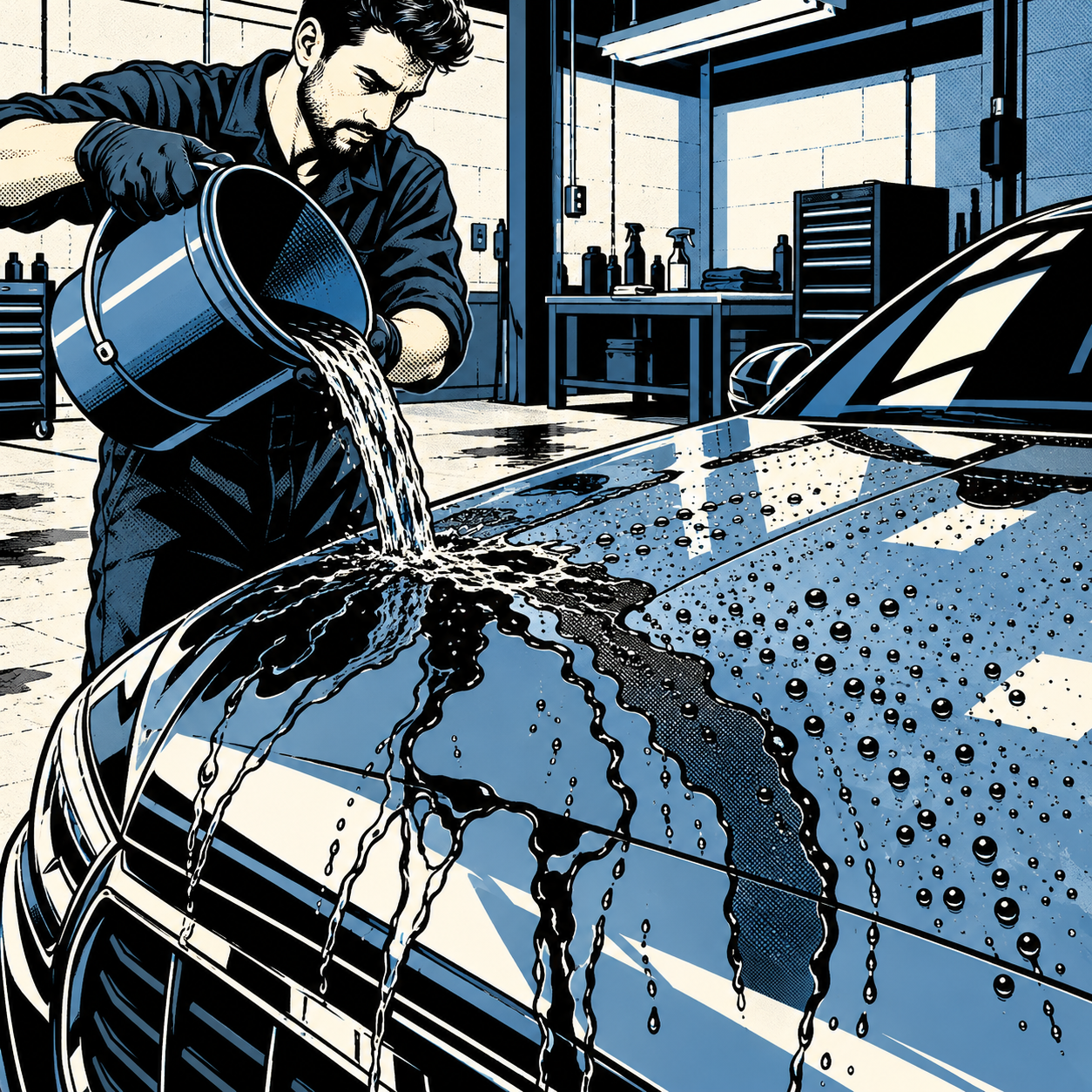
- Water behavior test: Pour a thin stream of water across the hood and trunk. A cured ceramic coating produces tight, fast-sheeting beads across the entire panel. Pooling, flat sheeting, or beads only in some spots (especially the center of a panel that clearly wasn’t touched) points to an uneven spray application or no coating at all.
- Gloss and feel check: Run a gloved hand or microfiber across the panel. Genuine coatings feel glassy-slick and squeak slightly under a dry towel. A sealant feels smoother but softer, and that slickness fades within a few washes.
- UV flashlight inspection: Many coatings fluoresce faintly under UV light where applied, making uneven coverage or missed panels visible — useful for confirming whether “the whole car” was actually coated.
- Request the paperwork trail: Ask for the product name, lot number, and application date. A legitimate installer using a branded system (XPEL, Ceramic Pro, Gtechniq, Feynlab) can produce this. If nobody can name the product beyond “ceramic,” that’s your answer.
Related products:
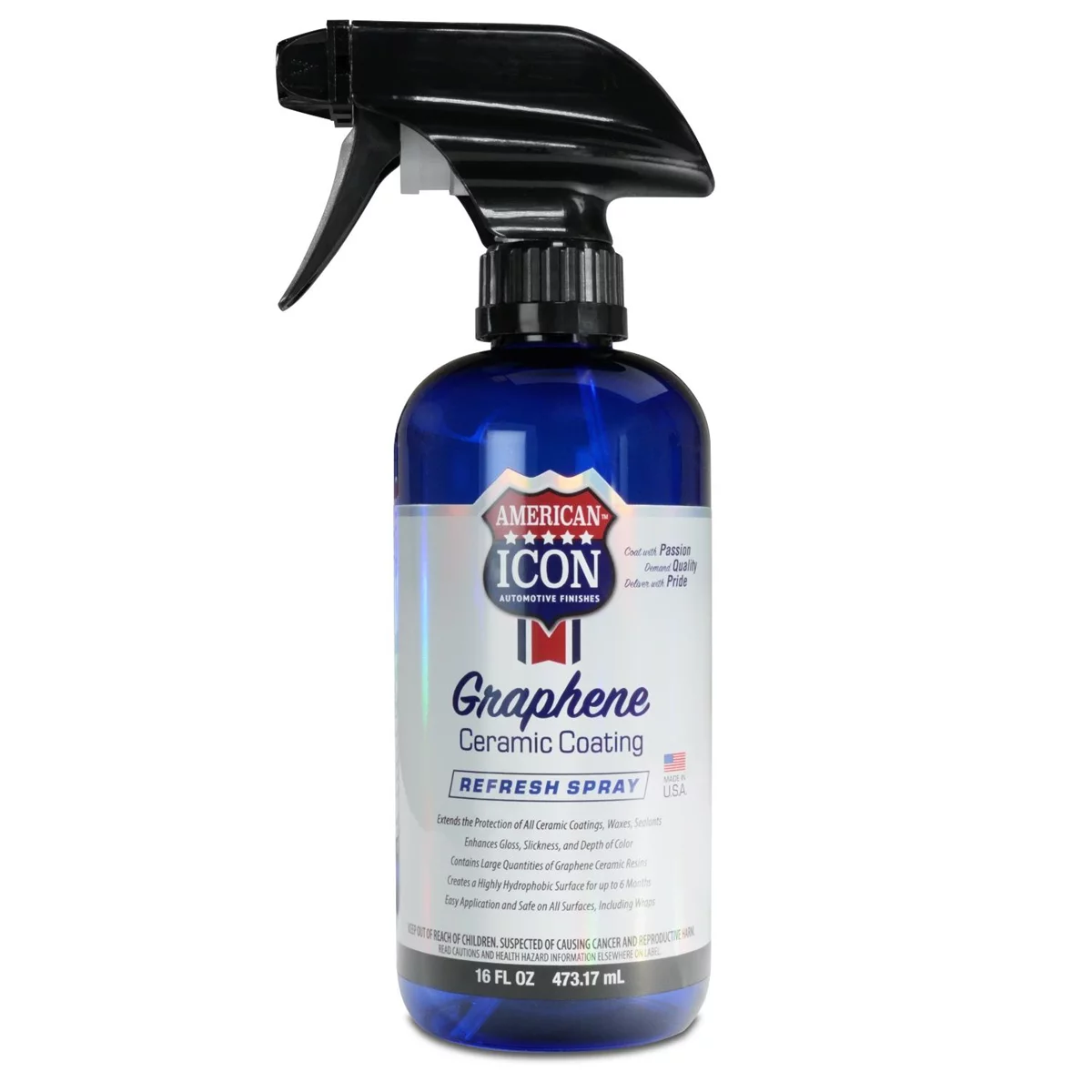
{{PRODUCT_SEARCH: pH neutral car wash soap and ceramic coating maintenance spray}}


Doing the Job Right: Prep, Correction, and Cure
If you’re applying a real coating — your own shop’s service or walking a customer through what should have happened — the sequence isn’t optional:
- Wash and decontaminate: Snow foam or pH-neutral wash, followed by an iron remover and a clay bar or clay mitt to strip bonded contaminants the wash won’t touch.
- Paint correction: Inspect under direct and raking light for swirls, oxidation, and light scratches. Correct with a dual-action or rotary polisher and the appropriate compound/pad combination. Skipping this step is the single biggest reason coatings “fail” early — you’re sealing in the defects, not the paint.
- Panel wipe / IPA wipe-down: A 50/50 isopropyl alcohol and water (or dedicated panel prep) wipe removes polish oils and residue so the coating bonds to bare clear coat, not a film.
- Coating application: Apply in small, overlapping sections with an applicator suede, following the manufacturer’s flash time exactly. Level/buff off high spots before the product fully cures — missed high spots show up as streaking within days.
- Cure time: Keep the vehicle out of rain and ideally in a climate-controlled bay for the manufacturer’s stated cure window (commonly 24-48 hours minimum) before the first wash.
This is also why true coatings are rarely a same-day, while-you-wait service. If your shop or a dealer is promising both speed and a multi-year coating, one of those claims is false.
Checking Installer Credentials Before You Vouch for a Job
Premium coating brands like XPEL and Ceramic Pro run authorized installer networks with certification requirements. If a customer paid for a branded coating (XPEL Fusion Plus, for example), the manufacturer’s warranty is typically only valid when applied by a listed authorized installer — not by in-house dealership detail staff. Before taking on a comeback job or warranty dispute:
- Pull the product’s written warranty document and check the exact coverage terms and installer requirements.
- Contact the brand directly and ask who is listed as the authorized installer for the dealership or location on the invoice.
- If the dealer used in-house staff rather than the certified installer on file, that’s leverage for the customer to demand a refund or a redo at a certified shop — and it’s useful context for you if you’re the one being asked to “fix” someone else’s coating.
Maintenance: Setting the Right Expectations
Whatever ends up on the car, the maintenance routine should match the product, not the marketing:
- True ceramic coatings still need regular pH-neutral washing, a dedicated ceramic-safe soap or booster every few washes, and avoidance of automatic car washes with abrasive brushes. They don’t need “reapplication” every few months — if a shop is telling a customer to come back quarterly for a top-up on a coating they paid thousands for, something’s off.
- Spray sealants are a maintenance product, not a protection investment. Reapplying every 3-6 months (a 20-30 minute job after a wash) is normal and reasonable — the problem is only when this is sold at coating prices.
Quick Reference Checklist
- Water sheets evenly across every panel, no flat spots or pooling
- Installer can name the exact product and show application documentation
- Job took hours-to-days, not minutes, and included visible correction work
- Invoice/buyer’s order lists the specific branded product, not just “ceramic coating”
- Warranty paperwork matches an authorized installer on file with the manufacturer
- Maintenance instructions match the actual product applied
Related products:
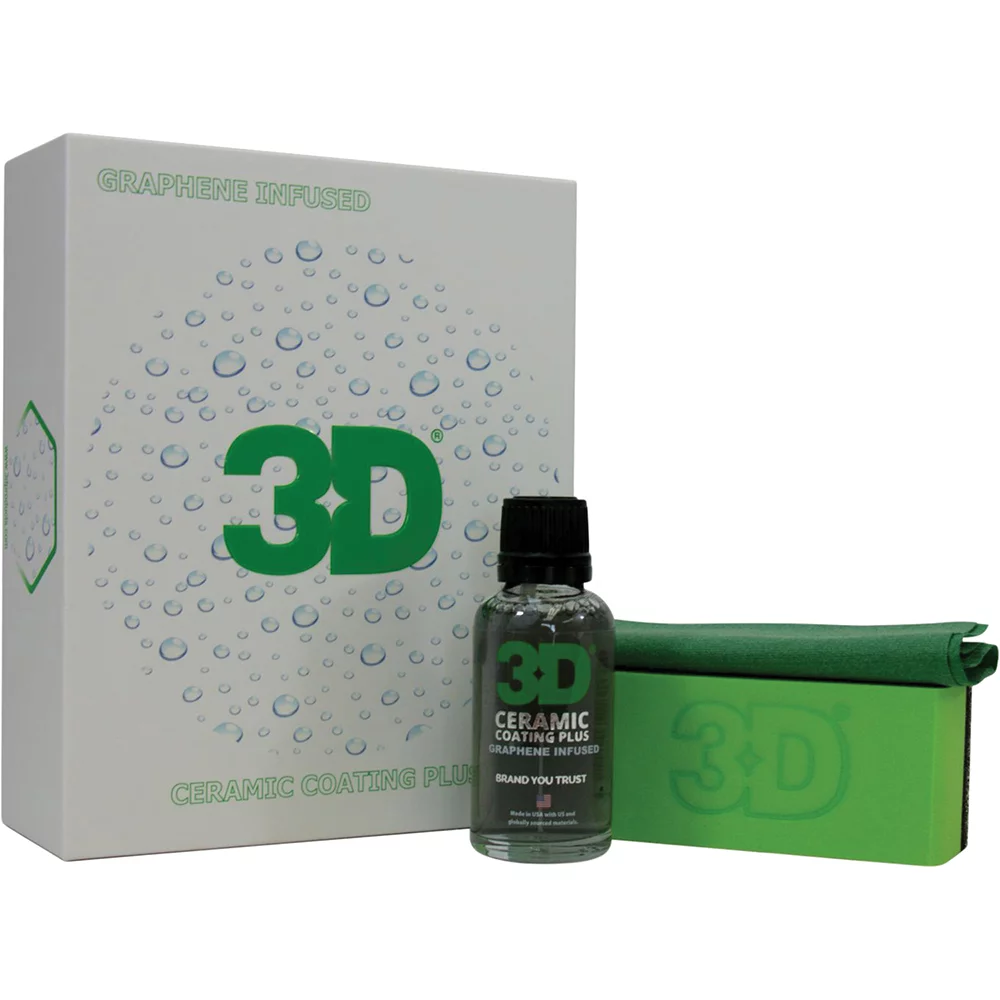
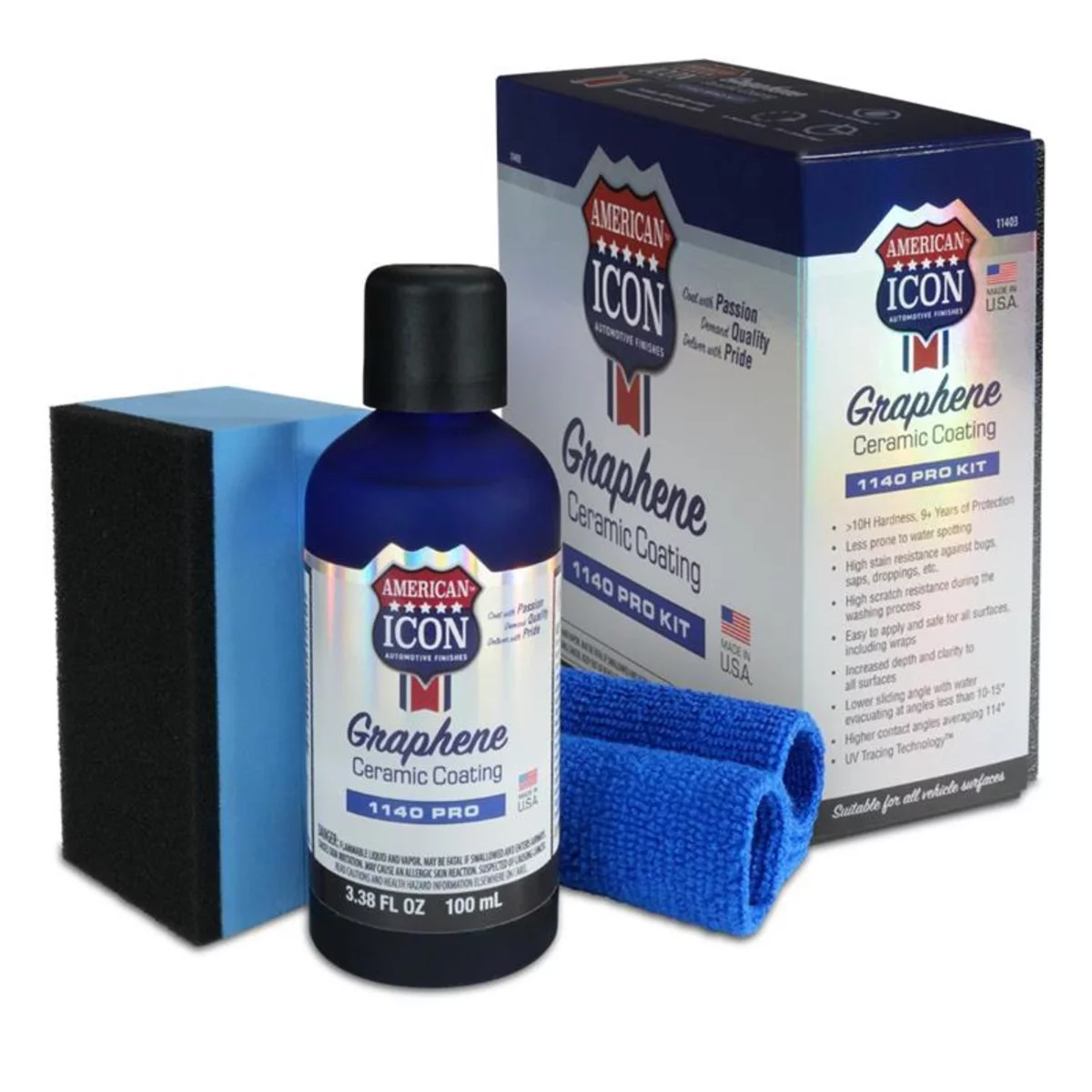
{{PRODUCT_SEARCH: ceramic coating application kit for cars}}

FAQ
How long should a real ceramic coating application take?
A proper job including wash, decontamination, paint correction, and coating application typically runs a full day minimum, often spread over two days to allow for correction and multiple coating layers. Anything finished in under an hour is not a full coating job.
Can a spray sealant ever be a reasonable option?
Yes — as a maintenance product on top of regular washing, a quality spray sealant applied every 3-6 months is a legitimate, low-cost way to maintain hydrophobic behavior and gloss. The issue isn’t the product itself, it’s charging coating-level prices for a sealant-level service.
How can I prove what was or wasn’t applied to a car after the fact?
Request the original invoice with the specific product name and lot/batch number, contact the manufacturer to confirm the dealership or technician is a listed authorized installer, and document the current paint condition with water-behavior tests and photos. Inconsistent beading, flat sheeting, or missed panels are strong evidence against a true coating claim.
What’s the difference between “ceramic coating” and “ceramic hybrid” or “paint protection package” on a service menu?
These softer terms often describe a sealant or short-lived coating hybrid rated for a handful of washes rather than years. If the service menu avoids a specific branded product name and multi-year warranty, assume it’s a sealant-tier product regardless of how it’s described verbally.
Does a ceramic coating replace regular washing?
No. Coated paint still needs regular pH-neutral hand washing to stay performing well; the coating protects the clear coat and makes contaminants easier to remove, it doesn’t eliminate the need for maintenance.
What should a customer do if they believe they were sold a sealant as a full ceramic coating?
Pull the original paperwork showing the advertised service and price, request written confirmation of the exact product and installer certification, and escalate to the coating manufacturer directly if the dealership won’t cooperate — the manufacturer can confirm whether the dealership is an authorized installer on file. A credit card chargeback or formal complaint is a reasonable next step if the dealer can’t substantiate the work performed.
Recommended Products
The right supplies make the difference between a successful coating job and a costly mistake. Browse our Paint & Body category for ceramic coating application kits, maintenance products, polishing equipment, and decontamination supplies.
- Ceramic coating application kits, applicators, and panel prep materials
- pH-neutral wash soaps and ceramic maintenance sprays
- Polishing compounds, pads, and paint correction tools

The Toolsource Technical Team blends decades of real-world automotive service experience with up-to-date technical research. Our writers collaborate with professional mechanics, shop owners, and diagnostic specialists to deliver practical, workshop-ready guidance you can trust.


Follow us on social media