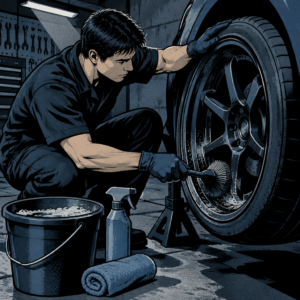
Show-Ready Shine: A Technician’s Guide to Keeping a Modified Build Looking Factory-Fresh
When a build draws comments like “killer wheels” and “looking clean,” that finish didn’t happen by accident. This guide breaks down the actual maintenance routine behind a show-ready car, from wheel barrels to paint correction to suspension checks.
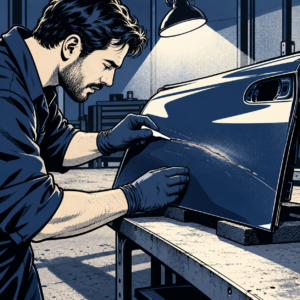
Keyed or Critter? A Technician’s Guide to Diagnosing and Repairing Deep Paint Scratches
Every shop sees it: a customer rolls in convinced “an animal” scratched their car, but the gouge tells a different story. This guide walks technicians through diagnosing scratch cause and depth, then choosing the correct repair path—without wasting materials or over-promising results.
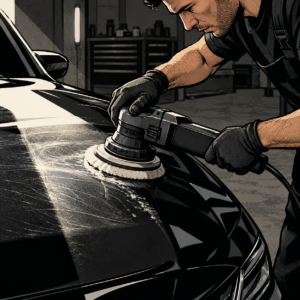
Paint Correction on Black Vehicles: Lighting, PPF Edges, and Pricing It Right
Black paint hides nothing and forgives even less — swirls, holograms, and bad PPF edges all show up the moment the sun hits the panel. Here’s a technician-level workflow for inspecting, correcting, and protecting black paint without losing money on the job.
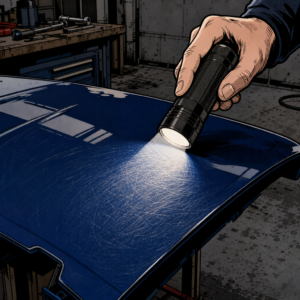
Dealership “Free Car Wash” Damage: How to Spot It, Prove It, and Stop It From Happening Again
Complimentary dealership washes are one of the most common sources of swirl marks and clear coat damage on daily-driven vehicles. Here’s how to diagnose the damage, decide whether correction is warranted, and put real safeguards in place so it doesn’t happen on the next service visit.
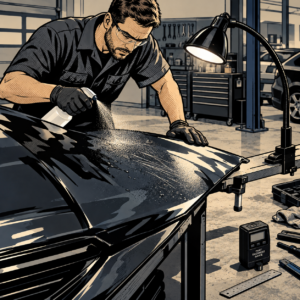
Car Wash Scratch Damage: A Technician’s Guide to Diagnosis and Repair
Automated car washes can leave customers with hundreds of fine scratches and gouges across every panel. This guide walks technicians through diagnosing the damage pattern, testing scratch depth, and deciding between buffing, clear coat renewal, and repaint — plus how to document findings for liability disputes.
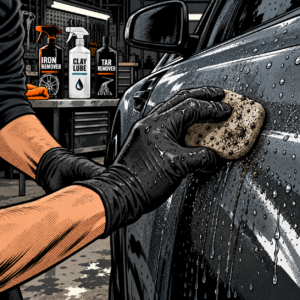
Why Your Clay Bar Is Scratching Paint (And the Decon Steps You’re Skipping)
A clay bar is a mechanical abrasive, and skipping iron decontamination or tar removal before claying is the fastest way to grind brake dust and road grime straight into clearcoat. Here’s the correct prep sequence, lubrication habits, and inspection checks that keep a clay bar from marring paint.
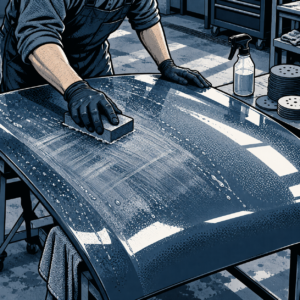
Severe Orange Peel Paint: How to Diagnose, Correct, and Prevent It
When a paint job comes out looking like bedliner, stucco, or alligator skin, the fix usually isn’t a quick buff — it’s a structured wet-sand and polish correction, or a full redo. Here’s how to tell which one you’re dealing with and how to execute the fix correctly.
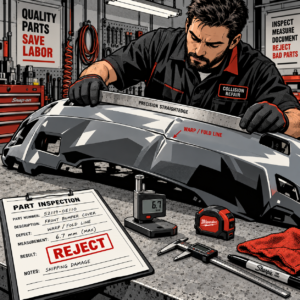
Aftermarket Bumper Quality Control: A Body Tech’s Guide to Inspection, Documentation, and Fighting for OEM
Aftermarket bumper covers show up warped, folded, or already scuffed often enough that experienced techs build a whole workflow around catching it before it eats their cycle time. This guide covers inspection steps, documentation habits, and how to push a DRP or insurer toward OEM when the parts justify it.
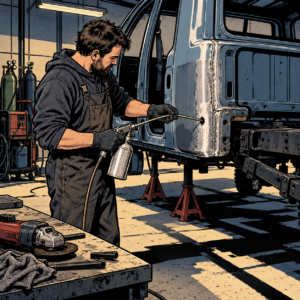
Rust Repair on Cab Corners and Rockers: A Technician’s Guide to Welding, Sealing, and Long-Term Protection
Patching rusted cab corners and rockers is only half the job — if you don’t address drainage and cavity protection, rust comes back within a few seasons. This guide covers weld prep, grinding, drain holes, and the cavity wax vs. oil debate from technicians who’ve done the job.
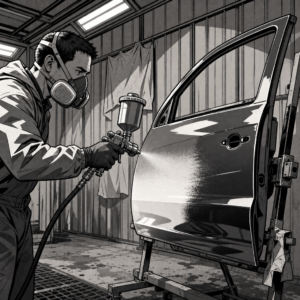
Why “It’ll Blend In Over Time” Is a Lie: How to Spot a Botched Paint Job
“Give it a week, it’ll blend in” is one of the oldest lines in mobile paint scams — and it’s physically false. Here’s how techs can diagnose a bad respray, spot the red flags of a parking-lot paint job, and execute a proper blend panel using the right tools.


Follow us on social media