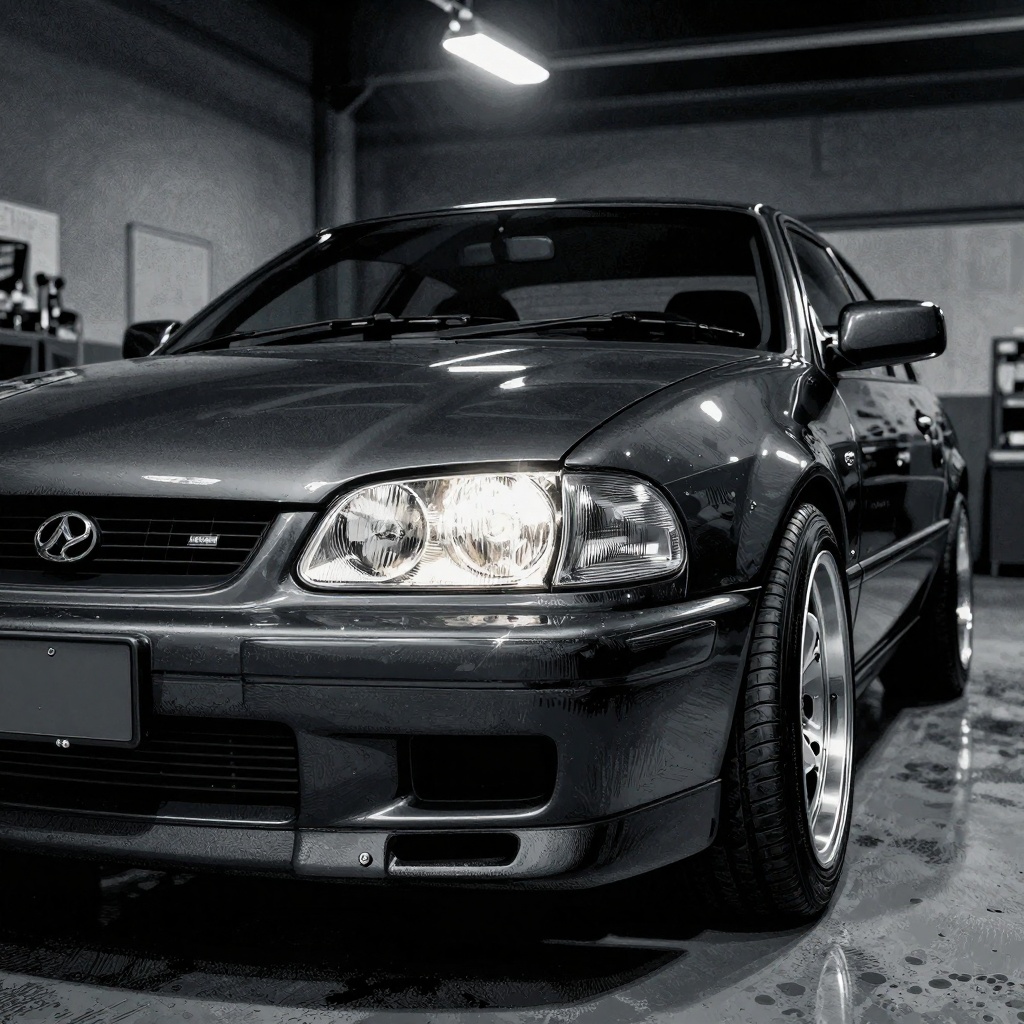
This article distills field-tested detailing workflows into clear steps you can repeat in the bay: how to lay down tire dressing without sling, how to use wheel acid to clear hard-water spotting on paint and glass without etching, and how to restore polycarbonate headlights for multi-year clarity. You’ll also find trim revival tips, safety guidance, a short prep checklist, and FAQs.
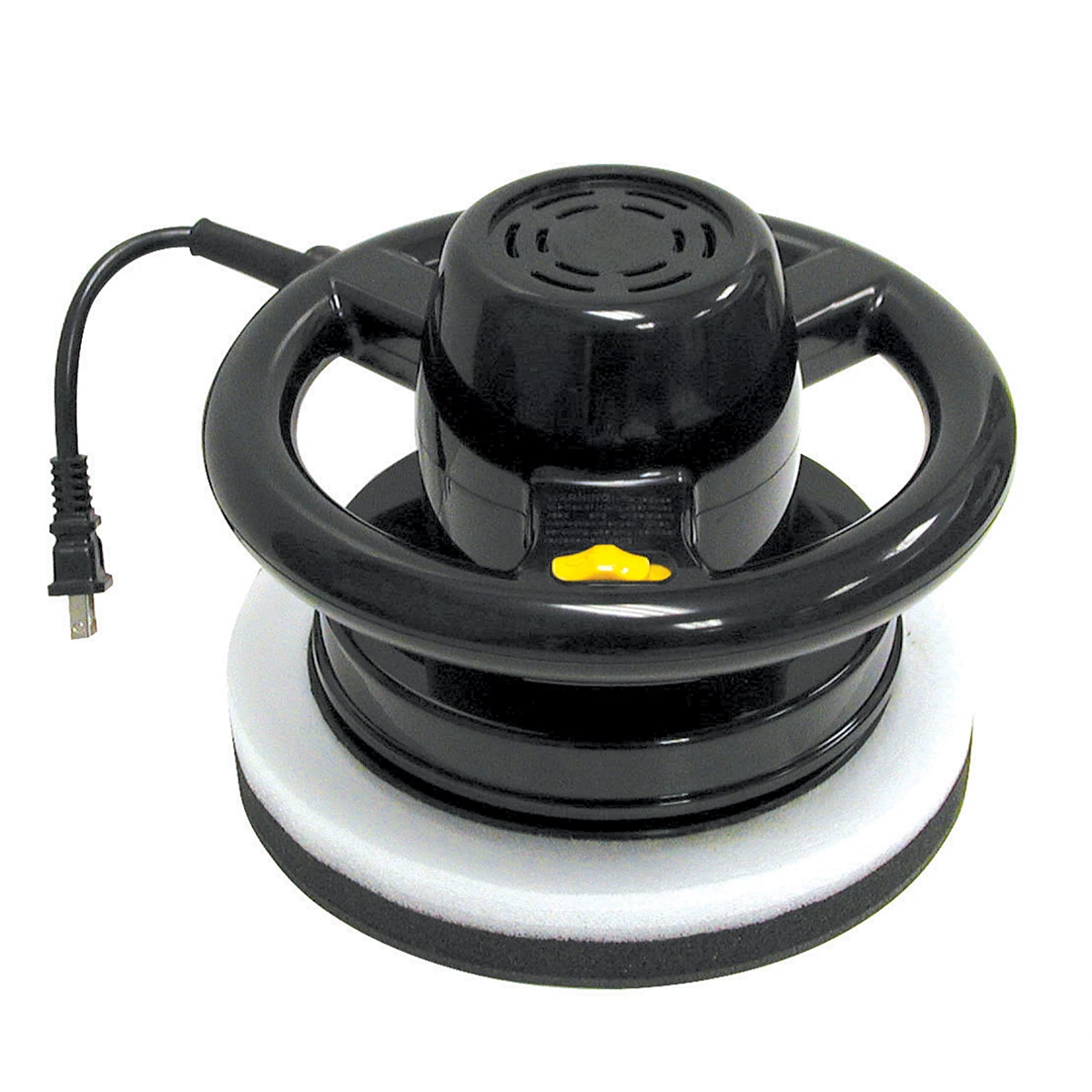
10" Random Orbit Car Polisher & Waxer - KTI10210
Mfg: K Tool International
Part #: KTI10210
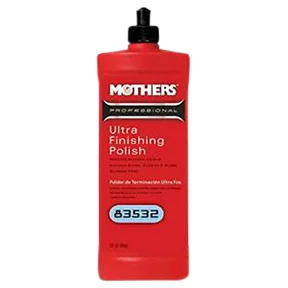
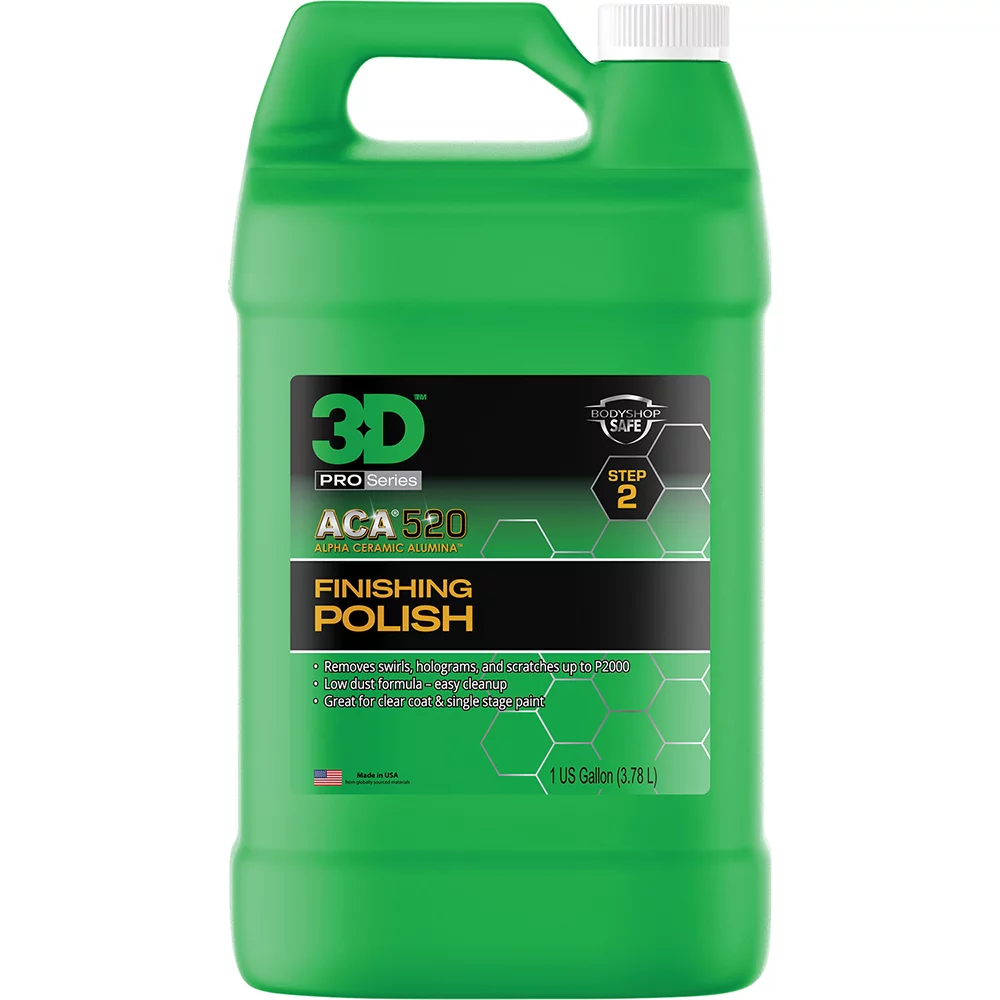
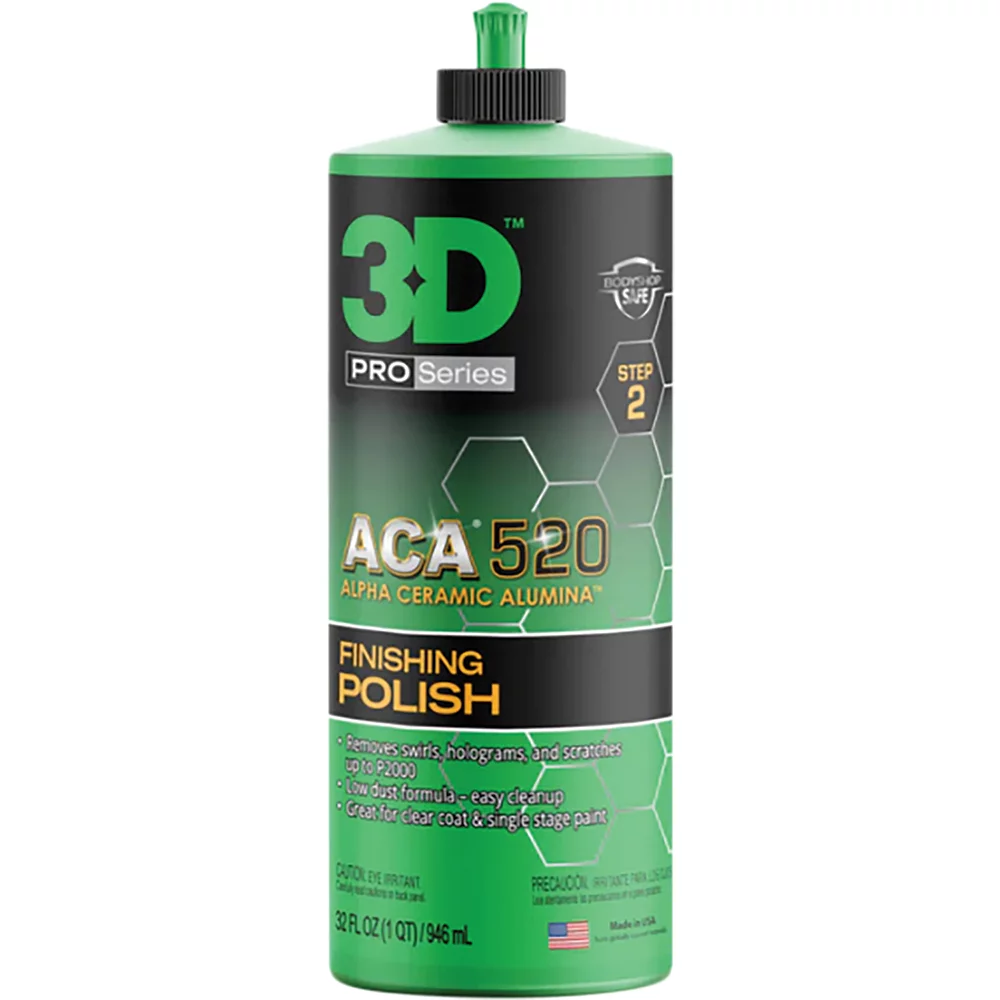
Professional Ultra Finishing Polish, 6 Case 32oz
Mfg: Mothers Wax & Polish
Part #: 83532
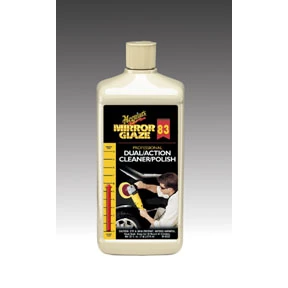
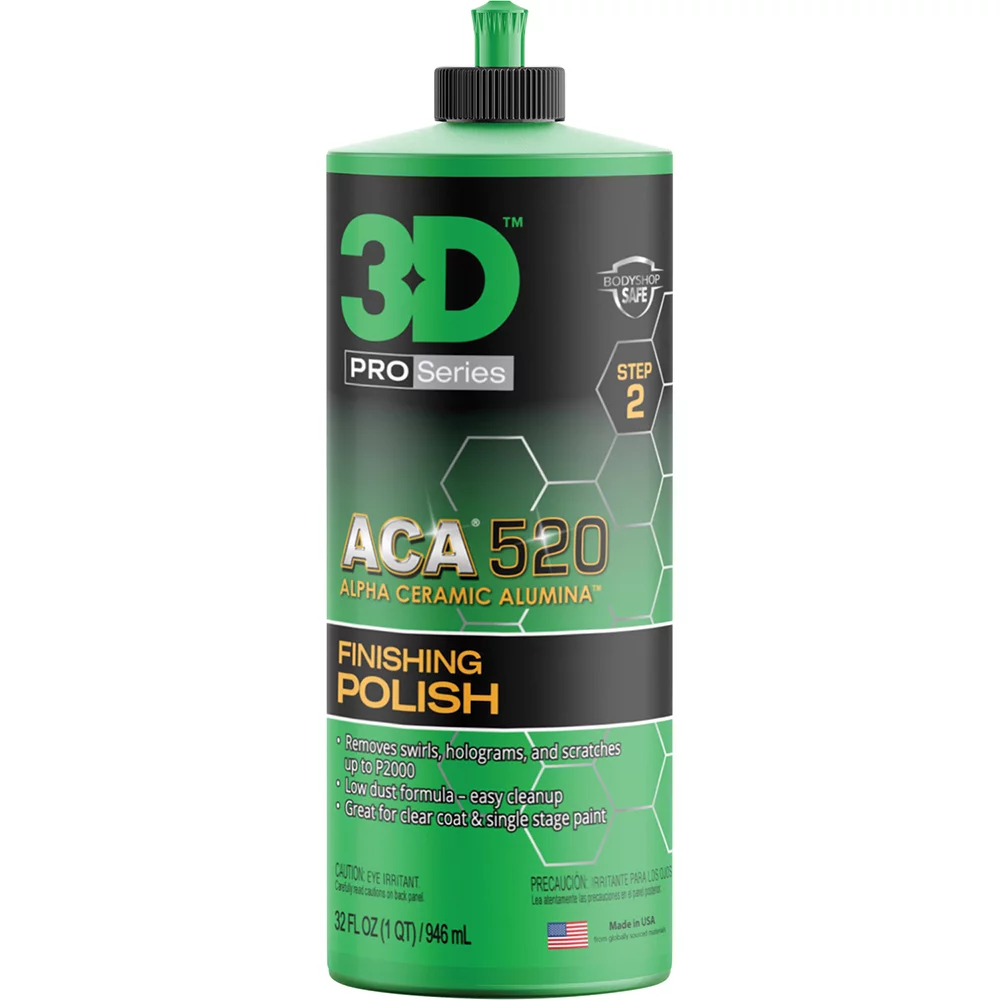
Body Shop Professional Dual Action Cleaner / Polish - 32 Oz
Mfg: Meguiars
Part #: M8332
Stop Tire Sling: Brush-Apply Tire Dressing the Right Way
Tire dressing performance depends as much on prep and application as it does on the product. Spraying directly on the sidewall wastes product and encourages sling. Instead, load the dressing on a brush and work it into the rubber for an even, bonded film.
Recommended tools and materials:
- Flag-tip tire brush (soft, dense bristles)
- Dedicated tire cleaner or APC, stiff tire scrub brush
- Tire dressing: water-based (low sling, natural sheen) or solvent/silicone-based (higher gloss)
- Optional: aerosol tire shine (if you prefer), foam applicator, microfiber towel
Process:
- Deep-clean the tire. Use a tire cleaner or APC. Scrub until the foam stops browning. Rinse thoroughly and let the sidewall dry. A clean tire is critical for dressing longevity.
- Load the brush, not the tire. Shake the dressing. Spray or dispense onto the flag-tip brush in overlapping passes (horizontal, vertical, circular) until the bristles are saturated but not dripping.
- Work it in. Massage the dressing into the sidewall texture, bead area, raised letters, and lug channel. Aim for a thin, even film—one thorough coat beats two thick coats.
- Level and de-sling. Lightly buff the sidewall with a dry foam applicator to level high spots. Wipe the wheel lip and tire tread with a clean microfiber so no product reaches the contact patch.
- Cure time. Let the tire sit 10–15 minutes before moving the vehicle. Add a second thin coat if you want more gloss, then allow additional cure time.
Notes for technicians:
- Aerosol cans can be convenient but are sensitive to temperature, orientation, and propellant loss. Store upright, keep them warm (not hot), and purge the valve after use. Consider pump sprayers or gels to avoid valve issues.
- Water-based dressings reduce sling and play nice in body-shop environments; solvent-heavy dressings build higher gloss but need more care to prevent sling.
- Always de-grease new or previously silicone-saturated tires—residual silicone dramatically reduces bonding and increases sling.
Remove Hard-Water Spots Safely With Wheel Acid (Paint, Glass, and Trim)
Mineral deposits from sprinklers and hard water leave stubborn spots that standard washes won’t touch. A controlled application of a non-HF wheel acid can dissolve the mineral load quickly—if you manage dwell time and neutralization. Do not let acid dry on any surface.
Essential gear:
- Non-hydrofluoric wheel acid (e.g., F-type acid) and accurate dilution; acid-resistant sprayer
- PPE: chemical-resistant gloves, eye protection, apron, and suitable respirator if misting
- Microfiber towels dedicated to acid work
- Neutralization/rinse: a ready-to-spray alkaline soap solution or rinseless wash at alkaline pH; fresh water rinse
- Optional: ammonia-based glass cleaner to arrest reaction on glass before full wash
Preparation:
- Pre-wash the vehicle, decontaminate, and clay as needed to remove organic film so acid reaches mineral deposits.
- Work in shade on cool panels. Early morning is best in hot weather. Never allow acid to dry.
Method A: Controlled towel application on a dry vehicle
- Dilute acid per label. Saturate a microfiber until very wet but not dripping.
- Work one panel at a time for 30–45 seconds, keeping the towel moving. Prioritize glass first while it’s cool.
- Immediately arrest and neutralize: a quick mist of ammonia-based glass cleaner can stop reaction on glass; then follow with an alkaline soap solution or a thorough rinse and an alkaline foam wash to neutralize remaining acid on paint and trim.
- Inspect. If spotting remains, repeat once. Don’t extend dwell to compensate; instead, perform a second pass.
- Finish with a contact wash and dry. If light etching remains, machine polish the affected areas.
Method B: Wet pre-wash acid bath
- After a pre-rinse, spray diluted acid from bottom to top in overlapping horizontal passes for even coverage.
- Short dwell, no drying. Keep the surface uniformly wet. Never let acid dwell in direct sun.
- Rinse thoroughly until no suds remain.
- Follow with a generous alkaline foam wash and contact wash to neutralize any residual acidity.
Critical cautions:
- Avoid the wiper sweep zone on glass—if acid dries under wiper arms, you can create permanent etch arcs.
- Do not mix acid with bleach, peroxides, or other cleaners. Use dedicated bottles and labels.
- Mask sensitive raw aluminum or fresh paint. Test an inconspicuous area first.
- If the spot has etched the clear coat, chemical removal won’t reverse it—polishing is required.
Headlight Restoration Workflow for 3–4 Years of Clarity
Modern polycarbonate lenses haze as the OEM UV layer fails. A tight sanding progression, thorough polish, and a quality UV coating can deliver multi-year results when maintained correctly.
Tools and materials:
- 3-inch drill or rotary with 3-inch backing plate and foam interface pad
- Abrasion set: 3M P500, P800, and Trizact 3000 (3-inch discs)
- Cutting compound and a fine plastic-safe polish
- Isopropyl alcohol (IPA) mix for prep
- UV headlight coating (e.g., Meguiar’s Headlight Coating) or a professional 2K clear (see note)
- Masking tape, lint-free towels, nitrile gloves
Step-by-step:
- Mask thoroughly. Protect paint, rubber, and nearby trim with quality tape. Clean the lens with APC and wipe dry.
- Assess starting grit. If the UV layer is failing but not deeply gouged, start at P800. For heavy oxidation, cracks in the UV layer, or deep pitting, start at P500 to remove defects efficiently. The goal is a uniformly matte surface free of yellowing.
- P500 (if needed). Keep the pad flat. Light to moderate pressure, low tool speed, and cross-hatch passes. Work until yellowing and deep defects are gone. Wipe and inspect under strong light.
- P800. Refine the P500 scratches. Maintain pad flatness; avoid edges to prevent gouging. Aim for an even, finer haze.
- Trizact 3000. Use the foam interface to minimize pressure waves. Mist the disc lightly for a damp finish and create a uniform slurry. Refine until the lens looks semi-transparent with very fine haze.
- Compound. Switch to a 3-inch foam or wool cutting pad. Use a plastic-safe compound, moderate pressure, and slow arm speed until clarity returns. Keep the lens cool; heat can stress polycarbonate.
- Polish. Follow with a fine polish formulated for plastics. This step pulls the last veil out and maximizes clarity.
- Prep for coating. Wipe with an IPA mix to remove oils. Ensure the lens is dry, dust-free, and at the recommended temperature.
- Coat. Lay one even, wet coat of UV headlight coating with 50% overlap and steady hand. Don’t count on the coating to hide sanding marks—those must be eliminated before coating. Allow to flash and cure per label. Keep the vehicle dry and dust-free for the first hour; avoid washing for 24 hours.
Longevity and maintenance:
- Properly restored and coated lenses commonly hold 3–4 years when the vehicle is washed correctly and not left to bake unprotected.
- Advise customers to avoid harsh chemicals on the lenses and to wash regularly. A gentle sealant or topper can help maintain beading but is not a substitute for UV coating.
About 2K clear as an option:
- Benefits: higher film build, potentially longer durability.
- Trade-offs: professional PPE required (isocyanate risk), greater overspray risk, longer masking and cure times, and more aggressive removal when it’s time to re-do.
- Many technicians prefer a removable UV coating to make future restorations simpler.
Common pitfalls:
- Expecting the coating to fill sanding scratches—finish at Trizact 3000 and polish to clarity first.
- Skipping the foam interface—pressure points lead to uneven cut and texture.
- Overheating the lens—keep speeds modest and monitor temperature.
- Contaminants under the coating—perform a meticulous IPA wipe and work in a clean area.
Quick Black Trim Revival: Dressings vs. Restorers
For quick turnarounds, a water-based trim dressing restores a clean, factory-like sheen with minimal sling risk and easy cleanup. For longer-term darkening on faded, porous plastics, use a dedicated trim restorer.
Workflow:
- Clean with APC and a soft brush. Rinse and dry thoroughly.
- For a quick boost: apply a water-based dressing with a foam applicator, then level. Reapply as needed during maintenance washes.
- For a deeper restore: use a trim restorer on fully dry plastic. Apply a thin, even coat, allow to set, and buff off residue per product instructions. Avoid contact with paint and glass; tape off if needed.
Note: Keep acid and strong solvents away from uncoated black trim; they can stain or lighten the surface.
Pricing, Timing, and Shop Workflow Tips
Time and pricing benchmarks vary by market and vehicle complexity, but these ballparks keep jobs profitable and predictable:
- Headlight restoration: 1–2 hours for most vehicles; more for complex shapes and severe damage. Pricing often ranges from a base tier for mainstream models to higher tiers for intricate housings and luxury brands.
- Water spot removal: 30–90 minutes depending on coverage and severity. Price by panel or hourly. Always inspect and disclose if polishing will be required for etched spots.
- Tire dressing: 5–10 minutes for four tires when prepped properly. Fold into exterior detail packages or offer as a finish upgrade with higher-gloss options.
Workflow tips:
- Schedule acid work early in the day when panels and glass are cool. Start with glass.
- Follow acid use with a thorough alkaline foam wash to neutralize and reset the surface.
- Restore headlights after the wash and decon phases so sanding dust doesn’t contaminate fresh coatings.
- Perform tire dressing last and allow cure time before the customer drives away.
- QC under mixed lighting: sunlight, LED, and cross-lighting reveal different defects.
Safety and Environmental Practices
Respect chemistry and protect your workspace:
- PPE: nitrile gloves, chemical splash goggles, and an appropriate respirator when atomizing acids or spraying 2K clears.
- Ventilation: work in well-ventilated bays; avoid enclosed spaces when using strong vapors.
- Neutralization: keep an alkaline soap solution handy. Never let acid dry on a surface.
- Labeling and storage: dedicate, label, and color-code bottles. Store acids in secondary containment away from oxidizers and bases. Keep aerosols upright and temperate.
- Runoff control: use mats or reclaim where required. Follow local disposal regulations for chemical waste and contaminated towels.
Quick Prep Checklist (Before You Start)
- Vehicle in shade; panels and glass cool to the touch
- Tires fully degreased and dry; dressing and brushes staged
- Acid diluted, labeled, and in an acid-resistant sprayer; PPE on
- Neutralizing soap solution mixed; rinse water available
- Headlight kit staged: tapes, discs (P500/P800/Trizact 3000), interface pad, pads, compounds, polishes, coating, IPA
- Test spot plan: smallest area first to confirm process and dwell times
FAQs
Which tire dressing type gives the best balance of shine and no sling?
Water-based dressings are the safest bet for low sling and a clean, factory finish. If higher gloss is required, a solvent/silicone-based dressing can work—just apply via brush in a thin, even film and thoroughly de-sling the bead and tread before delivery.
My aerosol tire shine cans sometimes stop spraying—how do I avoid that?
Store upright at moderate temperatures, clear the nozzle with a brief upside-down spray after use, and cap immediately. If reliability is a concern, switch to pump-spray dressings or gels and a flag-tip brush to eliminate propellant variables.
Does a UV headlight coating fill sanding marks?
No. A headlight coating protects; it doesn’t hide. Finish your abrasives through Trizact 3000, then compound and polish to clarity. Apply one even, wet coat of the coating over a flawless lens for best longevity.
Can I use 2K clear instead of a headlight coating?
Yes, but it requires isocyanate-rated PPE, stricter masking, and adds removal difficulty later. Many shops use a removable UV coating to simplify future restorations while still achieving multi-year protection.
How do I prevent etching when using wheel acid for water spots?
Work cool panels in shade, short controlled dwell (30–45 seconds), keep surfaces wet, and never allow drying. Arrest the reaction promptly (glass cleaner can stop action on glass) and follow with an alkaline wash to neutralize. Avoid the wiper sweep zone and rinse thoroughly.
Will water spot removal be permanent?
Yes for mineral deposits—once dissolved and neutralized, they’re gone. If the minerals etched the clear coat or glass, you’ll need mechanical correction (polishing) to remove the etch.
Shop Detailing Tools & Supplies
Outfit your bay for tire dressing, water-spot removal, and headlight restoration with tools and chemicals from our detailing category.
- Tire brushes, foam applicators, and water-based or solvent dressings
- Acid-resistant sprayers, PPE, and alkaline soaps for neutralizing
- 3-inch sanding discs, interface pads, compounds, polishes, and UV coatings

The Toolsource Technical Team blends decades of real-world automotive service experience with up-to-date technical research. Our writers collaborate with professional mechanics, shop owners, and diagnostic specialists to deliver practical, workshop-ready guidance you can trust.


Follow us on social media