Painter compensation varies widely by market, shop model, and how well hours are written and captured. If your take-home doesn\u2019t match your skills, the fastest way to change it is to quantify your value, benchmark local rates, capture all billable operations, and present a clear business case to your manager or owner. This guide provides practical steps, formulas, and tools to help you understand flat rate versus hourly, calculate your true effective pay, improve flaggable hours, negotiate compensation, and protect your long-term health in the booth.


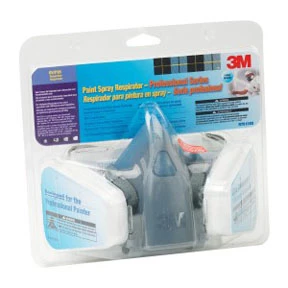
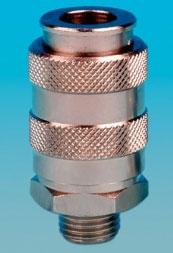
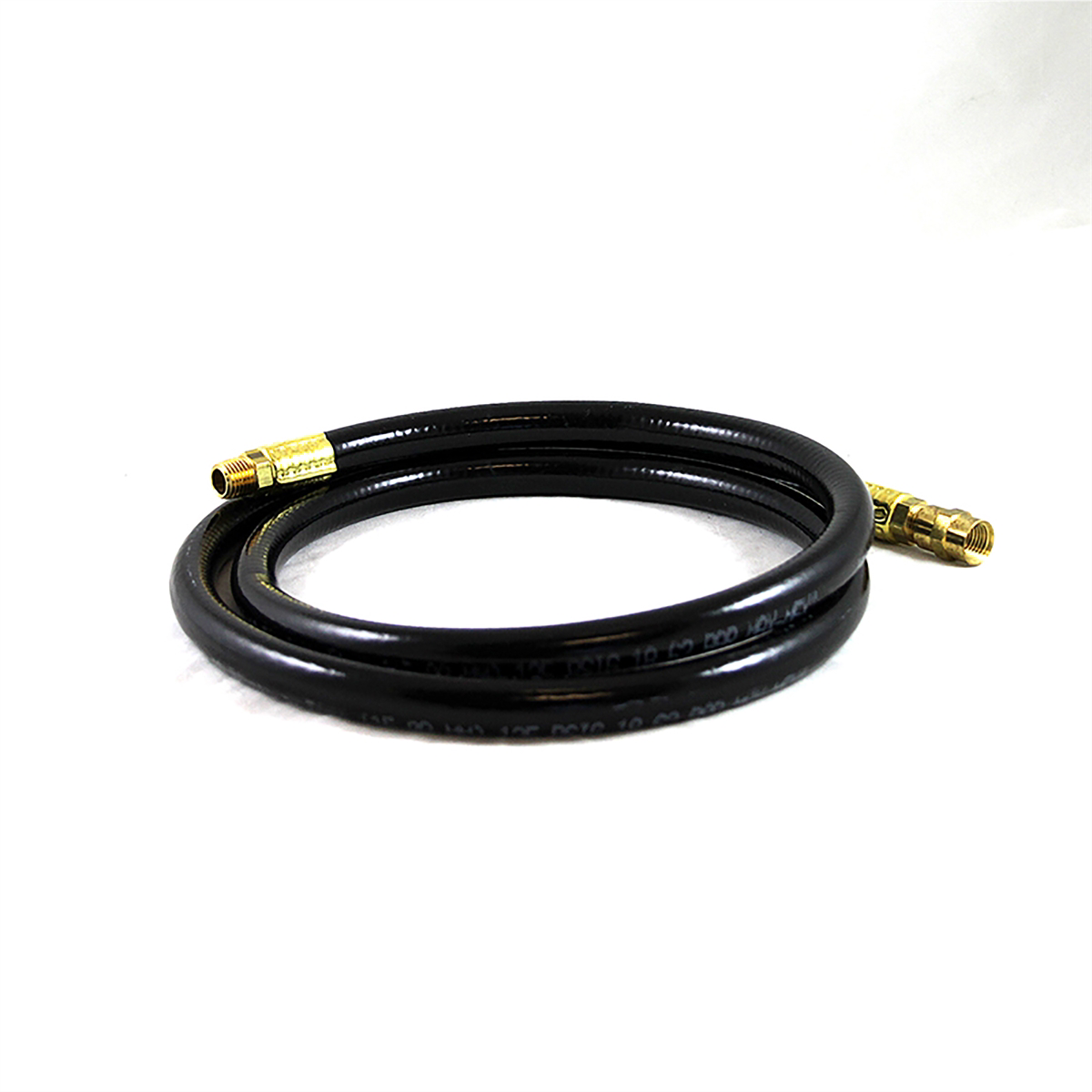
Booth Kit 3/8 ID 5' Length FullFace & Half Mask SAR System
Mfg: SAS Safety Corp
Part #: 9700-56

Understand the compensation models and what drives them
Painter pay typically falls into one of four structures. Knowing how each works helps you calculate the real number you should be targeting.
- Hourly (clock time): A fixed rate for each hour worked. Pros: predictable income, paid for administrative/slow periods. Cons: limited upside if you can move more work than the clock allows.
- Flat rate (flagged hours): You earn a set rate per labor hour written on the repair order (RO). Your flagged hours can exceed your clocked hours, creating upside. The risk is on you if the estimate underwrites painter time.
- Percentage of shop rate: You earn a percentage of the posted paint/refinish labor rate. Example: 40% of a $100/h shop rate pays $40 per refinish hour. Clarify whether you or the shop covers the prepper.
- Hybrid: A lower base hourly plus a productivity bonus for flagged hours above a threshold.
Key drivers that influence painter compensation and throughput:
- Shop labor rate: Lower posted rates cap the pie. High-rate markets (or premium/restoration shops) can support higher painter pay.
- Mix of work: Insurance DRP collision emphasizes cycle time and standard ops; restorations/customs are slower but can command higher margins; RV, fleet, and commercial can differ again.
- Estimator discipline: If blend, tint, three-stage, matte clear, bagging, edge/jamb, and multi-tone ops aren\u2019t written, your flagged hours suffer.
- Support staff: A reliable prepper and parts support drastically improve booth cycles and quality.
- Certifications and outcomes: OEM/I-CAR credentials, clean color matches, low rework, and high utilization strengthen your negotiating position.
Market reference points you can verify:
- Government data: The U.S. Bureau of Labor Statistics reports median pay for painting/coating workers; treat it as a baseline. Local collision painter earnings can exceed general painting averages.
- Job postings: Review competing shop listings in your metro (collision networks and independents) for hourly, flat-rate, or percentage offers.
- Local shop labor rates: Call or check posted rates for refinish. Your target painter rate often scales with this number.
Calculate your real earnings: flat rate, hourly, and percentage models
Use these formulas and examples to assess what you\u2019re truly making, compare offers, and set targets.
1) Flat rate (flag) effective hourly
Formula: Effective Hourly = (Flat Rate x Flagged Hours) \u00F7 Clocked Hours
Example: You\u2019re paid $25/FRH and flag 72 hours while clocking 40. Effective hourly = (25 x 72) \u00F7 40 = $45/hour. Weekly pay = $1,800.
Sensitivity: If estimating doesn\u2019t include tint, matte clear, or proper blends, you might only flag 50 hours. Then (25 x 50) \u00F7 40 = $31.25/hour. Your process and how ROs are written matter as much as your spray technique.
2) Percentage of shop rate
Formula: Painter Rate = Shop Paint Labor Rate x Percentage
Example: Shop paint rate = $95/h; your share = 40%. Painter rate = $38/FRH. If you flag 70 hours on a 40-hour clock, weekly pay = 70 x 38 = $2,660. Effective hourly = 2,660 \u00F7 40 = $66.50/h.
Clarify whether the prepper is paid by the shop or out of your percentage. If it\u2019s out of your share, subtract prepper cost to find your net.
3) Hourly
Formula: Weekly Pay = Hourly Rate x Clocked Hours. Upside is limited, but pay is stable during parts delays, supplements, or low car count weeks. Consider hourly plus a productivity bonus if you\u2019re consistently outpacing the clock.
4) Annualized view
Multiply weekly pay by 50 (not 52) to account for holidays and downtime, or use your actual paid weeks. This helps you compare against regional averages and assess long-term goals.
Benchmark your market with verifiable data
Create a simple one-page market snapshot you can bring to your review. Update it quarterly.
- Pull public data: Check the Bureau of Labor Statistics for baseline painter wages in your state. Note: collision refinish specialists often trend higher than general painting categories.
- Gather local postings: Search \”automotive painter\” and \”refinish technician\” on job boards. Capture offered rates, pay structures, and benefits. Take screenshots with dates.
- Call competitor shops: Ask politely about their posted paint labor rate and whether they are hiring. Record the rate, pay structure, % of shop rate if applicable, and expectations (prepper provided, certifications required).
- Note shop type: DRP production, independent family-owned, premium restoration, fleet/RV. Pay bands and work tempo differ.
- Adjust for cost of living: Use a COL index to normalize numbers when comparing across towns or states.
- Document your credentials: List I-CAR completions, OEM approvals, product trainings (e.g., waterborne systems), and key outcomes (first-pass yield, rework rate, cycle time).
The result: a concise snapshot that pairs external pay ranges with your internal performance. This is the foundation of a strong negotiation.
Build your business case and negotiate a fair structure
Owners respond to clear numbers. Prepare a 90-day report and propose a structure that aligns your outcomes with shop profitability.
- Show your production: For the last 90 days, summarize flagged hours per week, effective hourly, first-pass yield, and comebacks (goal: near-zero refinish comebacks). Include photos of complex blends, tri-coats, and two-tones completed on time.
- Quantify throughput: How many booth cycles per day? What percent of your time is spent waiting on parts, approvals, or masking? Identify bottlenecks with remedies (e.g., add a prepper half-shift to eliminate idle time between cycles).
- Expose missed billables: Audit 10 recent ROs. Highlight where blend, tint, matte clear, bagging, or jamb ops weren\u2019t written. Estimate the lost hours and propose adding P-page supported lines and documentation.
- Propose a pay model: Options include a higher flat rate, a percentage of shop rate (with clear prepper terms), or a tiered plan (e.g., $X/FRH up to 60 hours, $X+3/FRH at 60-80, $X+5/FRH above 80). Attach your market snapshot and a simple ROI: \”Capture 8 more painter ops/week at $95/h = +$760 revenue; at 40% share, my pay increases $304 while the shop nets $456.\”
- Define review cadence: Suggest a 60- or 90-day check-in to validate results and adjust.
- Know your walk-away: If an offer sits well below market and isn\u2019t tied to measurable improvements, be prepared to explore shops that pay your worth.
Capture billable operations to boost flagged hours (without cutting corners)
Estimating systems often undercount painter time unless line items are explicitly added. Partner with your estimator and document everything.
- Blend panels: Ensure blends are written for adjacent panels following OEM/P-page guidance. Include inner edges where applicable.
- Tint and spray-outs: Log spray-out cards and tint adjustments. Add a line for tint time that aligns with insurer guidelines and internal policy.
- Three-stage and two-tone: Separate base, mid-coat, and clear where required. Write additional masking time for color breaks and two-tones.
- Matte/satin clear: Some finishes require separate products and technique. Add materials and time, and note the finish requirement on the RO.
- Masking and bagging: Include bagging time for full-vehicle protection, engine bay/compartment protection, and jamb masking where needed.
- Edge/jamb/refinish of add-on parts: Write for refinishing grills/trim if color-specific, and separately for off-vehicle parts as required.
- Documentation: Take in-process photos of complex masking, color chips, and spray-outs. Attach them to supplements for approval.
Tip: Create a painter\u2019s estimating checklist and keep it at the mix bench. When a car arrives, review the RO with the estimator and circle missing operations before work starts.
Throughput and quality: run your booth like a production line
High earners minimize non-spray time and rework while keeping finish quality tight. Focus on repeatable process controls.
- Standardize prep: Use a written prep checklist (clean, de-nib, final sand grit, solvent wipe, tack order). Pre-stage abrasives, wipes, and solvents to reduce walk time.
- Stage materials: Keep color-matched cups, strainers, and gun tips laid out by job. Label PPS cups with RO and panel list.
- Minimize changeover: Dedicate one gun to base, one to clear. Keep a second clear gun ready to avoid downtime mid-cycle.
- Booth cycles: Map your day by cycles, not cars. For example, a two-booth shop might target five to six cycles total by staggering flash and bake windows.
- Environmental control: Verify booth temperature, humidity, and pressure before each cycle. Replace filters on schedule and log it. Use hygrometers and thermometers at eye level.
- Defect prevention: Use lint-free wipes, antistatic tack cloths on plastics, and proper gun distance/overlap. Measure film build with a gauge when possible.
- Drying acceleration: IR curing on plastics and edges can reduce handling time without compromising finish.
- Gun maintenance: Use a gun washer or consistent cleaning protocol. Inspect needles/nozzles daily; replace worn seals to maintain pattern integrity.
Measure what matters: first-pass yield, rework rate, booth utilization, and average flagged hours per clock hour. Bring these numbers to each review.
Health and safety: protect yourself for the long haul
Two-component urethanes and many automotive refinish materials can contain isocyanates and solvents that require strict controls. Rely on standards, not improvisation.
- Respiratory protection: For isocyanate-containing 2K products, a supplied-air respirator is widely recommended by manufacturers and safety agencies. If your employer\u2019s program allows air-purifying respirators, use NIOSH-approved organic vapor/P100 combination cartridges, follow a change-out schedule based on usage and environment, and complete medical clearance and fit testing.
- Fit and seal: Perform a user seal check every donning. Facial hair compromises seals; use a hooded supplied-air system if needed.
- Skin and eye protection: Chemical-resistant gloves, paint suits with hoods, and eye protection in the mix room reduce exposure and contamination.
- Ventilation: Confirm booth airflow and pressure. Keep doors closed during spray, and avoid makeshift ventilation setups.
- SDS and training: Read Safety Data Sheets for each product. Follow manufacturer PPE guidance and bake/flash parameters.
- Solvent handling: Use closed gun washers and lidded waste containers. Avoid skin contact and vapor build-up.
Healthy painters have longer careers and better leverage. Make PPE part of your compensation discussion if you\u2019re introducing or upgrading supplied-air systems.
Quick checklist: your 10-minute weekly pay audit
- Log clocked hours, flagged hours, and effective hourly (or percentage) for the week.
- Note missed line items (blend, tint, two-tone, matte clear, bagging). Submit supplements promptly.
- Count booth cycles and idle time sources (waiting on parts/approvals/masking).
- Track rework/comebacks (root cause and fix). Goal: keep near zero.
- Capture photos of complex masking and spray-outs to support future estimating.
- Update your market snapshot with any new job postings or shop rate changes.
- Identify one process improvement for next week (e.g., add a second clear gun, standardize tack sequence).
FAQs
Is $20/hour fair for an automotive painter?
It depends on your market, role, and pay model. For a new prepper or trainee in a lower-rate market, $20/hour can be a starting point. For a lead painter producing consistent, high-quality results, many markets support mid-20s to mid-30s per flat hour (or a percentage of shop rate) when estimates are written correctly and throughput is strong. Always compare against local postings, shop labor rates, and your documented performance.
How do I translate flat rate into real earnings?
Multiply your flat rate by flagged hours, then divide by clocked hours to get effective hourly. Example: $28/FRH x 68 flagged hours = $1,904. If you clocked 40 hours, your effective hourly is $47.60. Track this weekly and trend it month to month.
What percentage of shop rate is reasonable for a painter?
Shops vary by model and overhead, but historically 35%\u201350% of the posted refinish labor rate is common. Clarify whether the shop or the painter covers the prepper, and what percentage applies to all painter operations (including blends, tint, and jambs). A lower percentage with shop-covered prep may net similarly to a higher percentage where you pay the prepper.
How many vehicles or cycles per day are realistic?
Think in booth cycles. With solid prep support, a two-booth operation can often run five to six cycles per day across multiple jobs (not necessarily full-car repaints). Factors include job complexity, flash times, bake schedules, and materials. Track your own baseline and set targets that don\u2019t compromise quality.
What if estimating systems under-time painter operations?
Use the P-pages for your estimating platform, document spray-outs and tint work, and add separate lines for three-stage, two-tone, matte/satin clear, bagging, and jambs. Photograph complex masking and finish requirements and submit supplements with clear notes. Align with your estimator before work begins to avoid surprises.
Which credentials help me earn more?
I-CAR coursework, OEM certifications (brand-specific refinishing procedures), waterborne system training, and documented outcomes (high first-pass yield, low rework, strong cycle time) all support higher pay. Leadership in standardizing process and mentoring preppers/prep techs also adds measurable shop value.
Recommended Tools
Shop Paint and Body tools here
- Respiratory protection for 2K isocyanate work
- Spray guns, PPS cups, and gun washers
- IR curing lamps, hygrometers, and film build gauges

The Toolsource Technical Team blends decades of real-world automotive service experience with up-to-date technical research. Our writers collaborate with professional mechanics, shop owners, and diagnostic specialists to deliver practical, workshop-ready guidance you can trust.


Follow us on social media