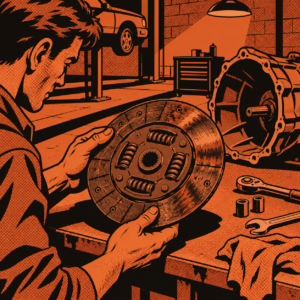
Manual vs. Automatic vs. CVT: What Techs Actually See From Daily-Driver Wear Patterns
The manual-vs-automatic debate isn’t just an internet argument — it shows up on the lift as distinct wear patterns, fluid service needs, and diagnostic codes. Here’s what techs should actually inspect for and tell customers based on how they drive.
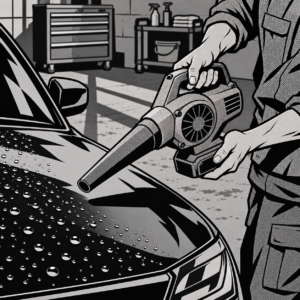
Water Spots on Ceramic Coating: Why Beading Isn’t Always Good News (And How to Fix It)
Beading water on a ceramic-coated car looks great, but left to sit and dry it can etch permanent water spots into the coating. Here’s the technician-level breakdown of why that happens, how to dry a coated vehicle correctly, and when polishing and recoating is the only fix.
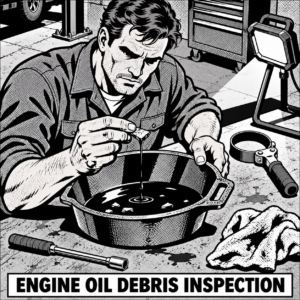
Metal Debris in the Oil Pan: A Technician’s Guide to Diagnosing the Source
Metal debris in an oil pan can mean anything from harmless factory casting flash to a bottom-end that’s about to let go. This guide walks through the magnet test, visual ID clues, and the follow-up checks that separate a non-issue from a ticking time bomb.
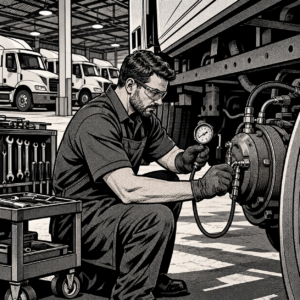
Dealership Burnout: Career Paths for Technicians Who Love Wrenching But Hate the Job
Plenty of techs don’t hate turning wrenches — they hate flat rate, warranty pay, and difficult customers. This guide breaks down the career lanes experienced technicians are actually moving into, the skills that transfer, and how to vet a new shop before you give notice.
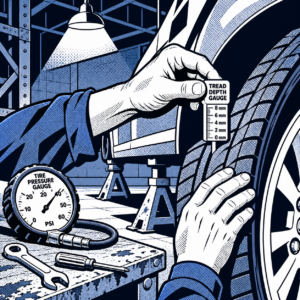
I-95 Gridlock vs. the Scenic Route: A Technician’s Guide to Smarter Long-Distance Road Trip Planning
Drivers who regularly run the Carolinas-to-Pennsylvania corridor consistently steer away from I-95 near DC in favor of I-81 through Virginia and West Virginia. Here’s how to plan the route, prep your vehicle, and pack the right gear before a long highway drive.
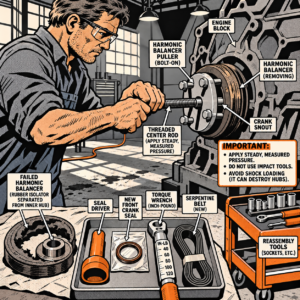
Wobbling Harmonic Balancer: Why It’s an Emergency and How to Fix It Right
A harmonic balancer that’s visibly wobbling isn’t a “drive it a little longer” problem — it’s a spinning hazard that can take out your radiator, belt, hoses, or crankshaft in seconds. Here’s how techs diagnose the failure mode, what tools the job actually requires, and how to replace it correctly the first time.
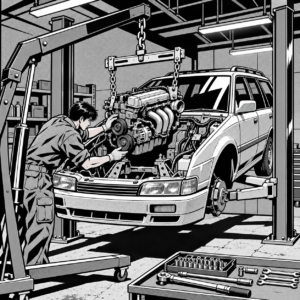
Working on Classic Japanese Wagons: A Shop Guide to Swaps, Suspension, and Safe Service
Classic Japanese wagons—Camry, Corolla, Celica, Tercel—are showing up in shops more often for engine swaps, suspension upgrades, and drivetrain conversions. This guide covers the bay setup, tooling, and safety steps technicians need to handle these jobs correctly.
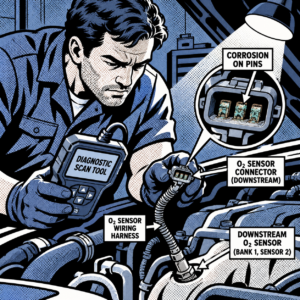
Cat Converter vs. Timing Chain: How to Actually Diagnose P2096, O2 Codes, and a P0014 Before You Approve a Big-Ticket Repair
When a scan turns up a post-catalyst lean code, a downstream O2 sensor code, and a cam timing fault, it’s tempting to condemn the catalytic converter and the timing chain in one visit. Here’s how to actually trace the fault path, verify each component, and avoid paying for parts that were never the problem.
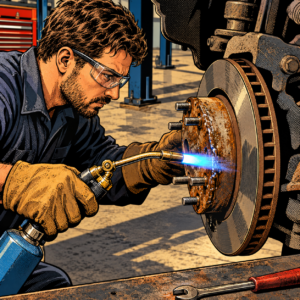
Freeing Seized Rotors and Rusted Brake Hardware Without Breaking the Car
Rust-locked rotors and corroded caliper hardware turn routine brake jobs into hour-long fights, especially outside the Sun Belt. Here’s how techs free stuck parts without breaking wheel bearings or eating the labor loss.
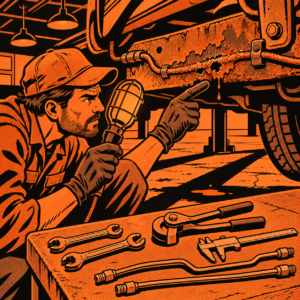
Rotted Brake Lines: How to Spot Them, What They Cost to Fix, and Why You Can’t Drive on Them
A rusted-through brake line isn’t a “top off the fluid and go” problem — it’s a full loss of hydraulic pressure waiting to happen. Here’s how technicians diagnose rotted brake lines, what drives repair costs up, and how to do the job safely if you’re tackling it yourself.


Follow us on social media