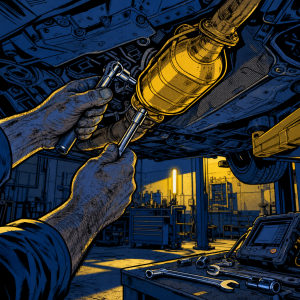
Change Catalytic Converter: DIY Guide to Save $2,000+
Dealership quotes of $3,500 to change catalytic converter often include 3-5x markup over actual parts and labor costs. This guide covers diagnostic verification to confirm you actually need replacement, bolt-on vs. welded DIY installation methods, parts sourcing strategies comparing OEM ($600-1,200) to aftermarket ($150-400) options, and the hidden cost factors separating legitimate repairs from overpriced upselling.
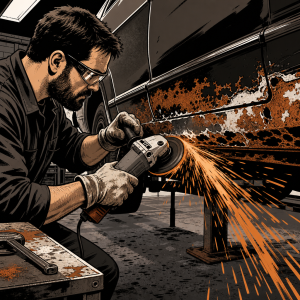
Rocker Panel Rust and Inspection Failures: A Technician’s Guide to Real Repairs
Rocker panel rust-through is one of the most common state inspection failures, and it’s often more than cosmetic on unibody vehicles. This guide walks technicians and DIYers through proper assessment, patch repair, and replacement options — plus why spray foam and duct tape are not the answer.
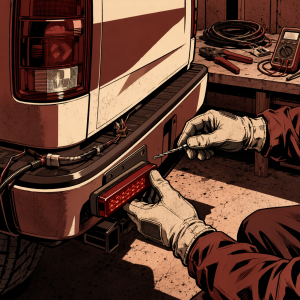
Why Technicians Are Installing Extra Brake Lights on Their Vehicles
As distracted driving incidents continue to rise, automotive technicians are taking matters into their own hands by installing extra brake lights on their personal vehicles. This practical guide covers why this modification is becoming essential and how to properly install additional brake lighting systems for maximum visibility.
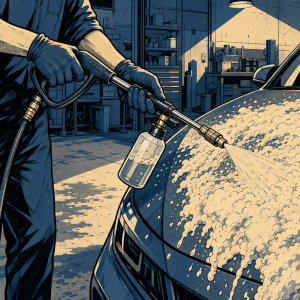
Why Your Foam Cannon Isn’t Producing Thick Foam (And How to Fix It)
Most “bad” foam cannons aren’t actually bad — they’re mismatched to the wrong nozzle orifice, soap dilution, or pressure washer GPM. This guide walks through the fixes technicians and detailers actually use to get shaving-cream-thick foam every time.
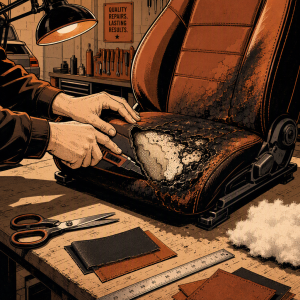
Battery Fire Burned Your Car Seat? Here’s How to Repair or Replace It the Right Way
A cheap phone charger or power bank can turn into a lithium battery fire in seconds, leaving a melted hole in the seat cushion and a smell that won’t quit. Here’s how technicians assess the damage, decide between a patch, cushion swap, or full seat replacement, and eliminate the odor for good.
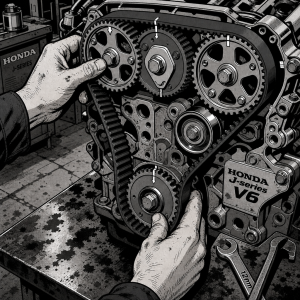
Honda J-Series Timing Belt Jobs: How to Avoid (and Fix) a Tooth-Off Cam Timing Mistake
Honda J-series (V6) timing belt jobs have a reputation for punishing rushed work — cam gears that shift a tooth during belt install are the most common mistake techs report. This guide walks through prep, routing order, a widely used crank-positioning trick, and the verification steps that catch errors before they become bent valves.
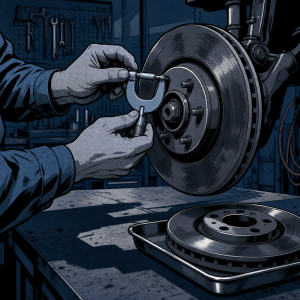
Brake Pads vs. Rotors: When You Can Replace Just the Pads (and When You Can’t)
Replacing brake pads without rotors—the “pad slap”—can work if you know what to measure and inspect. This guide covers rotor thickness specs, surface condition checks, and the practical criteria mechanics use to determine whether rotors can survive another pad cycle or need replacement.
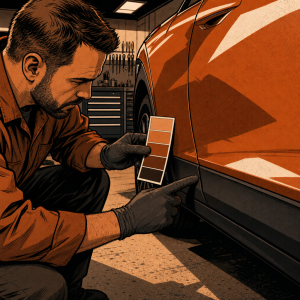
Panel Color Mismatch After a Repair: A Tech’s Guide to Diagnosing and Fixing It
Customers will spot a slightly-off rocker panel or bumper cover before you do — or argue with you that it’s fine when it isn’t. Here’s a practical, step-by-step approach to diagnosing color mismatch, deciding whether to blend, and getting a repaint closer to factory without opening up a bigger can of worms.
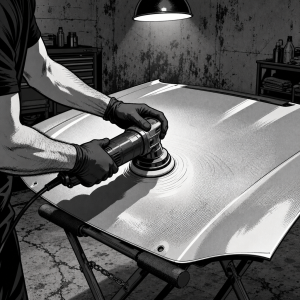
DIY Paint Correction: A Technician’s Guide to Removing Swirls Without Wrecking Your Clear Coat
Swirl marks and light scratches don’t require a body shop visit — just the right process. This guide walks through assessing damage, prepping the car, running a dual-action polisher safely, and protecting the finish afterward.
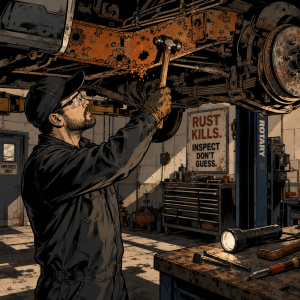
Rust Inspection 101: How Technicians Separate Surface Corrosion from a Total Loss
When a customer rolls in with a rust-belt vehicle, the difference between a quick repair estimate and a “get this off my lift” conversation comes down to a systematic inspection. Here’s how to check frame, suspension, and driveline rust like a pro before you commit shop time to it.


Follow us on social media