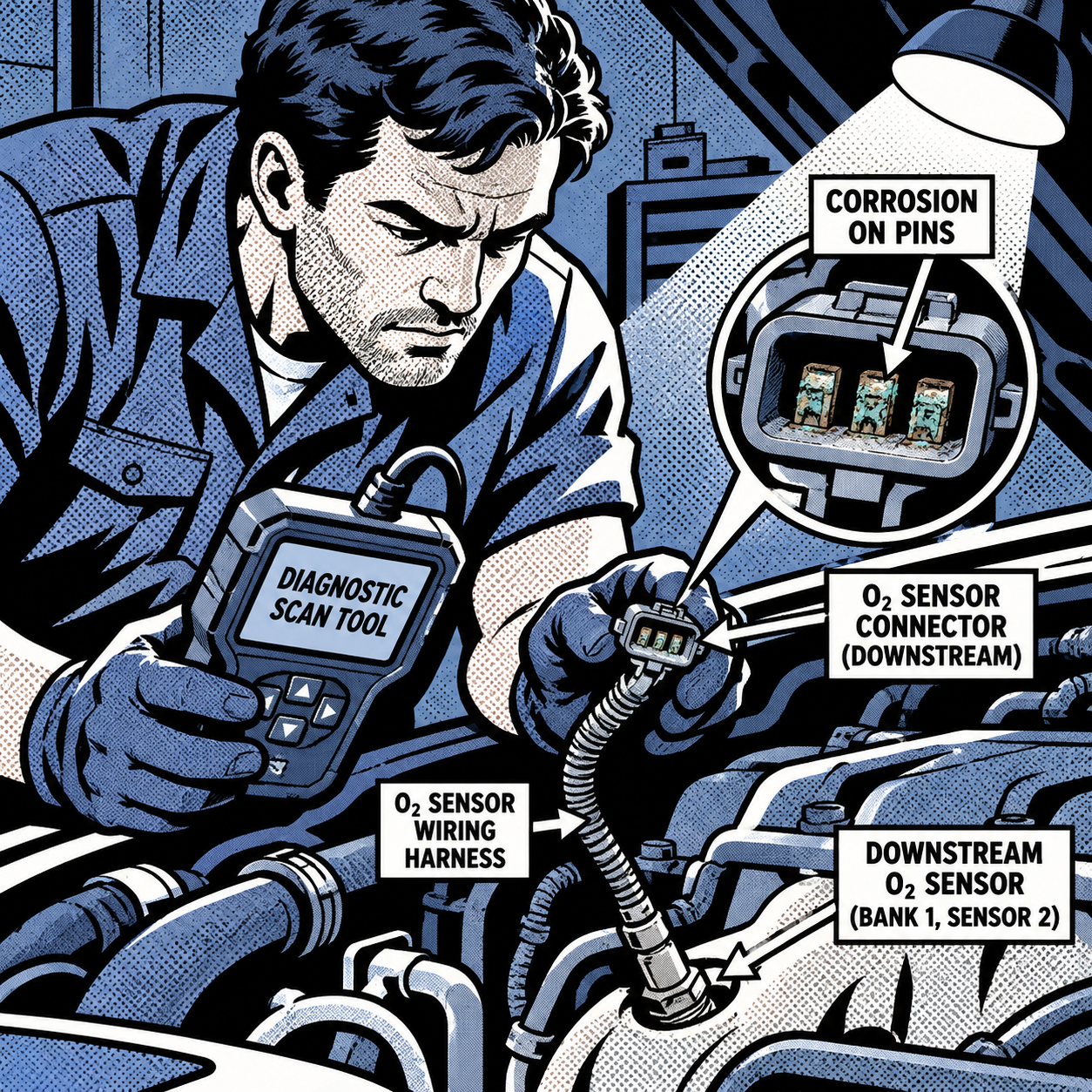
A scan tool pulls five codes: a downstream O2 sensor circuit code, a post-catalyst-too-lean code, and a cam timing code. The write-up on the counter says “catalytic converter affected the timing chain, plus axles and brakes.” That sentence alone should stop any technician in their tracks — a catalytic converter sitting downstream in the exhaust has no mechanical or electrical connection to a timing chain spinning the camshafts up front. Conflating the two isn’t a diagnosis, it’s a guess dressed up as one. Here’s how to work the actual fault path, component by component, before anyone signs off on a four-figure repair bill.
Read the Codes for What They Actually Say
Start by separating history codes from current codes. A code that’s stored but not active tells you a condition existed at some point, not that it’s happening right now. In a case like this, you’ll typically see:
A circuit code on Bank 1 Sensor 2 (the downstream O2 sensor) — this points to a sensor, connector, or wiring problem, not a cat failure by itself. A post-catalyst-too-lean code (P2096) — this can be set by a genuinely inefficient catalyst, but it can just as easily be set by a dead or intermittent downstream O2 sensor reporting a false lean signal, or by unmetered air entering anywhere downstream of the MAF (a loose boot, cracked intake tubing, or an exhaust leak ahead of the sensor). And a cam timing code such as P0014 (exhaust cam over-advanced) — this is almost always an oil control valve (OCV) screen, oil condition, or VVT actuator issue, not chain stretch.
The tell that chain stretch is actually involved is a cam/crank correlation code — P0016 or P0017. If those aren’t present, nothing on the scan supports a stretched chain. Note also whether a P0420 or P0430 (catalyst efficiency below threshold) is present. If it isn’t, there’s no code on the sheet that actually says “the cat is bad” — only one that says the system downstream of it is reading lean.
Rule Out the Cheap Causes of a Lean Condition First
Before any cat or chain is condemned, work through the inexpensive causes of a lean reading in order of likelihood and cost:
- Downstream O2 sensor connector — corrosion, a chafed wire, or a loose pin can mimic sensor failure.
- Vacuum or intake leak downstream of the MAF — unmetered air throws off the fuel trim calculation and can register as lean at the rear sensor.
- Exhaust leak near the cat or sensor bung — a leak that draws in outside air post-combustion will skew the downstream reading without the cat doing anything wrong.
- Clogged or weak fuel injector, or stale/contaminated fuel — less common but worth a five-minute check of fuel trims and injector balance.
- Failing MAF sensor — overreports airflow, commands less fuel, and shows up as lean everywhere downstream.
Only after these are cleared — and only if a P0420/P0430 shows up on a fresh drive cycle with a known-good O2 sensor in place — does cat replacement belong on the estimate.
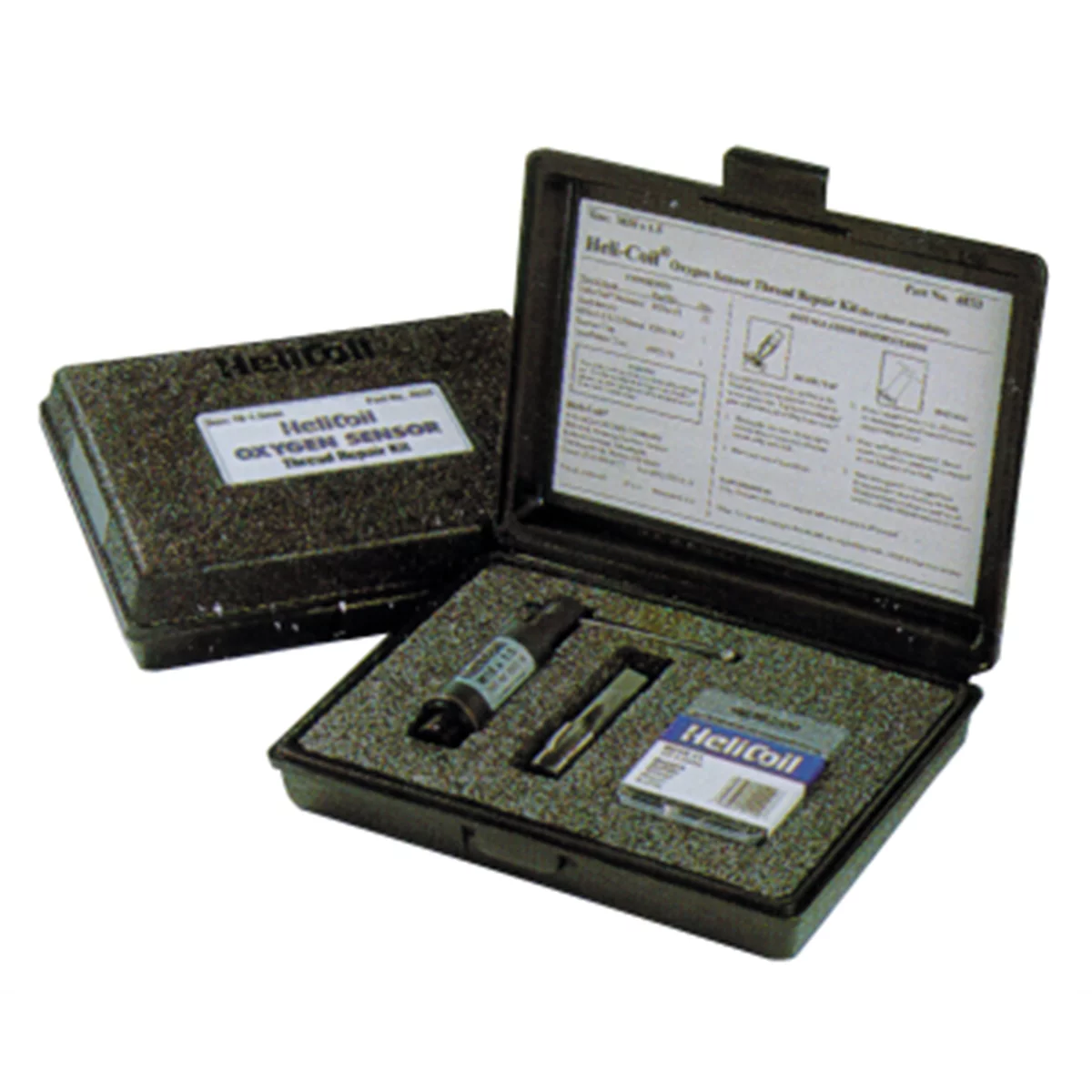
PRODUCT_SEARCH: downstream oxygen sensor replacement kit


Work the Cam Timing Code Separately From the Exhaust Codes
Treat the P0014-type code as its own diagnostic branch, unrelated to the O2/cat codes. Pull up live cam and crank data on a scan tool before replacing anything. Check oil level and condition — sludge or a low fill is the single most common cause of VVT-related timing codes, especially on engines with known cam phaser or OCV issues. Pull and inspect the OCV (oil control valve) screen for debris; a clogged screen restricts oil flow to the phaser and throws exactly this kind of code. If the screen has fine sludge, cleaning it and doing an oil service can resolve the code outright. If it has metal particulate, that’s a different conversation about internal wear. Only escalate to “timing chain” once you’ve confirmed a cam/crank correlation fault is present and oil-delivery issues have been ruled out — chain and guide wear is diagnosed with correlation data and, ideally, a visual check at the cover, not inferred from an unrelated exhaust code.
Inspect the Mechanical Findings That Aren’t on the Scan Tool
Separately from the code list, physically inspect anything flagged by sight — grease flung around a CV boot or a sway bar end link boot is a visual finding, not a trouble code, and it’s worth addressing on its own merits. A torn boot caught early is often just a boot-and-clamp job; once the joint has been running dry and clicking on turns, it’s a full axle. Wipe down any affected brake hose and inspect it directly rather than assuming damage from nearby grease. Brake condition should be reported as actual pad and rotor measurements, not a vague “needs brakes” line — ask for numbers. None of this has any bearing on the engine codes above; it’s routine wear-item inspection that any shop should itemize separately.
Evaluate the Quote Like a Second Technician Would
If a shop’s write-up links components that have no mechanical relationship — “the catalytic converter affected the timing chain” is the clearest version of this — treat that as a red flag on the whole estimate, not just that line. Ask for the complete code list (active and history), not a curated subset. Ask what live data was actually pulled — fuel trims, cam/crank correlation, O2 sensor voltage — versus what was inferred from codes alone. Get an itemized breakdown so “cat + chain + axles + brakes” isn’t one bundled number; each item should stand on its own diagnosis. If the car is older or has high mileage, weigh the total repair cost against the vehicle’s value before approving everything in one visit — fixing the O2 sensor and clearing codes may resolve more of the complaint than the original write-up suggested.
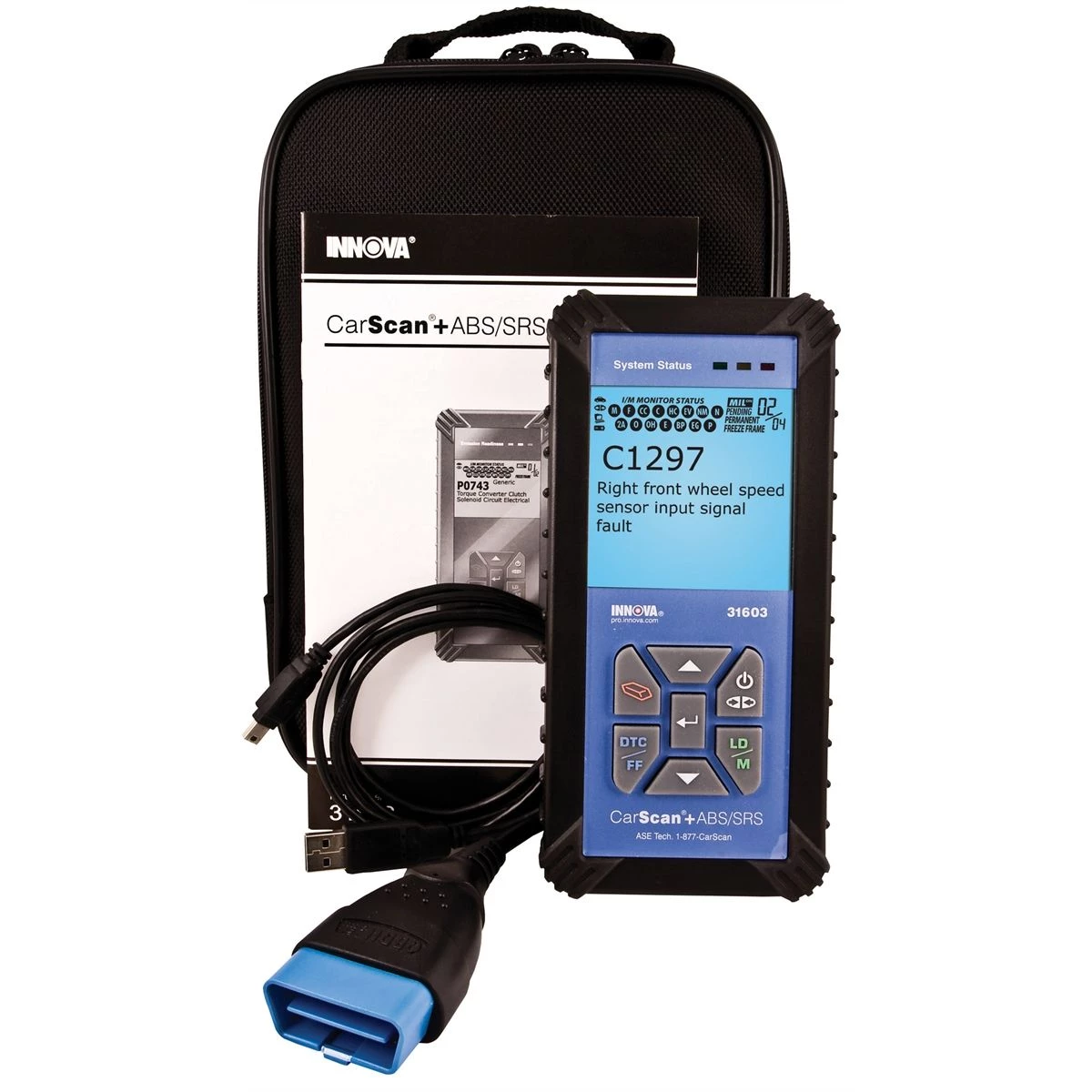
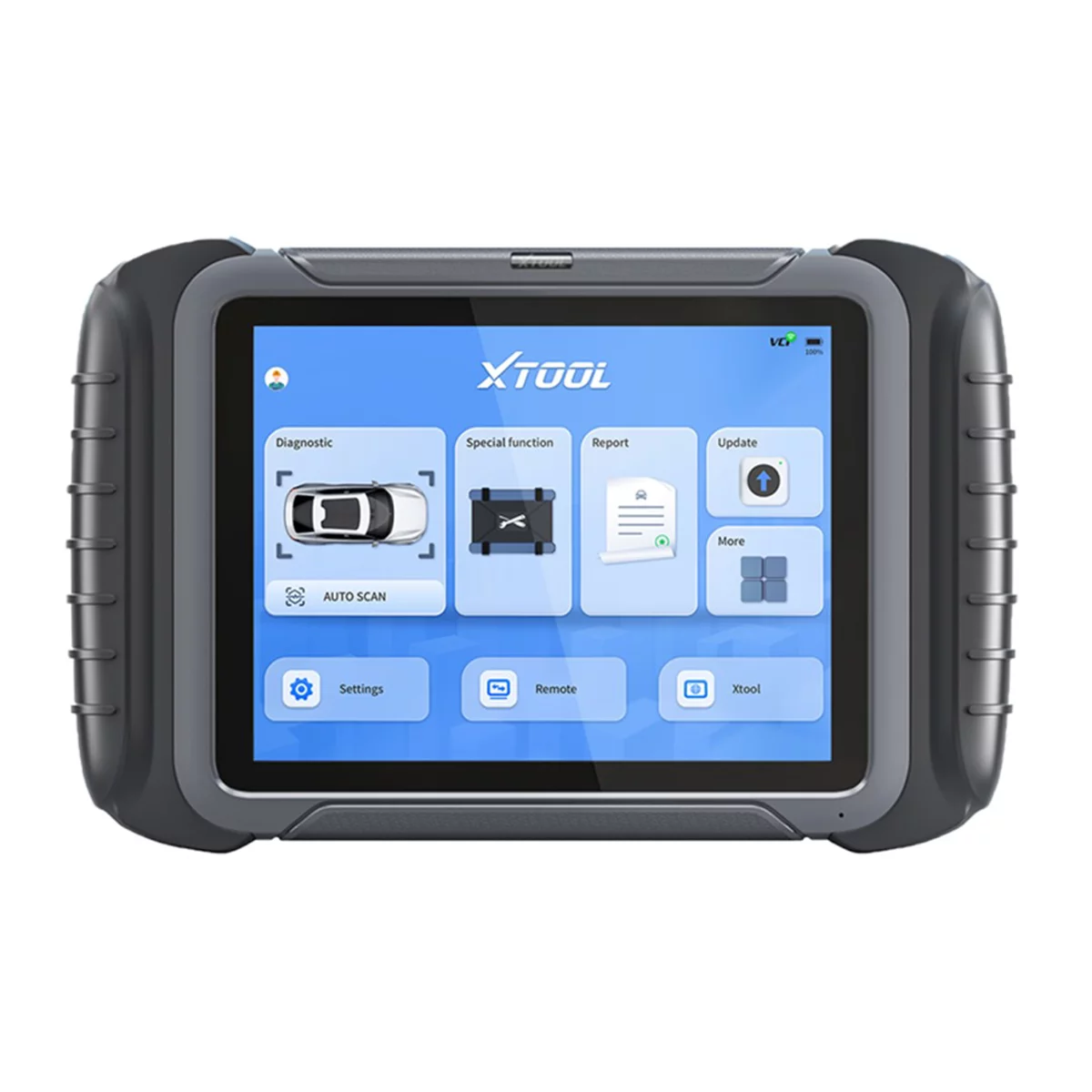
PRODUCT_SEARCH: OBD2 scan tool with live data graphing
Checklist: Before You Approve the Repair
- Confirm which codes are current vs. history
- Check for P0016/P0017 before accepting a “timing chain” diagnosis
- Rule out O2 sensor wiring/connector and intake/exhaust leaks before condemning the cat
- Confirm oil level/condition and inspect the OCV screen before escalating a cam timing code
- Get pad/rotor measurements instead of a general “needs brakes” note
- Request the full code list and an itemized, line-by-line quote
- Get a second opinion if any explanation links unrelated systems (exhaust-to-timing-chain is the classic version)

FAQs
Can a bad catalytic converter cause a timing chain to fail?
No. There’s no mechanical or hydraulic link between the exhaust system and the timing chain. A severe, long-term misfire or badly retarded timing can eventually damage a cat by dumping unburned fuel into it, but the causality runs the opposite direction from what’s often claimed, and even that takes sustained abuse, not a single borderline code.
What does a post-catalyst-too-lean code (P2096) actually mean?
It means the downstream O2 sensor is reporting a leaner mixture than the fuel trim strategy expects after the catalyst. That can come from a failing cat, but it’s just as commonly caused by a bad downstream sensor, a vacuum/exhaust leak near the sensor, or a MAF issue — all of which should be ruled out first.
Will a P0420/P0430 always accompany a real catalyst problem?
Usually, yes — that’s the catalyst efficiency code specifically designed to flag a converter that’s no longer scrubbing emissions effectively. If it’s absent, there’s no direct evidence from the scan that the cat itself has failed.
What usually causes a cam timing over-advanced/retarded code?
Most often a clogged oil control valve (OCV) screen, low or dirty oil, or a failing VVT actuator — not chain stretch. True chain stretch typically shows up as a cam/crank correlation code, not a standalone cam timing fault.
Is it normal for a shop to charge a diagnostic fee without doing a repair?
Yes, a diagnostic fee for pulling codes and inspecting the vehicle is standard. What’s not normal is bundling four unrelated systems into one repair recommendation based on a handful of history codes without live data or measurements to back it up.
How do I know if it’s worth fixing an older, high-mileage car versus replacing it?
Get an itemized quote, separate the must-fix safety items (brakes, torn boots) from the engine codes, and compare the realistic total against the car’s market value. If the O2 sensor and a few cheap fixes resolve most of the complaint, the math often looks very different than the original bundled estimate suggested.
Recommended Diagnostic Tools
The diagnostic steps in this guide rely on proper tooling. Shop our selection of Automotive Diagnostic Tools to get the scan capability and reference data needed to work faults methodically.
- OBD2 scan tools with live data capability for fuel trim, O2 voltage, and cam/crank correlation monitoring.
- Specialized testers and reference guides for O2 sensor circuits, MAF performance, and VVT diagnostics.
- Inspection aids and code lookup resources for quick reference during troubleshooting.

The Toolsource Technical Team blends decades of real-world automotive service experience with up-to-date technical research. Our writers collaborate with professional mechanics, shop owners, and diagnostic specialists to deliver practical, workshop-ready guidance you can trust.


Follow us on social media