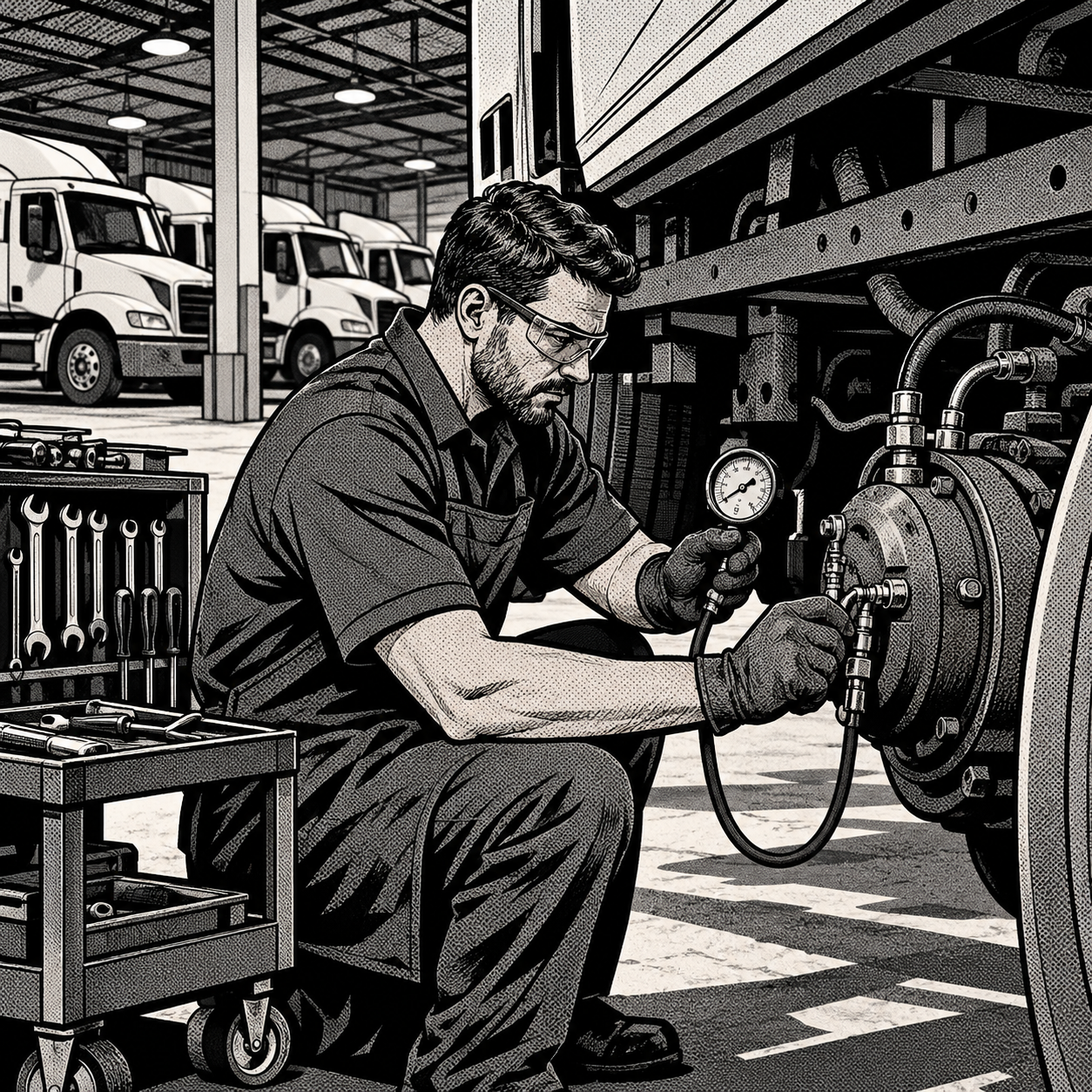
A lot of technicians who say they “hate being a mechanic” discover, once they leave the dealership floor, that they never hated the actual work — they hated flat rate pay, warranty labor rates, corporate politics, and customers who treat every invoice like a personal insult. That distinction matters, because it changes the question from “should I leave the trade” to “which part of the trade should I leave.” Experienced techs have been making lateral moves into fleet maintenance, public transit, rental car operations, utility companies, and even aviation for years, often landing more pay, steadier hours, and far less customer-facing friction. This post lays out the practical side of that move: what the work actually looks like, which skills carry over, where to find the openings, and what to check before you hand in your notice.
Why Dealership Work Burns Techs Out Faster Than the Trade Itself
The complaints that show up over and over aren’t about diagnosing a misfire or bleeding brakes — they’re about the business model. Flat rate pay rewards speed over thoroughness and punishes techs who get stuck with slow warranty jobs or diagnostic work that doesn’t pay what it’s worth. Being the only certified tech on electrical, EV, or hybrid systems in a shop often means getting every hard job with none of the hourly upside, while techs doing straightforward R&R hit their flag hours faster. Add in manufacturer-driven certification requirements, brand ambassador quotas, and a service drive that treats every customer complaint as the technician’s fault, and you get a job that’s technically skilled but structurally stacked against the person doing the work. None of that is a knock on diagnostics, electrical systems, or heavy mechanical repair — it’s a knock on how dealership pay and management structures are built.
What Fleet, Transit, and Rental Maintenance Actually Look Like Day to Day
Fleet-style jobs — city and county fleets, school district buses, transit agencies, rental car companies, and paratransit vans — tend to split work roughly 80/20 between preventive maintenance and repair. Diagnostic work still happens, but it’s frequently mechanical or air-system related (brakes, suspension, HVAC, pneumatics) rather than deep electrical diag, unless a shop specifically needs an electrical specialist, which some transit operations do and pay well for. The pay structure is usually hourly rather than flat rate, which removes the incentive to rush and the penalty for landing a hard job. Rust and road salt damage are less of an issue on fleet vehicles that get washed and maintained on a schedule, and because there’s no walk-in customer traffic, techs aren’t managing expectations or explaining estimates all day. Rental fleet work carries the added benefit of working on a narrower range of newer vehicles, which simplifies parts sourcing and diagnostic procedures compared to a dealership servicing everything from warranty-era vehicles to 15-year-old trade-ins.

Skills That Transfer Directly — and the Ones Worth Building Now
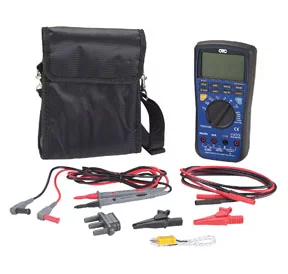
Everything learned diagnosing modern vehicles carries over: scan tool proficiency, wiring diagram literacy, multimeter and oscilloscope use, and the discipline of following a diagnostic tree instead of guessing. Techs with EV, hybrid, and electrical specialization are in a strong position for transit and utility fleet roles, since many of those operations are electrifying buses and service vehicles and need people who already understand high-voltage safety and battery systems. On the other hand, heavy mechanical and air-brake system experience is undervalued at a dealership but highly valued in transit and commercial trucking environments, where air systems dominate the repair workload. If a move toward aviation maintenance is on the radar, an A&P license is a separate credential, but the diagnostic mindset and electrical background built as an automotive tech make that transition considerably easier than starting from zero. Before applying anywhere, it’s worth taking stock of which ASE or manufacturer certifications are current, since most fleet and government postings list them as minimum requirements, not bonuses.
Where to Actually Find These Openings
There’s no single clearinghouse for this kind of role, which is part of why so many technicians don’t realize these jobs exist. Government job boards list openings for city, county, and state fleet maintenance positions, along with school district transportation departments and public transit agencies. Airlines and ground support operators post technician and ground equipment mechanic roles directly on their career sites. Rental car companies and equipment rental chains hire fleet technicians regionally and often advertise through standard job boards rather than specialty trade sites. Utility companies maintain large vehicle and equipment fleets and regularly need service and field technicians. Checking all of these separately takes more effort than browsing one trade-specific job board, but it’s the only reliable way to see the full range of openings, since postings are scattered across municipal, state, federal, and private-sector systems.
[[PRODUCT_SEARCH:specific:electrical diagnostic scan tool for hybrid and EV technicians]]
How to Make the Move Without Taking a Step Backward
Start by auditing current certifications and translating dealership experience into language a fleet or government posting will recognize — “warranty diagnostic lead” and “brand ambassador certification holder” mean little outside a dealership, but “ASE-certified electrical and hybrid/EV diagnostics, five years hands-on” reads clearly anywhere. Apply directly through the employer’s career page or government job portal rather than relying on a staffing agency, since many of these roles are union or civil-service positions with their own hiring timelines and testing requirements. Ask specifically about pay structure during the interview — hourly versus flat rate changes the entire calculation, and a lower posted wage with guaranteed hours, benefits, and overtime can beat a higher flat-rate number that depends on constant fast jobs. It also helps to ask what portion of the job is diagnostic versus preventive maintenance, since that answer varies widely between a city bus garage, a rental fleet, and a utility company, and it should match what’s actually wanted out of the next job.
What to Ask Before Accepting Any New Position
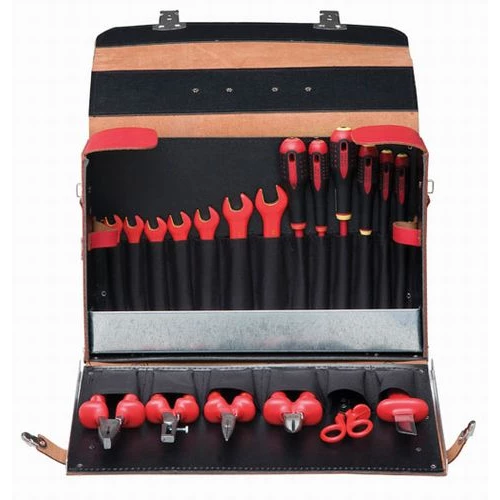
Not every fleet job is better than every dealership job — the common thread in technicians who end up happy with a move is that they vetted the shop, not just the job title. Ask about management style and how long techs typically stay, since turnover numbers reveal more than a job description ever will. Confirm whether pay is hourly, salaried, or still flat rate in disguise, and get specifics on overtime, shift differentials, and PTO accrual rather than vague assurances. Find out what tools the shop provides versus what a tech is expected to bring, since fleet and government shops vary widely on this. Ask what the comeback and warranty policy looks like for in-house repairs, and whether there’s a path to specialize further in electrical, hybrid, or heavy systems work if that’s a strength worth leveraging into higher pay.
[[PRODUCT_SEARCH:broad:automotive technician tool sets]]
Quick Checklist Before You Give Notice
- Confirm current ASE or manufacturer certifications and gather proof of hands-on hours
- List which skills (electrical, EV/hybrid, air brakes, HVAC) are strongest and worth marketing
- Search government, transit, rental, and utility job boards directly — not just one trade site
- Ask every interviewer about pay structure, OT, and benefits before discussing the role itself
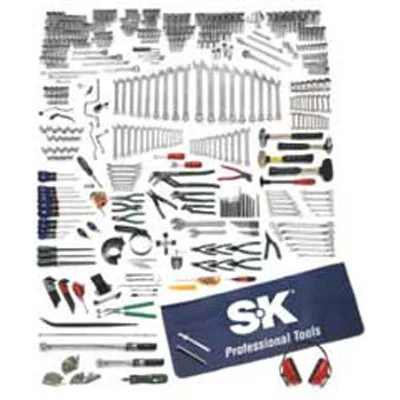
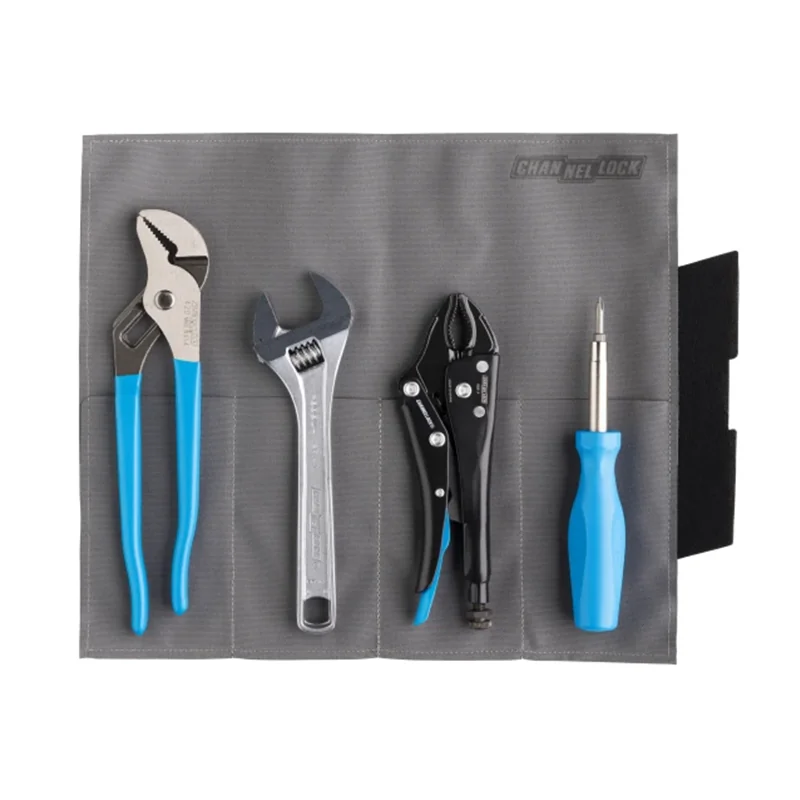
- Get specifics on tool ownership requirements and whether a toolbox move is needed
- Talk to at least one current employee about management style and turnover if possible
Frequently Asked Questions
Does fleet maintenance pay less than dealership work?
Not necessarily. Base hourly rates at city, transit, utility, and rental fleet employers are frequently comparable to or higher than dealership flat rate averages once guaranteed hours, overtime, and benefits are factored in, especially for techs with electrical or EV specialization.
Do I need different tools for fleet or transit work?
Often less than expected. Many fleet and government shops provide shop tools and heavy equipment, with techs supplying a personal hand tool set, diagnostic meter, and basic scan tool. Confirm this during the interview, since policies vary by employer.
Is ASE certification required for government or fleet jobs?
Most postings list specific ASE or manufacturer certifications as minimum qualifications rather than preferences, particularly for electrical, brakes, and HVAC categories. Current certifications should be renewed before applying.
How much of fleet or transit work is electrical diagnostics versus mechanical repair?
It varies by employer. General fleet and transit shops often lean mechanical and air-system heavy, while agencies electrifying their bus or service fleets are actively seeking techs with EV and hybrid diagnostic experience and will pay more for it.
Is it worth switching from automotive to aviation maintenance?
It’s a viable path for techs with strong electrical and diagnostic backgrounds, but it requires an A&P license, which means additional schooling or an approved training program. The diagnostic discipline from automotive work transfers, but the credential itself does not.
What’s the biggest mistake techs make when switching out of dealership work?
Taking the first fleet-sounding job without vetting pay structure or management. Some “fleet” positions are run with the same flat-rate pressure and thin staffing as a dealership service drive, so the questions in this guide matter as much as the job title.
Essential Diagnostic Equipment
Modern diagnostic skills are the foundation of stable technical work across dealership, fleet, transit, and government roles. Whether building a personal diagnostic kit or upgrading existing equipment, systematic troubleshooting with proper tools is where the work actually happens. The Automotive Diagnostic Tools category includes the equipment techs rely on to diagnose effectively.
- Scan tools and code readers for modern, hybrid, and EV platforms
- Multimeters, oscilloscopes, and electrical test equipment for systematic troubleshooting
- Pressure gauges, analyzers, and meters for mechanical and pneumatic diagnostics

The Toolsource Technical Team blends decades of real-world automotive service experience with up-to-date technical research. Our writers collaborate with professional mechanics, shop owners, and diagnostic specialists to deliver practical, workshop-ready guidance you can trust.


Follow us on social media