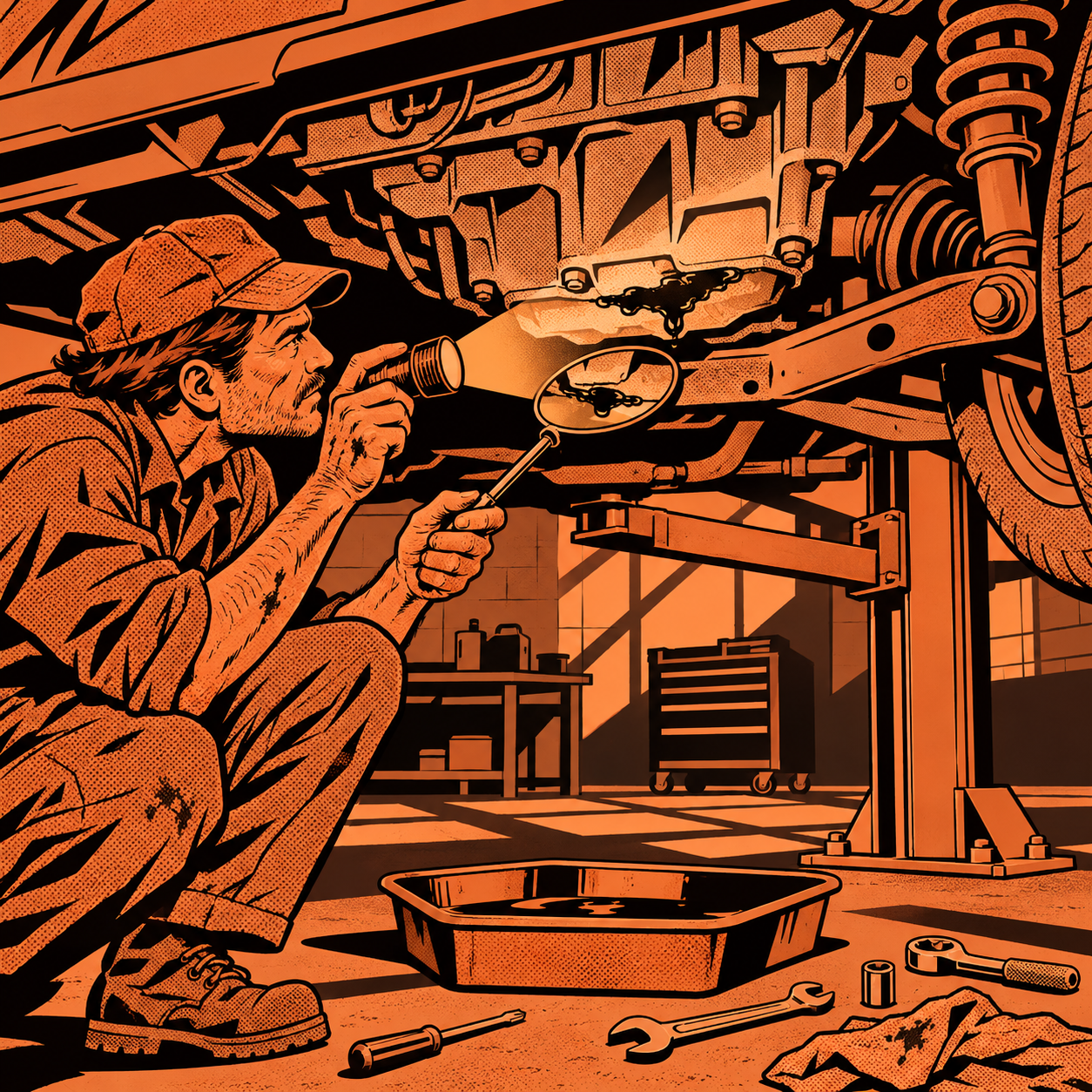
A recent thread about an $11,000 dealer quote for a 14-year-old Subaru with 122,000 miles made the rounds, and the comments read like a masterclass from working technicians and shop owners on how dealership pricing actually works. The repairs themselves — spark plugs, rear wheel bearings, a cam carrier reseal, an exhaust leak, an oil change — were all real maintenance items. But the pricing on several lines was double, triple, or more what an independent shop would charge. If you’ve ever stared at a dealer service estimate and felt like something was off, here’s how to actually read one, what these jobs should cost, and how to get a repair done without paying a “please go buy a new car” tax.
Why Dealer Estimates Balloon on Older Vehicles
Dealerships aren’t always trying to rip you off outright, but their incentive structure changes once a car is out of warranty and getting up in age. Advisors are often working from a “menu” pricing system with built-in margin on parts and flat-rate labor hours that don’t reflect real shop-floor time. On a car worth $5,000–$8,000 at trade-in value, a dealer has little reason to compete on price for a job like a cam carrier reseal — if you balk, they’d often rather sell you a newer vehicle than do the repair at a competitive rate. That’s not a conspiracy theory; it’s just how the math works for them. The practical takeaway: the older and less profitable the service ticket is for them, the more likely you’re looking at padded pricing, not a hard technical requirement.
Spotting a “Walk-Away” Estimate
Technicians and shop owners who commented on the thread recognized the pricing pattern immediately — some called it a “fuck-off” quote, others a “bleed ’em dry” quote. Either way, the signs are consistent:
- Parts priced far above retail with no clear labor breakdown (e.g., spark plugs listed at $140+ each with “no additional labor” noted, when the part itself retails for a fraction of that).
- Routine services bundled at multiples of the going rate — a $165 oil change and cabin filter swap, or $200 for a differential fluid change that’s barely more involved than an oil change.
- Major labor jobs (engine-out reseals, wheel bearing press jobs) quoted without photos, without showing you the lift, and without a clear explanation of what’s actually leaking or worn.
- Everything on the car flagged at once, creating a five-figure total that nudges you toward “just trade it in.”
If you see two or more of these, you’re not looking at a technical estimate — you’re looking at a sales document. Ask to see the car on the lift and have the tech point out the actual leak or wear point before approving anything major.

What These Jobs Should Actually Cost
Knowing rough market rates gives you leverage immediately. Based on consensus from working mechanics discussing this exact case:
- Spark plugs (4-cylinder): Parts plus labor should land in the low hundreds, not $500+ for parts alone before labor is even added. Flat-rate labor time is longer than it looks because plugs are often buried under intake components, but parts cost shouldn’t be marked up 3-4x.
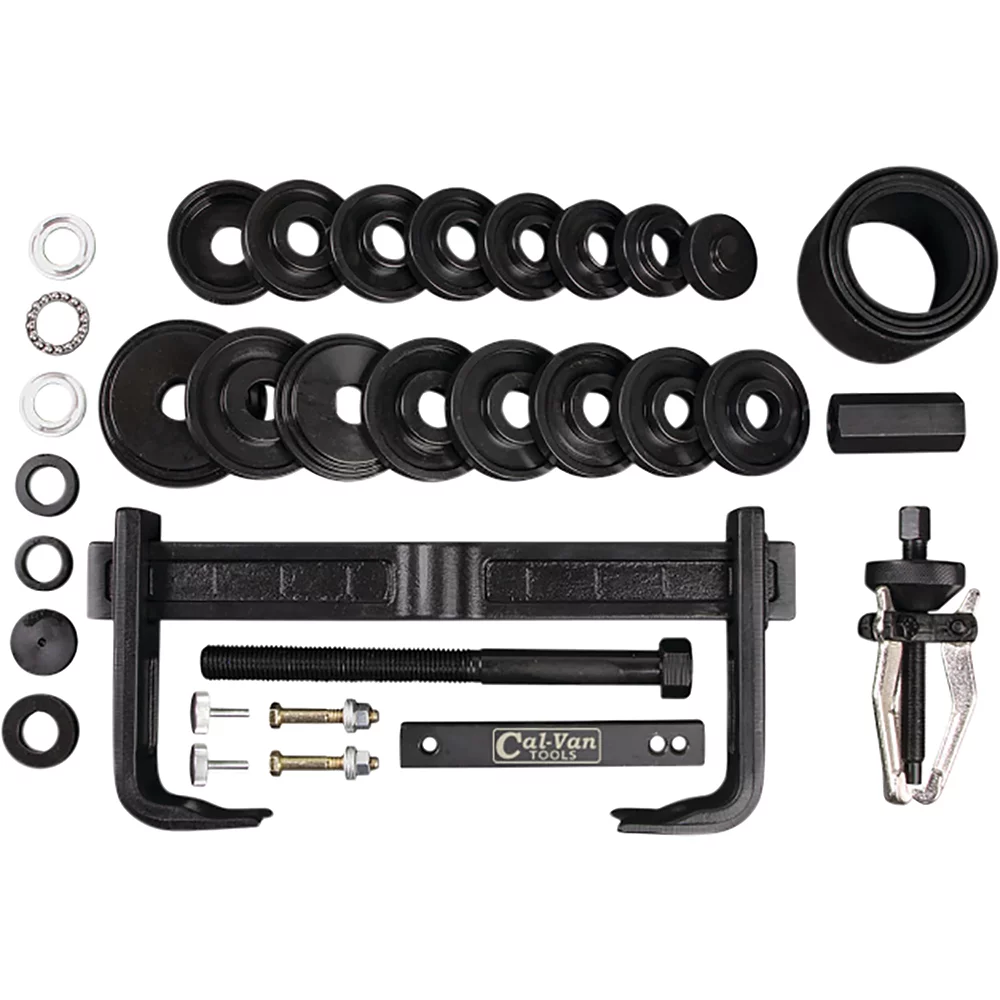
- Rear wheel bearing replacement (pair): Commonly cited at roughly $1,000–$1,200 parts and labor combined at an independent shop — not $1,900+. Subaru bearings can be stubborn to press out, which adds labor, but it doesn’t triple the job.
- Cam carrier/oil seep reseal: This is a genuinely serious job on a boxer engine — it can require pulling the engine, and 10-12+ hours of labor is realistic if it’s truly leaking and not just seeping. A $4,700 quote isn’t automatically a scam, but it warrants a second opinion on whether it’s needed now versus monitored.
- Exhaust/muffler repair: Independent muffler shops routinely handle custom welding and pipe repair for $150–$300, far below dealer OEM exhaust component pricing.
- Cabin air filter: On most vehicles this is a 5-minute glovebox job and a $10-$20 part. Paying dealer labor for this one is pure margin.
Before you approve any line item over a few hundred dollars, price-check it against a parts retailer and a second shop quote. Having basic diagnostic and hand tools on hand also lets you verify simple claims yourself — for instance, a cheap inspection mirror and flashlight kit lets you look at a wheel bearing or cabin filter housing before you pay someone just to tell you it’s dirty.
Getting a Second Opinion Without Tipping Your Hand
One piece of advice came up repeatedly: don’t walk into an independent shop holding the dealer’s itemized estimate like a shopping list. If you show a mechanic a sheet that says “the dealer wants $11,000 for this,” you risk anchoring their quote or triggering suspicion that something’s being hidden. Instead:
- Describe symptoms, not dollar amounts — “it’s leaking oil near the front of the engine,” not “the dealer says I need a $4,700 reseal.”
- Ask the independent shop to do its own inspection and quote each item separately.
- Get quotes from at least two shops with good reviews, ideally ones recommended by other owners of the same make.
- Only bring up the dealer’s numbers afterward, if at all, to compare — not to set expectations.
This keeps the second shop’s diagnosis independent and gives you a clean basis for comparison.
DIY Jobs You Can Knock Out Yourself
Not every line item on a dealer estimate requires a lift and a technician. Several commenters pointed out that cabin air filters, and sometimes components like water pumps “just in case” upsells, are either trivial DIY jobs or unnecessary preemptive replacements. A cabin filter swap takes minutes with no tools beyond your hands in most vehicles. Basic fluid top-offs, battery terminal cleaning, and visual leak checks (using a flashlight and some degreaser to find the actual source of a stain) are well within reach for a driveway mechanic with a floor jack, jack stands, and a basic socket set. Doing the easy stuff yourself also means any shop quote you get afterward is for the real remaining work, not inflated by filler line items.
When the Dealer Is Actually the Right Call
None of this means dealerships are never worth using. They make sense when the work is covered under factory or powertrain warranty, when a repair is tied to an open recall, or when you need insurance-covered body work routed through an OEM-certified shop. Dealer technicians also have the most specific training and factory tooling for your exact model, which matters for complex jobs. The pattern technicians flagged in the thread isn’t “dealers are always bad” — it’s “dealers have little financial incentive to give a fair price on discretionary maintenance for an older, lower-value vehicle.” Match the job to the right shop instead of defaulting to one or the other.
Quick Checklist Before You Approve Dealer Work
- Ask for photos or a lift walkthrough of anything quoted over a few hundred dollars.
- Separate parts cost from labor on every line item.
- Price-check parts against a retailer before accepting dealer part pricing.
- Get at least one independent shop quote for anything non-warranty.
- Describe symptoms to the second shop, not the dealer’s price sheet.
- Weigh the total repair cost against the car’s actual trade-in/private-party value.

Pegisys Diagnostic System Trade-In Kit Handset Version
Mfg: OTC Tools and Equipment
Part #: 3825JT


FAQs
Is it normal for dealer quotes to be higher than independent shops?
Yes, to a degree — dealers have higher overhead and often use OEM parts. A 20-40% premium isn’t unusual. A 300-500% premium, as seen with marked-up spark plugs in this case, is not normal and should be challenged.
How do I know if a leak reseal is urgent or can wait?
Ask for a clear description of where the leak originates and how much fluid is being lost over a given mileage interval. A slow seep that isn’t dropping fluid levels noticeably can often be monitored; active dripping onto other components usually can’t.
Should I ever negotiate with a dealer service department?
You can ask for a breakdown and challenge specific line items, but most service advisors have limited pricing authority. It’s usually more effective to get a competing quote and decide where to actually have the work done.
Why do dealers push maintenance hard on older, lower-value cars?
Because the service ticket is often more profitable to them than a trade-in deal, and a large repair bill nudges owners toward trading in rather than paying out of pocket.
Can I do a wheel bearing replacement myself?
It’s possible with the right press tools, a torque wrench, and some mechanical experience, but pressed-in bearings on AWD platforms can be stubborn. Many DIYers still hand this one to a shop while handling simpler jobs themselves.
What’s the single biggest red flag on a repair estimate?
Parts priced well above retail with labor listed as “included” or “no charge” — it almost always means the labor cost was simply folded into an inflated parts number to obscure the real markup.
Tools for a Second Opinion
Before you authorize a major repair, basic Automotive Diagnostic Tools help you verify what the dealer is claiming. An inspection mirror, flashlight, and socket set give you a foundation to spot real issues and separate genuine maintenance from estimate padding.
- Inspection mirrors and borescopes to check wear points without climbing under the car.
- Flashlights and work lights to illuminate leaks, bearing wear, and damage clearly.
- Hand tool basics for simple DIY checks and fluid-level inspections.

The Toolsource Technical Team blends decades of real-world automotive service experience with up-to-date technical research. Our writers collaborate with professional mechanics, shop owners, and diagnostic specialists to deliver practical, workshop-ready guidance you can trust.


Follow us on social media