
Anyone who regularly drives the corridor between the Carolinas and the Mid-Atlantic has a strong opinion about I-95 north of Richmond, and that opinion is almost universally negative. Drivers who make the trip multiple times a year consistently route around it, favoring I-81 through the Shenandoah Valley or a West Virginia cutoff through Berkeley Springs. But a smart route is only half the equation. A long highway drive — especially one that trades interstate monotony for two-lane mountain roads — puts different demands on a vehicle than a short commute does. This guide covers both sides: how to plan the route, and how to make sure your vehicle and your toolkit are ready for it.
Why I-95 Between Richmond and DC Gets Skipped
The stretch of I-95 from Richmond up through DC and into Maryland is notorious for unpredictable, often severe congestion. Drivers who’ve logged hundreds of trips on this route describe delays that turn a 90-mile drive into seven hours during holiday weekends. The problem isn’t just volume — it’s that any incident (accident, lane closure, event traffic) on a corridor already running near capacity can cascade into hours of stop-and-go with no good detour nearby. Richmond to Fredericksburg is generally manageable; it’s Fredericksburg through DC and the Beltway where things fall apart.
For anyone planning a trip through this corridor, the practical takeaway is to check real-time traffic conditions before committing to a departure time, and to treat any midday or weekend window through DC as high-risk by default. Early morning (before rush hour) or after 8:30 PM tend to be the safer windows if I-95 can’t be avoided entirely.
The I-81 Alternate: Longer on Paper, Easier in Practice
The consistent recommendation from experienced drivers is I-81 through Virginia, often combined with a West Virginia leg through Berkeley Springs or Clarion-area roads. This route runs through the Shenandoah Valley and the Blue Ridge, and while mapping software may show it as adding time compared to I-95, that estimate rarely accounts for the hours lost sitting in DC-area gridlock. Drivers who’ve made this trade repeatedly report it as a net time savings when traffic is factored in, not just a prettier alternative.
A few waypoints come up repeatedly as useful GPS midpoints to force a route off the interstate and onto the preferred corridor: Staunton, VA, Harrisonburg, VA, and Woodstock, VA. For those headed further west, Mount Airy, NC and Max Meadows, VA lead toward the West Virginia option, which can also route past the New River Gorge Bridge as a scenic detour. Setting one of these as a midpoint stop in your GPS (rather than just hitting “fastest route”) is the simplest way to guarantee you end up on the state highways instead of defaulting back to I-95.

Pre-Trip Vehicle Checks for a Long Highway Run
Once the route is sorted, the vehicle needs the same attention. A trip that mixes sustained interstate speeds with mountain grades and two-lane roads stresses tires, brakes, and cooling systems differently than city driving. Before any trip over a few hundred miles, run through these checks:
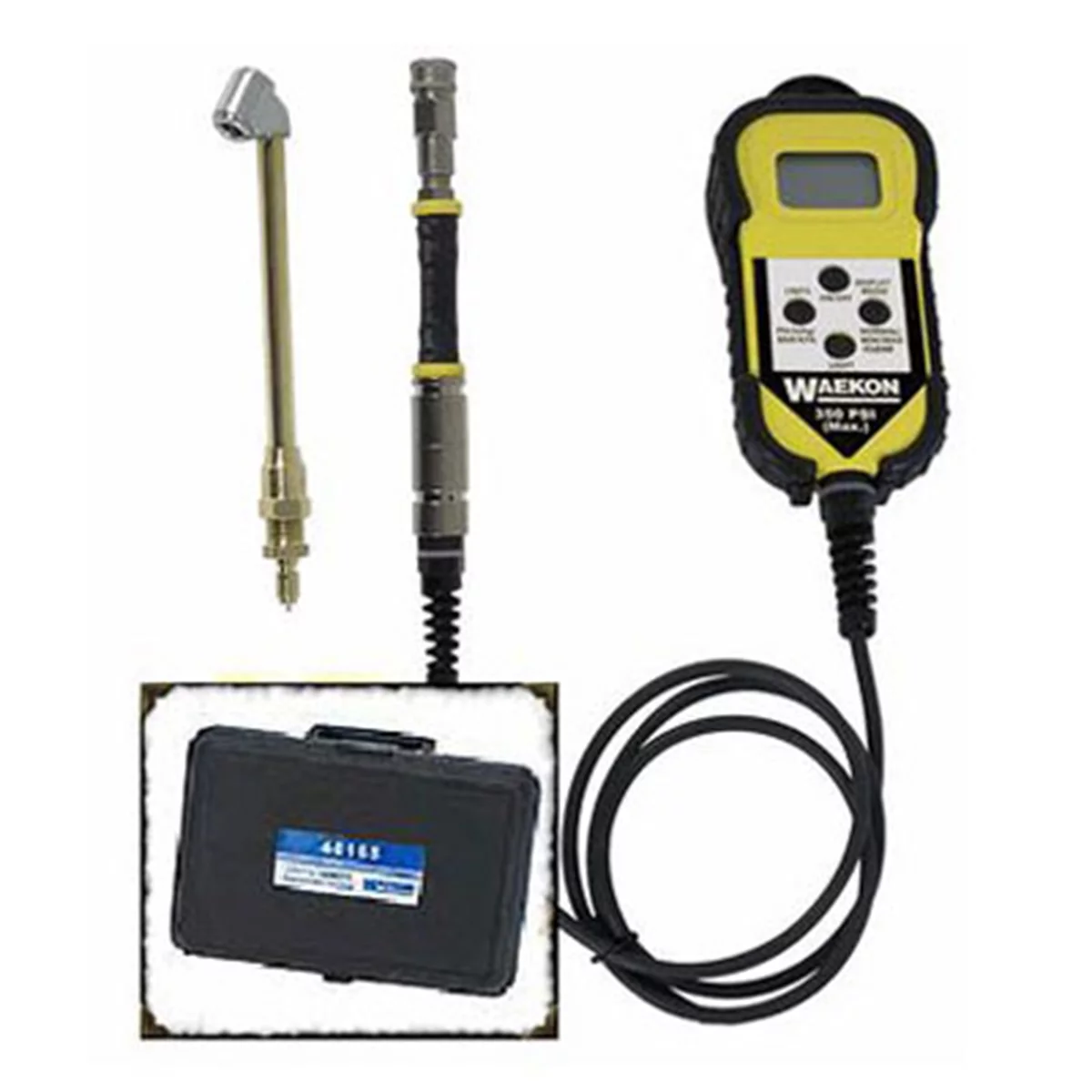
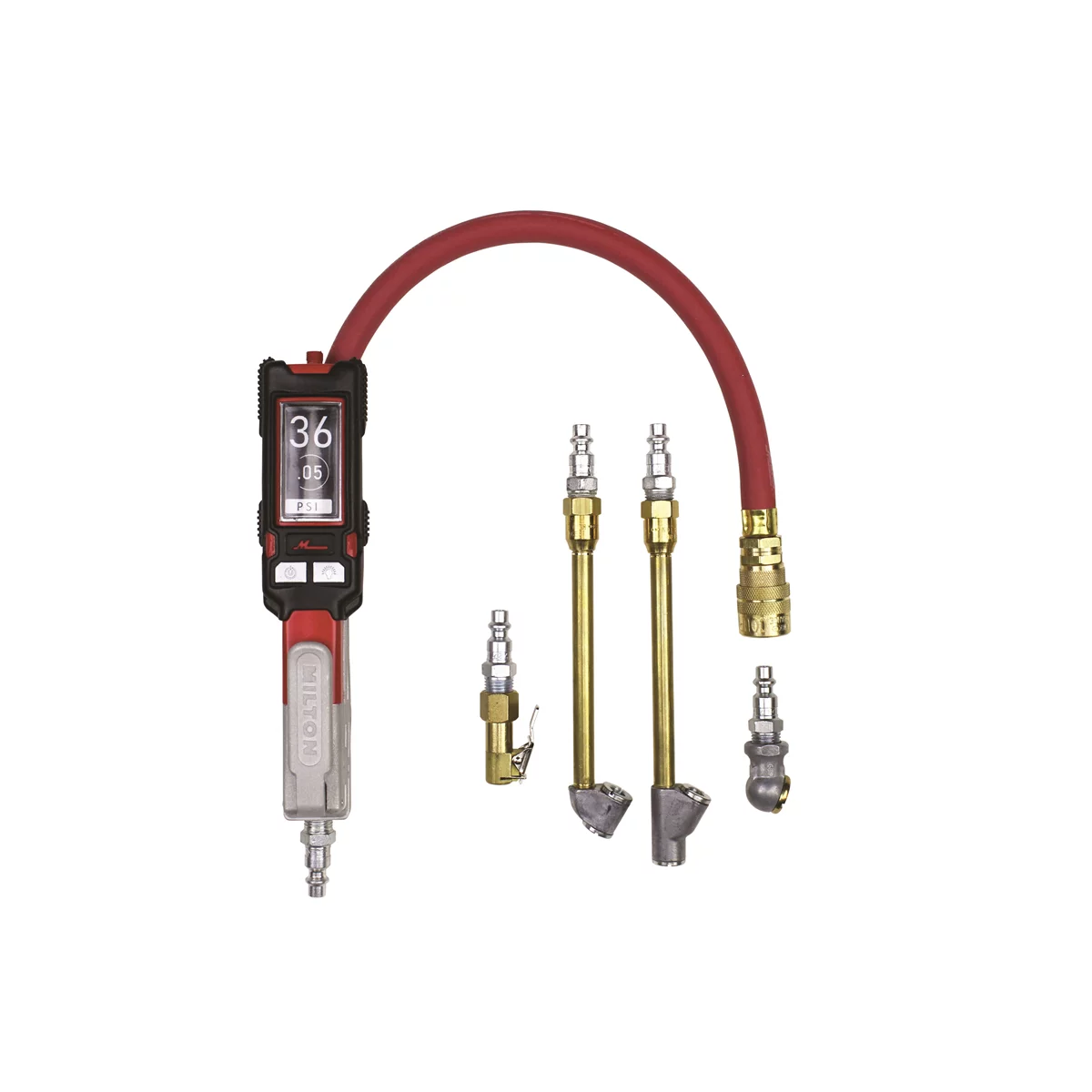
- Tire pressure and tread. Check cold pressure against the door-jamb spec, not the tire sidewall max, and inspect tread depth and sidewalls for cracking or bulges. Mountain grades and sustained highway speed generate more heat than stop-and-go driving.
- Fluid levels. Oil, coolant, brake fluid, and washer fluid should all be topped off and checked for discoloration or low levels that could signal a leak.
- Brakes. Descending grades on routes like I-81 or the WV mountain roads relies heavily on brakes holding up over extended use. Listen for pad wear indicators and check rotor condition if it’s been a while since the last inspection.
- Battery and charging system. A battery that’s marginal in town can fail outright on a cold mountain overnight stop. A quick load test takes minutes and avoids a roadside surprise.
- Lights and wipers. Scenic routes through the Shenandoah Valley and Blue Ridge often mean early morning fog or fall leaf debris reducing visibility — working headlights, taillights, and wiper blades matter more here than on a flat interstate run.
If you’re buying or selling a used vehicle sight-unseen before a long drive home — a scenario that comes up often with long-distance private-party deals — a basic OBD2 scanner and a tire pressure gauge are worth having in the car before you even leave the seller’s driveway, so you can clear or confirm any warning lights and verify tire condition on the spot rather than discovering an issue an hour down the road.
{{PRODUCT_SEARCH_1}}
Speed Enforcement Varies More Than You’d Expect
Drivers who cover this corridor regularly flag Virginia specifically for strict and consistent speed enforcement, especially on I-81 and I-95. Getting significantly over the limit in Virginia can result in a reckless driving charge rather than a routine ticket, which carries real legal consequences, not just a fine — it can mean a mandatory court appearance. Georgia gets similar warnings from long-haul drivers. North Carolina enforcement tends to be comparatively lighter, but that’s not a reason to get complacent, particularly on unfamiliar two-lane sections where speed limits change frequently through small towns.
The practical rule for any unfamiliar long-distance route: treat posted limits as firm, especially in Virginia, and expect enforcement on both the interstate and the scenic alternates — rural roads are not exempt from radar coverage just because traffic is lighter.
Building a Roadside Kit for Rural and Mountain Routes
The appeal of routes like I-81 and the West Virginia cutoff is lighter traffic and better scenery, but that also means longer stretches between service stations and slower response times if something goes wrong. A basic kit for this kind of drive should include a tire inflator or compact compressor, a flashlight, jumper cables or a jump-starter pack, basic hand tools, and a cell signal backup plan (printed directions or an offline map, since mountain sections of WV and the Blue Ridge have patchy coverage). If the car is older or has unknown service history, adding a multimeter and a basic OBD2 code reader lets you diagnose a warning light on the shoulder instead of guessing.
Timing the Drive and Planning Stops
Beyond the route itself, departure timing matters as much as road choice. Checking live traffic conditions for the specific date and time of travel — not just the general reputation of a route — avoids surprises from local events or incidents. For the I-81/Shenandoah option, fall driving conditions are generally favorable, but valley fog in early morning hours is common enough to plan around, particularly if towing or driving a vehicle with reduced visibility.
Plan fuel and food stops around small towns along the route (Staunton and Harrisonburg both have reliable services) rather than assuming the next exit will have what you need — rural stretches of I-81 and the WV roads have longer gaps between services than I-95 does.
{{PRODUCT_SEARCH_2}}
Quick Pre-Trip Checklist
- Check live traffic for your actual travel date/time before choosing a route
- Set a midpoint waypoint (e.g., Staunton or Harrisonburg, VA) to force GPS off I-95
- Check tire pressure, tread, and visible sidewall condition
- Top off fluids and check brake pad wear
- Load-test the battery if it’s more than 3 years old
- Pack a basic roadside kit: inflator, jumper pack, flashlight, basic tools
- Confirm offline maps or printed directions for low-signal mountain stretches


Clore Automotive Jump-N-Carry 1000A 12 Volt Jump Starter for up
Mfg: Clore Automotive LLC
Part #: JNC305

10 Pack of Compact Jump Starter 800 Amp, 12-volt, 12,000mAh
Mfg: Mountain
Part #: 12000-10PK
FAQs
Is I-81 really faster than I-95 for this route?
Not always on paper — mapping software often shows I-81 as adding driving time. In practice, drivers who’ve made the trip repeatedly report it as faster overall once I-95/DC-area delays are factored in, especially outside of off-peak hours.
What’s the best time to drive through the DC/Richmond stretch if I-95 can’t be avoided?
Early morning before rush hour or after roughly 8:30 PM tend to have the lightest traffic. Weekday midday and weekend afternoons are consistently the worst windows.
Which states have the strictest speed enforcement on this corridor?
Virginia is flagged most often, with reckless driving charges possible at speeds well over the limit, which can require a court appearance rather than a simple fine. Georgia is noted similarly by long-haul drivers.
What should I check on a vehicle before a 400+ mile drive?
Tire pressure and tread, all fluid levels, brake pad condition, battery health, and all lights and wipers. These cover the systems most stressed by sustained highway speed and grade changes.
Do I need special tools for a rural mountain route versus a straight interstate drive?
A basic kit works for both, but rural routes benefit from a tire inflator, jump-starter pack, and offline maps since cell coverage and service stations are less frequent than on I-95.
What GPS waypoints force a route onto I-81 instead of I-95?
Setting a midpoint like Staunton, Harrisonburg, or Woodstock, VA typically routes GPS software onto I-81 and the Shenandoah Valley corridor instead of defaulting to I-95.
Recommended Tire Tools for Long-Distance Driving
Whether you’re planning an I-95 sprint or a scenic mountain route, tire pressure, tread depth, and suspension condition are your best defense against a roadside breakdown. Our Tire Tools, Wheels & Suspension selection includes everything needed to inspect and maintain these critical systems before heading out.
- Tire pressure gauges for accurate cold-pressure checks
- Tread depth gauges to verify safe tread for long highway drives
- Suspension and wheel tools for pre-trip inspections

The Toolsource Technical Team blends decades of real-world automotive service experience with up-to-date technical research. Our writers collaborate with professional mechanics, shop owners, and diagnostic specialists to deliver practical, workshop-ready guidance you can trust.


Follow us on social media