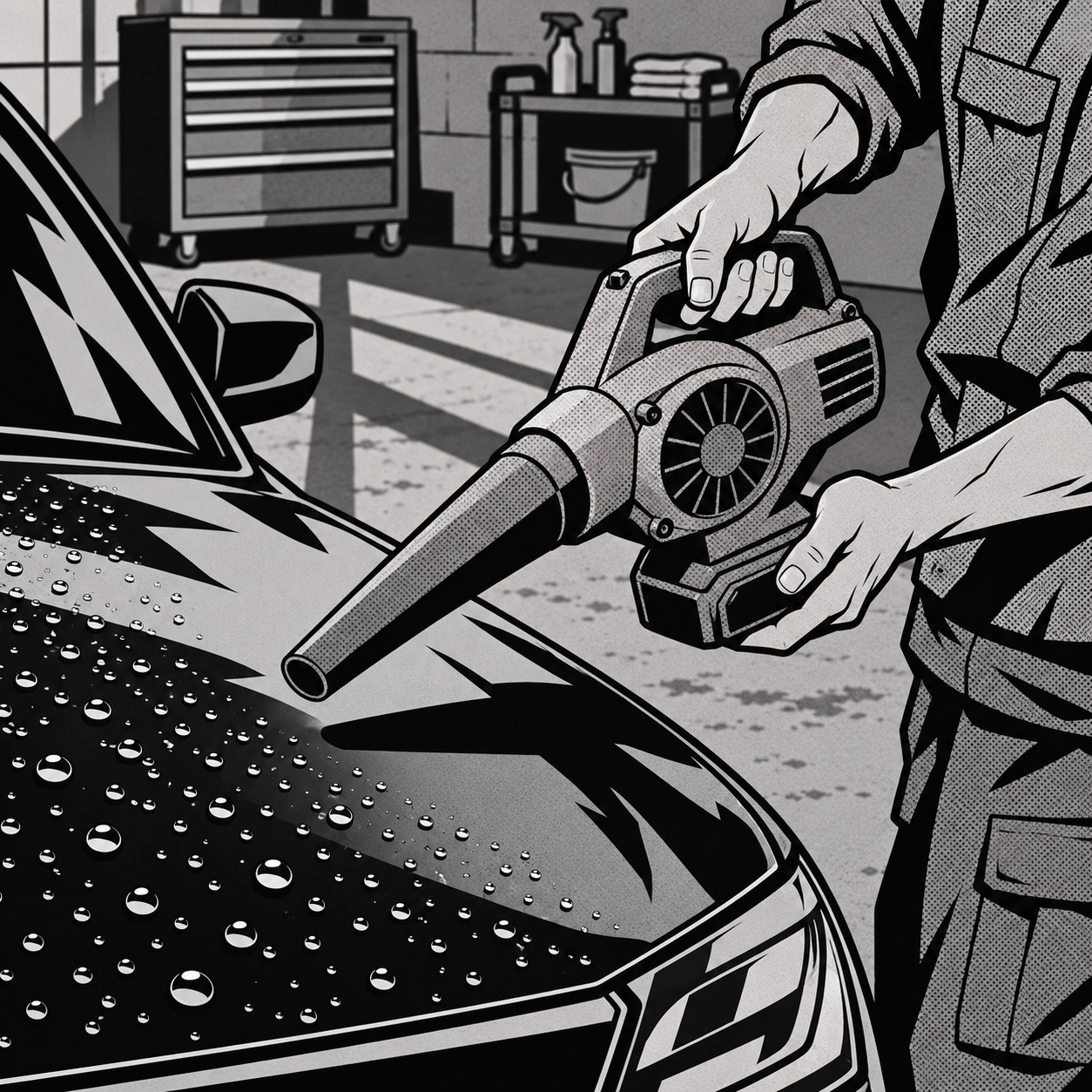
Ceramic coatings are sold on the promise of beautiful water beading, but that same beading can be the thing that ruins a finish if it’s left to sit and dry in the sun. Technicians who install and maintain coatings for a living know this well: a bead that evaporates on the panel leaves behind concentrated minerals that bake into the coating under heat, creating etched water spots that are far harder to remove than a simple wash. This guide walks through why that happens, how to dry a coated vehicle the right way, how to judge whether a car is even a good candidate for ceramic coating, and what to do once spotting has already occurred.
Beading vs. Sheeting: Why the Difference Matters
Most customers judge a coating’s performance by how big and round the water beads look. From a maintenance standpoint, sheeting behavior matters more than bead size. Sheeting means water runs off the panel in thin sheets rather than collecting into discrete droplets. A coating that sheets well clears most of the water on its own, especially on vertical and angled surfaces, leaving less standing water to evaporate in place.
Beads that sit on a horizontal surface — hoods, roofs, trunk lids — are the highest-risk spots for water etching. As each bead dries, dissolved minerals and contaminants concentrate at the center and edges of the droplet. Repeated cycles of this, especially combined with sun exposure and heat, bake those deposits into the coating’s surface. This is a normal and well-documented behavior of silica-based coatings, not a defect in the product.
How Water Spots Actually Etch Into a Coating
The mechanism is straightforward: water itself doesn’t damage a coating, but the dissolved solids inside it do. Tap water, sprinkler water, and even rainwater in many regions carry calcium, magnesium, and other minerals. When a bead evaporates, those minerals don’t go anywhere — they stay on the surface in a more concentrated form than when they arrived. Heat from sun exposure or a warm garage accelerates the bonding of those minerals to the coating’s outer layer.
Once that bonding happens, the spots are no longer just surface residue sitting on top of the coating — they’ve become part of the texture of the outer layer. This is why commercial water spot removers have limited success on cured ceramic coatings: those products are formulated to dissolve mineral deposits sitting on paint or clear coat, not deposits that have etched into a sacrificial coating layer. In many cases, the only real fix is mechanical: polishing the affected panel and reapplying coating.

Drying a Coated Vehicle the Right Way
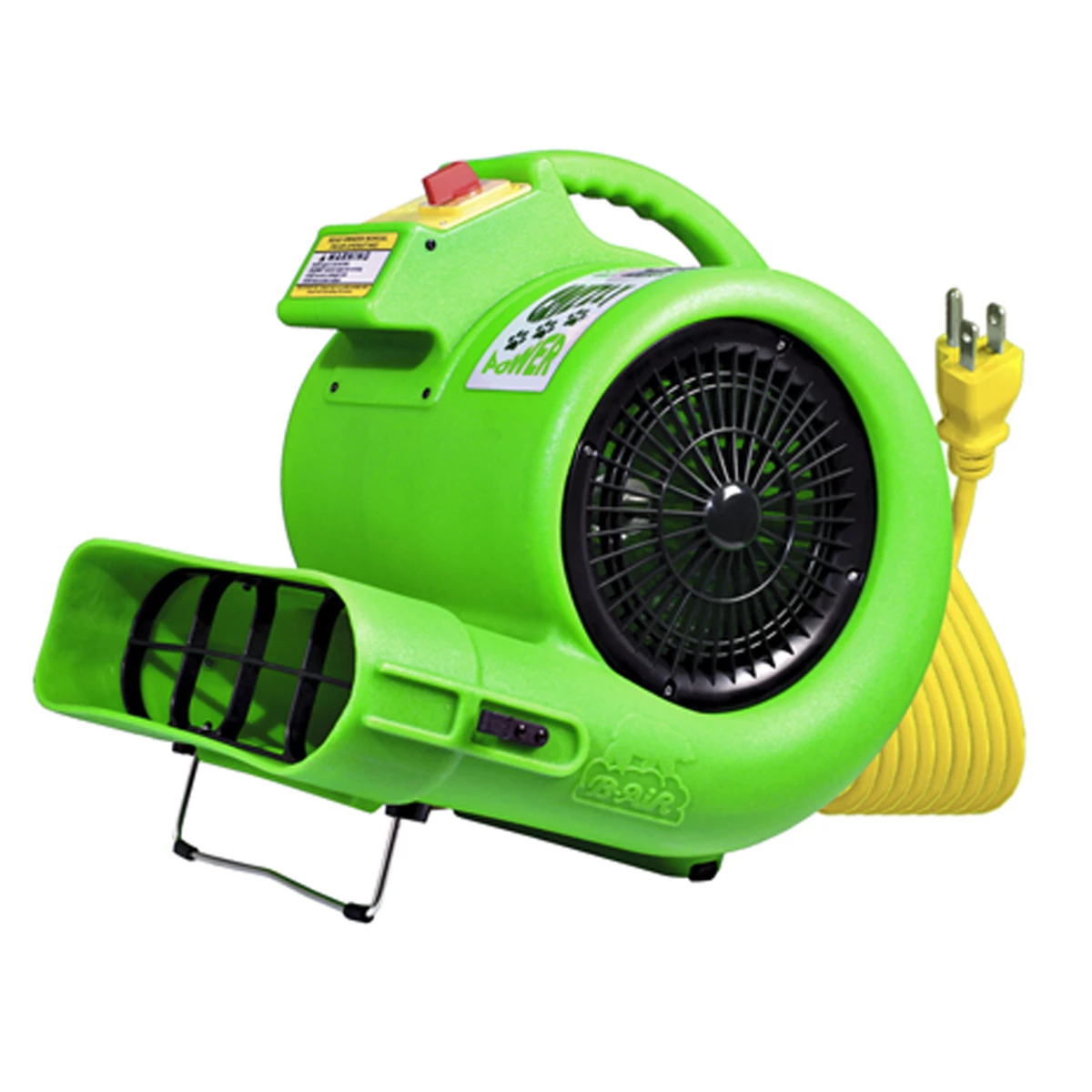
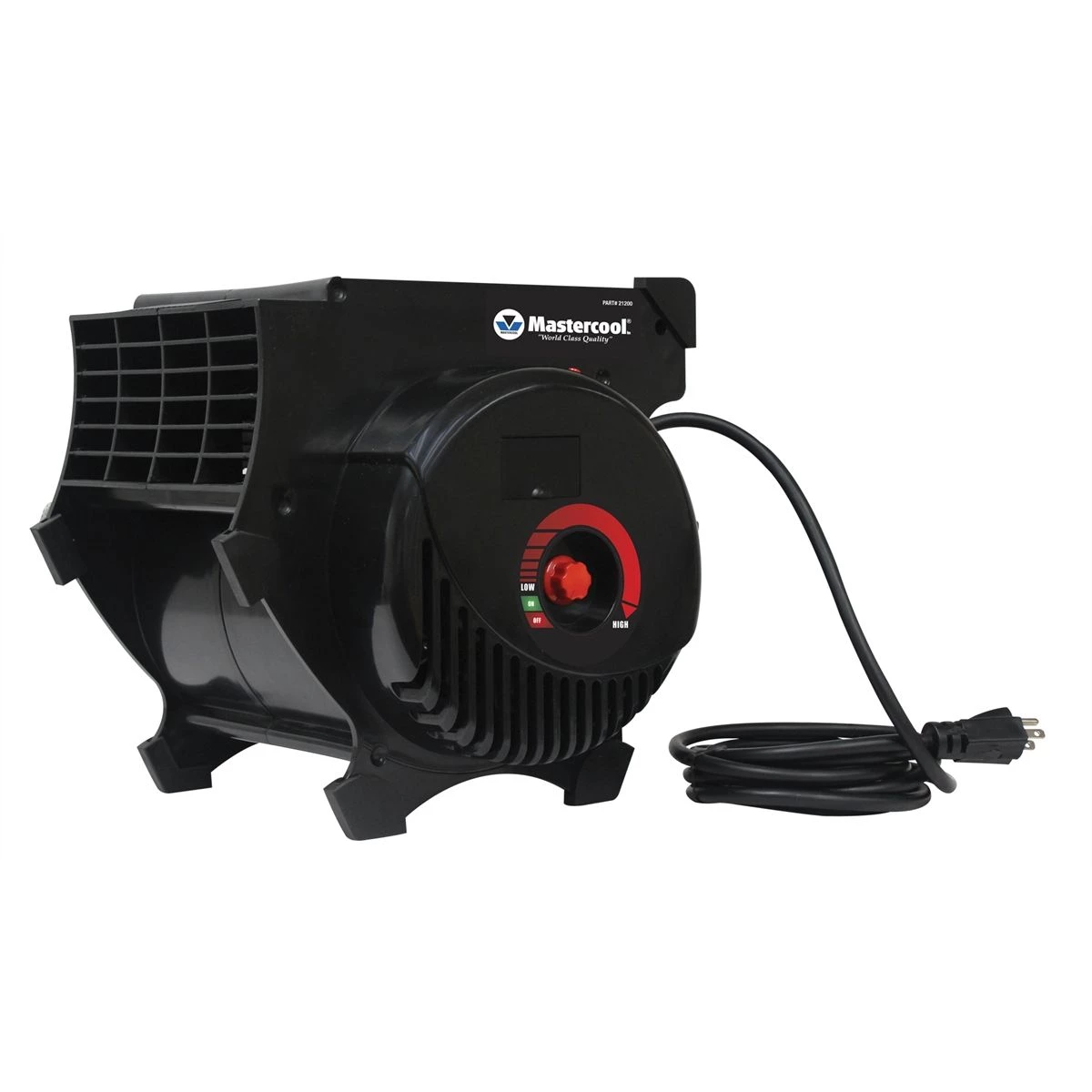
The fix that actually prevents this problem is simple and low-cost: don’t let water sit and dry on a coated vehicle, whether it came from a wash, rain, or a sprinkler. A few practical approaches used by detailers and techs:
- Use a cordless leaf blower or a dedicated detailing air blower to clear water from body lines, mirrors, badges, and panel gaps immediately after a wash or before pulling into a garage after rain.
- Follow up blowing with a plush microfiber drying towel or waffle-weave towel on any remaining damp patches, working with light pressure to avoid marring.
- If a vehicle gets caught in rain and will sit for hours before it can be dried, park it somewhere shaded rather than in direct sun — heat is what locks the minerals in, so delaying the bake-in buys time to dry it properly later.
- For vehicles that are washed at home, finish with a quick final rinse using filtered or deionized water where possible. This reduces the mineral load left behind even if some water does evaporate on its own.
A dedicated air blower is the single most requested tool in this conversation among techs and enthusiasts, since it clears water from recesses a towel can’t reach without contact, and it’s fast enough to do immediately after pulling into a garage.
PRODUCT_SEARCH_PLACEHOLDER_1
Is Ceramic Coating the Right Choice for This Vehicle?
Coatings reduce the contact needed during washing and drying, add a layer of chemical resistance, and help slow clear coat oxidation over time. They do not add meaningful UV protection beyond what a clear coat already provides, and they do not eliminate the need for aftercare — if anything, they raise the maintenance bar compared to a car with no protection at all.
Before recommending a coating, walk the customer through their actual parking and driving habits:
- Daily drivers that are parked outdoors and exposed to regular rain or sprinklers are higher risk for water spot etching unless the owner is willing to dry the car promptly after every exposure.
- Garage-kept vehicles that get driven occasionally in wet weather are lower risk, since there’s usually a window to dry the car before it sits for days.
- Owners who want a “wash it and forget it” experience with zero extra maintenance steps may be better served by a durable sealant or a coating-and-wax combination with a shorter reapplication cycle, rather than a multi-year ceramic coating that demands this level of attention.
Setting these expectations at the time of installation avoids callbacks and complaints months later when spotting shows up.
Correcting Existing Water Spot Etching
Once minerals have etched into a coating, chemical water spot removers are worth trying first since they’re low-risk and inexpensive, but understand that they rarely fully resolve etching that’s gone past the surface level. If the spots don’t lift after one or two applications, the realistic path is:
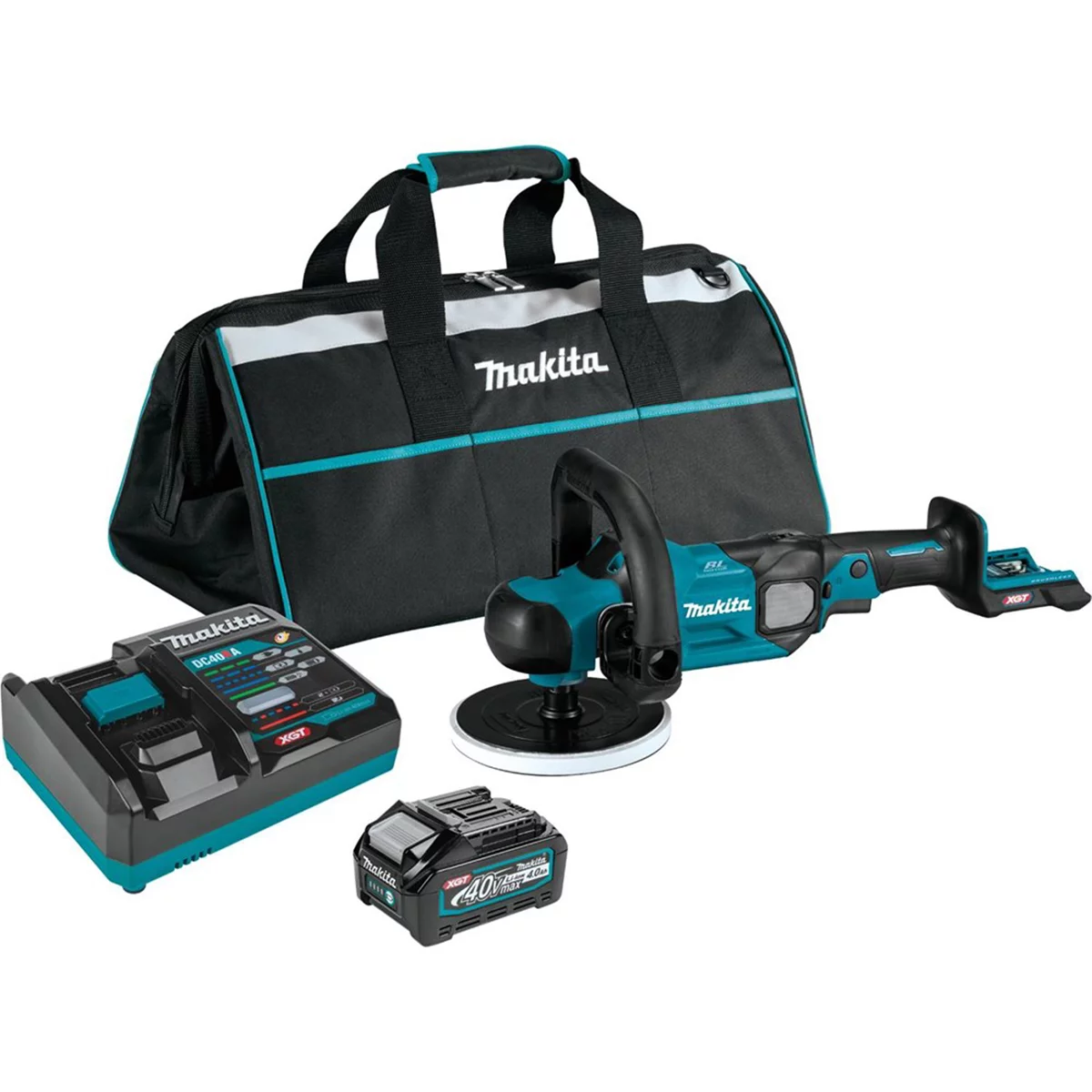
- Polish the affected panels to remove the etched layer along with the degraded coating above it.
- Inspect the clear coat thickness in heavily affected areas before aggressive correction, particularly on vehicles that have been corrected before.
- Re-decontaminate and reapply the ceramic coating (or a maintenance topper) once the surface is fully corrected and clean.
- Set a maintenance routine with the customer going forward — this is the point where the drying habit actually needs to start, or the cycle repeats.
Topping a Coating with a Sealant or Wax
Some techs run a wax or sealant layer over a cured ceramic coating as a sacrificial topper, both for added beading/sheeting performance and as a buffer that takes some of the mineral exposure instead of the coating underneath. Traditional carnauba-based waxes known for strong, uniform beading are a common choice here, since the topper layer is easy and cheap to reapply every few months compared to re-polishing and recoating an entire panel. This isn’t a substitute for drying the car promptly, but it adds a small margin of error for customers who won’t always get to the car in time.
Quick Checklist: Protecting a Ceramic-Coated Vehicle
- Dry the car (blower + towel) within an hour of any wash, rain, or sprinkler exposure
- Avoid parking a wet, coated car in direct sun or a hot garage before it’s dried
- Use filtered or deionized water for final rinses when washing at home
- Set customer expectations on maintenance load before installing a coating
- Try a dedicated water spot remover before jumping to polishing
- Reserve full polish-and-recoat for spots that won’t lift chemically
PRODUCT_SEARCH_PLACEHOLDER_2


Frequently Asked Questions
Does ceramic coating prevent water spots?
No. Coatings change how water behaves on the surface (beading or sheeting) but don’t prevent mineral deposits from etching in if water is left to dry on the panel.
How long can water sit on a ceramic coating before it causes spotting?
There’s no fixed time, since it depends on water mineral content, heat, and sun exposure. As a practical rule, dry the vehicle within an hour of exposure, and don’t let beaded water sit through a hot afternoon.
Will a water spot remover fix etched spots on a coating?
Sometimes, for light or recent spotting. Deep or long-set etching usually requires polishing the affected area and reapplying the coating.
Is a leaf blower safe to use on a car’s paint?
Yes, when used at a reasonable distance and without pointing it directly at a single spot long enough to generate heat. Cordless handheld blowers sized for detailing work are the common choice among techs for this task.
Does ceramic coating protect against UV damage?
Not meaningfully. Coatings primarily help with chemical resistance and reduced contact during cleaning; the clear coat itself remains the primary UV barrier.
Should every customer get a ceramic coating?
No. Customers who can’t commit to prompt drying after rain or washing, including those who park outdoors with regular sprinkler exposure, may be better served by a sealant or wax program with lower maintenance demands.
Polishes and Waxes for Ceramic-Coated Vehicles
Maintaining and correcting ceramic coatings—whether removing water spots, polishing out etched damage, or topping with protective wax—requires the right products on hand. Our polishes and waxes selection covers everything needed for coating maintenance and repair.
- Water spot removers and chemical treatments for mineral deposits
- Polishing compounds for correcting etched or damaged surfaces
- Protective waxes and sealants for layering over cured coatings

The Toolsource Technical Team blends decades of real-world automotive service experience with up-to-date technical research. Our writers collaborate with professional mechanics, shop owners, and diagnostic specialists to deliver practical, workshop-ready guidance you can trust.


Follow us on social media