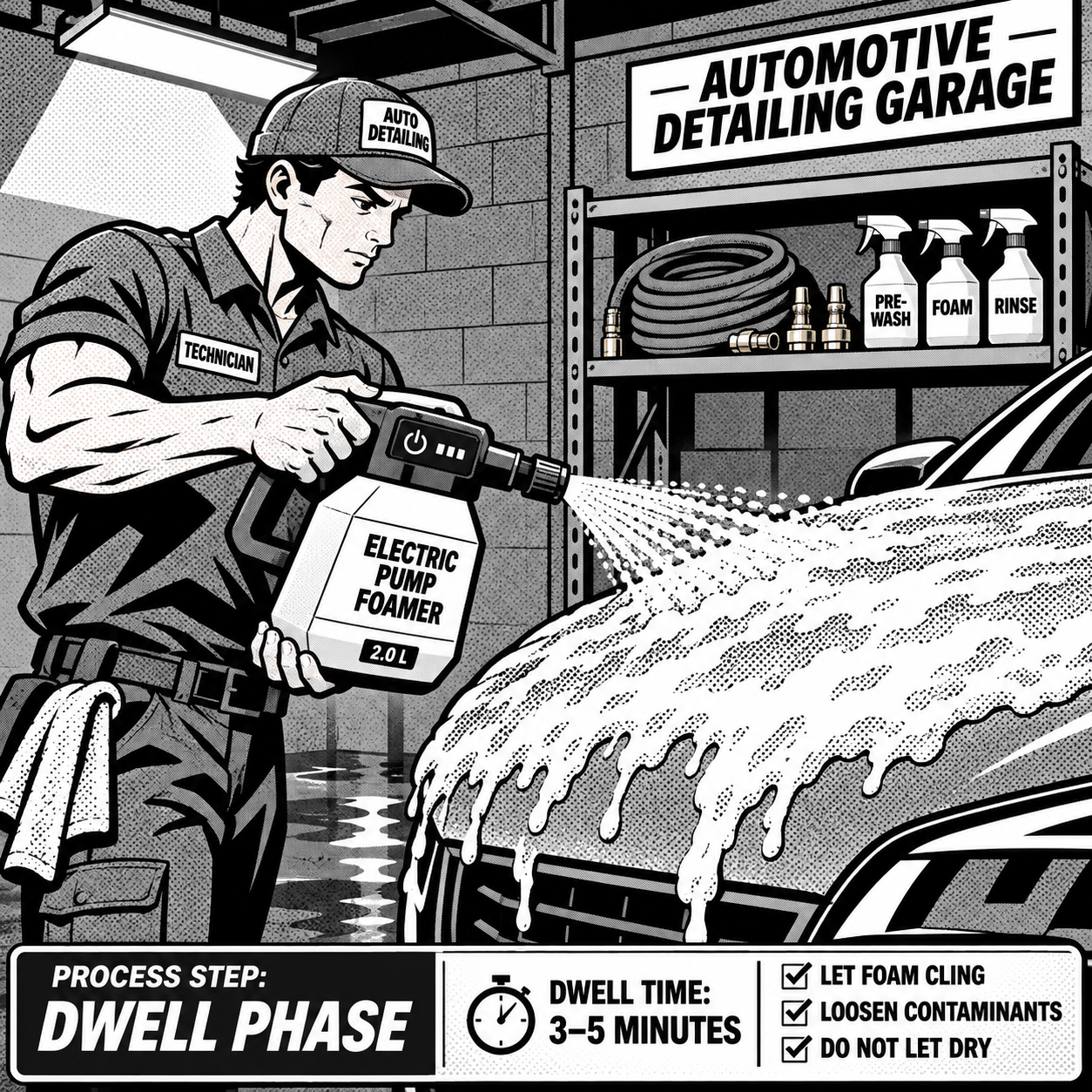
Not every wash needs a pressure washer, a foam cannon, and a half hour of hose dragging. A low-pressure foam wash — done with a pump sprayer or electric foamer, a quality nozzle, and a garden hose — gets a daily driver clean in under an hour with less equipment, less water, and less risk of marring paint. This method gets referenced online as the “Garry Dean method,” after one of the earlier YouTube detailers to popularize it, but the technique itself is simple and worth understanding on its own merits: pre-soak, foam, dwell, rinse, repeat as needed. Here’s how to set it up correctly and where techs commonly cut corners that cost them time or paint.
Why Skip the Pressure Washer for Routine Washes
A pressure washer is overkill for a car that just has a week or two of dust and light road film on it. It requires hookup time, hose management, and — if the tip or distance is wrong — enough force to strip wax, lift trim, or drive water into door seals and badges. For maintenance washes, low-pressure foam does the lifting work chemically instead of mechanically. The foam clings to the surface, dwells, and breaks down bonds between dirt and paint before any contact or rinse happens. That’s a meaningfully lower-risk process than blasting with a wand, and it’s fast enough that techs and owners are more likely to actually do it on a regular cadence instead of skipping washes because the full pressure-washer setup is a hassle to drag out. Save the pressure washer for genuinely heavy grime, winter road brine, or undercarriage work.
Build a Low-Pressure Foam Rig That Lasts
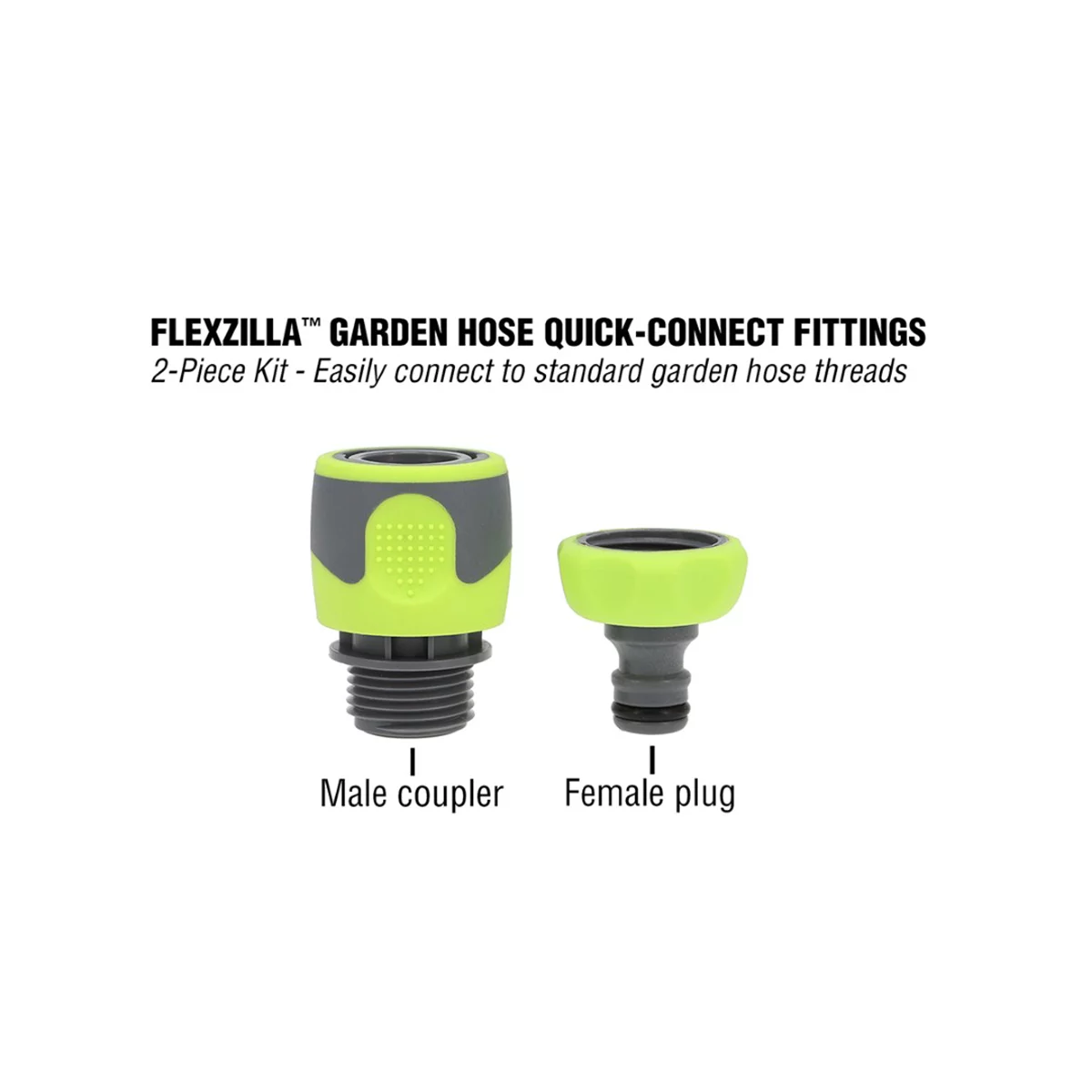
The rig is simple: a foamer (hand-pump, battery electric, or a 1–2 gallon pressurized garden sprayer), a quality spray nozzle on the hose end for rinsing, and quick-connect fittings so you’re not fighting threaded couplers mid-wash. A few practical notes from techs who’ve cycled through multiple setups:
- Electric pump foamers are worth the upgrade over hand-pump units — hand pumps lose pressure quickly and require constant re-pumping mid-wash, which breaks your rhythm and wastes time on a vehicle.
- Pressurized garden-type sprayers (2-gallon chapin-style) hold more volume and spray longer per fill than small hand-pump units, which matters if you’re running a rinseless or pre-soak pass on a larger vehicle.
- Nozzle durability matters more than price suggests. Big-box hardware store nozzles are cheap individually but fail fast — cracked seals, stuck triggers, leaking at the hose thread — and techs report going through several a year. A heavier-built brass nozzle with a 10-year warranty and serviceable internals (replaceable O-rings and seals) costs more up front but avoids the repeat-purchase cycle.
- Quick-connect fittings on both the hose and attachments save real time across a shift if you’re washing more than one vehicle, since you’re not unscrewing and rescrewing threaded fittings between tasks.
Foamer capacity matters too: a compact ~1.75L foamer will typically cover a sedan-sized vehicle twice per fill; larger trucks or SUVs may need a bigger tank or a second fill mid-wash.
[PRODUCT_SEARCH: brass garden hose spray nozzle with quick connect]


Pre-Wash Chemistry: Handling Road Film and Bug Guts
Foam alone doesn’t always cut it, especially in wetter climates where road film builds up as a stubborn brownish layer that a single foam-and-rinse pass won’t fully remove. That film is largely organic — oil residue, bug remains, tar — and it responds better to rehydration and dwell time than to friction. A dedicated pre-wash (sometimes labeled a “touch-less” or alkaline pre-soak product) is formulated specifically for this: higher alkalinity breaks down organic grime before any foam cannon or contact wash touches the panel. Apply it, give it real dwell time (several minutes, not a quick spray-and-rinse), and rinse thoroughly before moving to your main foam stage. Never try to wipe dried road film off dry — that’s the fastest way to turn embedded dirt into fine scratches. If film is still visible brown-ish after a pre-soak and foam pass, repeating the pre-soak step is safer than adding mechanical contact.
Step-by-Step: The Foam Wash Process
The sequence that keeps swirl risk low and cleaning power high:
- Rinse the vehicle with the hose and nozzle to knock off loose dust and grit before any product touches the paint.
- Pre-soak stubborn areas (lower panels, wheel wells, grille) with a dedicated pre-wash/alkaline cleaner. Let it dwell per label instructions, then rinse.
- Apply your main foam via pump sprayer or electric foamer, covering the full vehicle. Let it dwell a few minutes — enough to loosen dirt, not so long it dries on the panel in sun or heat.
- Contact wash if needed with a wash mitt and a two-bucket method, or skip contact entirely if the foam dwell already lifted most of the dirt.
- Final rinse from the top down with the hose nozzle, then dry.
For vehicles washed frequently (weekly or every other week), many techs skip the pre-wash/contact steps entirely and rely on a rinseless wash method instead — see below.
Rinseless Washing Between Full Washes
A rinseless wash — using a concentrate like Optimum No Rinse (ONR) in a spray bottle or pump sprayer — is a legitimate maintenance option between full foam washes, particularly for lightly dirty vehicles or when water access is limited. The process is: mist the panel with the rinseless solution, wipe with a clean microfiber, flip to a clean side or swap towels frequently, and move to the next panel without rinsing. It’s lower-risk than people assume as long as the solution concentration and towel-changing discipline are maintained — the lubricity in the product is what prevents marring, not the absence of a rinse step. That said, rinseless washing is not a substitute for periodic full washes and decontamination; relying on it exclusively for months at a time without a deeper wash and clay/iron-removal pass risks letting embedded contamination build up under any wax or ceramic coating. If a vehicle has gone an extended stretch on rinseless-only maintenance, schedule a full decontamination wash before applying or renewing any coating.
Buying Decisions: Durability and Serviceability
When speccing a nozzle, foamer, or quick-connect set for a shop or regular personal use, run the cost-per-year math rather than sticker price alone. A premium nozzle that costs several times more than a hardware-store unit can still be the better buy if it’s serviceable (replaceable seals/O-rings) and backed by a multi-year warranty, since it avoids the repeat-failure cycle of cheaper units that crack or seize within a season. Ask or check before buying:
- Is it field-serviceable, or fully sealed/disposable?
- What’s the warranty length and what does it actually cover?
- Does it use a standard thread/quick-connect so it’s compatible with other hose fittings already in use?
- Is the trigger mechanism metal or plastic — plastic triggers are the most common failure point under repeated daily use.
Quick Checklist: Low-Pressure Foam Wash Setup
- Hose nozzle with a serviceable, warrantied design (brass internals preferred over all-plastic)
- Electric or pressurized pump foamer sized to your largest vehicle
- Quick-connect fittings on hose and attachments
- Dedicated alkaline pre-wash for road film and organic grime
- Main foam wash soap rated for foam cannon/sprayer use
- Rinseless wash concentrate and dedicated microfiber towels for maintenance washes between full washes
- Two-bucket setup on hand if contact washing is needed
[PRODUCT_SEARCH: car wash foam sprayer kit]
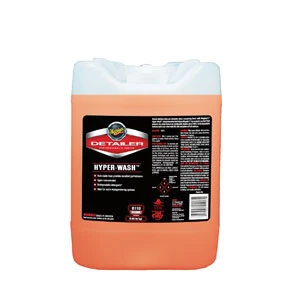
Meguiar's Hyper-Wash Biodegradable Car Wash Soap 5-Gallon
Mfg: Meguiars
Part #: D11005

FAQs
Do I need a foam cannon and pressure washer to foam wash a car?
No. A hand-pump or electric pump sprayer produces sufficient foam coverage for routine maintenance washes. Pressure washer foam cannons generate thicker foam and cover faster, but they’re not required for a clean result on a car that isn’t heavily soiled.
How long should foam dwell on the paint before rinsing?
A few minutes is typical — enough for the surfactants to break the bond between dirt and the paint surface. Don’t let it dry on the panel, especially in direct sun or heat, since dried soap residue can be harder to remove than the original dirt.
Is a pre-wash/alkaline cleaner safe to use regularly?
Yes, when used as labeled and rinsed thoroughly afterward. These products are designed to be applied and rinsed off, not left to cure like a wax or sealant. Avoid using them on freshly applied coatings without checking the coating manufacturer’s chemical compatibility guidance.
Can rinseless washing damage paint if done often?
Not inherently — the risk comes from reusing dirty towels or under-diluting the product, not from the method itself. Change to a clean microfiber panel or towel frequently and follow the manufacturer’s dilution ratio.
Why do cheap garden hose nozzles fail so fast?
Most failures are at the trigger mechanism or the internal seal, both commonly plastic in budget nozzles. Repeated pressure cycling and occasional drops crack these parts within a season or two of regular use, which is why serviceable, warrantied nozzles pay for themselves over time.
What’s the difference between a touch-less pre-wash and a regular car wash soap?
A touch-less or dedicated pre-wash is formulated with higher alkalinity to break down stuck-on organic contamination (road film, bug residue) without requiring agitation. Regular wash soap is milder and generally intended to be used with a wash mitt or contact method.
Protect Your Paint
A proper foam wash removes grime, but your paint needs ongoing protection. Polishes remove oxidation and contaminants, while waxes and sealants provide UV protection and water beading. Check the Car Care – Polishes and Waxes category for products matched to your paint condition.
- Polishes for removing oxidation and surface contamination
- Waxes and sealants for UV protection and long-term durability
- Products for different paint types and maintenance schedules

The Toolsource Technical Team blends decades of real-world automotive service experience with up-to-date technical research. Our writers collaborate with professional mechanics, shop owners, and diagnostic specialists to deliver practical, workshop-ready guidance you can trust.


Follow us on social media