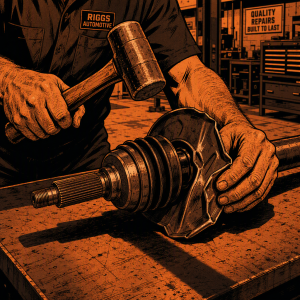
Bent Axle Dust Shield? How to Assess, Repair, or Replace It the Right Way
A dented or bent dust shield on a new axle or driveshaft is a common shipping and handling issue, and in most cases it’s fixable in the bay rather than a reason to send the part back. This guide walks through assessing the damage, reshaping the shield safely, and confirming it won’t rub or fail once installed.
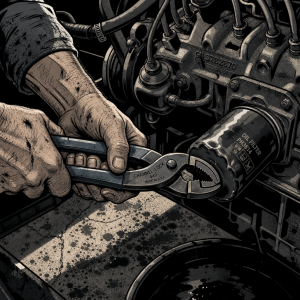
How to Remove a Stuck or Damaged Oil Filter Without Wrecking Your Day
When a stripped, corroded, or over-torqued oil filter won’t budge — and someone’s already tried a strap wrench or screwdriver on it — you need an escalation plan, not more guessing. This guide walks through the tool progression, from channel locks to air chisels, that actually gets seized filters off without damaging the mounting surface.
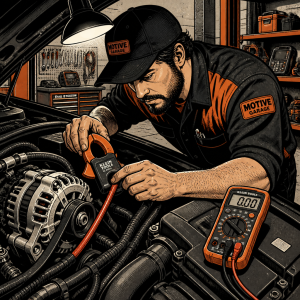
Is 13.9 Volts Normal? A Technician’s Guide to Diagnosing Smart Charging Systems
A voltage reading in the low 13s doesn’t automatically mean a bad alternator — especially on newer vehicles with computer-controlled charging. This guide walks techs through proper load testing, common false alarms, and the tools needed to diagnose smart charging systems correctly.
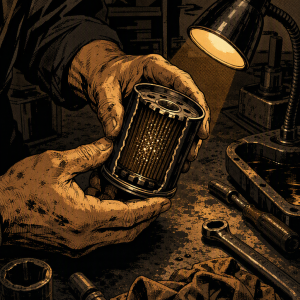
Engine Knock Diagnosis: How to Tell Rod Bearing Failure From Valve Train Noise
When a customer’s engine starts knocking, the internet always says “rod bearing” — but that’s not a diagnosis, it’s a guess. Here’s the actual shop workflow for isolating the noise, checking oil condition and pressure, and deciding whether the engine is savable before more damage happens.
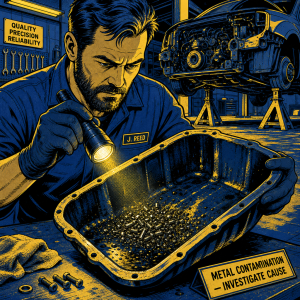
What to Do When You Find Metal Debris in Your Oil Pan: A Technician’s Guide
Discovering metal debris during an oil change can trigger immediate concern about engine damage. While pieces of broken dipstick tubes are among the most common findings, understanding what you’re looking at and how it got there is critical to determining your next steps and preventing catastrophic failure.
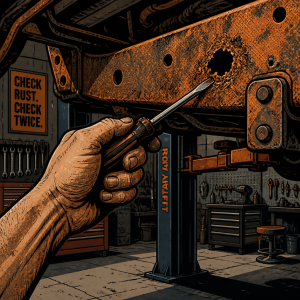
Rusted Frames and Subframes: A Technician’s Guide to Inspection, Repair, and the Replace-or-Drive Call
Rust corrosion on frames, subframes, and suspension components is one of the hardest calls a technician makes — surface pitting versus structural failure isn’t always obvious from a glance. This guide walks through the inspection methods, DIY treatment steps, and replacement thresholds shop techs actually use in the field.
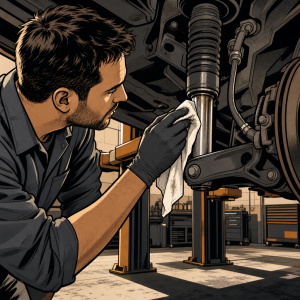
Shock Absorber Seepage vs. Leaking: What Technicians Need to Know
Understanding the difference between shock absorber seepage and actual leaking is critical for proper diagnosis and warranty claims. Most OEMs now distinguish between minor fluid misting and dripping failures, with specific criteria that determine whether a shock qualifies for replacement.
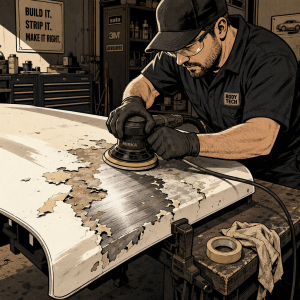
Peeling White Paint on Hyundai and Kia Models: A Technician’s Repair Guide
White paint delamination on 2011-2019 Hyundai and Kia models is a well-documented factory defect, not normal wear. This guide walks technicians and serious DIYers through diagnosis, warranty/recall checks, and the strip-to-metal refinish process that actually holds up.
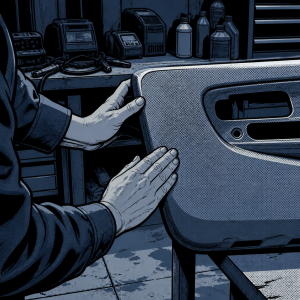
Servicing Saturn’s Polymer-Body Cars: A Technician’s Guide to Panels, Engines, and Parts
Saturn’s composite body panels made these cars famous for resisting dents and rust, but age and UV exposure turn them brittle. Here’s what technicians need to know about inspecting, repairing, and maintaining Saturns still on the road today.
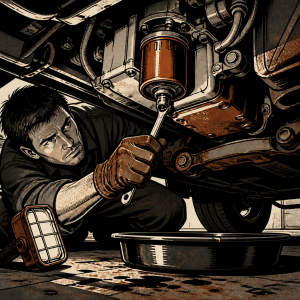
Grinding Noise After an Oil Change: A Technician’s Diagnostic Guide
A grinding or knocking noise right after an oil change is almost never a coincidence — it’s usually a service error. Here’s the step-by-step diagnostic process technicians use to find out whether it’s low oil, a bad filter seal, or something worse.


Follow us on social media