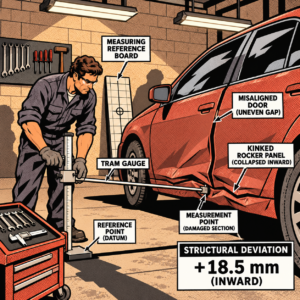
Unibody Damage Assessment: When a Frame Is Repairable vs. a Total Loss
Not every bent chassis belongs in a repair bay. This guide walks technicians through structural damage assessment, the real cost math behind repair-vs-replace calls, and the title/VIN pitfalls that trip up shell-swap jobs.
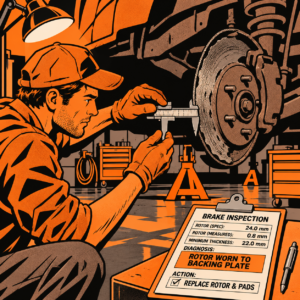
Can You Legally Keep a Customer’s Car? A Shop Guide to Unsafe-Vehicle Releases
When a car on your lift is a rolling hazard, what can your shop actually do before it leaves? This guide breaks down mechanic’s liens, duty-to-warn waivers, and the state-by-state rules techs need to know to protect themselves and the public.
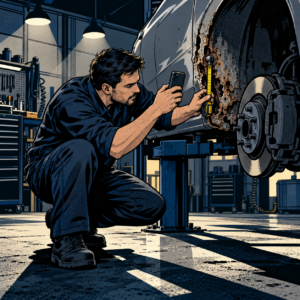
Comeback Diagnosis: How to Document and Handle a Botched Prior Repair
When a vehicle rolls in after a botched repair somewhere else, your diagnostic process needs to do double duty: fix the car and protect your shop. This guide covers documentation, common failure patterns, and how to communicate findings without starting a fight.
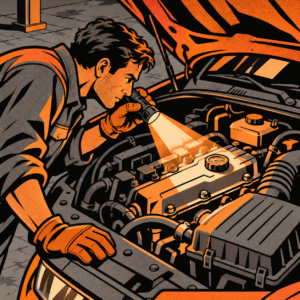
Reading a Used Car Like a Tech: What Tires, Fluids, and Fasteners Really Tell You
Experienced techs can size up a used car’s maintenance history in minutes by reading tires, fluids, fasteners, and cabin wear instead of trusting a seller’s word. This guide turns years of shop-floor observations into a repeatable inspection routine you can run on any PPI.
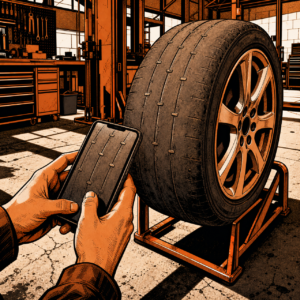
Customer Says You Never Warned Them? Here’s How to Make Declined Repairs Stick
Every shop has a customer who declines a repair, has something fail weeks later, and swears nobody warned them. This guide covers the documentation habits, scripting, and shop workflow changes that turn “he said, she said” into an airtight paper trail.
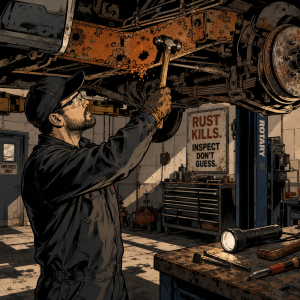
Rust Inspection 101: How Technicians Separate Surface Corrosion from a Total Loss
When a customer rolls in with a rust-belt vehicle, the difference between a quick repair estimate and a “get this off my lift” conversation comes down to a systematic inspection. Here’s how to check frame, suspension, and driveline rust like a pro before you commit shop time to it.
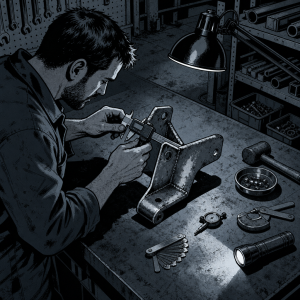
How to Identify a Mystery Tool or Broken Part Found in the Shop
Every shop has a drawer of unidentified metal that nobody can explain. This guide walks technicians through a systematic process for identifying mystery tools and broken parts—from reading tool marks to narrowing down likely sources—before deciding whether to keep, repurpose, or scrap them.
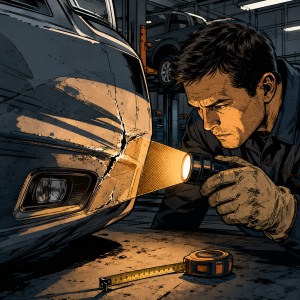
Spotting a Staged Collision Claim: A Technician’s Guide to Verifying Vehicle-to-Vehicle Contact Damage
Parking-lot “you hit my car” disputes land on shop counters more often than most techs expect, and getting the diagnosis wrong can cost a customer thousands. This guide walks through the paint transfer, height-matching, and documentation steps that separate a genuine collision from a staged claim.
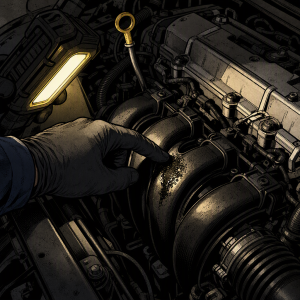
That Mystery Clean Spot in the Engine Bay: How to Read Oil Residue Like a Tech
A single wiped-clean patch on an intake manifold sparked a long thread of guesses, but the real answer comes down to reading dipstick drip patterns and knowing your engine bay layout. Here’s how to diagnose it the way a shop tech would, and when a “clean spot” actually means something.
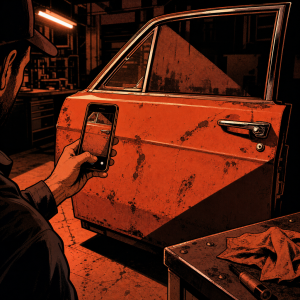
Cover Your Shop: A Technician’s Guide to Vehicle Intake Documentation
False damage claims and “you stole my gas” complaints are on the rise, and the only real defense is thorough documentation. Here’s a practical, technician-tested process for photographing and filming vehicles at intake and pickup so your shop is never left arguing he-said-she-said.


Follow us on social media