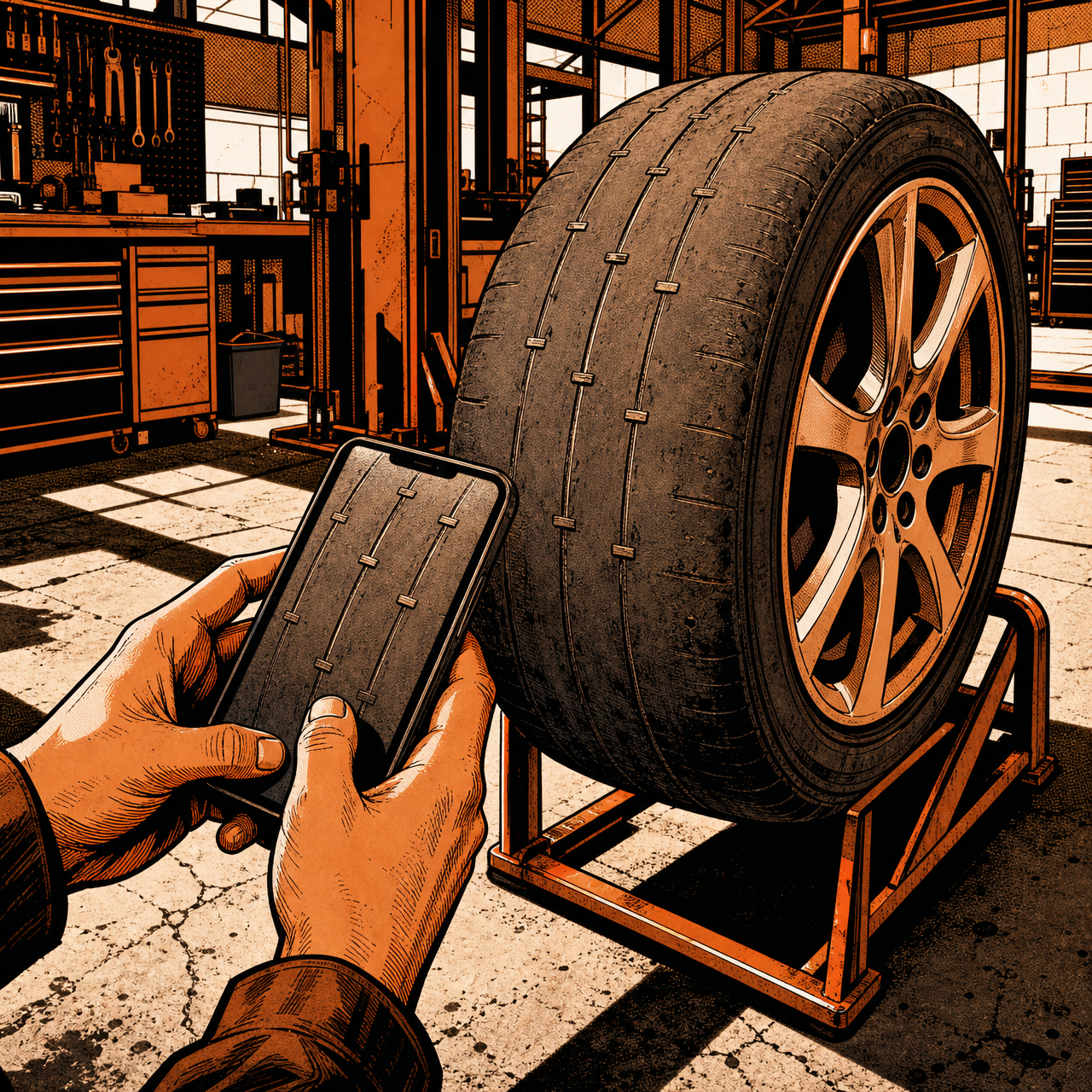
Every shop has lived this: you flag a worn tire, a weak battery, or a timing belt past due, the customer declines, and weeks later that same part fails. Now the customer is standing at your counter insisting nobody ever said a word. You know you told them. You might even remember the exact bay they were standing in. None of that matters if it isn’t on paper. The fix isn’t a better memory or a more convincing argument at pickup — it’s a documentation habit that removes the argument entirely.
Why a Verbal Warning Never Holds Up
A verbal heads-up at the counter disappears the moment the customer walks out the door. It’s not that customers are lying outright — some genuinely convince themselves they were never told, especially once they’re angry and looking for someone to blame for a bill they didn’t expect. Others know exactly what they declined and are hoping a confident denial gets them a free repair. Either way, your side of the story carries no weight without a record, and in a dispute, the customer’s word against yours is a contest you will not win.
The lesson shops learn the hard way is that the warning has to live somewhere outside the conversation. If it isn’t attached to the repair order, the invoice, or a timestamped message, it effectively didn’t happen. This is the mindset shift: stop treating the verbal warning as the documentation and start treating it as the cue to create documentation.
Build a Repair Order That Actually Protects You
The repair order is your primary legal record, and most shops underuse it. A line that just says “declined” is weak. A repair order that does its job includes specifics: the exact condition found, the date, the recommendation, and the customer’s explicit response. A few habits make a real difference:
- Write the finding in plain, specific language — “front tires at 2/32, below legal wear bars” beats “tires worn.”
- Have the customer initial next to each declined item, not just sign once at the bottom. A single blanket signature is easy to argue around; initials next to a specific line are not.
- Note the date and time of each conversation if the decline happens more than once. “Advised 6/12, declined. Advised again 9/3, declined” is far stronger than a single mention months before failure.
- Keep a copy the customer can’t dispute receiving — hand them a printed copy, email it, or text a photo of the signed form.
Several advisors have gone back to texting a photo of the signed paper RO even when their shop management software already tracks declines digitally — belt-and-suspenders habits like that are cheap insurance against a “the system lost it” argument later.
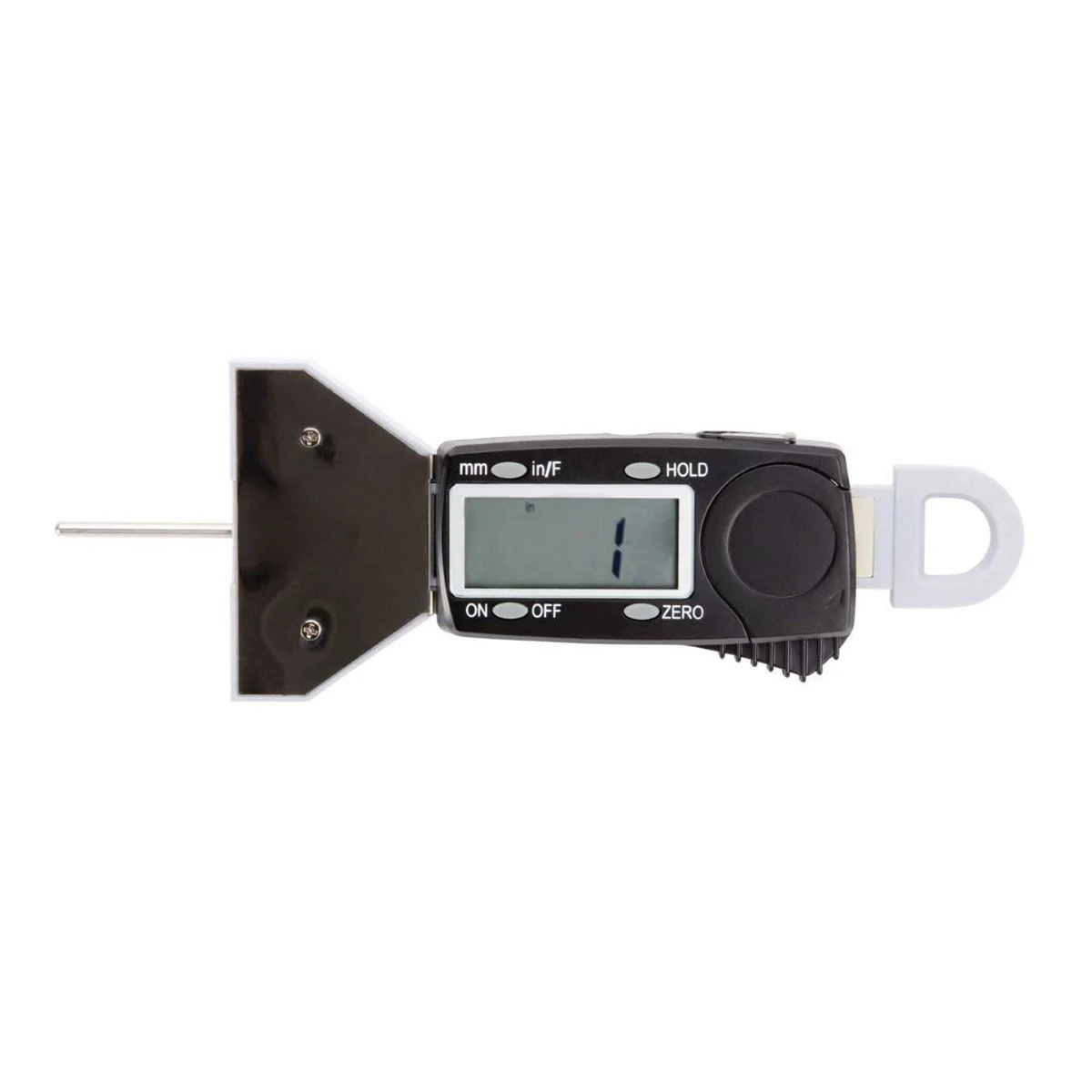
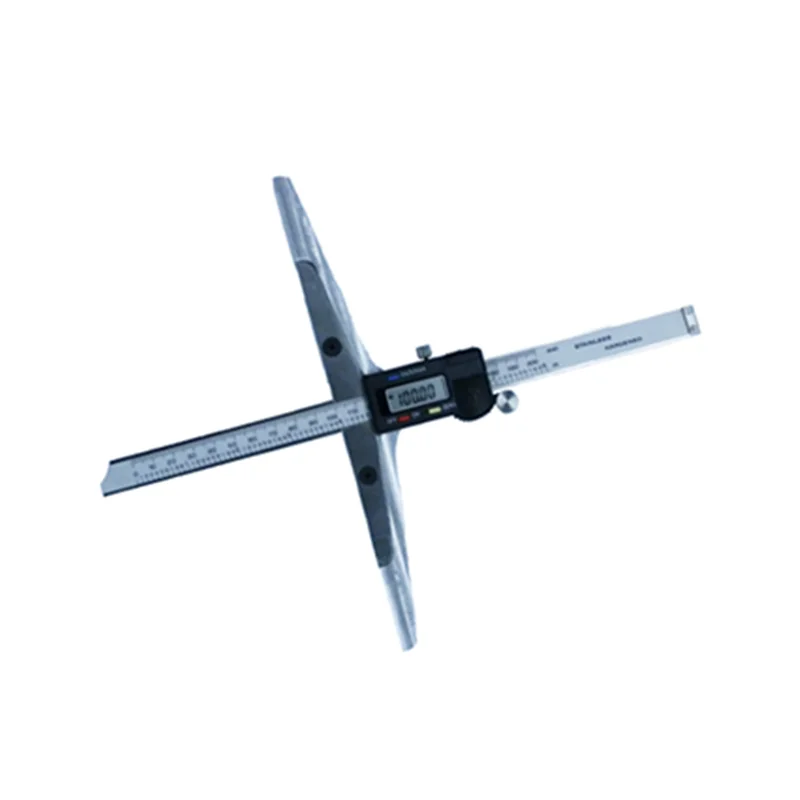
[PRODUCT_SEARCH: digital tire tread depth gauge]
Photos Close the Gap Words Leave Open
Text on a repair order describes a problem. A photo proves it existed, on that vehicle, on that date. Shops that have moved to digital vehicle inspections with photo-attached estimates report that disputes drop off almost entirely, because the customer is looking at a picture of their own worn tire or corroded battery terminal next to the line item they declined. It’s much harder to claim ignorance about a problem you can see in a photo timestamped to your own estimate.
This doesn’t require expensive equipment — a phone camera and whatever inspection module your shop management software offers is enough. The habit that matters more than the tool: every declined item gets a photo attached to the estimate before it goes out, every time, not just for the customers you suspect will be difficult. Building it into the inspection workflow for every vehicle means it’s already done before you know which customer is going to need it.
For big-ticket safety items — tires below wear bars, a battery that tests bad, visible fluid leaks, a belt with visible cracking — walk the customer out to the bay and show them in person if they’re on-site. Service writers who make a habit of this report it closes sales and head off disputes at the same time, because the customer saw the problem with their own eyes instead of hearing a description over the counter.
Choose Words That Don’t Get Filed Under “Upsell”
Part of why some warnings don’t land is the language. Tell a customer a battery “tests bad” while the car is starting fine in the parking lot, and the gap between what you said and what they’re observing makes them dismiss it as a sales pitch. The word that works better in that exact situation is “marginal” — it’s technically accurate, it doesn’t contradict what the customer is seeing with their own eyes, and it still conveys urgency: the battery is passing today but is likely to fail soon, especially heading into winter or extreme heat.
The same principle applies across any item that still “works” despite testing out of spec — a slipping belt, a leaking hose, a tire with uneven wear. Describe the measurement, describe the trend, and describe the consequence of waiting, rather than a flat “good” or “bad” that invites an argument. Customers push back on absolutes; they have a harder time arguing with a number and a timeline.
Know When the Customer Isn’t Worth Keeping
Some customers will never accept responsibility for a decision they made, no matter how clean your documentation is. If someone has already come back once insisting they weren’t warned — and the signed RO proves otherwise — that’s useful information about the relationship, not just the repair. Continuing to do business with a customer who argues with paperwork, disputes clear documentation, or treats every recommendation as a scam is rarely worth the staff time and goodwill it burns.
This isn’t about being vindictive. It’s a capacity decision. Techs and advisors who spend an afternoon re-litigating a six-month-old decline aren’t making money and aren’t serving the next customer in the lot. Many shops have a quiet policy: once a customer disputes well-documented work, future estimates get priced at full retail, declines get extra scrutiny, and if it happens a second time, the shop simply declines to schedule them. That’s a legitimate business choice, and it’s one owners are often slower to make than they should be.
Make Documentation a Workflow, Not a Judgment Call
The shops that stop having this argument entirely are the ones that removed the decision of “should I document this one” from the tech’s hands. If every inspection — oil change included — produces a digital report with photos, every decline gets initialed, and every repeat warning gets a new dated entry, there’s no customer-by-customer guessing about who might come back angry. The system catches all of them the same way.
That consistency matters more than any single tool. Paper RO with initials and photos texted to the customer, or a full digital inspection platform with timestamped reports — either works, as long as it happens on every vehicle, every time, without exception.
Decline Documentation Checklist
- Specific, measurable finding written on the RO (not just “worn” or “weak”)
- Customer initials next to each declined item, not a single blanket signature
- Date and time logged for every warning, including repeat mentions
- Photo attached to the estimate or inspection report for every declined item
- Copy provided to the customer (printed, emailed, or texted) at the time of decline
- Repeat-decline or dispute history flagged in the customer’s file for future visits
[PRODUCT_SEARCH: shop inspection and diagnostic tools]


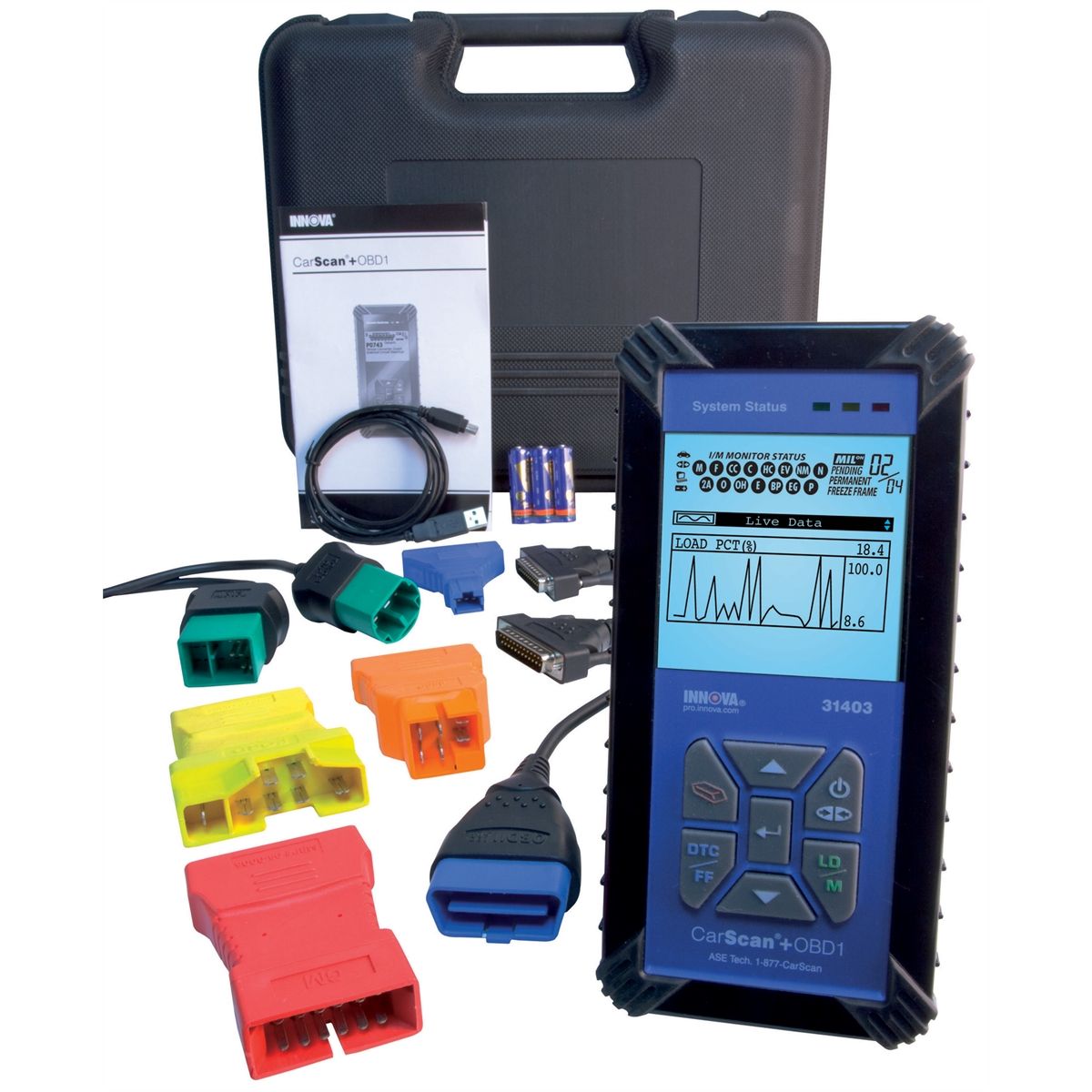
CarScan Diagnostic Interactive Scan Tool OBDI and II
Mfg: Equus Products
Part #: 31403
Frequently Asked Questions
Is a verbal warning legally worthless?
It’s not worthless, but it’s weak on its own. In a dispute, a verbal-only warning comes down to your word against the customer’s, and that’s a position you don’t want to be in. Pair every verbal warning with something written or photographed at the same time.
Do customers actually need to initial every declined item, or is one signature enough?
A single signature at the bottom of a repair order is easier for a customer to argue they didn’t read closely. Initials next to each specific declined line item are harder to dispute because they show the customer acknowledged that exact finding, not just the document as a whole.
What’s the fastest way to add photo documentation without new software?
A phone camera and a text message work. Many advisors photograph the worn part or failed test result and text it to the customer along with the estimate, creating a timestamped record outside the shop’s own system — useful even as a backup to software that already does this.
How should I word a warning for something that still technically works?
Avoid flat “good/bad” language when the part is functioning but out of spec — it invites the customer to dismiss the warning since nothing has failed yet. Use specific measurements and a word like “marginal” paired with a timeline for likely failure, so the warning is accurate without contradicting what the customer sees.
When is it reasonable to stop doing business with a customer?
When a customer disputes clearly documented work, insists they weren’t warned despite a signed and initialed RO, or treats routine recommendations as scams, it’s reasonable to limit or end the relationship. The documentation protects you legally; deciding not to re-engage protects your shop’s time and morale.
Should every inspection get a digital report, even routine oil changes?
Yes — consistency is what makes documentation hold up. If photo and digital inspection reports only happen for vehicles that look like trouble, you’ll have gaps exactly where you need the record most. Building it into every visit removes the guesswork.
Shop Inspection Tools
Documentation that holds up requires specific, measurable evidence — tire depth readings, battery test results, photos of worn parts. Our measurement tools and inspection equipment make it faster to capture the proof that prevents disputes.
- Tire depth gauges and wear measurement tools
- Battery testers and electrical diagnostic equipment
- Inspection cameras for timestamped photos of problem areas

The Toolsource Technical Team blends decades of real-world automotive service experience with up-to-date technical research. Our writers collaborate with professional mechanics, shop owners, and diagnostic specialists to deliver practical, workshop-ready guidance you can trust.


Follow us on social media