Ask any shop tech how long it takes to size up a used car’s real maintenance history, and the answer is usually “about five minutes, before I even plug in a scanner.” Sellers can clean up a cabin and reset a service light, but they can’t fake tire wear patterns, fluid oxidation, or the scar tissue left by years of under-hood neglect — or years of diligent care. The following inspection routine pulls together what working technicians actually check during a pre-purchase inspection (PPI), in the order that gives you the most information per minute spent.
Start at the Tires — Brand, Match, and Wear
Tires are the fastest tell in the business. A car wearing four matching, recognizable-brand tires (Michelin, Continental, Goodyear, Pirelli, Yokohama) with even tread wear usually belongs to someone who replaces tires as a set and rotates on schedule. A car with four different no-name tires, or three brands and one mismatched spare-turned-permanent-tire, is a flag — not necessarily a dealbreaker, but a sign that whoever maintained the car was reacting to failures rather than staying ahead of them.
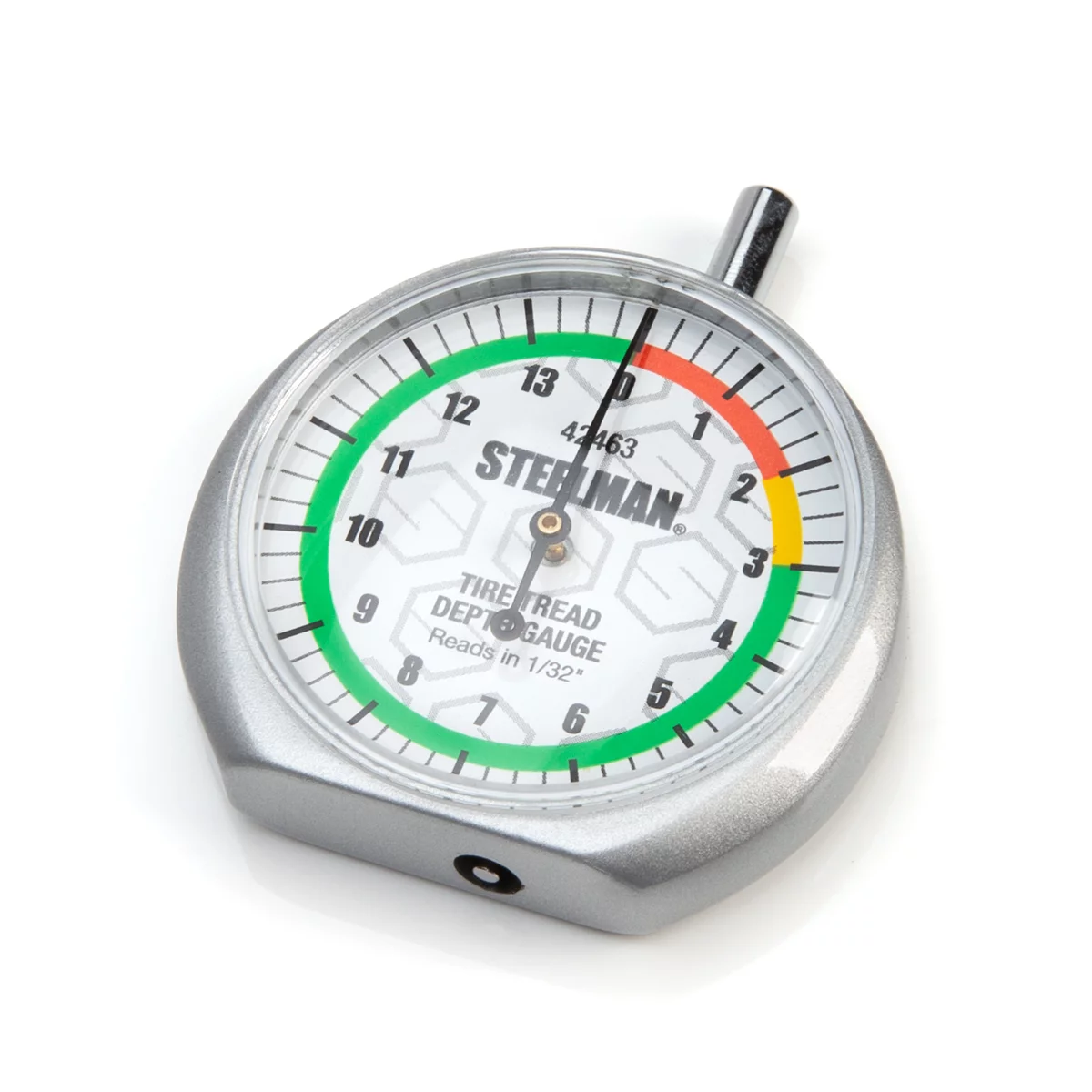
Check tread depth across the width of each tire, not just the center — uneven wear across the tread face points to alignment or suspension issues, while cupping suggests worn shocks or struts. Pull the DOT date code off the sidewall; tires that are chronologically old but visually fresh suggest low mileage, while tires under 2 years old that are already worn unevenly suggest a car that eats parts. Don’t skip the spare: a full-size spare that matches the other four in brand and air pressure is a stronger signal of a careful owner than almost anything else on this list.
Check Fluid Condition Before You Check Anything Mechanical
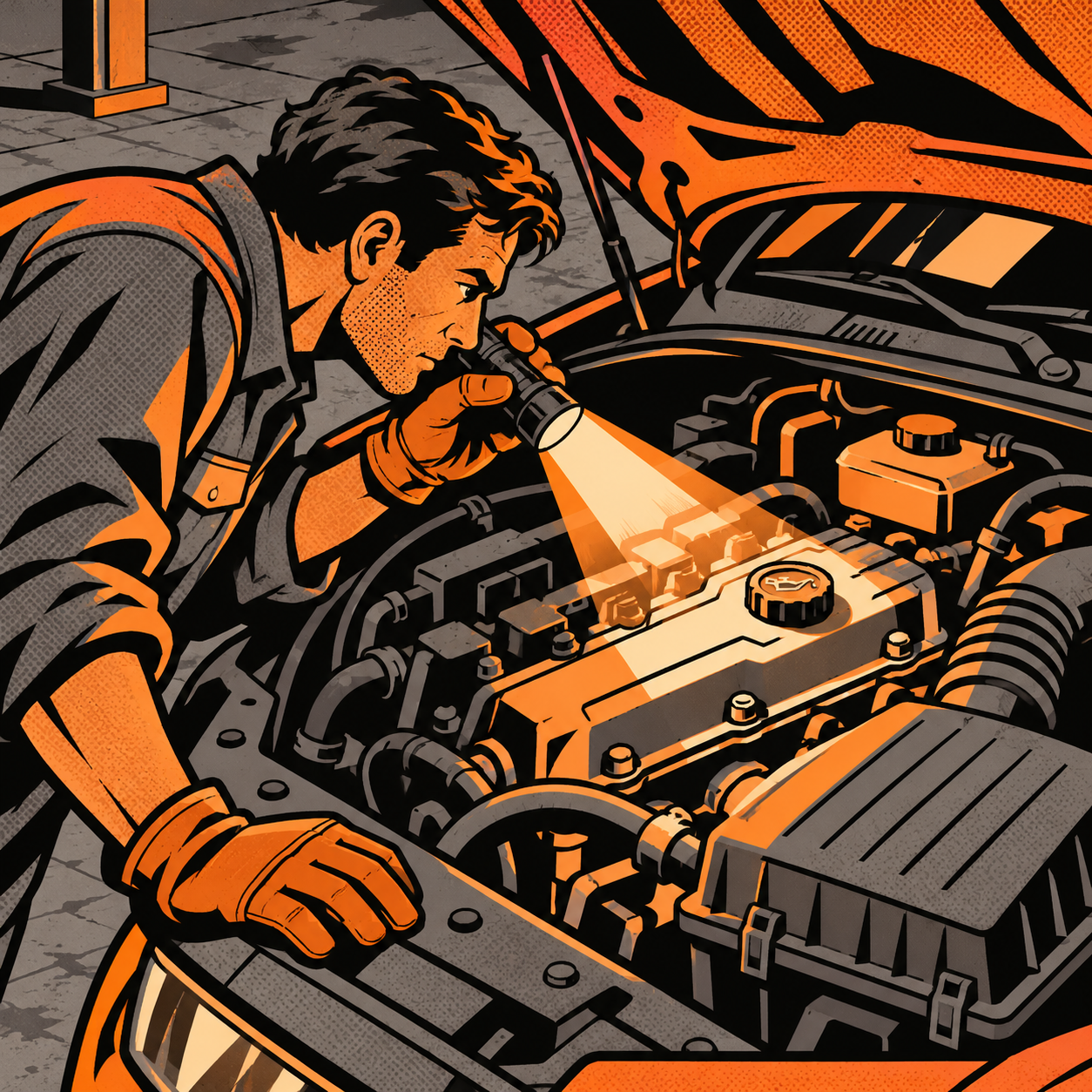
Pull the dipstick before you do anything else under the hood. Oil that’s dark brown to black with a gritty feel on the fingers, or a dipstick with visible discoloration baked into the metal at the fill line, points to long-neglected oil change intervals — the acidity from old oil literally stains the metal over time, and that stain doesn’t wash off with a single fresh fill. Pop the oil fill cap and look inside the valve cover opening with a flashlight: a thick, varnished, tan or black sludge coating is a strong sign of skipped maintenance, even if the dipstick reading looks okay.
Transmission fluid tells a similar story. Pull the dipstick or check the fluid through the fill tube — fluid that smells burnt or looks dark brown/black rather than red or amber suggests the transmission has been run hot or gone long past its service interval, which matters a lot more on a used-car budget than most buyers realize.
===PRODUCT_SEARCH_1===
Pop the Hood and Read the Wear Patterns
The engine bay is a timeline if you know how to read it. Start with the air filter box: broken tabs, bent clips, stripped-out screws, or a lid that doesn’t seat flush usually means the car has been through a string of quick-lube shops where someone in a hurry forced a panel instead of releasing it properly. Count the missing fasteners on plastic engine covers and splash shields — every missing clip is a data point about how many times, and how carefully, someone has been in that engine bay.
Battery terminals should be clean, with no heavy corrosion buildup. A dirty, corroded terminal on an otherwise well-kept car is a small thing, but it’s often the first sign that basic upkeep has started slipping. If you can get eyes on it, the underside of the oil fill cap and the top of the valve cover will show you sludge or varnish buildup that a clean exterior paint job can’t hide. Overall grime level in the bay is a softer signal — it’s not proof of anything on its own, but an owner who occasionally cleans the engine bay has, by necessity, opened the hood enough times to notice leaks, failing hoses, and worn belts before they become a breakdown.
Look for Fingerprints of Amateur or Rushed Repairs
Generic aftermarket hardware where OEM fasteners should be, zip ties standing in for broken clips, mismatched bolt heads, or stripped screw heads around panels are all signs that repairs were done cheaply or in a hurry — by the owner, a backyard mechanic, or a shop cutting corners. This matters more than cosmetic condition because it tells you whether repairs were done to spec or just done “good enough to pass.” A car with a binder of itemized repair receipts and OEM part numbers is about as strong a positive signal as you’ll find in a PPI — it turns a guess into a paper trail.
This is also where a lot of PPIs earn their value: a car can look spotless and still carry a laundry list of rushed, undocumented repairs underneath. Don’t let a clean exterior substitute for actually getting a light and a mirror into the wheel wells, around strut towers, and along the subframe.
Cabin and Small Details That Correlate With Overall Care
Interior condition is a secondary indicator, not a standalone verdict — plenty of mechanically sound cars (including techs’ own daily drivers hauling tool boxes) have rough interiors, and plenty of spotless interiors hide deferred maintenance. That said, in aggregate, a clean carpet that’s still soft and holds no embedded grit, a cabin air filter that isn’t packed with debris, working wiper blades (including the often-ignored rear wiper on hatchbacks and SUVs), and uncracked, un-grimed armrests and steering wheels do correlate with owners who stay on top of service intervals. Treat this category as a tiebreaker or a supporting data point, not your primary evidence.
Document and Score What You Find
Write everything down as you go, not after. A simple point system — tires, fluids, engine bay, fastener condition, documentation, interior — turns a subjective “feels well cared for” into a comparable score across multiple vehicles for a buyer cross-shopping several listings. If you do PPIs regularly, a standard checklist also protects you: it’s your record that you looked, and what you saw, before anyone signs anything.
===PRODUCT_SEARCH_2===
Quick PPI Walkaround Checklist
- All four tires match in brand and tread wear; spare matches and is properly inflated
- Dipstick and oil fill cap show no heavy discoloration, grit, or varnish
- Transmission fluid is red/amber, not dark or burnt-smelling
- Air filter box and engine covers are intact — no broken clips or stripped fasteners
- Battery terminals are clean; no major fluid residue or corrosion in the bay
- No generic hardware, zip ties, or mismatched bolts standing in for proper fasteners
- Service records or receipts available, ideally with OEM part numbers
- Cabin air filter, wiper blades (front and rear), and carpet condition checked as supporting evidence
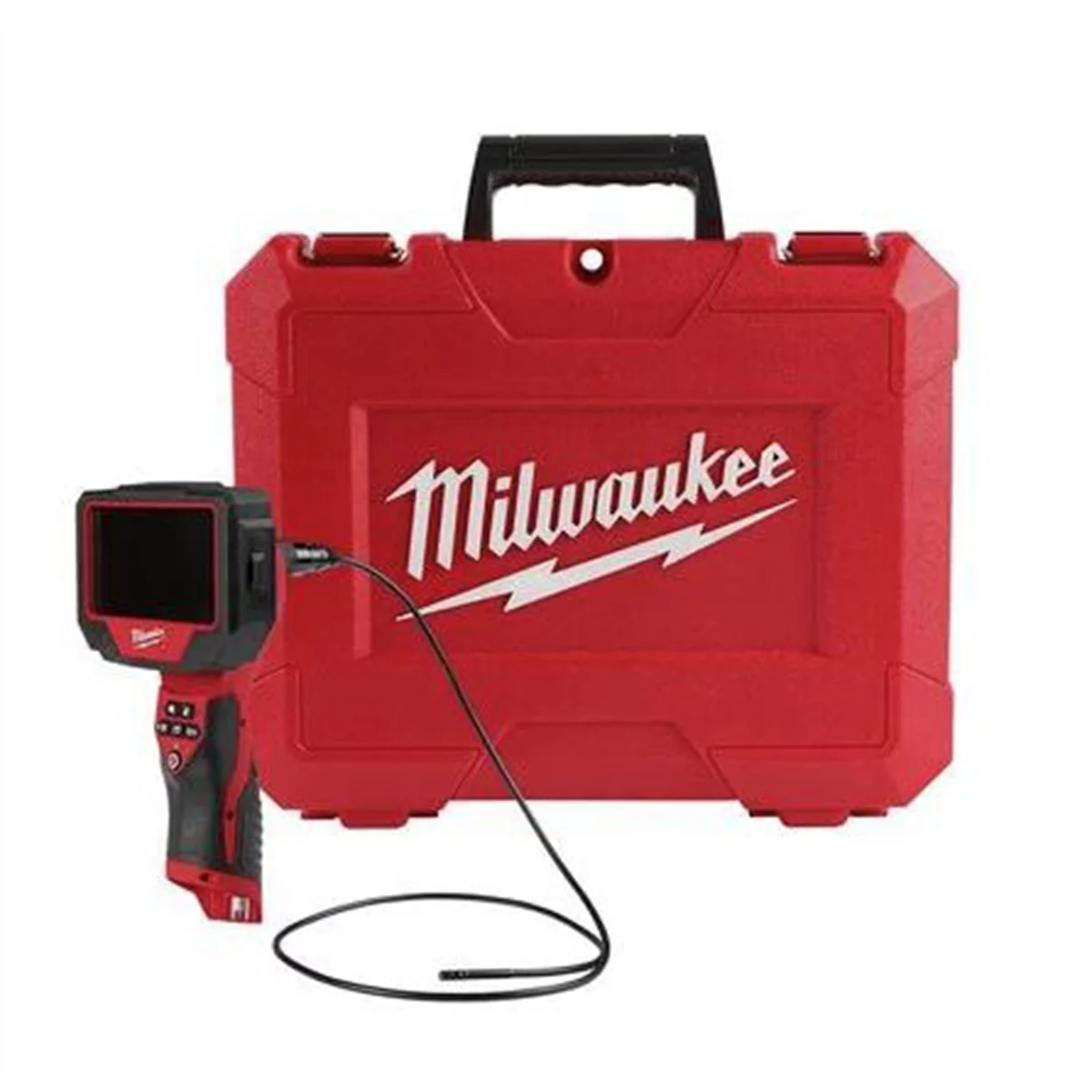
Milwaukee Tool M12 Auto Technician Borescope with 2.0 Starter Ki
Mfg: Milwaukee Electric Tools
Part #: TECHBORESCOPEKIT
FAQs
Does tire brand actually affect how a car was maintained, or is it just cosmetic?
It’s a proxy, not a direct cause. Owners who buy a full set of name-brand tires and replace them together tend to maintain the rest of the car on a schedule too. It’s not proof by itself, but it’s a fast, reliable early signal worth weighting heavily.
What’s the quickest way to judge oil condition without draining it?
Pull the dipstick and look at both the oil film and the metal itself — permanent discoloration at the fill line indicates long-term acid exposure from infrequent changes. Follow up by opening the oil fill cap and shining a flashlight down into the valve cover opening to check for sludge.
How can I tell if a car has been through a lot of quick-lube shops?
Look at the air filter box and surrounding plastic covers. Broken retention clips, stripped screws, and panels that don’t seat flush are the telltale signs of techs forcing fasteners instead of releasing them properly, which is common at high-volume, low-care service chains.
Is a clean interior a reliable sign of good mechanical maintenance?
It’s a supporting indicator, not a guarantee. Plenty of well-maintained vehicles — including many techs’ own daily drivers — have rough interiors from tool hauling or kids, and plenty of spotless interiors mask deferred maintenance. Weight it below tires, fluids, and fasteners.
What should I carry in a tool bag for a used-car PPI?
A tread depth gauge, a bright flashlight or inspection light, an inspection mirror or borescope for tight spaces, a basic OBD-II scanner, and a notepad or phone for a standardized checklist cover most of what’s described above without needing a full lift.
How do I check transmission fluid condition safely on a car I don’t own yet?
Most automatic transmissions can be checked with the engine running and at operating temperature by pulling the dipstick or checking through the fill plug, per the owner’s manual procedure. Look for color (red/amber, not brown/black) and smell (clean, not burnt) rather than attempting any fluid change during the inspection.
Equip Your Next Pre-Purchase Inspection
A thorough PPI requires the right tools to read what a car is telling you. The measurement and diagnostic equipment covered in this guide — tread depth gauges, inspection mirrors, flashlights, and OBD-II scanners — transforms a surface walkthrough into a reliable assessment. Browse our Measurement Tools and Inspection category to find what you need.
- Tread depth gauges and tire pressure monitoring tools
- Inspection lights, mirrors, and borescopes for under-hood and wheel-well access
- OBD-II scanners and diagnostic equipment for reading trouble codes

The Toolsource Technical Team blends decades of real-world automotive service experience with up-to-date technical research. Our writers collaborate with professional mechanics, shop owners, and diagnostic specialists to deliver practical, workshop-ready guidance you can trust.


Follow us on social media