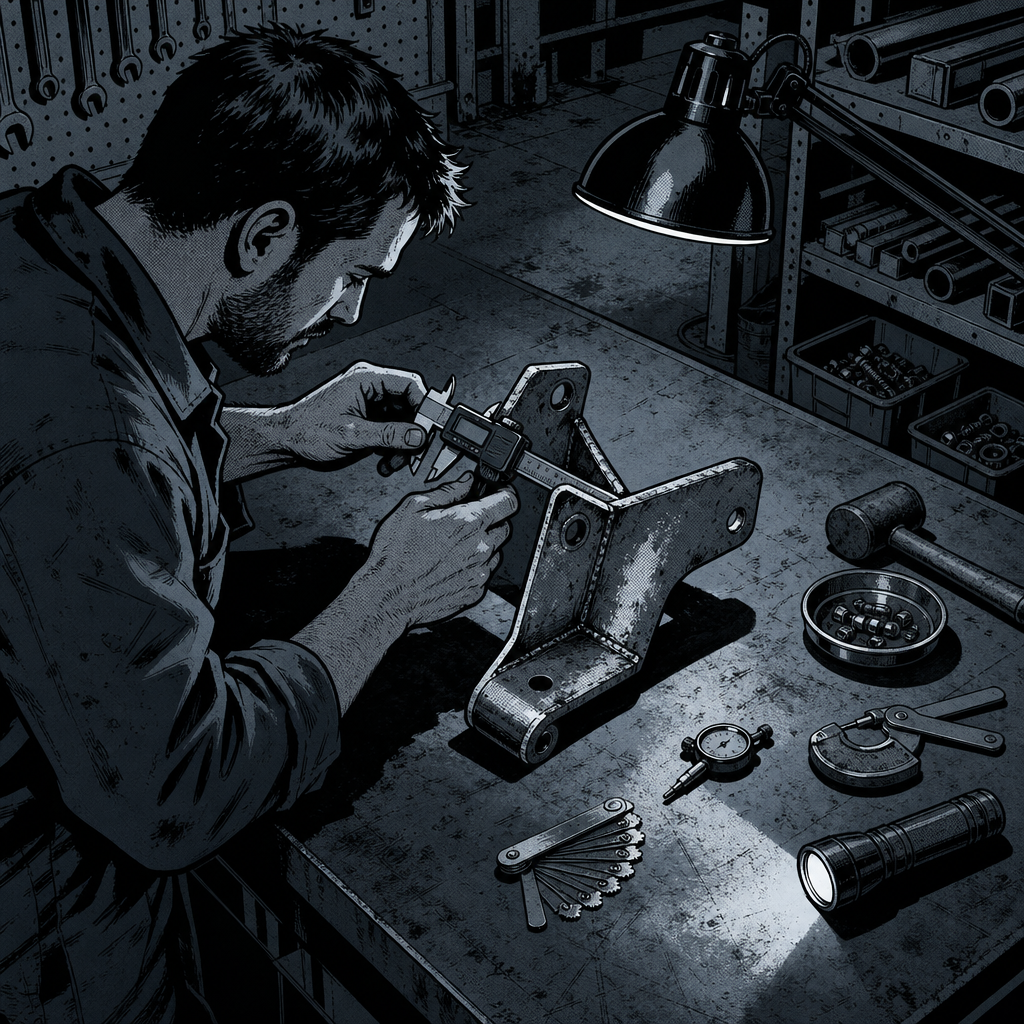
Every shop has a drawer, a shelf, or a coffee can full of metal objects nobody can explain—an oddly shaped bracket, a bent blade fragment, a hand-fabricated hook of unknown origin. Someone always half-jokes that it’s for the turbo encabulator. The reality is usually less exotic: a broken OEM part, a factory tool that lost its identifying stamp, or a one-off fixture some tech welded up years ago to solve a problem nobody wrote down. Figuring out what you’re actually holding takes a repeatable process, not a guess. This guide walks through how to read the physical evidence, narrow down the likely source, test it safely, and decide whether it’s worth keeping, repurposing, or scrapping.
Start With the Physical Evidence
Before you search online or ask around, put the part on a bench and actually inspect it the way you would a failed component during diagnosis. Look for:
Machining and tool marks. A clean, repeatable hole pattern or a broached profile (a shaped hole or slot cut with a broach, not drilled) tells you the part was manufactured, not hand-cut. Broached shapes are common on hardware meant to key a bolt head or nut so it can’t spin—carriage bolts, index pins, and some linkage hardware all use variations of this.
Wear patterns. Polished or rounded edges show where the part contacted something repeatedly. A shiny arc on the inside of a curve usually means it rode against a shaft, cable, or belt. Uneven wear on one side suggests it pivoted or indexed against a fixed point rather than moving freely.
Fabrication quality. Factory parts have consistent radii, uniform thickness, and clean stamped or cast edges. Hand-ground or torch-cut parts show inconsistent edges, grinder marks, and asymmetry—often a sign a technician built a one-off jig or leverage tool to solve a specific, repeatable problem in their bay.
Material and coating. Zinc plating, black oxide, or paint remnants can point toward OEM origin versus raw stock. Spring steel that’s still flexible versus a piece that snapped brittle tells you whether it failed from fatigue or from being over-stressed once.
Narrow Down the Likely Source
Most “mystery” parts that show up in a shop trace back to a short list of common sources. Work through these before assuming it’s something exotic:
- Mower and outdoor power equipment. Deck tensioner brackets, blade adapter hubs, and blades themselves (especially cheaper blades with holes designed to stop spin during removal) are frequent shop finds because they get replaced often and the old parts get tossed in a bin rather than the trash.
- Snow plow hardware. Cutting-edge bolts shear off in potholes and the trailing metal deforms as the plow drops—if a part looks like a chewed-up strip of hardened steel with a bolt hole at one end, check plow blade edges before anything else.
- Spring-tension release tools. A lot of shops fabricate a simple hooked or notched piece of flat stock specifically to hold back a belt tensioner spring while the belt is swapped. These get set down, forgotten, and later mistaken for something more mysterious.
- Homemade pry or leverage tools. An indexed or notched pry bar—something ground or welded to catch a specific lip or slot—usually exists because a factory tool for that job was expensive, back-ordered, or didn’t exist at all.
If the part doesn’t match anything in your own equipment mix, check whether it arrived with a used vehicle, a trade-in tool chest, or a batch of shop equipment bought secondhand. Parts travel between shops more often than people expect.

Test Fit and Function Without Damaging Anything
Once you have a theory, test it—carefully. Dry-fit the part against the suspected component before forcing anything. If you think it’s a tensioner spring tool, hold it in position by hand first rather than applying full leverage. If you suspect it indexes a blade or hub, check the bolt pattern and shaft diameter against spec before threading anything on.
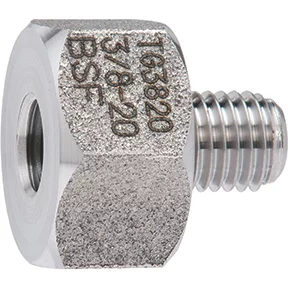
A digital caliper and a borescope camera make this step far more reliable than eyeballing it. Measure hole diameters, thread pitch, and material thickness, then cross-reference against parts diagrams for the equipment you suspect it came from. If the part is a broached fitting, a set of thread and broach gauges will confirm the profile in seconds instead of guesswork.
When It’s a Shop-Fabricated Tool, Not a Broken Part
Some finds aren’t broken components at all—they’re intentional, if unofficial, tools. Signs you’re looking at a homemade tool rather than debris:
- A single, purposeful bend or notch that doesn’t match any standard hardware profile.
- A handle or grip area that’s been taped, knurled, or otherwise modified for hand comfort—nobody bothers with that on scrap.
- Consistent wear concentrated at one working edge, suggesting repeated, deliberate use rather than a single failure event.
These tools are usually built to solve a job a factory tool handles poorly or not at all—reaching a fastener in a blind spot, holding tension where there’s no clearance for a spring compressor, or acting as an improvised knuckle-saving prybar in a tight bay. If you find one and it clearly works, log what it’s for on a tag or in a shop binder so the next tech doesn’t have to reverse-engineer it again. A five-minute note saves someone else an hour of guessing.
Safety Checks Before Reusing Anything Unidentified
An unlabeled tool or part carries real risk if you put it back into service without vetting it first.
- Check for fatigue cracking around any bend or weld, especially on hand-fabricated pry tools that see repeated leverage loads. A crack that isn’t visible under shop lighting can be caught with a flashlight at a low angle or a dye-penetrant check.
- Don’t chuck unknown metal into a rotary tool (drill, angle grinder, impact) without confirming balance and hardness first—an unbalanced or brittle piece can shatter or wobble violently at speed.
- Verify torque capacity before using a homemade leverage tool on a fastener spec’d for a torque wrench. Improvised prybars are fine for breaking loose or holding tension, not for final torque.
- Confirm it isn’t safety-critical debris—a broken piece of a brake, steering, or suspension component should never be repurposed; treat anything from those systems as scrap only.
Quick Reference Checklist
- Inspect for machined vs. hand-ground edges, broach marks, and wear patterns before guessing
- Measure hole diameter, thread pitch, and thickness with calipers/gauges
- Check the short list first: mower decks, plow edges, tensioner hardware, homemade pry tools
- Dry-fit by hand before applying force or leverage
- Inspect for fatigue cracks before reusing any unidentified metal tool
- Tag and log any confirmed shop-made tool so it doesn’t get “rediscovered” later
- Scrap anything traceable to a safety-critical system—never repurpose it
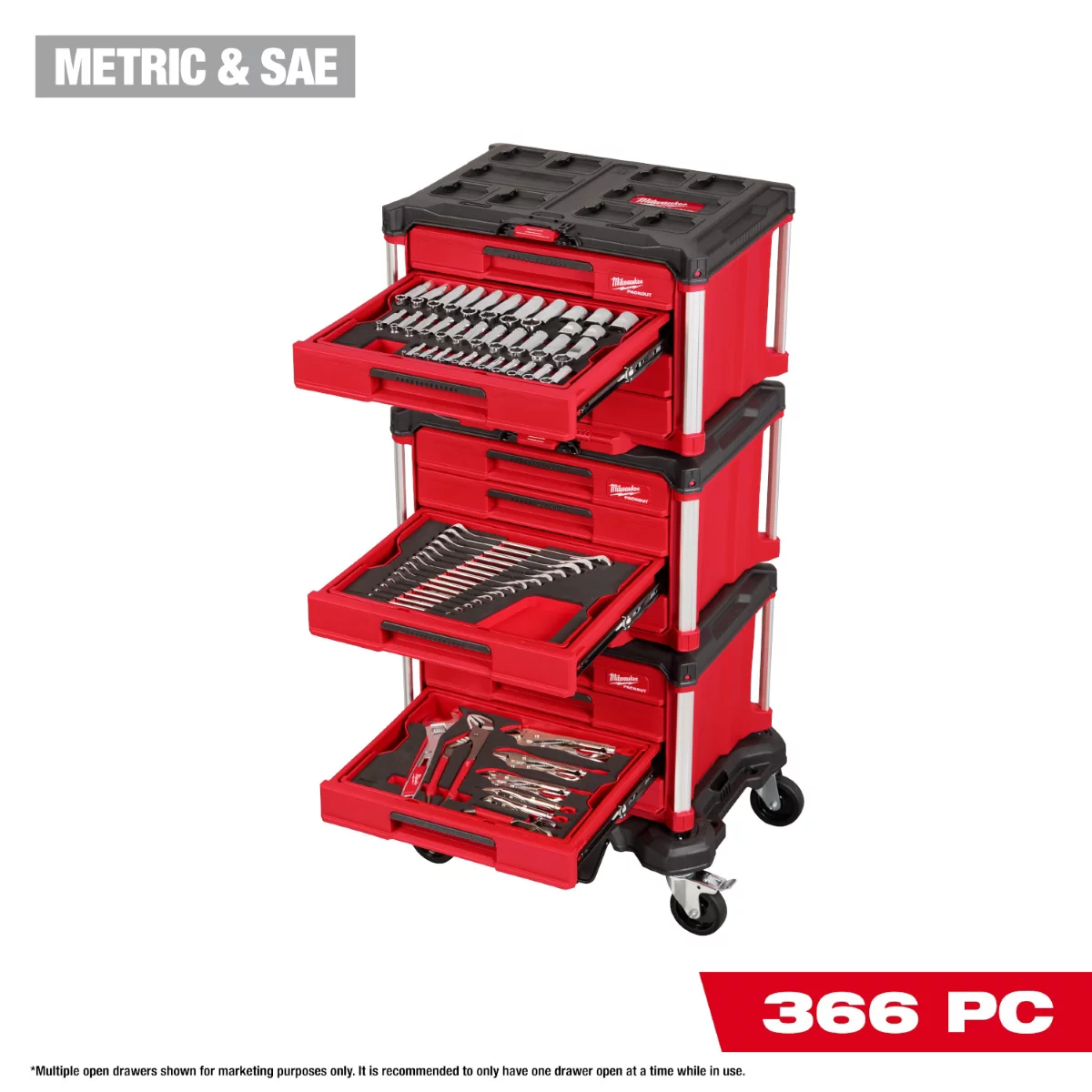
Milwaukee Tool 366 Piece Master Mechanics Hand Tool Set with PAC
Mfg: Milwaukee Electric Tools
Part #: 48-22-9495
FAQs
How can I tell if a part was broached versus drilled?
Broached holes or slots have a shaped, non-circular profile (hex, square, D-shaped, or a keyed pattern) with clean, parallel side walls. Drilled holes are round with visible spiral tool marks inside. A broach gauge or a quick comparison against known broached hardware (like a carriage bolt shoulder) will confirm it fast.
Is it safe to reuse a homemade pry bar or leverage tool someone else made?
Only after inspecting it for cracks, confirming the material isn’t brittle cast metal, and testing it on a low-stakes job first. If the working edge shows rounding or deformation from prior use, retire it rather than risk it slipping under load.
What’s the fastest way to check if a mystery part belongs to a mower deck?
Compare the bolt hole spacing and material thickness against the tensioner bracket and blade hub diagrams in the mower’s parts manual. Tensioner brackets and blade fragments are the most common shop “mystery metal,” especially near riding mower service areas.
Should I ever use an impact wrench or ratchet as an improvised tool for something like cooling or debris removal?
No. Powered ratchets and impacts are rated for fastening torque, not as fans, blowers, or multi-purpose gadgets. Attaching anything unintended to a spinning drive risks thrown debris and hand injury—use the tool only for its rated purpose.
What should I do with a part I can’t identify after checking all the obvious sources?
Photograph it with a scale reference, note where it was found, and post it in a trade-specific forum or ask senior techs in your shop. If it can’t be tied to any system after that, treat it as scrap rather than storing it indefinitely.
Is it ever worth keeping an unidentified part “just in case”?
Only if you’ve confirmed it’s a genuine shop-fabricated tool with a clear, repeatable use. Unidentified broken parts with no confirmed function just take up space and create confusion for future techs—label it or let it go.
Precision Tools for Part Identification
The process of identifying an unknown part requires precise measurement of hole diameters, thread pitch, and material profiles. Our Measurement Tools and Inspection category stocks the digital calipers, thread gauges, broach gauges, and borescope cameras you’ll need to determine what you’re actually holding.
- Digital calipers for measuring hole diameter, bolt spacing, and material thickness
- Thread and broach gauges to confirm fastener profiles and keyed shapes
- Borescope cameras for inspecting internal surfaces and detecting fatigue cracks

The Toolsource Technical Team blends decades of real-world automotive service experience with up-to-date technical research. Our writers collaborate with professional mechanics, shop owners, and diagnostic specialists to deliver practical, workshop-ready guidance you can trust.


Follow us on social media