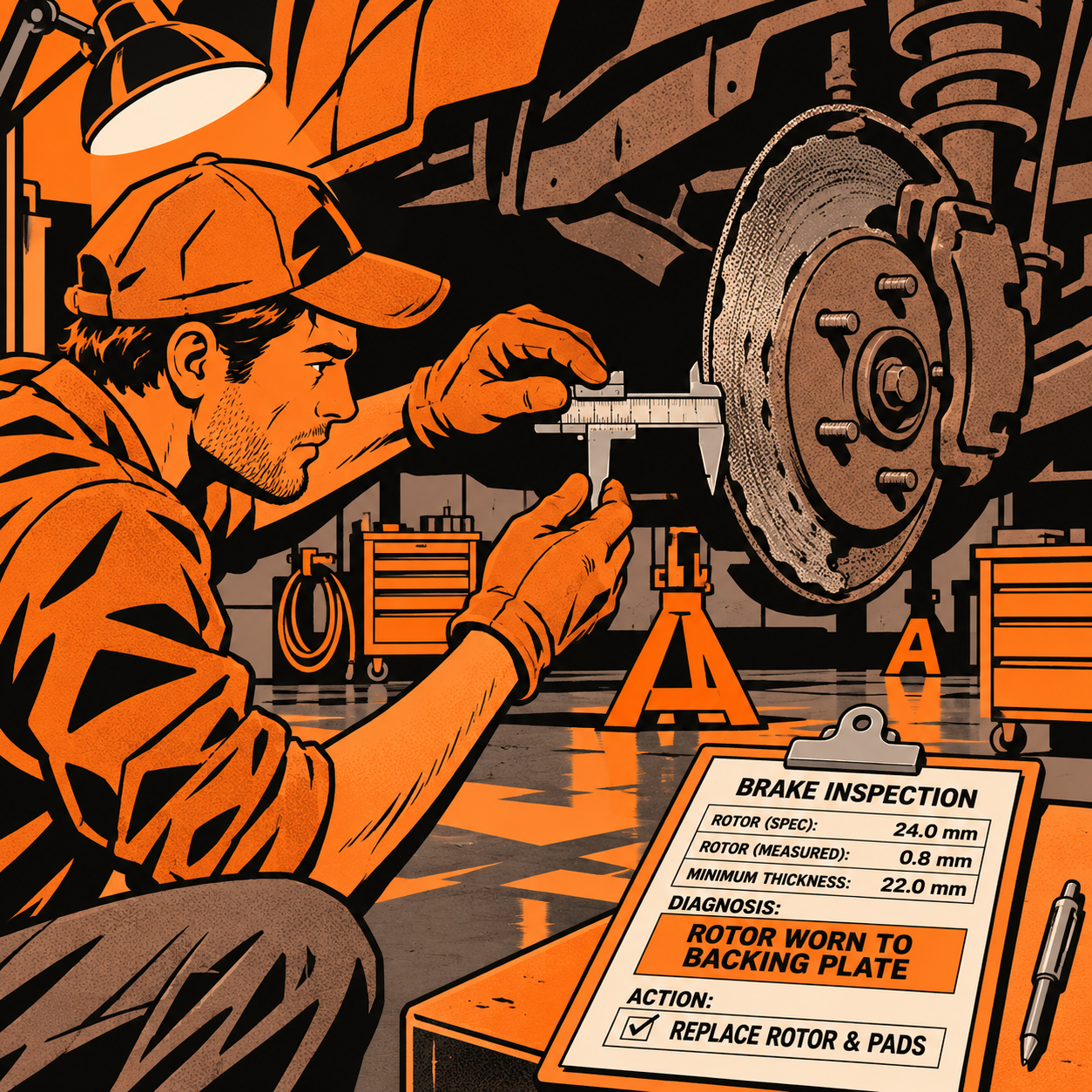
Every shop eventually gets a vehicle on the lift that has no business being on the road — shot brakes, structural rust through the frame rails, a ball joint one pothole from separating. The technical diagnosis is easy. The hard part is what happens next: the customer wants their keys, the bill is paid, and the car is objectively dangerous. Techs and shop owners consistently get this wrong in both directions — either assuming they can refuse to release the vehicle, or assuming they have zero responsibility once the invoice is settled. Neither extreme is correct, and the rules shift meaningfully by state and even by municipality. Here’s a working guide to what you can actually do, what paperwork protects you, and where the real leverage in these situations comes from.
The Baseline Rule: You Can’t Keep a Paid-Up Customer’s Car
In nearly every U.S. state, once a customer’s bill is paid in full, the vehicle is their property and they are legally entitled to leave with it — regardless of its mechanical condition. Shops are not law enforcement, and withholding keys or the vehicle itself from a customer who has paid can expose the shop to civil liability for conversion (essentially, civil theft) and potential criminal exposure depending on the jurisdiction. “We think it’s unsafe” is not a legal basis to physically prevent someone from taking their own car.
What a shop can do is refuse to perform a specific repair, refuse to return the vehicle to the road in a condition that violates a state inspection standard (more on that below), and clearly warn the customer in writing. What it cannot do is use the keys or the vehicle as leverage once money has changed hands. If a customer is being told otherwise, that’s a red flag worth escalating internally before it becomes a legal problem for the business.
Where You Actually Have Leverage: The Mechanic’s Lien
The one scenario where a shop can legitimately hold a vehicle is an unpaid bill — not an unsafe condition. Most states recognize a “possessory lien” (sometimes called an artisan’s or garageman’s lien), which allows a shop to retain a vehicle until the repair bill is satisfied. This is a different legal mechanism entirely from safety, and conflating the two in front of a customer or in your documentation creates confusion and risk.
If a bill goes unpaid long enough, most states allow the shop to file a formal mechanic’s lien, which can eventually lead to the title being reassigned to the shop if the process goes uncontested, or to a court proceeding if the owner or lienholder disputes it. This process has specific notice requirements and timelines that vary by state — DMV or state attorney general sites typically publish the exact lien forms and waiting periods. The practical takeaway: lien law gives you a legitimate hold over an unpaid vehicle. It gives you nothing when it comes to a paid vehicle you simply think shouldn’t be driven.
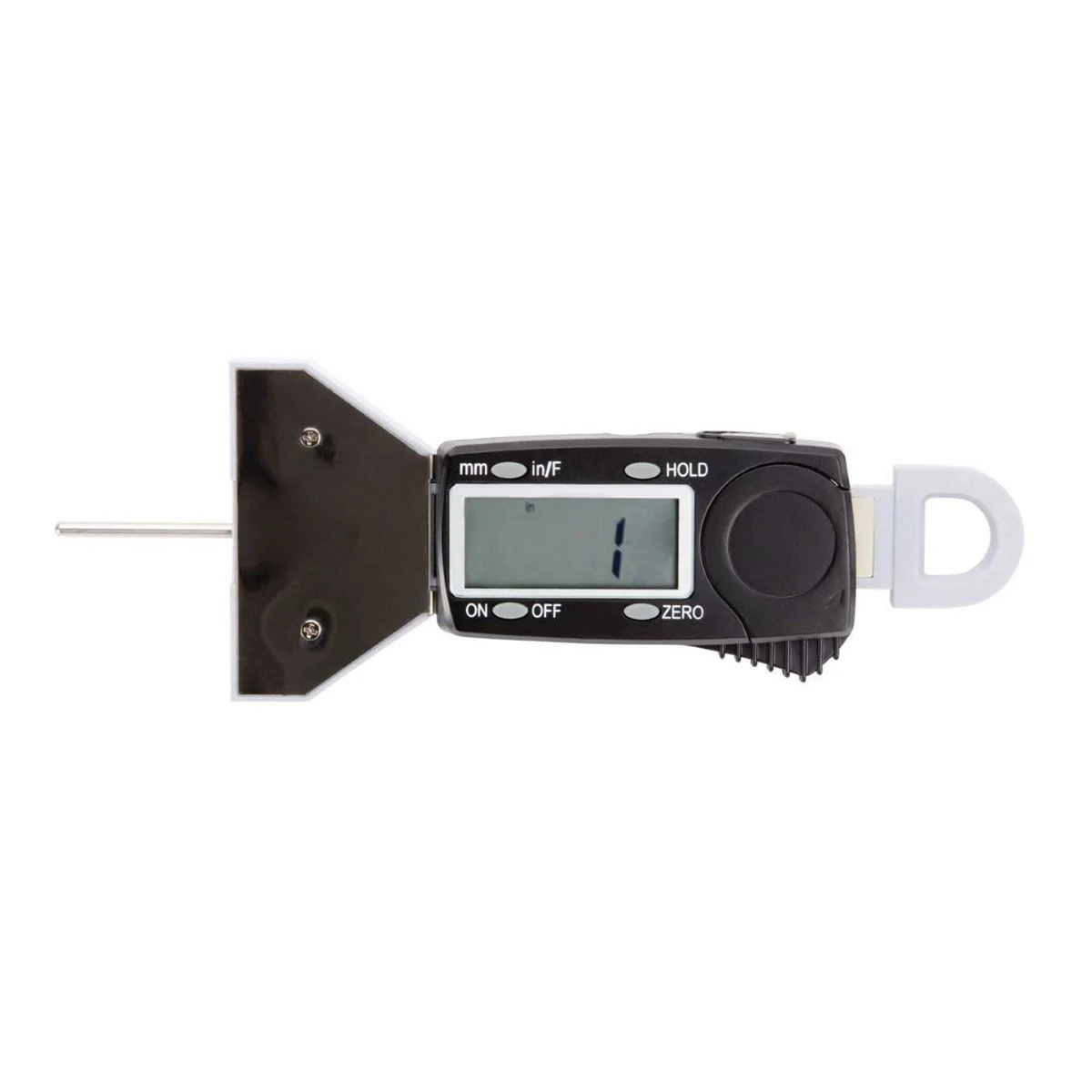
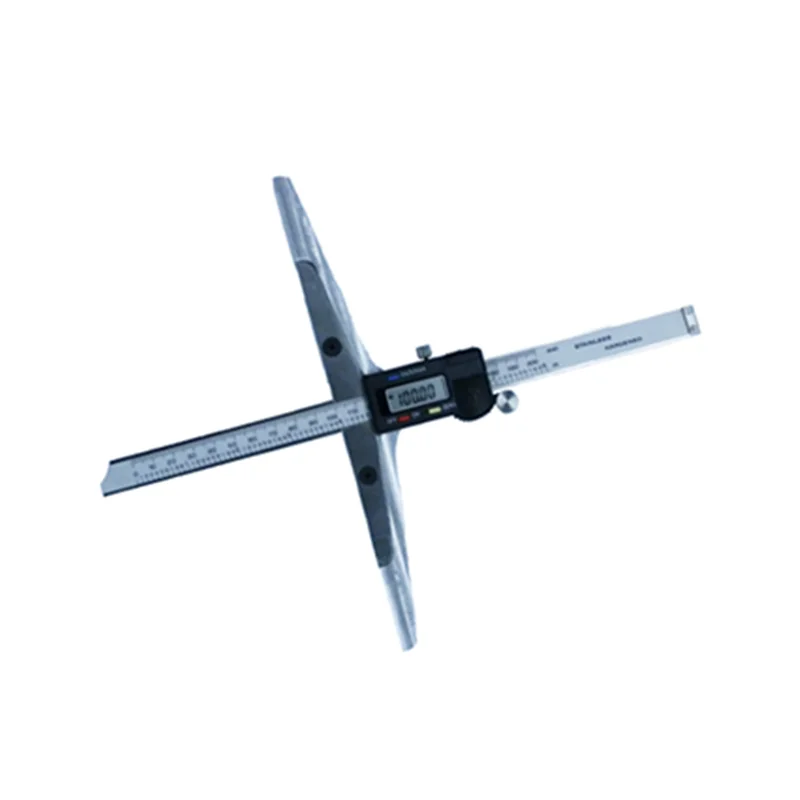
[PRODUCT_SEARCH: digital tire tread depth gauge]
Documenting the Danger: Why the Signed Waiver Matters
Since you generally can’t stop the vehicle from leaving, your real protection is documentation. This is standard practice across the industry: when a vehicle is found to be unsafe and the customer declines the recommended repair, have them sign an acknowledgment on the repair order or a separate release stating that the shop identified the issue, recommended against driving the vehicle, and that the customer is choosing to proceed against that advice. Be specific — “no measurable brake pad material, rotors below minimum thickness” carries far more weight in a dispute than “brakes bad.”
A signed waiver does not make a shop immune from a lawsuit. If a third party is injured because of the vehicle’s condition, that waiver protects the shop, not the customer, and it doesn’t stop an injured party from filing suit against the vehicle owner or, in some cases, naming the shop. What it does is establish a clear paper trail showing the shop met its duty to warn, which matters enormously if the dispute ever reaches a courtroom or an insurance company’s claims desk. Keep a copy in the customer’s file indefinitely, not just until the invoice is closed out.
Some techs go further and photograph the failed component — a rotor worn to the backing plate, a frame rail with a hole you can see daylight through — and attach the photos to the work order. This is cheap insurance against a “they never told me” claim months later.
When It’s an Immediate Danger: Towing and the Police Option
There’s a meaningful difference between “this needs attention soon” and “this will fail catastrophically in the next mile.” For the latter — no brakes, a steering component about to separate, structural failure — many shops’ practice is to offer (or insist on, as a condition of releasing the vehicle from the shop’s own liability concerns) a tow rather than letting the customer drive it off the lot. Some shops absorb the tow cost themselves, treating a few hundred dollars as cheap compared to potential litigation exposure.
If a customer insists on driving away in a vehicle you believe poses an immediate risk to other road users, calling local police to flag the vehicle once it’s on a public road is a legitimate option in most jurisdictions — officers have authority to pull over and, in some cases, impound a vehicle that’s demonstrably unsafe, which a private shop does not have. This isn’t about punishing the customer; it’s about the fact that police, not shops, hold enforcement authority over roadworthiness. A small number of states with mandatory safety inspection programs (and some municipalities) give inspectors or agencies additional authority to suspend registration on a failed vehicle, but that authority sits with the state program, not with the individual repair facility.
One more point worth flagging to customers: if the vehicle is in an accident shortly after leaving your shop in a known-unsafe condition, some auto insurers have disclaimed coverage on the basis of a documented, known defect. That’s a conversation worth having directly — it’s often more persuasive to a customer than anything the shop itself can threaten.
Know Your State’s Specific Rules Before You Improvise
General principles aside, the actual authority a shop has varies by state, and sometimes by whether the vehicle came in for routine service versus a mandatory inspection. A handful of states with heavy corrosion exposure or stricter regulatory bodies place more responsibility on shops to certify a vehicle’s condition before release. Most states, however, leave roadworthiness enforcement to law enforcement and state inspection agencies, not to private repair facilities. Before your shop adopts a policy of “we hold unsafe vehicles,” have it reviewed against your specific state’s statutes — a policy that’s legal in one state can constitute unlawful detention of property in another.
A Practical Workflow for Your Shop
- Diagnose and document the unsafe condition specifically — component, measurement, and why it fails a safety standard.
- If the bill isn’t paid, you may hold the vehicle under a possessory lien — confirm your state’s notice and timeline requirements.
- If the bill is paid, you must release the vehicle on request — you cannot withhold keys or title as leverage over condition.
- Have the customer sign a specific, written acknowledgment of the hazard and their decision to decline repair.
- For immediate, catastrophic hazards, offer or arrange a tow rather than letting the vehicle leave under its own power.
- If a customer insists on driving an imminently dangerous vehicle off your lot, consider notifying local police once it’s on a public road.
- Keep photos and copies of the waiver in the permanent customer file, not just the closed work order.
[PRODUCT_SEARCH: shop safety inspection and diagnostic tools]

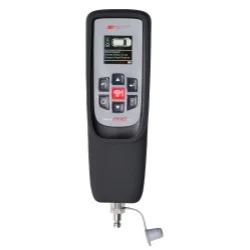
Tech200Pro Tire Pressure with Tread Depth and TPMS
Mfg: Bartec USA
Part #: WRT200PRO
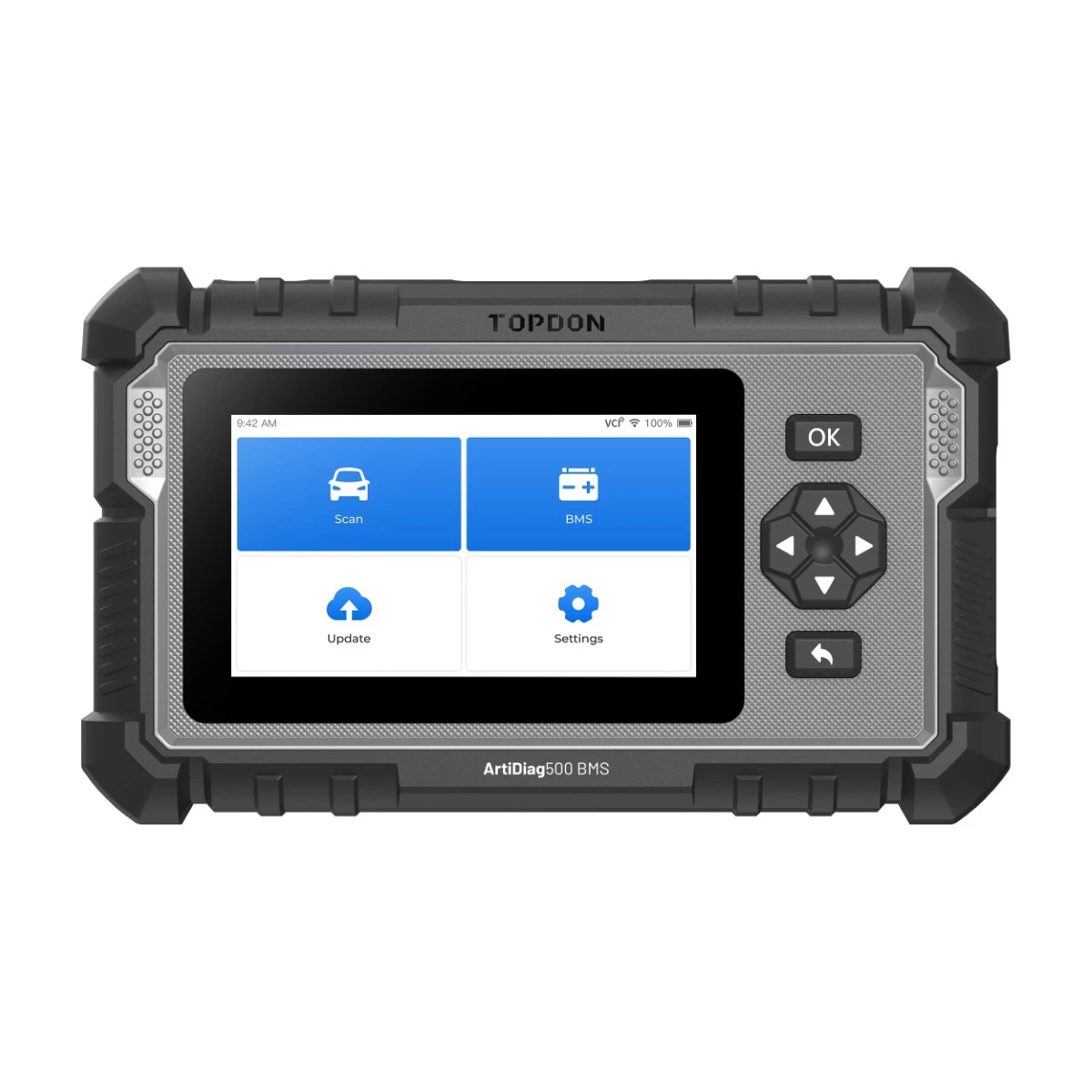
Topdon ArtiDiag500 BMS - 4-System Diagnostic Tool with BMS Reset
Mfg: TOPDON
Part #: AD500BMS
FAQs
Can a shop keep my car if I refuse a recommended repair but pay the bill for work already done?
No. Once the bill for completed work is paid, the vehicle must be released. Refusing an upsell or additional repair doesn’t give the shop grounds to withhold the vehicle.
Does a signed waiver protect the shop from a lawsuit if the vehicle is later involved in a crash?
It helps establish that the shop met its duty to warn, which matters in litigation and insurance disputes, but it doesn’t guarantee immunity. It protects the shop’s position; it doesn’t eliminate the underlying risk or shield the vehicle owner.
What’s the difference between a mechanic’s lien and holding a car for safety reasons?
A lien is a legal claim tied to an unpaid bill, recognized by statute in most states. “Holding for safety” on a paid-up vehicle has no equivalent legal basis in most jurisdictions — it’s the shop substituting its own judgment for the owner’s property rights.
If I call the police on a customer’s unsafe vehicle, could that create liability for my shop?
Generally, notifying police about a vehicle that’s demonstrably unsafe to operate on public roads is a reasonable, low-risk action. It’s a very different act from physically detaining the vehicle or customer yourself, which carries real legal exposure.
Do mandatory state inspection programs change any of this?
In states with safety inspection programs, a failed inspection means the vehicle can’t legally be registered or driven without repair or a waiver, but the repair shop performing the inspection still generally doesn’t have authority to physically detain the vehicle — that enforcement sits with the state.
What should go on the written waiver besides a signature?
Specific component findings and measurements, the date, the recommended repair, a statement that the customer was advised against driving the vehicle, and the customer’s explicit decision to decline. Vague language like “car has issues” is far weaker than itemized, measured findings.
Document Every Finding: Essential Measurement Tools
The difference between “brakes bad” and “no measurable pad material, rotors below minimum thickness” can matter in court. Precise measurement — whether it’s tire tread depth, brake pad thickness, or frame damage — gives your safety documentation the specificity it needs. Browse our Measurement Tools and Inspection selection to find the gauges and diagnostic equipment that support your shop’s documentation practices.
- Tire tread depth gauges and brake pad thickness calipers
- Inspection cameras and depth measurement tools for structural rust assessment
- Diagnostic meters and probes for electrical and mechanical verification

The Toolsource Technical Team blends decades of real-world automotive service experience with up-to-date technical research. Our writers collaborate with professional mechanics, shop owners, and diagnostic specialists to deliver practical, workshop-ready guidance you can trust.


Follow us on social media